Wind Exposure Makes Floaters Worse? What You Need To Know
Ever been out on a super windy day and suddenly noticed a few more floaters dancing across your vision? You’re not imagining things. I’ve actually had this happen during one of my usual weekend hikes—when the gusts were practically slapping my face and my eyes felt like I forgot how to blink. That day I spotted a couple of new floaters, and they stuck around for hours. So, what gives?
How Wind Exposure Can Aggravate Eye Floaters
Now, if you’ve been dealing with floaters for a while, you know they’re typically caused by the natural aging of the vitreous—the jelly-like stuff inside your eyeballs. But what’s not always talked about is how external factors, like high wind exposure, can make them more visible or even seem worse.
Dry air, blowing debris, sudden pressure changes, and squinting from bright wind-whipped environments all put extra stress on your eyes. When the tear film evaporates too quickly—something that happens a lot in high winds—it leaves your eyes feeling gritty, strained, and less able to filter out the shadows and particles drifting inside the vitreous.
Why Windy Conditions Affect Visual Clarity
I had a conversation with an ophthalmologist once who told me that wind can indirectly heighten the appearance of floaters. It doesn’t create them out of thin air, of course. But the irritation it causes—dryness, inflammation, and light scattering on a compromised tear film—can distort vision just enough to make floaters stand out more. Think of it as a dirty windshield catching sunlight at just the wrong angle.
Plus, let’s not forget the role of micro eye movements. Wind often causes squinting, rapid blinking, and eye fatigue, which can influence how floaters drift and how your brain interprets them. More movement, more shadows, more floaters.
Other Conditions That Make Floaters Worse in Wind
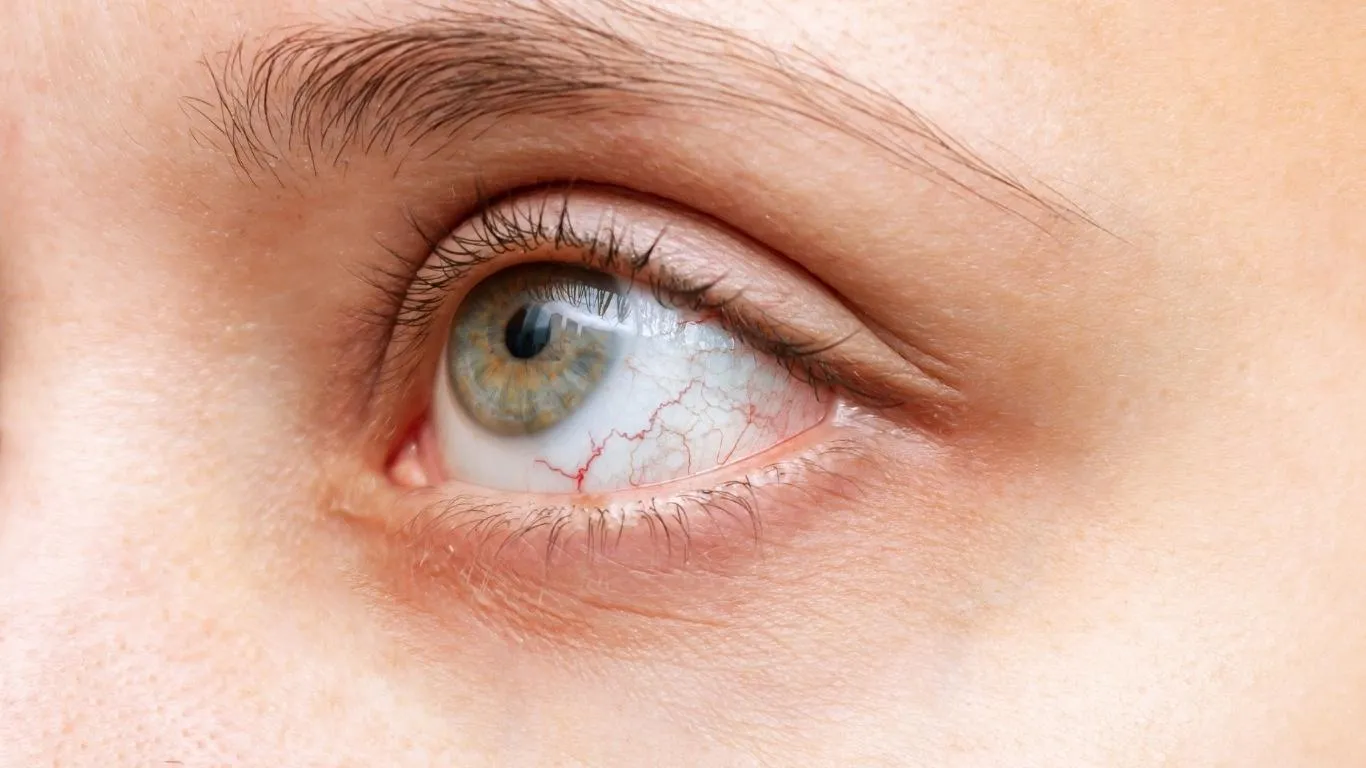
For folks already dealing with eye sensitivities, wind can be downright brutal. Here are a few conditions that might make floaters more noticeable in gusty conditions:
- Dry Eye Syndrome: Already low tear production gets worse in the wind, enhancing visual noise.
- Eye Allergies: Wind blows allergens into your eyes, triggering inflammation and puffiness that mess with vision.
- Photophobia: Sensitivity to light worsens floaters in bright, open-air spaces—like beaches or mountain trails on windy days.
- Vitreous Syneresis: If the gel inside your eye is already degenerating, wind-induced stress just brings floaters front and center.
For more on how inflammation might be behind sudden floater flare-ups, check out this guide on inflammation-related floaters. It gives excellent insights into what’s happening below the surface.
Everyday Habits That Make It Worse—Especially Outdoors
Let’s be honest—some of us aren’t helping ourselves. I used to head out for a run or bike ride without sunglasses, no eye drops, and zero prep. Big mistake. Floaters would swarm, and I’d spend the rest of the day squinting at my screen like a confused squirrel.
Common Floaters-Triggering Habits During Wind Exposure
- Going outdoors without UV-protective eyewear
- Rubbing your eyes when they feel dry or itchy
- Skipping hydration—yep, it matters
- Using allergy meds without countering dry-eye effects
- Not blinking enough (especially when staring at the horizon or phones outdoors)
If you’ve noticed a spike in floaters when your eyes are tired or strained, you’re not alone. Read this helpful breakdown on floaters and fatigue for more clarity.
Do Floaters Increase After Windy Days? My Experience
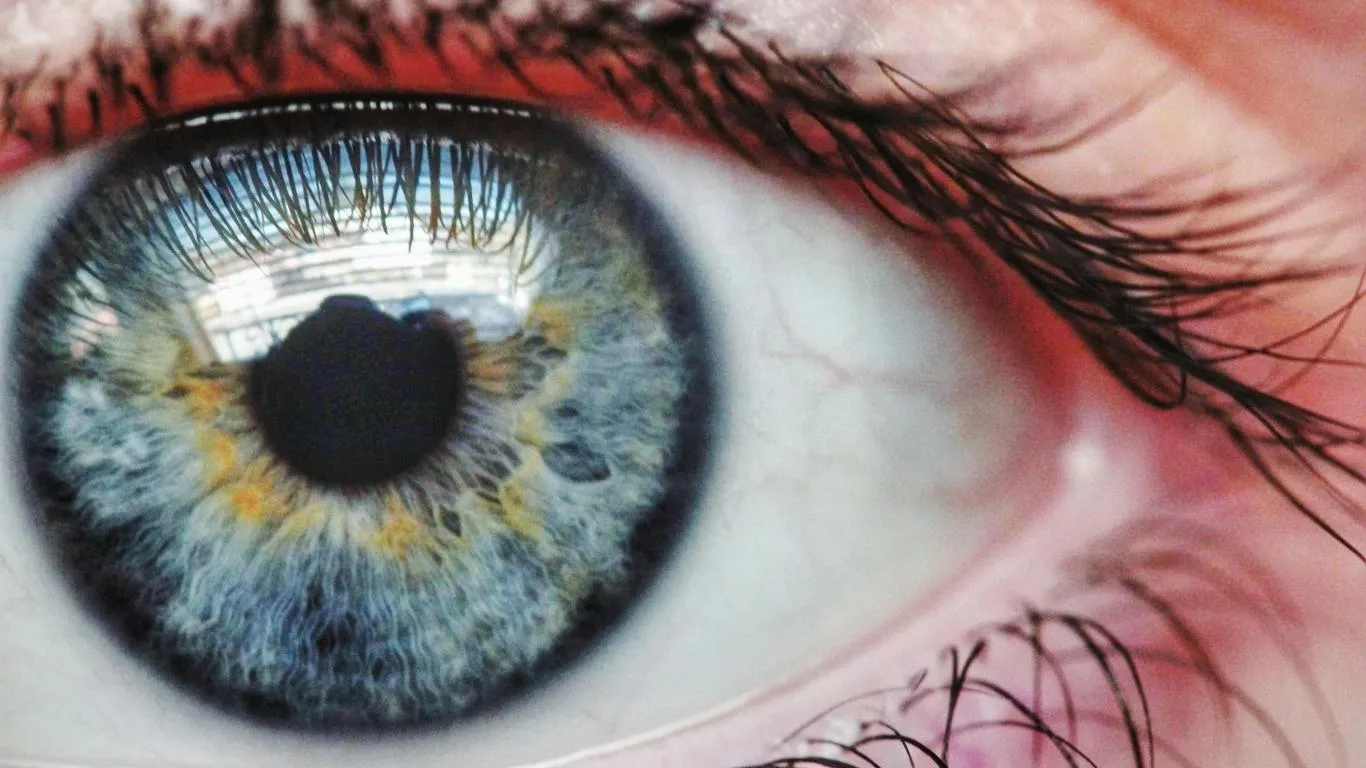
Short answer? For me, yes. I started keeping a kind of “vision journal” to track floaters, and windy days were repeat offenders. It wasn’t just visual discomfort—it was full-on annoyance. They didn’t multiply per se, but they definitely got more obvious. And that was enough to mess with my focus, whether I was driving, reading, or even just scrolling at night.
Turns out, a lot of others have had similar issues. According to this article on sudden floater bursts, changes in vision after environmental stressors like wind or dryness shouldn’t be ignored.
How to Minimize Floaters When It’s Windy
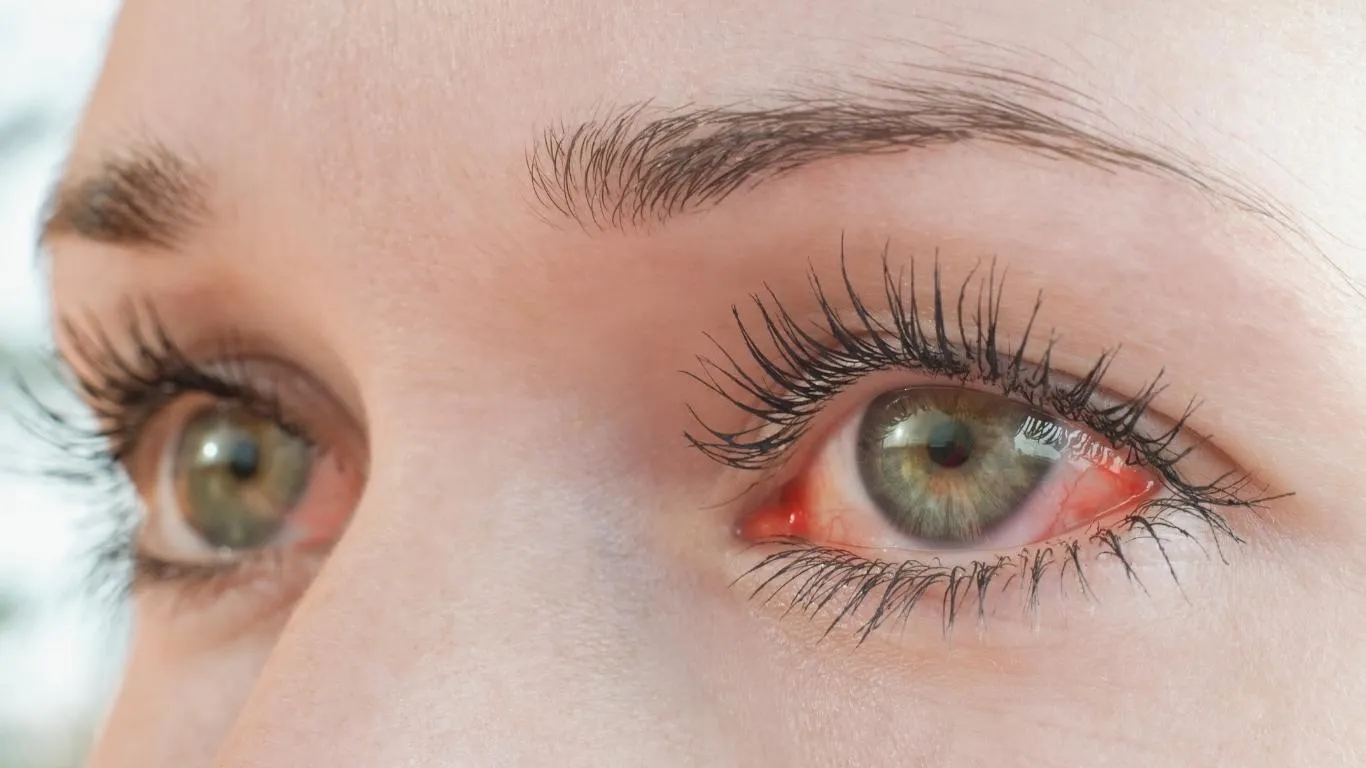
There are some tricks I’ve learned over the years—not from textbooks, but from actual trial and error. These help, especially if you’re not ready to live in a bubble every time the forecast says “gusty.”
Wind-Protection Floaters Toolkit
- Wraparound Sunglasses: Not just stylish—these block debris and limit tear film evaporation.
- Lubricating Eye Drops: Go preservative-free if possible; reapply before and after exposure.
- Stay Hydrated: Floaters and dehydration are more linked than you might think. Here’s why.
- Use Hats or Shields: Baseball caps and wind visors work surprisingly well in a pinch.
If symptoms stick around longer than a day or feel more intense than usual, don’t chalk it up to “just wind.” Sometimes, floaters are early red flags. Check out the most important warning signs before brushing it off.
To get a full understanding of what floaters are, how they form, and what treatments actually work, I highly recommend reading the main guide on eye floaters here.
And if you’re curious about how floaters differ from other eye issues or why they tend to flare up in specific conditions like wind or light sensitivity, this pillar comparison guide is worth the read.
What Eye Doctors Say About Wind and Floaters
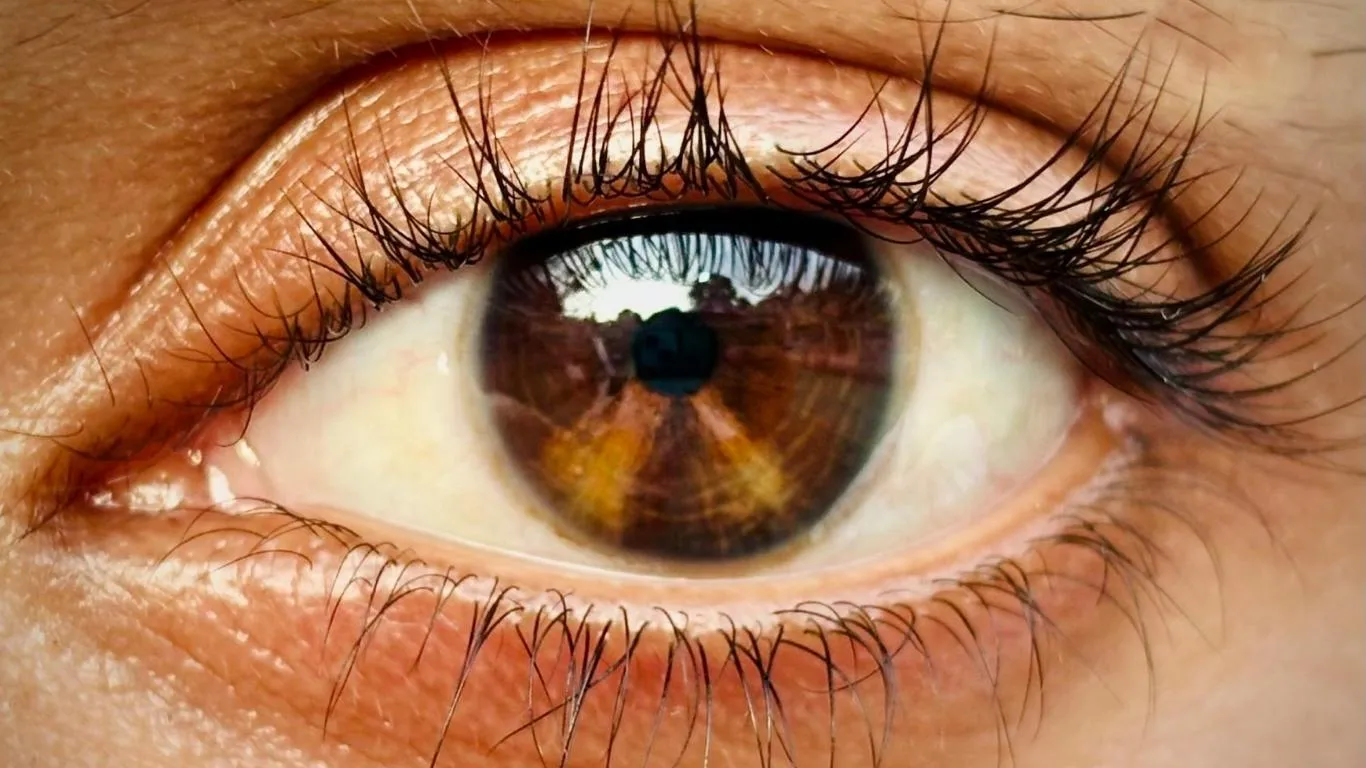
So I actually brought this up during my last eye exam—you know, that awkward moment when they shine a light so bright you feel like confessing all your life choices. I casually asked, “Can windy days really make floaters more noticeable?” and my doctor didn’t even hesitate. “Absolutely,” she said. Apparently, this comes up more often than you’d think, especially among people who spend a lot of time outdoors or have jobs involving long wind exposure (hello, cyclists and construction workers).
She explained that while wind doesn’t cause floaters, it plays into everything that makes them stand out—eye strain, surface dryness, light distortion, and even mild pressure fluctuations around the orbital region. Wind can act like a magnifying glass on existing eye issues. Fascinating stuff.
When Should You Be Concerned?
If your floaters are suddenly increasing after exposure to harsh weather—or if they come with flashes, loss of peripheral vision, or pain—you need to see a specialist. These aren’t just annoying specs anymore; they could point to a more serious retinal condition.
Don’t assume it’s just dry eyes or stress. I once ignored a sharp increase in floaters for weeks, thinking it was nothing. Turned out, it was the early stage of a posterior vitreous detachment. Luckily, it didn’t progress—but it easily could’ve.
Best Lifestyle Tweaks for Wind-Sensitive Eyes
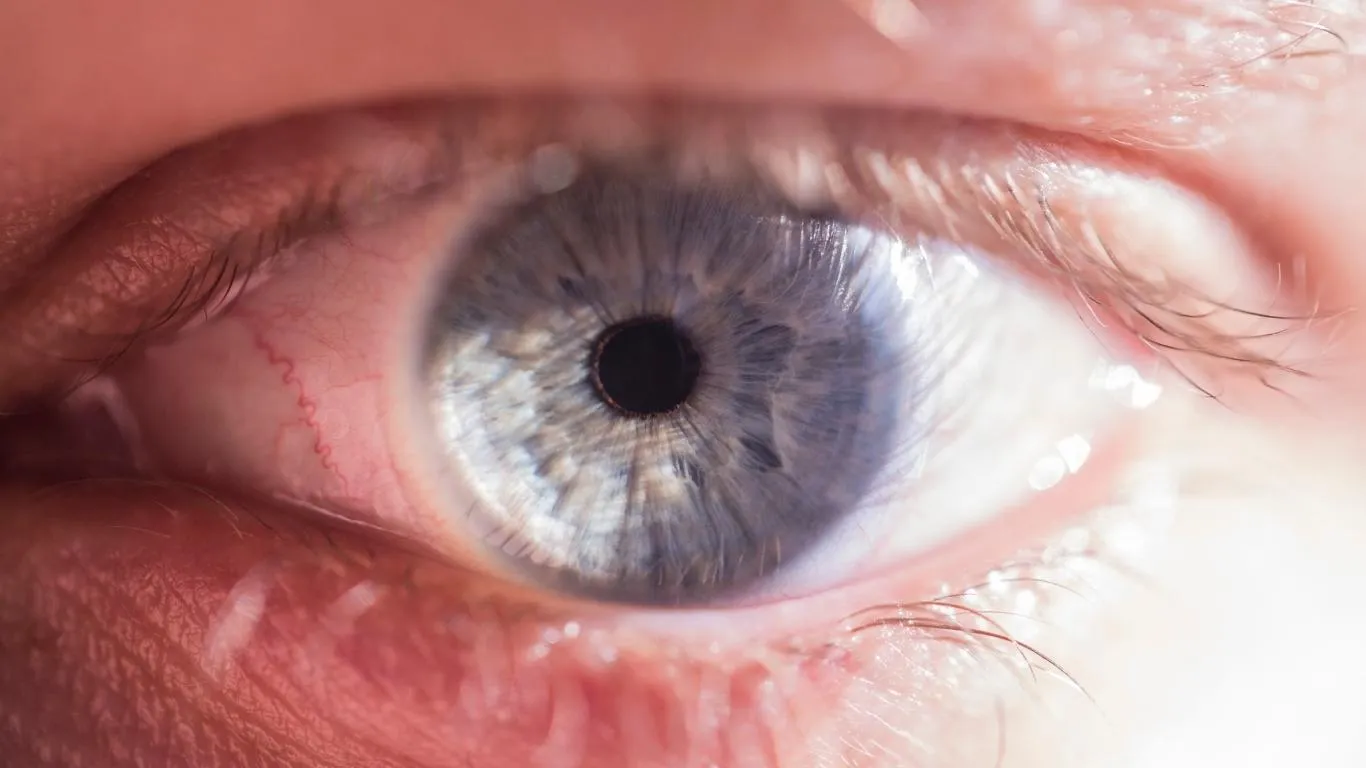
Once I realized wind was a consistent floater trigger for me, I started making a few small changes. I didn’t overhaul my life or move into a cave—just a few tweaks that made outdoor time more comfortable and reduced post-wind visual noise.
My Personal Toolkit
- Switching to wraparound sports glasses: Game-changer. Less dust, less dryness, fewer flare-ups.
- Hydration hacks: I carry electrolyte water instead of just plain H2O on longer hikes. It helps more than you’d think.
- Cool mist humidifier at home: After dry outdoor exposure, I run this at night and wake up with way less eye discomfort.
- Bluelight filter lenses: These help especially when floaters feel more aggressive after sun + wind exposure. You can read more about that here.
It’s not about “curing” floaters—we know they don’t really go away—but managing how intrusive they feel. That’s totally within our control.
Should You Change Outdoor Habits?
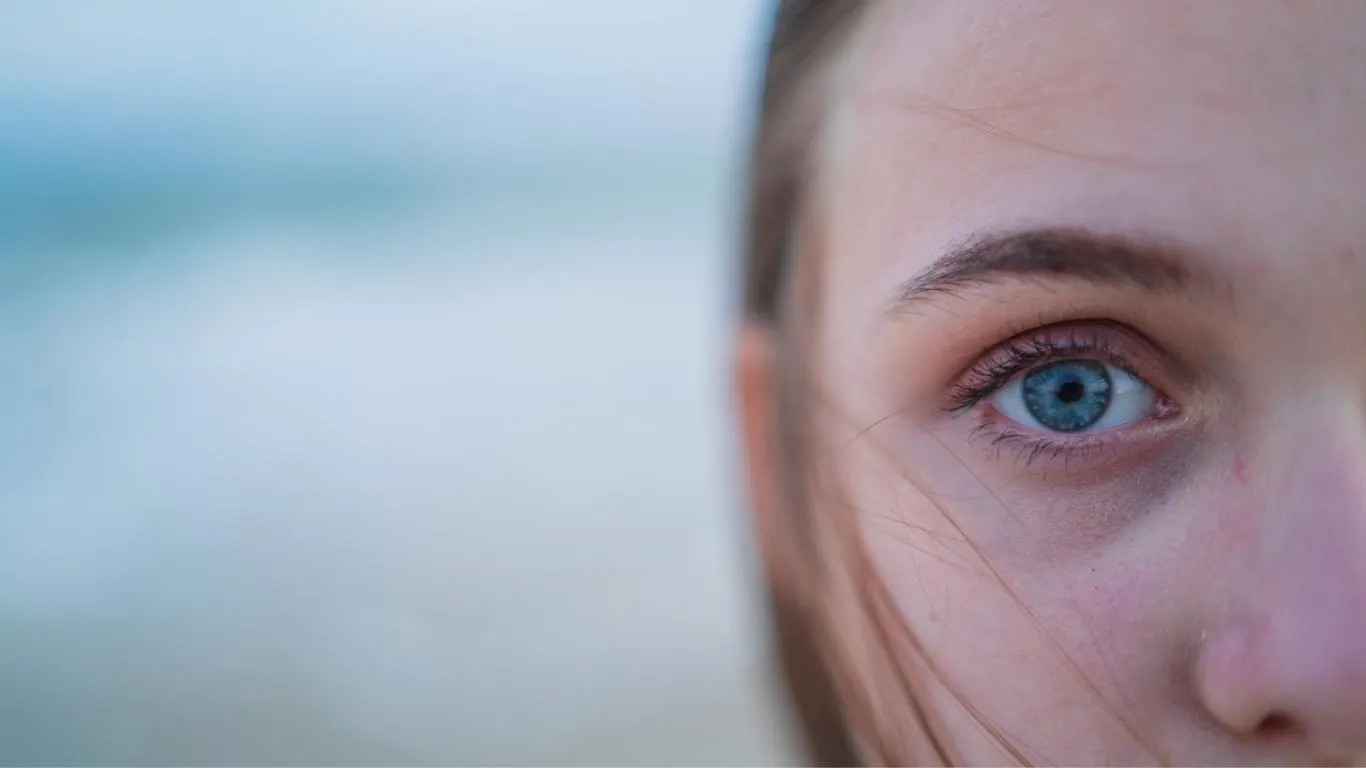
You don’t need to avoid the great outdoors just because your eyes throw a tantrum during windstorms. But planning around extreme wind conditions might make a difference, especially if you’re doing activities that demand visual precision—driving, sports, photography, etc.
Simple changes like checking the forecast for wind gusts, wearing brimmed hats, using preemptive drops, and taking eye breaks can minimize exposure. If you’re wondering about other environmental triggers, this article on how bright light worsens floaters is a solid next read.
Can Supplements Help in Wind-Affected Floaters?

Now here’s where things get tricky. There’s a lot of hype online about magic pills that “melt floaters away.” From my experience—and some solid reading—it’s more about supporting overall eye health than expecting miracles. That said, there are supplements that have helped me reduce irritation after windy days.
- Omega-3s: Found in fish oil or flaxseed capsules, great for tear production and anti-inflammatory effects.
- Lutein & Zeaxanthin: Antioxidants that protect the retina and support clearer vision overall.
- Vitamin C: There’s actually a piece on how vitamin C interacts with floaters that dives into both the pros and caveats.
Always run these by your doctor first, of course. But I’ve had noticeably better eye comfort since working them into my daily routine.
Trusted Resources for Dealing with Floaters
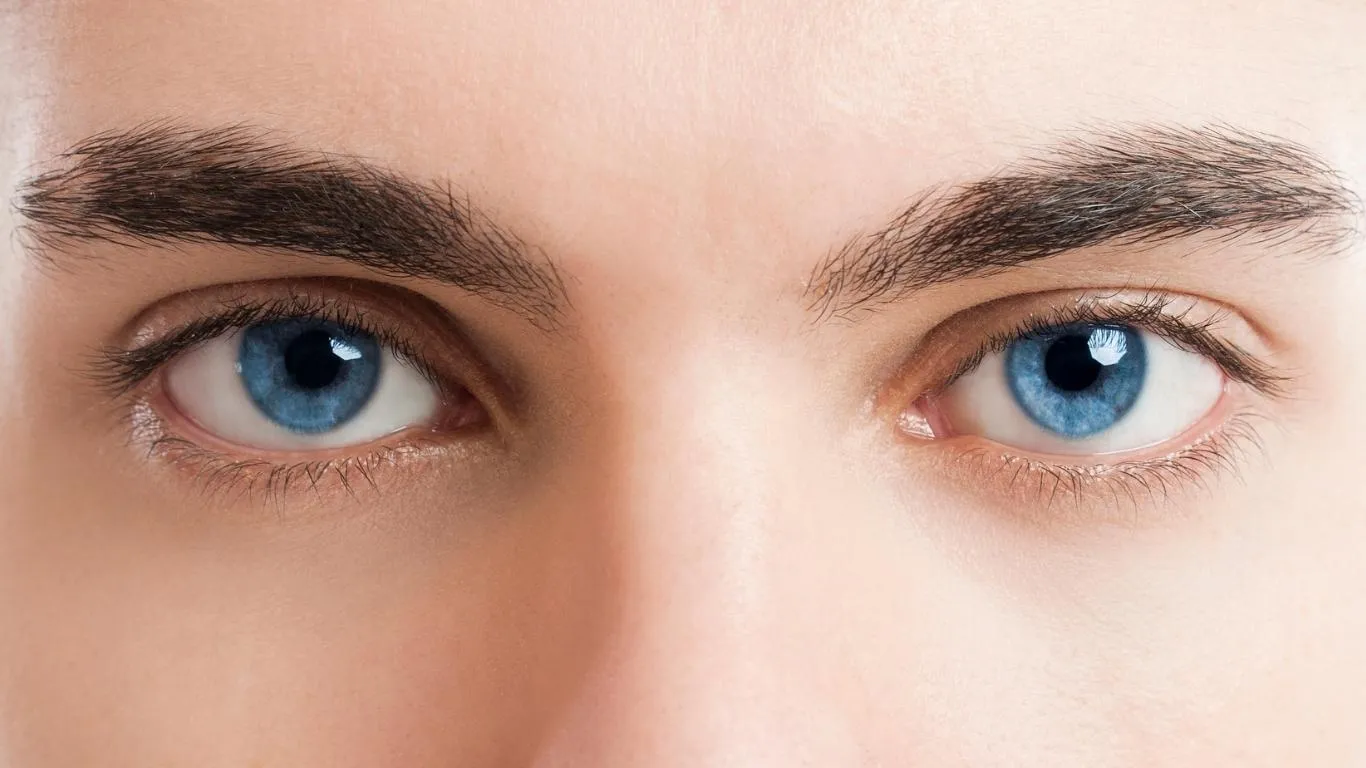
If this whole floater situation feels new or more disruptive lately, you’re not alone. And you’re not stuck. The good news is: there’s a lot of legit info out there—just make sure you’re not falling down the rabbit hole of sketchy advice.
I highly suggest digging into the full breakdown in this treatment-focused guide. It covers everything from doing nothing (yep, that’s valid) to laser options and surgery, without sugarcoating any risks.
And for a general understanding of where floaters come from, what causes them to change, and how to manage them naturally or clinically, the main eye floaters resource has everything you need in one place.
Floaters during windy days might not be a medical emergency, but they sure can feel like a visual nuisance that messes with your vibe. Trust your instincts, prep smart, and don’t be afraid to ask your optometrist those “weird” questions—they’ve heard it all before, I promise.

Camellia Wulansari is a dedicated Medical Assistant at a local clinic and a passionate health writer at Healthusias.com. With years of hands-on experience in patient care and a deep interest in preventive medicine, she bridges the gap between clinical knowledge and accessible health information. Camellia specializes in writing about digestive health, chronic conditions like GERD and hypertension, respiratory issues, and autoimmune diseases, aiming to empower readers with practical, easy-to-understand insights. When she’s not assisting patients or writing, you’ll find her enjoying quiet mornings with coffee and a medical journal in hand—or jamming to her favorite metal band, Lamb of God.