How To Manage Floaters During Scent-Based Relaxation Therapy Effectively
Ever tried to relax with your favorite essential oil diffusing in the background, only to find yourself distracted by those annoying floaters drifting across your vision? I’ve been there. It’s frustrating when you’re seeking calm, and those tiny specks, cobwebs, or translucent squiggles decide to make a dramatic appearance right when you’re trying to breathe in serenity. Today, let’s dive into why floaters during scent-based relaxation therapy are more common than we think, and what it might mean for your eye health.
Why Do Eye Floaters Show Up During Relaxation Therapies?
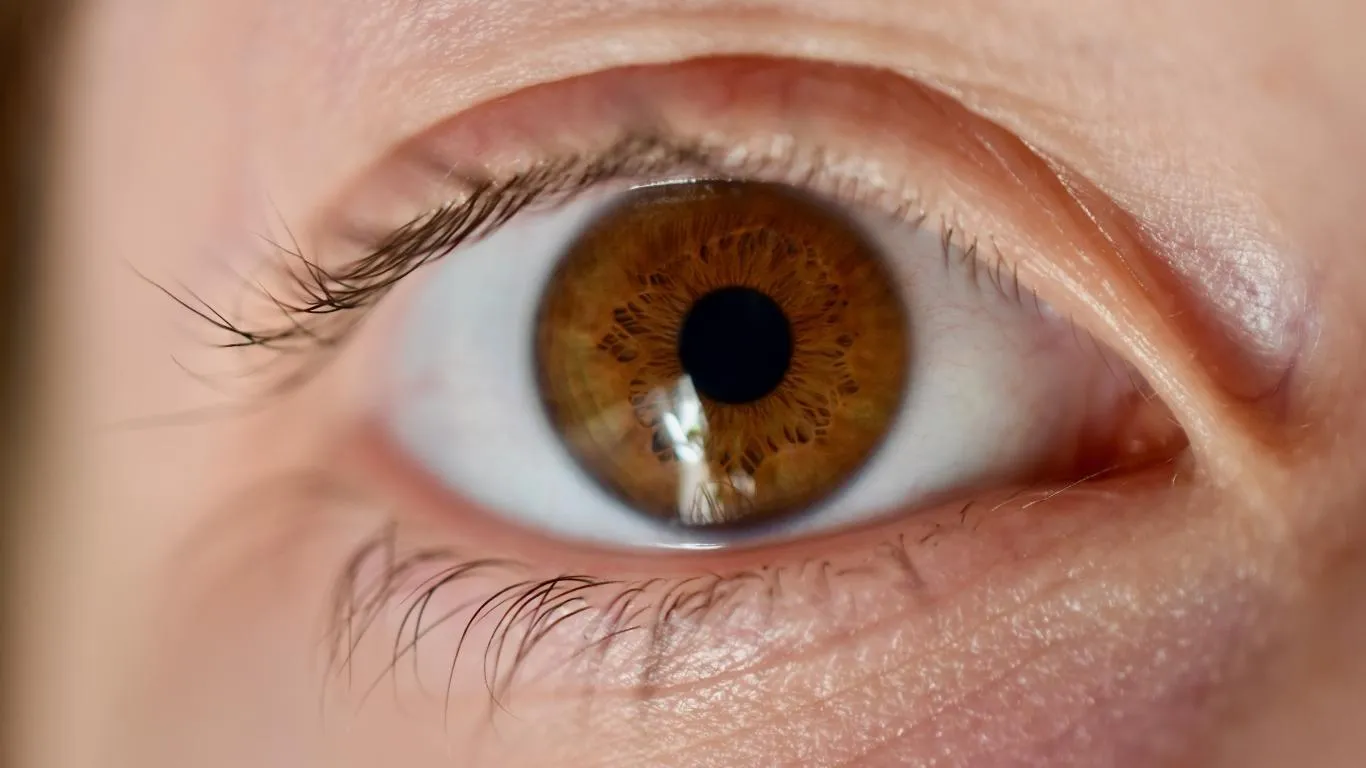
Here’s something I noticed: every time I settle in for some aromatherapy or incense meditation, the floaters become glaringly obvious. It’s not just in my head—there’s actually a good reason for it. When we engage in scent-based relaxation practices, several factors combine to make floaters stand out more.
- Soft Lighting & Static Backgrounds: Calm environments often have dim lighting, which reduces visual noise and makes floaters contrast more sharply against walls or ceilings.
- Minimal Eye Movement: Relaxation therapy encourages you to stay still, limiting saccadic eye movements that usually shift floaters out of focus.
- Breathing Techniques: Deep breathing can cause subtle changes in intraocular pressure, which might enhance floater visibility temporarily.
According to floaters visible only in artificial lighting, environments with controlled lighting tend to reveal floaters that you might not notice outdoors. So if you’re like me, lying back with a lavender-scented diffuser, it’s no wonder those specks start making an entrance.
Is This a Sign of Something Serious?
Floaters during relaxation therapy can be harmless, but they can also be an early flag. If they appear suddenly, increase in number, or come with flashes of light, it’s crucial to be cautious. I once dismissed a sudden burst of floaters as just stress—turned out, it was a posterior vitreous detachment in progress. Scary, right?
The key is knowing when to watch and when to act. A handy guide I frequently refer to is this breakdown on floaters before retinal tear—it’s a must-read if you’ve experienced sudden changes in your vision.
Common Causes Behind Relaxation-Induced Floater Visibility
- Natural Aging: The most frequent culprit. As we age, the vitreous gel inside our eyes becomes more liquid, allowing collagen fibers to clump and float freely.
- Dehydration: I can’t stress this enough—every time I forget to hydrate before a relaxation session, my floaters seem more prominent. Dehydration affects the eye’s vitreous clarity. You might want to check how dehydration can exacerbate floaters.
- Eye Strain and Fatigue: Extended screen time or lack of sleep before engaging in calming rituals often makes floaters more visible when you finally pause and rest your eyes.
It’s fascinating how these factors, while subtle, play a major role in when and how floaters reveal themselves. I’ve even noticed after a long week of late-night work, my weekend relaxation sessions would have a “floater parade” happening. And that’s not uncommon.
Can Relaxation Techniques Make Floaters Worse?
This is a question I asked my ophthalmologist after noticing floaters becoming more prominent during my mindfulness practice. The answer? Relaxation therapy itself isn’t worsening floaters, but it creates the perfect scenario for you to notice them more.
Think of it like this: floaters are like dust particles floating in a sunbeam. The dust isn’t suddenly appearing; you’re just now in the right spot to see it. Similarly, the serene, controlled environment of scent-based therapy magnifies the perception of floaters that are already there.
However, it’s important to stay informed. In some rare cases, underlying conditions like uveitis or vitreous syneresis could be lurking in the background. A deep-dive read I often recommend is this comprehensive guide on common causes of floaters which outlines various triggers—from benign to critical.
Pro Tips for Minimizing Floater Distraction During Relaxation
- Stay Hydrated: Sip water before and during your session to keep your eyes’ internal fluid balance optimal.
- Soft Ambient Lighting: Avoid stark white ceilings or brightly lit rooms. Soft, warm lighting reduces contrast, making floaters less distracting.
- Mindful Eye Exercises: Simple slow eye rotations before starting can help displace floaters to less noticeable zones in your vision.
- Essential Oil Positioning: Place diffusers at peripheral locations rather than in direct line of sight to avoid visual distractions.
Also, for those who love diving into evidence-based treatments and natural remedies, this article on managing floaters naturally is a gem. It’s packed with insights about what actually works and what’s just internet fluff.
When Should You See a Specialist?
For the most part, floaters are harmless companions we must learn to coexist with. But if you notice:
- A sudden surge in floater count.
- Bright flashes resembling camera flashes.
- A shadow or curtain obscuring part of your vision.
It’s time to pick up the phone and book an appointment. I learned this lesson the hard way, brushing aside early warning signs only to deal with a partial retinal tear. Don’t be me. When in doubt, always lean towards caution.
And for a deeper understanding of treatment options, this resource on eye floater treatments is incredibly detailed.
For a holistic overview of floaters—their causes, symptoms, and when to worry—I often recommend starting with this definitive guide: what are eye floaters.
Managing Floaters During Relaxation: Practical Everyday Adjustments
After years of trial and error, I’ve picked up a few daily habits that genuinely help in reducing floater distractions during scent-based relaxation therapy. These aren’t miracle cures, but they make a noticeable difference. Simple tweaks in how you approach relaxation can significantly minimize floater visibility.
- Optimize Room Ambiance: Use softer, diffused lighting instead of direct overhead bulbs. Lamps with adjustable warmth settings are a game-changer.
- Keep Eyes Moisturized: Dry eyes can exaggerate floater shadows. A quick application of preservative-free artificial tears before your session can help.
- Mindful Focus Techniques: Instead of visually locking onto blank walls or ceilings, I’ve found that focusing on an object with subtle patterns, like a soft tapestry or textured lamp shade, reduces floater distractions.
Also, here’s a guide that dives into methods for reducing floaters’ impact after various eye irritations, which surprisingly overlaps with managing them during relaxation practices too.
Can Eye Exercises Help Reduce Floater Visibility?
This is a hot topic. Over the years, I’ve experimented with a variety of eye exercises. While they don’t eliminate floaters, they can “shift” them out of your central vision zone temporarily. One simple trick that works wonders for me involves slow circular eye movements before settling into meditation. It’s a subtle routine, but it makes a big difference.
For those curious about scientifically grounded exercises that target floaters, this breakdown of effective eye exercises is a must-read.
Nutrition and Hydration: The Underestimated Fix
What we consume plays a silent yet pivotal role in how floaters affect us. I never realized how dehydrating habits like excessive caffeine and salty snacks were making my floaters more persistent until I started tracking my hydration levels. Switching to a diet rich in lutein-rich foods and omega-3s also gave me noticeable improvements in overall eye comfort.
Small things like incorporating leafy greens, staying consistent with water intake, and cutting back on processed sugars can work hand-in-hand with relaxation practices to ensure those floaters aren’t the stars of your therapy sessions.
When Floaters Become More Than a Nuisance
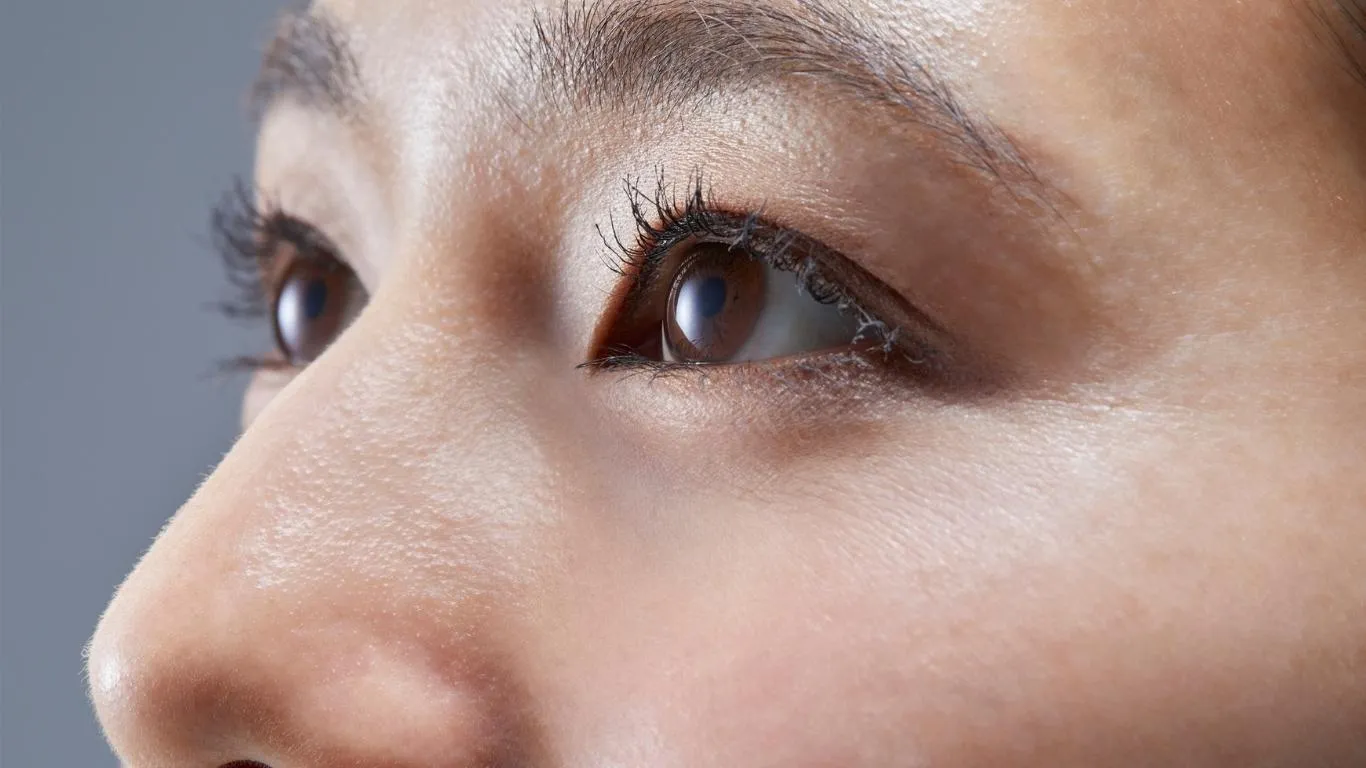
While most floaters are benign, there are red flags that should never be ignored. I had a friend who noticed a sudden “shower of floaters” during her yoga session with essential oils. She thought it was just fatigue, but it turned out to be an early sign of retinal detachment.
Be mindful if you experience:
- A sudden, significant increase in floater numbers.
- Accompanying light flashes or shimmering arcs.
- Blurred vision or a sensation of a curtain shadow descending across your field of vision.
For anyone experiencing such symptoms, this detailed guide on when floaters signal serious conditions is essential reading. Don’t wait for it to worsen—professional evaluation is key.
Exploring Treatment Options: From Observation to Medical Procedures
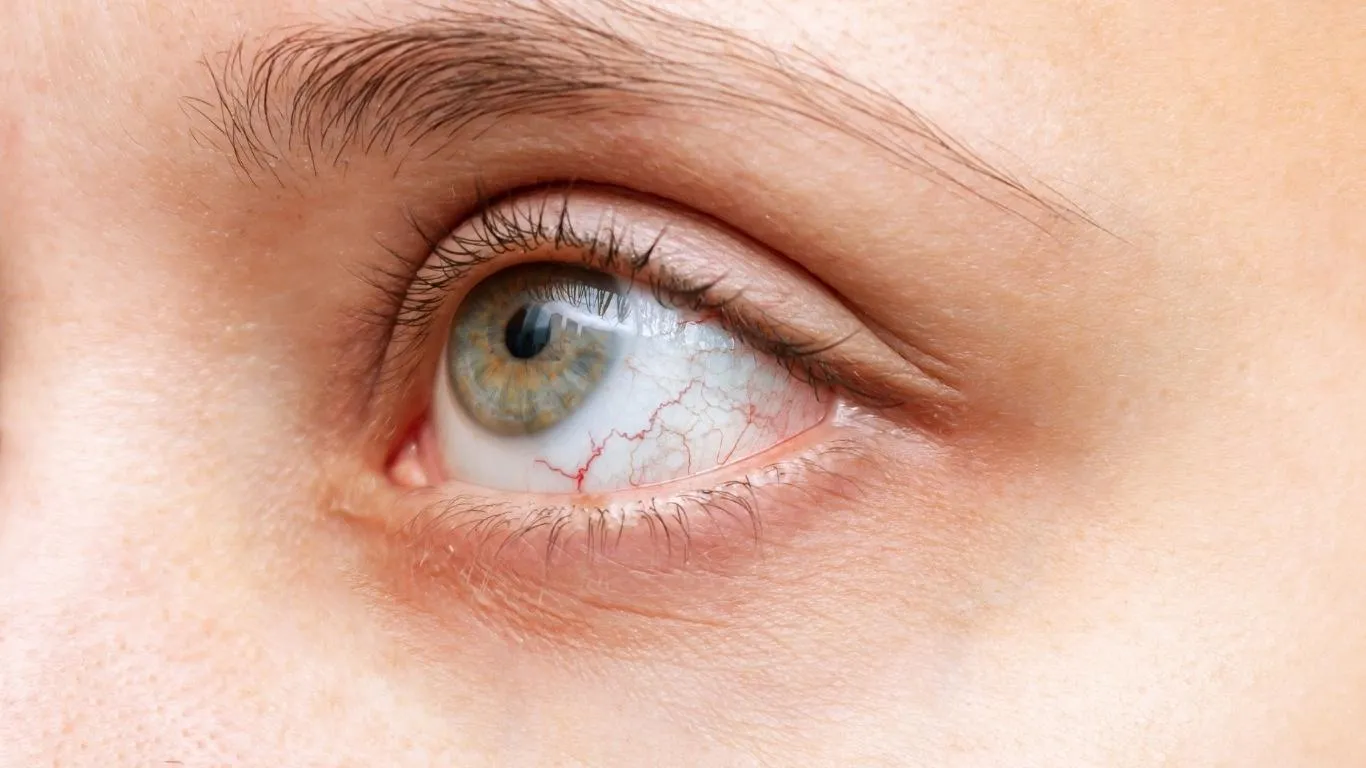
If floaters start affecting daily activities, including your relaxation practices, it might be time to explore treatment options. Not every case demands surgery, but awareness of available interventions is crucial.
Some of the common treatment routes include:
- Observation: Often recommended for mild cases. Regular monitoring to ensure no worsening.
- Laser Vitreolysis: A minimally invasive procedure that breaks down larger floaters into less noticeable fragments.
- Vitrectomy: A more invasive option where the vitreous gel is removed and replaced. Reserved for severe, life-quality-affecting cases.
For a comprehensive exploration of these options, this guide on floater treatments breaks it down exceptionally well.
Final Takeaway: Enhancing Your Relaxation Sessions Despite Floaters
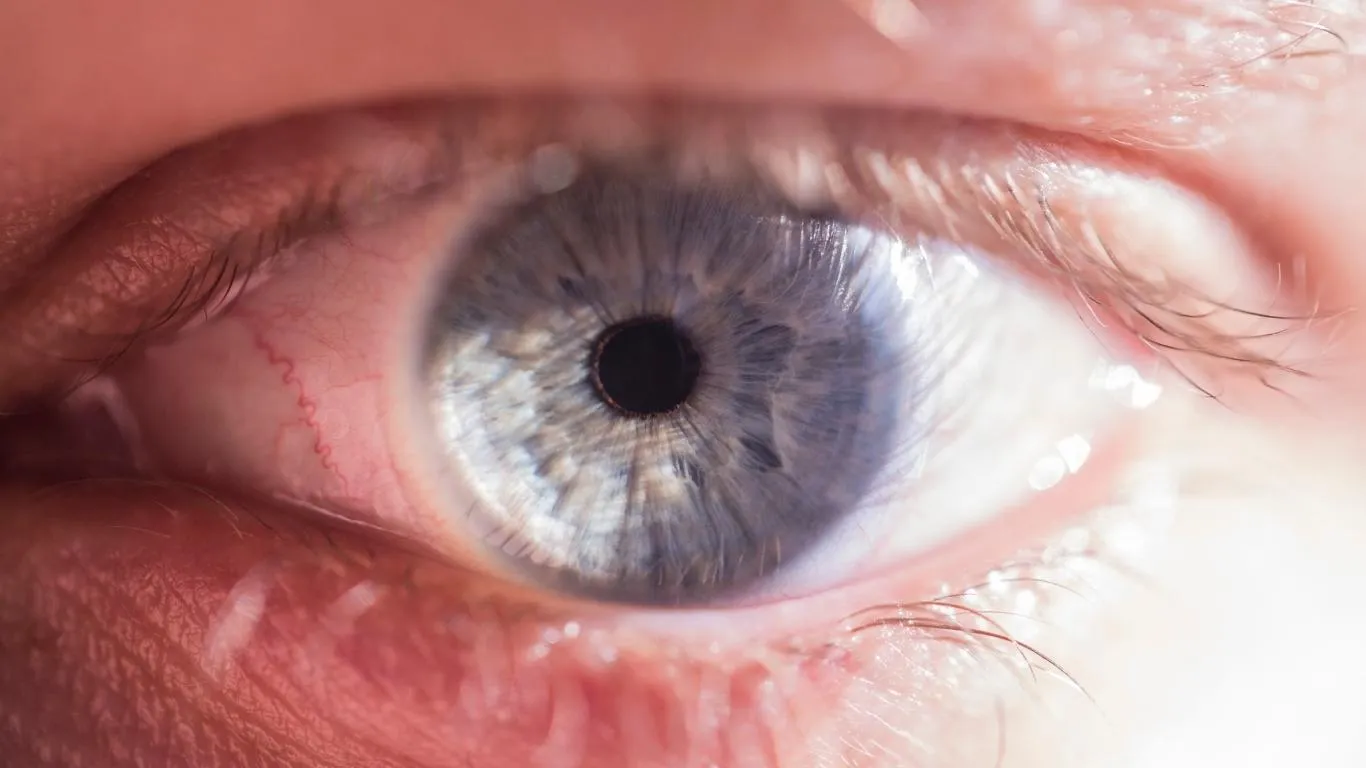
Floaters are part of the package when it comes to aging eyes, digital lifestyles, and yes, even our cherished relaxation rituals. The goal isn’t to eliminate them completely (although that’d be great), but to manage how much they intrude on your calm moments. Through mindful adjustments, nutritional improvements, and being attentive to your eye health, you can enjoy your scent-based therapies without floaters hijacking the experience.
For those looking for a broader understanding of floaters and how they tie into overall eye health, this definitive guide on floaters provides an excellent foundation.

Camellia Wulansari is a dedicated Medical Assistant at a local clinic and a passionate health writer at Healthusias.com. With years of hands-on experience in patient care and a deep interest in preventive medicine, she bridges the gap between clinical knowledge and accessible health information. Camellia specializes in writing about digestive health, chronic conditions like GERD and hypertension, respiratory issues, and autoimmune diseases, aiming to empower readers with practical, easy-to-understand insights. When she’s not assisting patients or writing, you’ll find her enjoying quiet mornings with coffee and a medical journal in hand—or jamming to her favorite metal band, Lamb of God.