Why Floaters During Sound Healing Therapy Feel Worse
So, picture this. You’re in the middle of a deeply immersive sound healing session, gongs reverberating gently through your body, tuning forks humming near your ears, and your mind starts drifting somewhere between a dream and a meditative trance. And just then — there they are. Those squiggly, shifting shadows. Floaters. Distracting, annoying, almost ghostlike. You blink a few times, trying to brush them off as a trick of light. But they linger. And now, you’re pulled right out of the moment.
Why Floaters Seem More Noticeable During Sound Healing
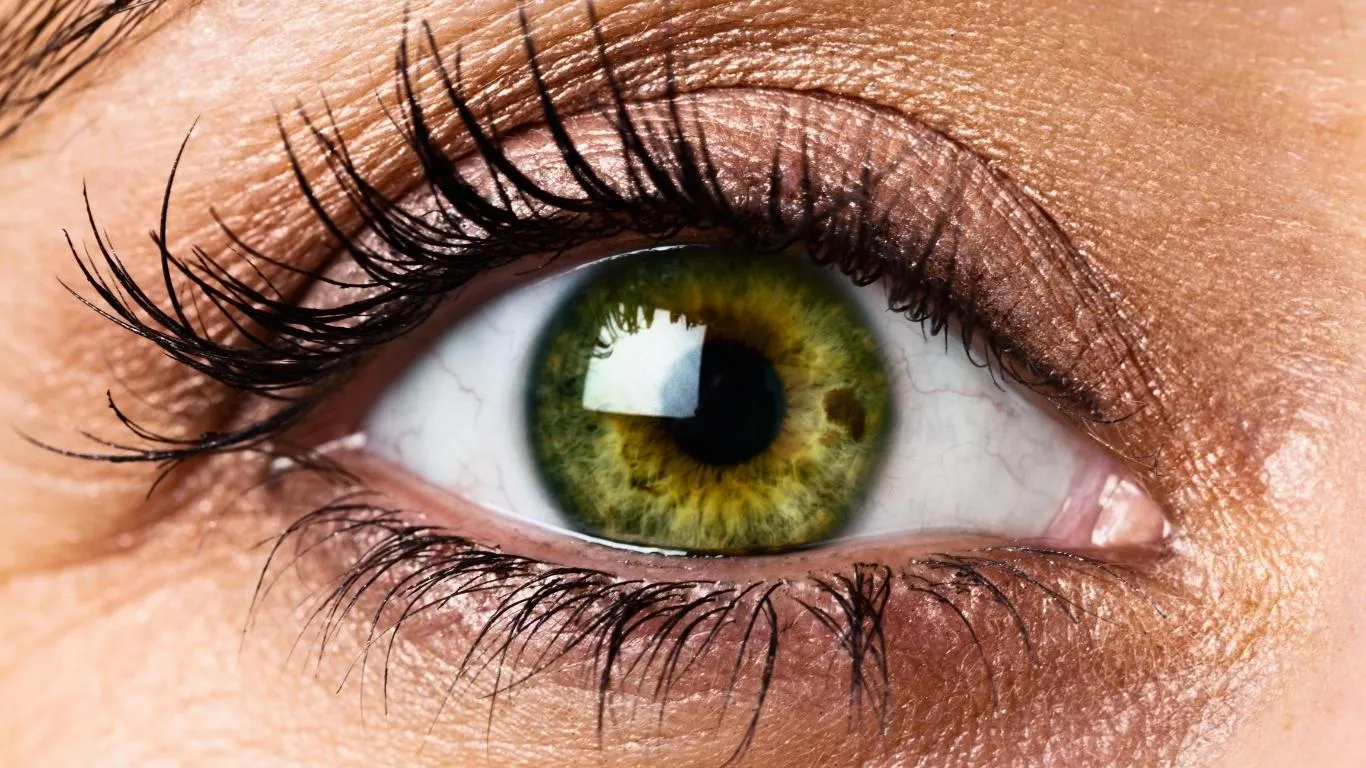
If you’ve experienced this, you’re not alone. I remember my first Tibetan bowl session — eyes closed, mind relaxed, but these little specs danced across my vision every time I surrendered into stillness. At first, I thought it was just my mind playing tricks. Turns out, there’s more to it than that.
Floaters are tiny clumps or strands of protein and collagen inside the vitreous — the gel-like substance that fills the back of our eye. They cast shadows on the retina, and that’s what we actually “see” as floaters.
Stillness Makes Them Stand Out
When we’re relaxed, especially in dim environments or with our eyes closed (which is common in sound healing therapy), our brains are no longer overloaded with visual input. So any minor shadows — like floaters — become glaringly obvious.
Sound Frequencies and Vibrational Movement
Some experts speculate that low-frequency sound vibrations — the kind used in gongs, bowls, or tuning forks — may subtly disturb the eye’s vitreous gel. Not in a dangerous way, but just enough to make existing floaters move more or appear more vivid. There’s no clinical proof yet, but the connection makes intuitive sense.
- Sound waves pass through tissues
- Vibrational shifts might disturb vitreous movement
- Relaxation enhances floaters’ visibility
What I Noticed During My Sessions
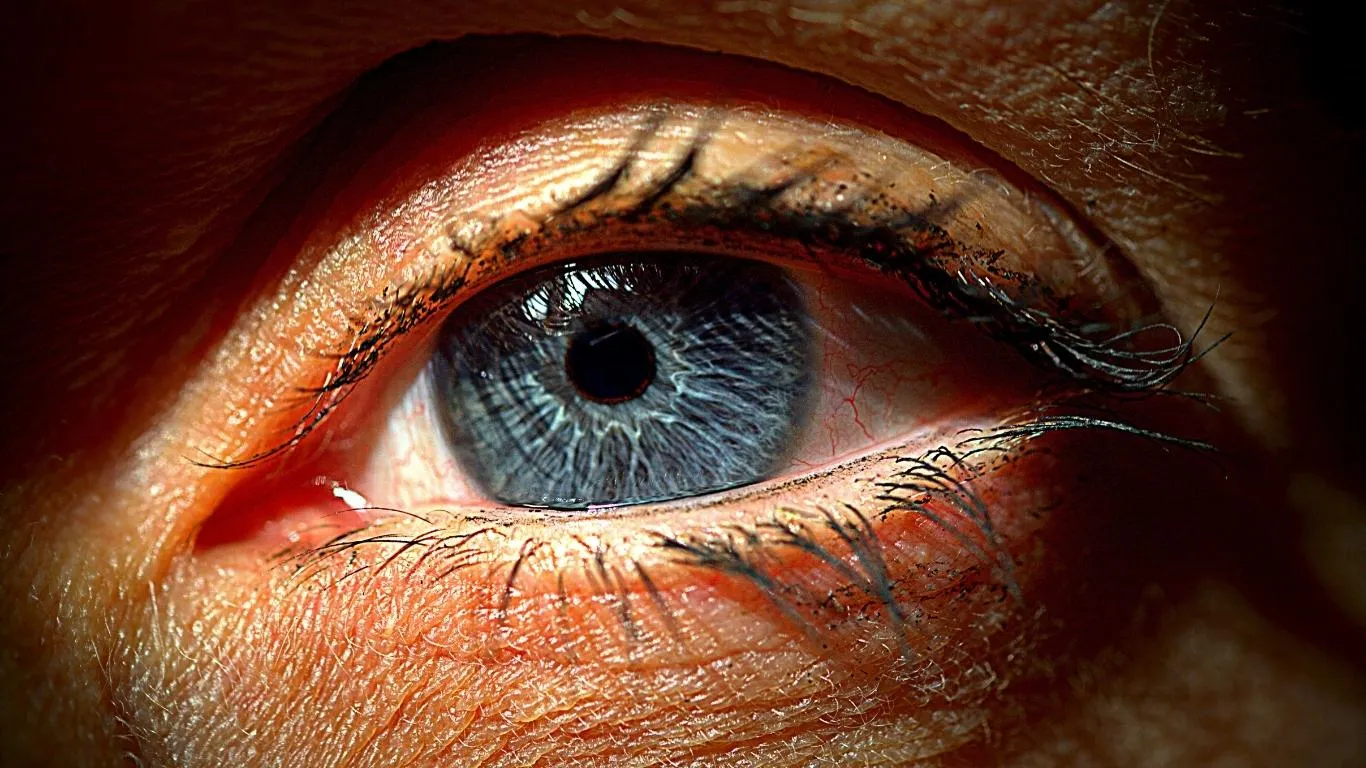
Not gonna lie — it was kind of a buzzkill the first few times. I kept wondering if something was wrong with my eyes. But when I asked others in my group, turns out a few had the same experience. One friend joked it felt like her floaters were dancing to the sound bath frequencies. Another mentioned hers got “louder” — more distracting — during gongs but faded away after.
This curious timing of floaters often showing up during or after these sessions actually makes sense when you connect the dots between relaxation, sensory withdrawal, and internal awareness. It’s not that the sound therapy causes floaters — it’s that it strips away distractions, revealing what’s already floating there.
When It Might Be a Sign to Check In With Your Eye Doctor
In most cases, floaters are harmless. But when they appear suddenly or increase dramatically — especially with flashes of light or vision loss — that’s a red flag. It could be something more serious like a retinal tear or detachment.
If your floaters are:
- Sudden in onset
- Paired with flashing lights
- Obscuring your vision
…you should see an ophthalmologist ASAP. These aren’t just annoying specs — they might be your eye’s way of asking for help.
Is There a Link Between Healing Modalities and Eye Changes?

Some research suggests that meditative practices like sound therapy can heighten body awareness, sometimes uncovering subtle symptoms we usually ignore. That includes eye floaters. If you’re more in tune with your internal state, chances are you’ll notice things — like floaters — that your distracted, screen-watching self might overlook.
Interestingly, similar floaters tend to appear after meditation or silence sessions too. So this might not be unique to sound therapy — it’s the stillness itself that’s shining a spotlight on your visual field.
How to Stay Grounded If Floaters Distract You
If you’re someone who gets pulled out of your healing zone by these tiny distractions, here are a few gentle tips that worked for me (and a few others in my healing circle):
- Eyes open slightly: A gentle gaze downward can help keep floaters less noticeable without breaking your meditative flow.
- Adjust the light: Very dim red-toned ambient light during a session seems to make floaters less annoying than total darkness.
- Hydrate well: Dehydration can worsen floater visibility. A tip I found very helpful after a dry, heated session.
- Use mindful acceptance: The more I tried to “fight” them, the more present they became. Just acknowledging and letting them pass made a big difference.
Are Floaters Becoming More Common in Alternative Healing Communities?
I’ve had countless chats in yoga workshops, breathwork retreats, and yes — sound healing circles — where floaters came up. Turns out, they’re incredibly common in folks who do regular inner work. Some even notice more of them after emotional trauma release or deep crying meditations. It makes you wonder if our inner visual space is just as dynamic as our emotional one.
While there’s still limited formal research, the anecdotal overlap is hard to ignore. Perhaps it’s time we normalize the conversation, especially in wellness circles, where body awareness is heightened.
For more clinical understanding of floaters, their causes, and when to seek help, I recommend checking out this complete breakdown on what eye floaters are and how to manage them.
And if you’re looking to compare floaters with other eye symptoms that might show up during meditative or sensory practices, this guide on eye floaters vs. other eye issues gives some great clarity.
When Sound Healing Triggers Anxiety About Floaters
Here’s something I didn’t expect: during one sound healing session, I actually started feeling uneasy — not from the sound, but from the fact that my floaters were so prominent. I started questioning, “Am I okay?” “Is this normal?” My brain spiraled a bit. And ironically, that internal stress seemed to make the floaters even more visible.
I later discovered that it’s quite common. As your nervous system starts unwinding during a deep sound journey, the sudden rise of something unfamiliar — like intrusive floaters — can momentarily trigger discomfort or mild anxiety. This happens especially to people new to sound therapy or those experiencing a recent emotional upheaval.
The Mind-Eye Connection
Floaters aren’t just about the physical eye — your perception of them is tightly linked to your mental state. When you’re relaxed and in flow, you barely notice them. But the moment you shift into worry, they become center stage. This connection between anxiety and visual awareness has been explored in neuro-optometric discussions, though more data is still needed.
What Helped Me Shift That Anxiety
- Anchoring with breath: Deep, slow breaths helped me stay grounded and stop obsessing over the visuals.
- Focusing on the sound: Instead of “watching” the floaters, I tuned deeper into the layers of sound — noticing each tone as it came and went.
- Reframing the experience: I reminded myself it wasn’t a threat — it was my body, relaxing and revealing what’s already there.
Can Floaters Be Improved With Sound Therapy Long-Term?
This is the big question a lot of us are asking: can sound healing actually help reduce floaters?
From what I’ve researched (and tried personally), there’s no direct evidence that sound frequencies dissolve floaters. But — and this is important — the practice can influence how we perceive them. That’s a big deal. For many people, floaters are distressing not because of what they are, but because of how they’re experienced.
Through regular sound baths, breathwork, and mindfulness, I noticed my relationship with them changed. They stopped feeling like invaders. More like background noise. Like passing clouds. And as odd as it sounds, that mental shift made them feel smaller and less intrusive.
Some practitioners also combine sound with nutrition and lifestyle changes. I found useful insight in this read on floaters-supporting supplements — worth exploring if you’re going the holistic route.
Why You Might Notice Floaters More After a “Good” Session
Ironically, some of my most profound sessions — the ones where I really “let go” — were followed by heightened floater awareness. It’s like the release of tension made my whole sensory field more sensitive, and my visual system picked up on everything, including the floaters.
This doesn’t mean something is wrong. It’s just your perception becoming temporarily heightened. It’s also why people sometimes report floaters after deep rest, naps, or morning light exposure.
Some floaters might also become more active after sessions involving vibration, heat, or deep breathing — which could subtly shift the vitreous fluid in the eye. Again, not dangerous. Just… noticeable.
Practical Floaters-Friendly Adjustments for Your Next Session
Here are a few tweaks I tried that helped make future sessions way more comfortable when my floaters were acting up:
- Positioning: Lying slightly on one side minimized the way floaters floated across my central vision.
- Eye mask with perforated light: Instead of pitch dark, try a mask with faint light leakage. Total darkness made floaters pop more for me.
- Hydration pre-session: Seriously underrated. Every time I was well-hydrated, floaters seemed calmer.
- Sound placement: If the source of the sound was too close to my head, it made everything feel more intense. A bit of distance created more ease.
Also, avoid comparing your experience with others. Some people never notice floaters. Others, like me, have a whole visual fireworks show. It’s okay either way.
Should You Stop Sound Therapy If You Notice Floaters?
Absolutely not — unless advised otherwise by a medical professional. Sound therapy is incredibly healing for many reasons: stress reduction, emotional processing, nervous system regulation. The presence of floaters doesn’t cancel those benefits. If anything, this could be an invitation to get more curious about your internal visual field.
And if you’re unsure whether what you’re seeing is “just floaters,” consider reading this comparison on eye floaters vs. similar visual disturbances. It’s helped me differentiate floaters from things like visual migraines or auras — which can show up in sound therapy too.
If floaters truly begin disrupting your daily life or your meditation practice, there are medical options — but start by getting clarity on what’s actually happening inside your eyes. Here’s a foundational overview from the main eye floaters guide that breaks it all down clinically, yet accessibly.
Closing Thoughts: Your Healing Journey Doesn’t End with Floaters
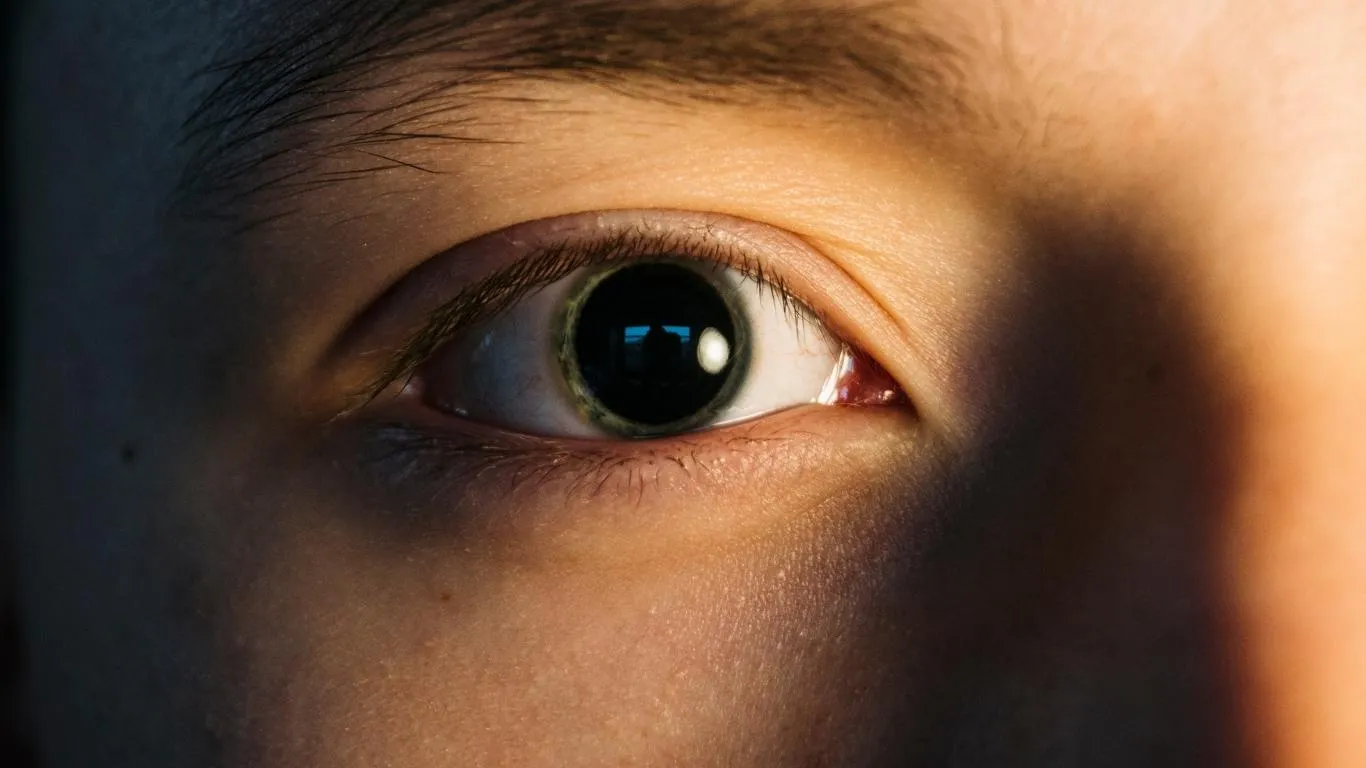
Sound healing, in many ways, opens a doorway into self-awareness — not just spiritually, but physically. And floaters? They’re just part of that picture. Sometimes literal. Sometimes symbolic. I’ve learned to greet them, observe them, and let them drift by, much like thoughts in meditation.
Whether you’re deep in a gong bath, floating in the frequencies of a crystal harp, or simply lying in stillness with your own breath — floaters don’t have to interrupt your flow. They might just be a reminder: even in the quiet, your body is speaking.
And that’s something worth listening to.

Camellia Wulansari is a dedicated Medical Assistant at a local clinic and a passionate health writer at Healthusias.com. With years of hands-on experience in patient care and a deep interest in preventive medicine, she bridges the gap between clinical knowledge and accessible health information. Camellia specializes in writing about digestive health, chronic conditions like GERD and hypertension, respiratory issues, and autoimmune diseases, aiming to empower readers with practical, easy-to-understand insights. When she’s not assisting patients or writing, you’ll find her enjoying quiet mornings with coffee and a medical journal in hand—or jamming to her favorite metal band, Lamb of God.