How Neck and Shoulder Stiffness Can Make Floaters Worse
There I was again—mid Zoom meeting—trying to focus while those annoying, drifting specks danced across my vision. You know, those ghost-like floaters that just show up uninvited? At first, I blamed it on my screen time or lack of sleep. But after one too many neck rubs and cracked shoulders, I started digging deeper. Turns out, neck and shoulder stiffness might not just be messing with your posture—they could be contributing to those mysterious floaters, too. Wild, right?
Can Neck and Shoulder Tension Really Cause Eye Floaters?
It might sound like a stretch—literally—but there’s a growing discussion around how neck and shoulder tightness impacts your vision. While floaters are traditionally linked to aging and vitreous degeneration, muscle tension, especially around the cervical spine, may restrict blood flow or pressure on nerves that influence how your eyes process what you see.
Connecting the Dots Between Muscle Tension and Visual Disturbances
Let’s break this down. Your neck houses crucial arteries—like the vertebral and carotid arteries—that supply blood to your brain and eyes. Prolonged stiffness from poor posture or stress can slightly compress these vessels, potentially reducing oxygenation and leading to visual anomalies. That includes—you guessed it—floaters.
Although not yet mainstream in ophthalmology, I’ve spoken to several physical therapists and one ophthalmologist who told me, off the record, that patients with chronic cervical tightness often report more frequent floaters, blurred vision, or shimmering shadows.
It’s Not Just Floaters—Other Eye Symptoms May Follow
- Occasional blurred vision
- Dry eyes from poor blinking patterns (hello, desk job!)
- Increased light sensitivity
Interestingly, in one clinical review of neck strain and floaters, the symptoms were often more noticeable during head movement or after long sessions of sitting. And personally, I’ve found mine act up right after long drives or awkward sleeping positions—classic neck tension triggers.
How Posture Plays a Bigger Role Than You Think
You’ve heard this before: “Sit up straight!” But posture isn’t just about avoiding back pain. A slouched position can lead to rounded shoulders and forward head posture, which puts strain on the trapezius, levator scapulae, and sternocleidomastoid muscles. These all influence circulation around your neck and shoulders—and by extension, your eyes.
The “Tech Neck” Epidemic
We’re all guilty of it. Looking down at phones, laptops, and even while binge-watching—your neck absorbs the pressure. Over time, this modern tech neck culture could be priming your body for chronic stiffness. And if you’re already dealing with sensitive visual responses, this could aggravate those pesky floaters.
According to National Eye Institute, although floaters are usually harmless, any new visual changes should be monitored, especially if they appear after physical strain or prolonged screen time. Sounds familiar?
Blood Flow, Eye Pressure, and Floaters
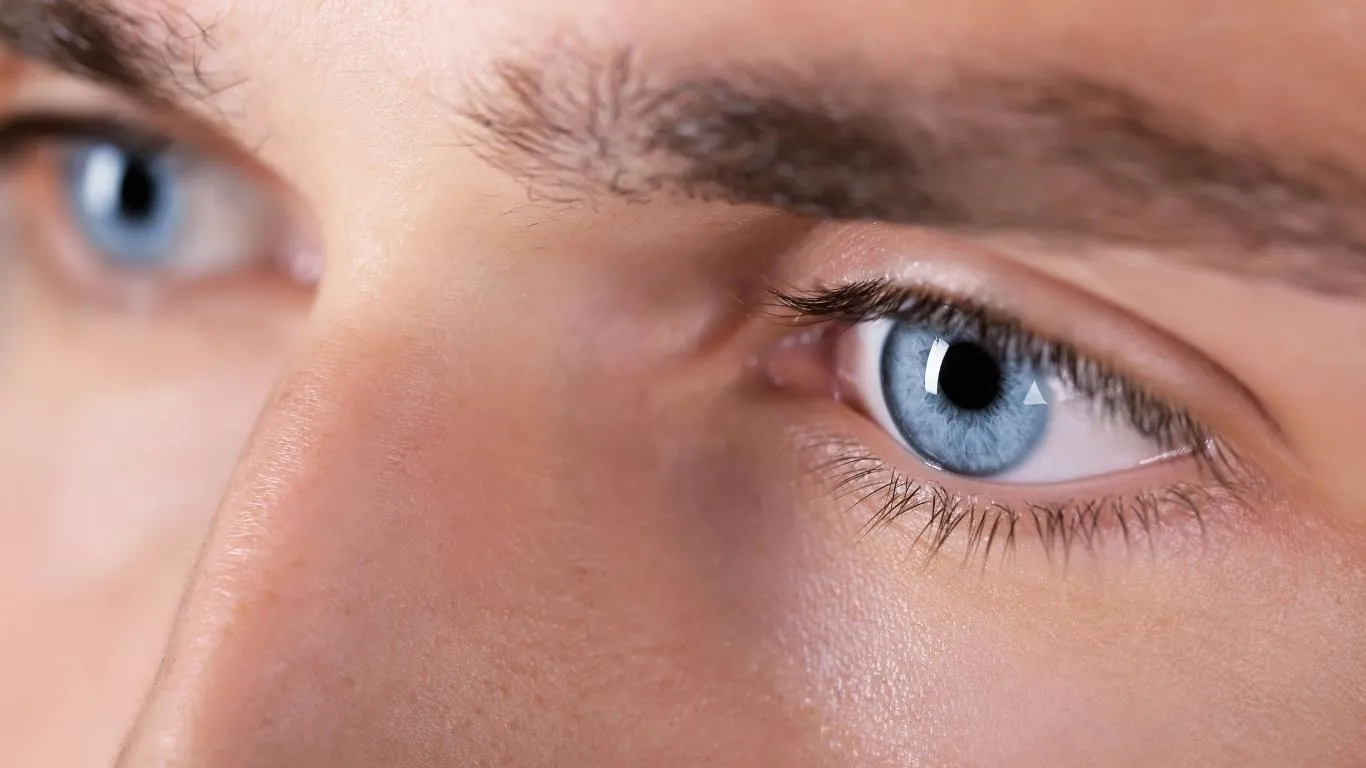
When neck muscles tighten up, they can create what’s known as myogenic compression—pressing on the blood vessels responsible for healthy blood circulation to the eyes. While this doesn’t always cause floaters, it might create enough pressure to trigger symptoms that feel very similar.
Notably, some experts believe that poor circulation around the occipital region—the base of the skull—can lead to mild hypoxia in the ocular nerve endings, leading to visual distortions.
Signs This Might Be You
- Floaters appear or get worse after waking up with neck stiffness
- You notice more floaters after long sessions on your phone or laptop
- Stretching your neck temporarily eases floaters
These aren’t conclusive signs, but if you’re nodding along, it’s worth paying closer attention. A related article on floaters during stress episodes also mentions muscular tension as a contributing factor. And let’s be honest, anxiety and poor posture usually go hand in hand.
How I Reduced Floaters Linked to Neck Tension
I’m not claiming I cured anything, but making a few changes dramatically helped:
- Switched to an ergonomic chair and raised my monitor to eye level
- Started doing 10-minute neck mobility drills twice daily
- Cut my screen time in the evenings
- Invested in a proper pillow—never thought that’d matter so much
Since then, not only did the floaters lessen, but I also started waking up without that stiff, compressed feeling. If you’ve never tried thoracic mobility work, do yourself a favor and check it out.
Also, a deeper dive into the differences between floaters and other vision issues really helped me know what was going on versus what needed urgent care.
When It’s Time to See a Specialist
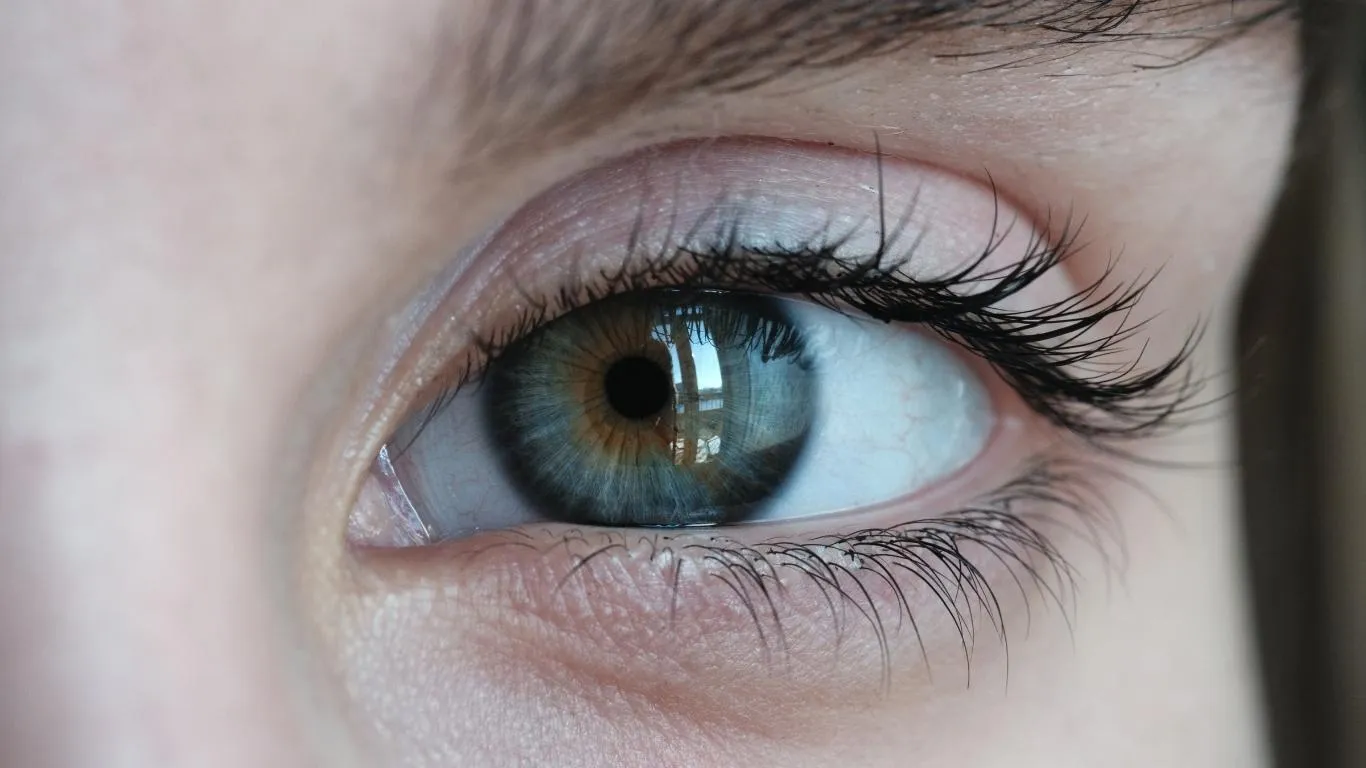
Of course, not all floaters are caused by tight necks or shoulder knots. If you experience sudden flashes, peripheral vision loss, or rapid increase in floaters, don’t delay—get in front of an ophthalmologist. There are real conditions like posterior vitreous detachment that could be more serious.
To get a broader view on what causes floaters in the first place, check out this comprehensive explainer from our main pillar guide.
Are Stress and Muscle Tension the Silent Agitators of Eye Floaters?
Here’s something I learned the hard way—stress doesn’t just live in your head. It nestles into your shoulders, stiffens your neck, and over time, may start playing tricks with your vision. During one particularly overwhelming week, my floaters spiked like never before. Coincidence? Probably not.
There’s a strong physiological link between stress, tension, and how our bodies respond. Muscle tension restricts fluid movement and increases pressure, including in areas that directly affect ocular health. Add in poor breathing patterns from stress, and you’ve got reduced oxygen flow to sensitive eye tissue. It’s a recipe for floaters to flare.
Floaters Might Be a Signal, Not the Problem
Many floaters that suddenly appear during tense periods may not stem from damage or degeneration but could be signaling circulatory or nerve-related disruption. A good example is in this deep dive on post-emotional floaters, which unpacks how emotional and physical stress can have very real effects on the eyes.
Exercises That Helped Me Loosen Up and Clear My Vision
I’ve tested dozens of stretches, posture hacks, and breathing routines, and here’s what made a difference:
- Chin tucks: Keeps the neck aligned and relieves pressure on the occipital region
- Wall angels: Improves shoulder mobility and thoracic extension
- Upper trapezius stretches: A must if you carry stress in your shoulders
- Breathwork: Inhaling through the nose and exhaling slowly activates the parasympathetic system, easing tension
After just a week or two of consistency, not only did my floaters become less frequent, but I stopped waking up with that heavy, tight neck feeling. It’s wild how connected everything really is.
Supportive Supplements and Nutrition Tweaks
Now, I’m not big on over-supplementing, but some small additions to my diet seemed to help. A few things I now swear by:
- Magnesium – for muscle relaxation and nervous system support
- Omega-3 fatty acids – promotes ocular hydration and overall eye health
- Turmeric and ginger – natural anti-inflammatories
If you’re curious about the relationship between floaters and nutrients, this guide on floater-friendly diets covers everything in detail.
Is It Time for a Professional Evaluation?
If your floaters seem stubborn and persistent—especially if they flare up after neck movement—it might be worth booking a consult not just with an eye doctor, but a physical therapist or even neurologist. Cervicogenic causes of visual disturbance are often overlooked, especially when the spine alignment is subtly off.
One helpful perspective I got from a physio was this: “Your vision isn’t isolated. It’s tied into your posture, breath, movement, and muscle function.” That alone shifted how I approached my floaters. No more tunnel vision, pun intended.
Also, if you haven’t already, it’s smart to read through this breakdown of when floaters might mean something more serious. Trust your instincts, and don’t wait if things feel off.
Prevention Tips That Make a Real Difference
While you can’t prevent every floater (some are inevitable with age), there’s plenty you can do to minimize the ones that stem from muscular and vascular tension. Here’s my short list:
- Do hourly posture checks if you sit for work
- Alternate between sitting and standing every 30–45 minutes
- Use a cervical pillow that supports natural neck curvature
- Stretch your neck and shoulders before bed
- Lower caffeine and alcohol—both affect vascular tension
If you want to dig into how posture and ergonomics play a role in floater intensity, check out this full analysis from our injury-linked floaters article.
Takeaway: Start With the Neck—Your Eyes Will Thank You
For the longest time, I thought I’d just have to “live with floaters.” But once I realized how interconnected posture, muscle tension, and blood flow are with eye clarity, everything changed. There’s no magic pill, but with the right habits and awareness, you can absolutely reduce the frequency—and distraction—of floaters linked to neck and shoulder stiffness.
Want a broader look at floaters from all causes—injuries, inflammation, natural aging? Don’t miss our full guide on common causes of eye floaters.
And if you’re new to this topic and want the big picture, our core explainer on what eye floaters really are is the place to start.

Camellia Wulansari is a dedicated Medical Assistant at a local clinic and a passionate health writer at Healthusias.com. With years of hands-on experience in patient care and a deep interest in preventive medicine, she bridges the gap between clinical knowledge and accessible health information. Camellia specializes in writing about digestive health, chronic conditions like GERD and hypertension, respiratory issues, and autoimmune diseases, aiming to empower readers with practical, easy-to-understand insights. When she’s not assisting patients or writing, you’ll find her enjoying quiet mornings with coffee and a medical journal in hand—or jamming to her favorite metal band, Lamb of God.