Why Floaters in Athletes With Head Trauma Deserve Urgent Attention
If you’re an athlete, chances are you’ve taken a few hits—maybe a header in soccer, a rough tackle in football, or even an accidental elbow during a basketball game. But here’s something that might surprise you: some of those impacts can leave behind more than just bruises. A while back after a Judo sparring session, I started noticing weird little specks and squiggly lines floating across my vision. I blinked. Rubbed my eyes. Looked away. Still there. Turns out, I wasn’t just seeing things—those were eye floaters, and they were triggered by head trauma.
What Exactly Are Eye Floaters, and Why Do Athletes Notice Them More?
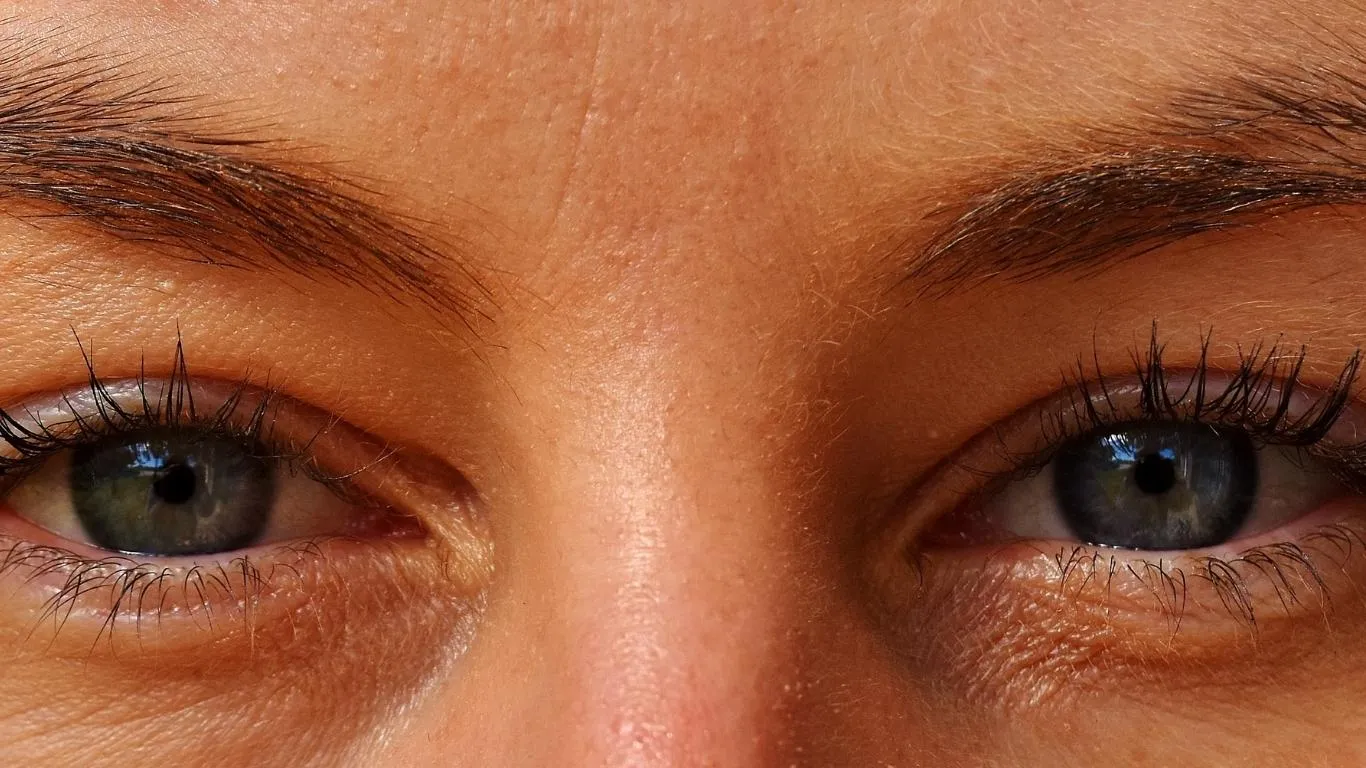
Floaters are tiny specks or cobweb-like shapes that drift across your field of vision. They’re actually little clumps of collagen or cells in the vitreous—the gel-like substance that fills your eyeball. Normally, they’re harmless. But when they show up suddenly after a blow to the head, that’s when things get tricky.
From my own experience, it felt like my eye had a shadow that refused to go away. It wasn’t painful, but it was annoying—and a little scary, to be honest. A quick visit to the eye doctor confirmed what I suspected: the floaters were from minor trauma, not an internal eye disease, thankfully. But it could have been worse.
Why Are Athletes at Higher Risk?
- Contact Sports: Football, rugby, MMA—these all come with high risk of blunt trauma.
- Rapid Movement: Sudden shifts in pressure during intense physical activity can agitate the vitreous body.
- Increased Exposure: Multiple small impacts over time can build up, even if they don’t cause obvious injuries.
Sometimes, floaters are the first sign of a more serious condition brewing. That’s especially true when you’ve taken a hit to the head and the floaters come on suddenly. There’s actually a whole breakdown on floaters after sports eye injuries here that goes into recovery tips and when to be concerned.
Could a Head Injury Actually Cause Long-Term Eye Damage?
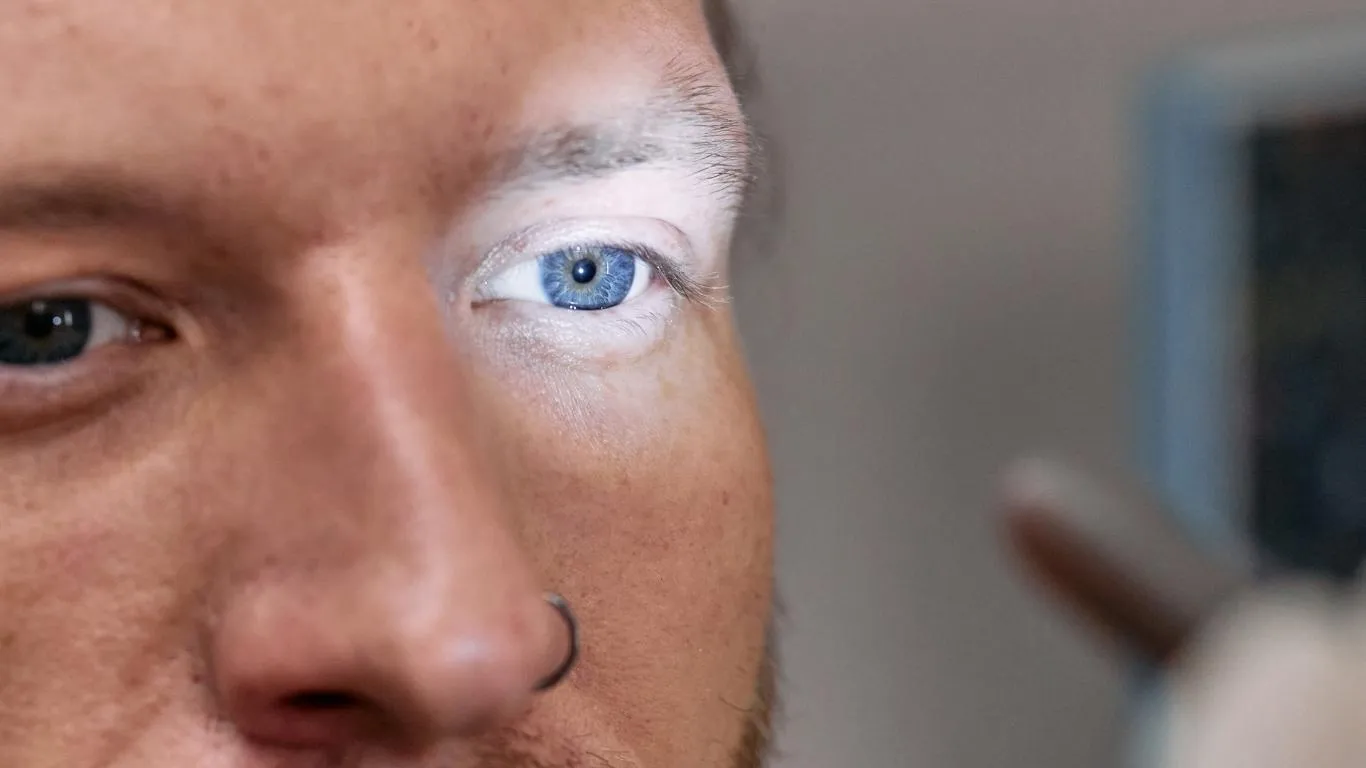
Short answer: yes, and I don’t say that lightly. A blow to the head can sometimes cause the vitreous to pull away from the retina—a condition called posterior vitreous detachment (PVD). This often brings on a flurry of floaters all at once. In rare cases, it can lead to a retinal tear or detachment, which requires immediate medical treatment.
For me, the floaters eventually faded with time, but not before I panicked and read every article I could find. If floaters come with flashes of light, peripheral vision loss, or a curtain-like shadow, that’s a red flag. A comprehensive retinal exam is a must.
Even if you’re not sure whether your floaters came from trauma, it’s worth looking at other potential triggers. One article that really opened my eyes (pun intended) was this one discussing how even mild head injuries can cause floaters.
When Should Athletes Be Worried About Eye Floaters?
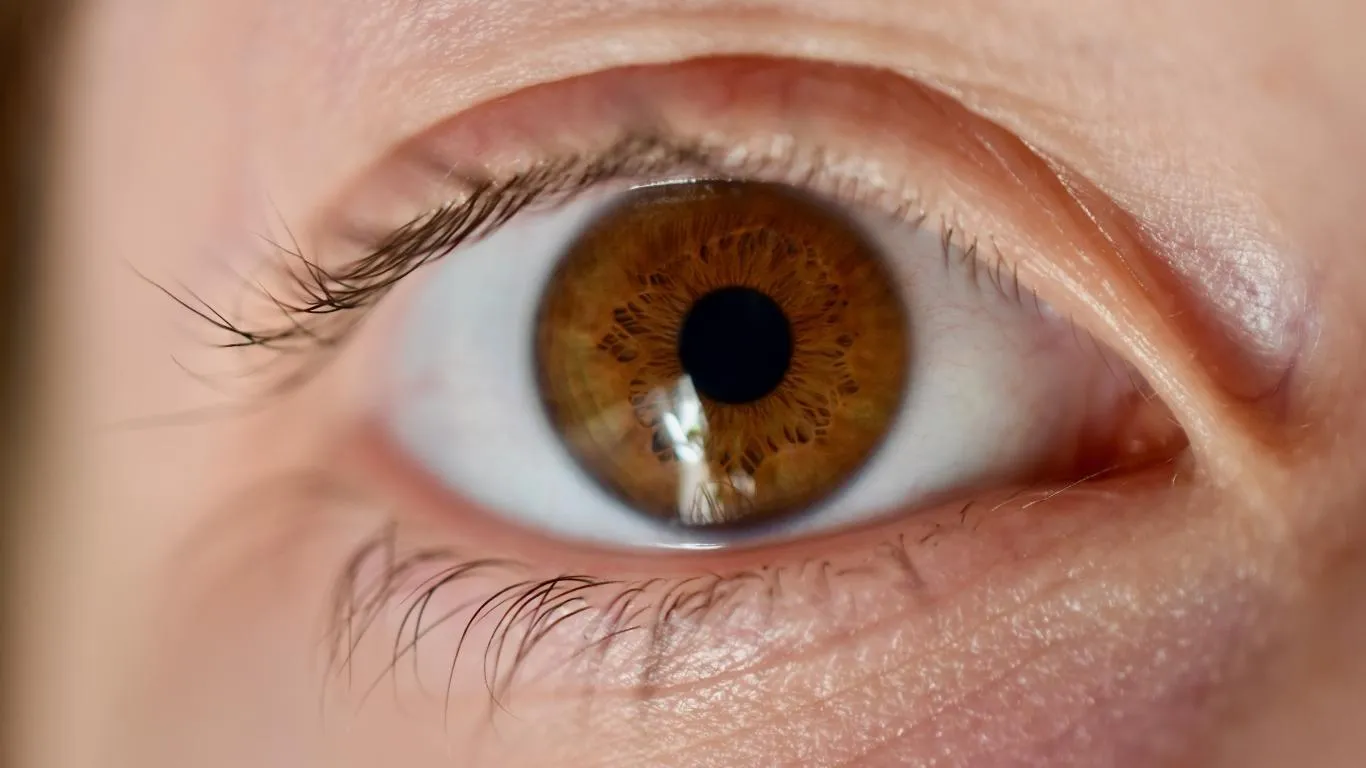
Let me be blunt—if you’re noticing new floaters right after a game, practice, or a fall, don’t ignore it. Sure, it could be harmless. But it could also be a sign of deeper damage.
- Sudden onset floaters after trauma? Get checked.
- Floaters + flashing lights? That’s urgent.
- Dark shadow or “curtain” over vision? Go to the ER. Now.
According to American Academy of Ophthalmology, any change in vision post-trauma should be evaluated—even if it seems minor. I was lucky mine cleared up, but the doctor warned me: next time, it might not.
Best Practices for Athletes Experiencing Floaters
- Rest Your Eyes: Sounds simple, but avoiding screens and bright light really helps.
- Protective Gear: Use sports-specific goggles or helmets. Prevention matters.
- Hydration & Diet: Dehydration might not cause floaters directly, but it can exacerbate symptoms. Check out this great read on the link between dehydration and floaters.
- Monitor Vision Daily: I started using a simple notebook to track changes. It sounds tedious, but it helped catch patterns I’d otherwise ignore.
How to Differentiate Floaters From Other Eye Problems
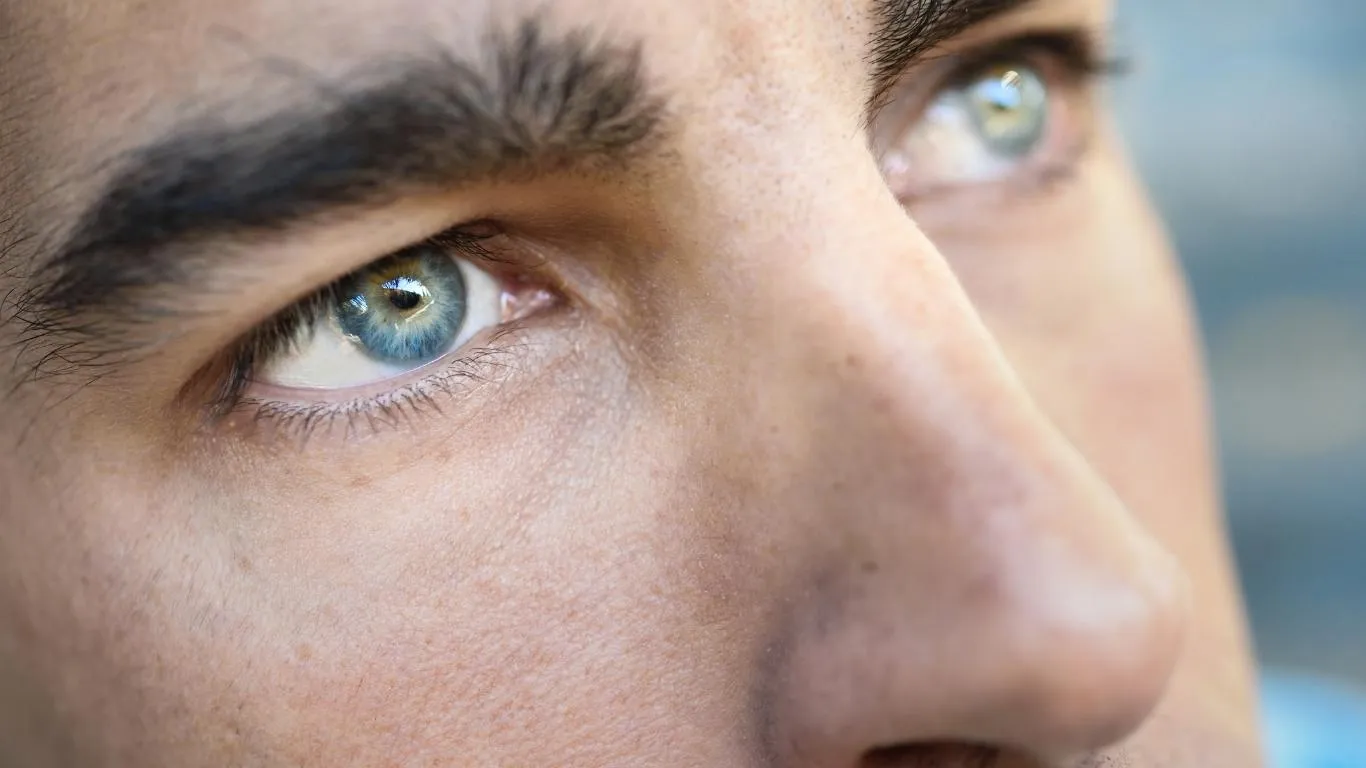
When I first got floaters, I honestly thought it was a scratch on my cornea. Or maybe even a migraine aura. Floaters can be confusing, especially for athletes constantly exposed to bright lights, fast movement, and occasional hits to the face.
If you’re not sure what you’re seeing, this handy guide compares floaters to other common eye issues. It helps differentiate floaters from symptoms of more serious visual disturbances, which is crucial post-trauma.
Trusted Info and Where to Learn More
Eye floaters aren’t just some quirky optical illusion. Especially when they follow a head injury, they deserve attention. I’ve since learned that eye floaters can be connected to everything from migraines to autoimmune conditions, and even certain medications.
If you want to explore the full background on floaters—their causes, treatment options, and when to act—I highly recommend checking out this main guide on floaters and the pillar article on common causes of eye floaters. Both go into more detail and give you a bigger picture beyond just sports-related injuries.
Effective Recovery Strategies After Eye Floaters from Head Trauma

If you’ve had floaters from a sports injury or head impact, you’re probably wondering: “What now?” Been there. For me, the recovery wasn’t about dramatic treatments—it was consistency with small changes that made the difference. Healing takes patience, and understanding what supports eye health is half the battle.
Floaters don’t always go away completely, but with the right approach, they can become less noticeable—and more importantly, you can prevent them from getting worse.
See an Eye Specialist, Always
First up—don’t skip the eye appointment. I went in thinking I was overreacting, and my ophthalmologist told me that waiting even a week longer could’ve risked a retinal tear. These aren’t over-the-counter situations. Floaters after trauma need professional eyes—literally.
Depending on the severity, your doctor may use imaging tools to check for retinal damage or vitreous detachment. If everything looks fine but the floaters persist, you’re likely looking at monitoring over time.
Vision-Friendly Habits That Actually Help
- Hydrate like a pro: It’s basic but crucial. I noticed my floaters were more pronounced after long runs when I was dehydrated.
- Blue light reduction: I started using blue-light filter glasses, especially during screen time. I’m convinced they reduce the strain that makes floaters more obvious. Check out why that helps in this article.
- Natural lighting & breaks: I adjusted my workspace lighting and used the 20-20-20 rule—every 20 minutes, look 20 feet away for 20 seconds.
- Eye nutrition: My optometrist pointed me toward lutein-rich foods. That, plus omega-3s, made a big difference. Here’s a good piece on what to eat for healthier eyes.
When Floaters Change or Worsen: Signs You Shouldn’t Ignore
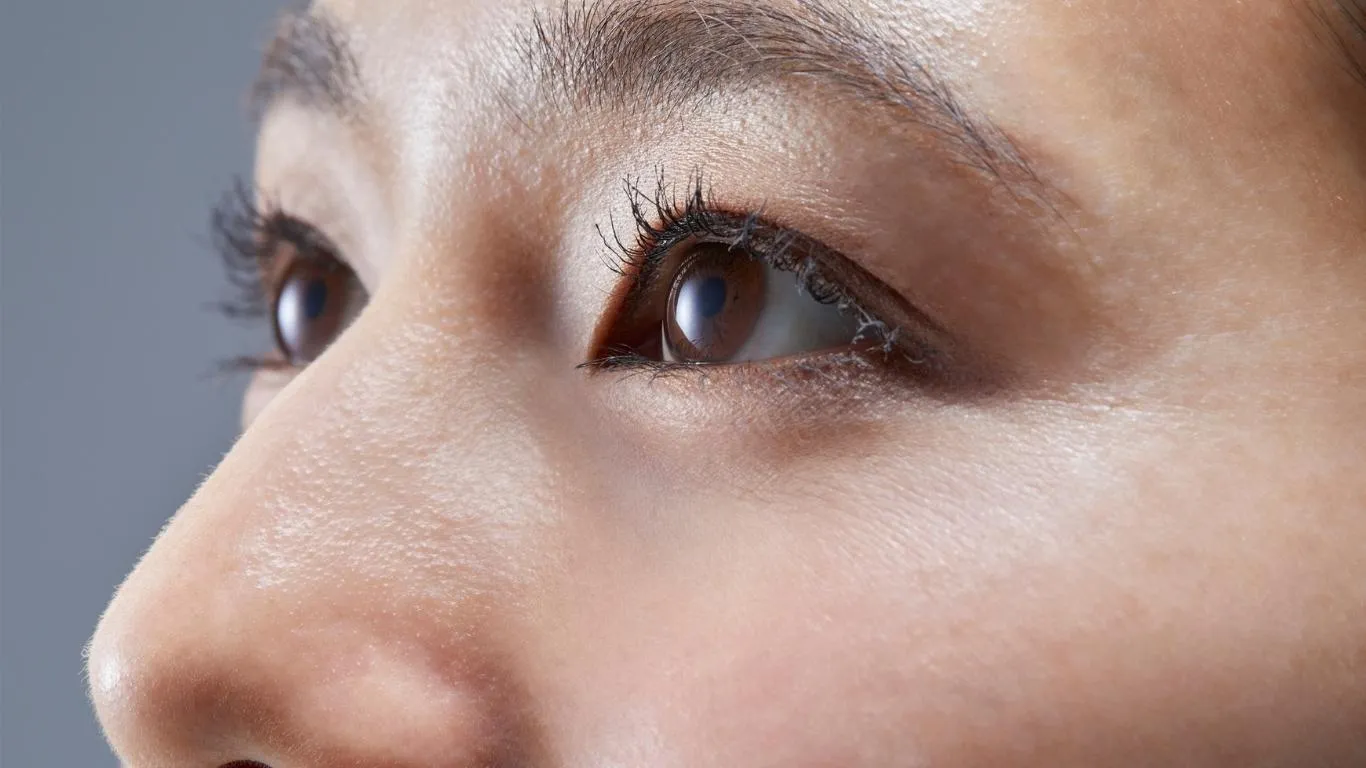
There was one morning I woke up and it seemed like the floaters multiplied overnight. It turned out to be temporary, but it was enough of a scare to remind me how quickly things can change. If you notice new floaters, flashes, or shadows, especially after physical activity, don’t wait.
According to ophthalmology research shared on ncbi.nlm.nih.gov, up to 15% of patients who report new floaters after head trauma may have underlying retinal complications. That number’s not huge—but it’s also not small enough to ignore.
Here’s what to keep an eye on:
- Flashes of light: May indicate vitreous tugging on the retina.
- Loss of side vision: Often a symptom of detachment or bleeding.
- Sudden storm of floaters: Especially if accompanied by blurred vision.
If you’re unsure, this guide about floaters with other warning symptoms can give more clarity.
Can Floaters Be Permanently Removed?
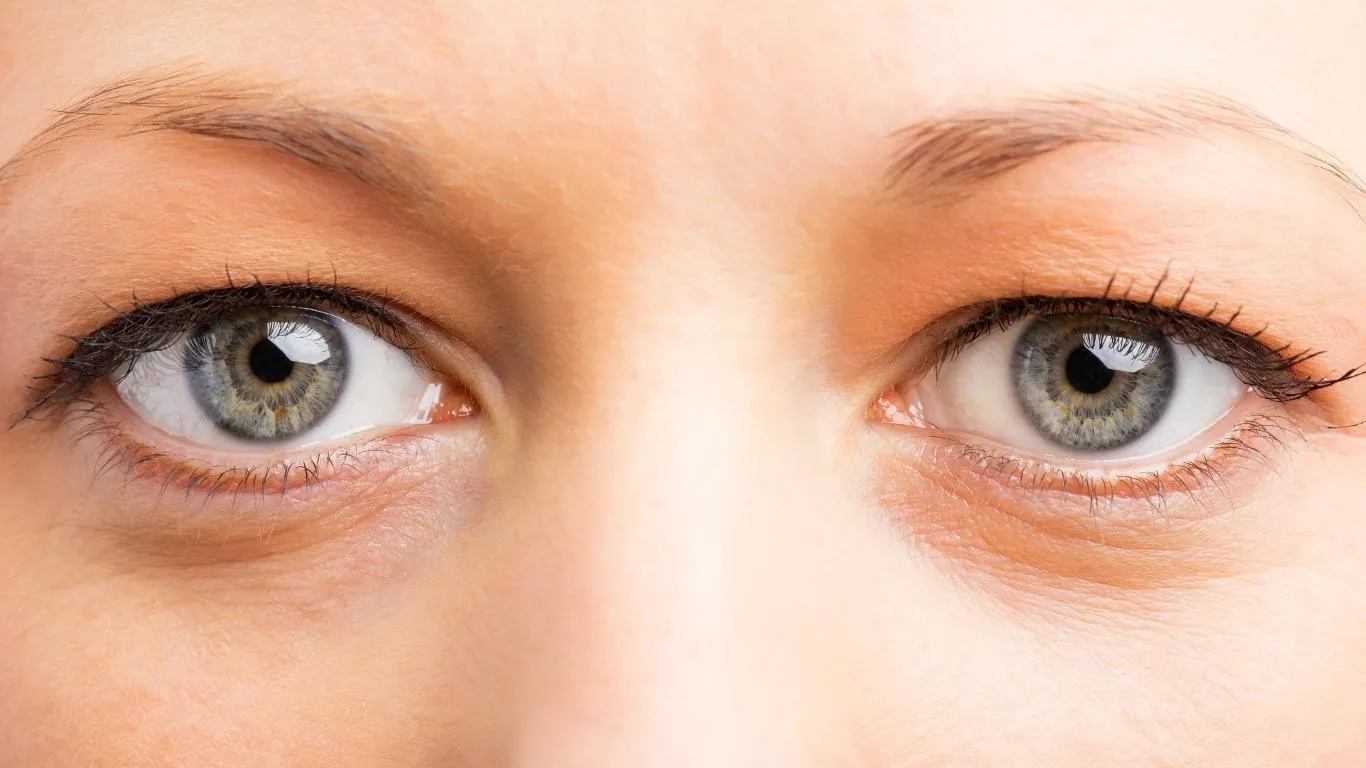
For most of us, floaters fade over time. Mine became way less intrusive after three months. But for some, they persist—and become more than just a minor annoyance. If that’s your case, there are a couple of options worth discussing with your ophthalmologist:
1. Vitrectomy
This surgical procedure removes the vitreous gel and replaces it with a saline solution. It’s effective but comes with risks—retinal detachment, cataracts, and infection, to name a few. Generally reserved for severe cases.
2. Laser Vitreolysis
A laser targets and breaks up floaters, making them less visible. It’s not for everyone, and not all floaters respond to it. Still, some athletes with persistent floaters have found relief. You can read more about the pros and cons in this article here.
Before going the invasive route, consider this: if your floaters aren’t worsening or affecting vision clarity, non-surgical management might be the better bet.
Preventing Future Floaters as an Athlete

I now wear protective headgear more consistently during high-contact sports. I used to skip it—felt bulky, restrictive, and honestly, I thought it looked goofy. But after learning how delicate the eye’s internal structure really is? Never again.
Protective Practices That Work
- Helmets with eye shields: Especially for cycling, lacrosse, or hockey.
- Proper form in combat sports: Protect your head at all times.
- Eye-friendly recovery time: Give yourself real rest after hits or injuries. Don’t jump back in the game too soon.
And here’s something that surprised me: intense coughing, sneezing, or heavy lifting can also aggravate floaters after trauma. Seriously—check out this breakdown on why floaters after coughing might matter more than you think.
What Helped Me Mentally Through the Floaters
I won’t lie—living with floaters at first made me anxious. Constantly wondering, “Is this something worse?” or “Will it ever go away?” I even started avoiding nighttime driving because they were more visible against bright headlights.
Eventually, I found ways to cope. Meditation helped. So did talking to other athletes going through the same thing. Turns out, I wasn’t alone. In fact, floaters can have a real psychological impact. This article on floaters and mental health really hit home.
Now I keep perspective: they’re annoying, yes—but manageable. And most importantly, preventable in many cases if you know what to look for and protect yourself accordingly.
Still Curious?
If you haven’t already, don’t miss the main floaters guide and this in-depth look at when floaters might signal something more serious. These resources helped me understand my eyes better—and take them a lot more seriously.

Camellia Wulansari is a dedicated Medical Assistant at a local clinic and a passionate health writer at Healthusias.com. With years of hands-on experience in patient care and a deep interest in preventive medicine, she bridges the gap between clinical knowledge and accessible health information. Camellia specializes in writing about digestive health, chronic conditions like GERD and hypertension, respiratory issues, and autoimmune diseases, aiming to empower readers with practical, easy-to-understand insights. When she’s not assisting patients or writing, you’ll find her enjoying quiet mornings with coffee and a medical journal in hand—or jamming to her favorite metal band, Lamb of God.