Why Floaters in Autoimmune Thyroid Patients Shouldn’t Be Ignored
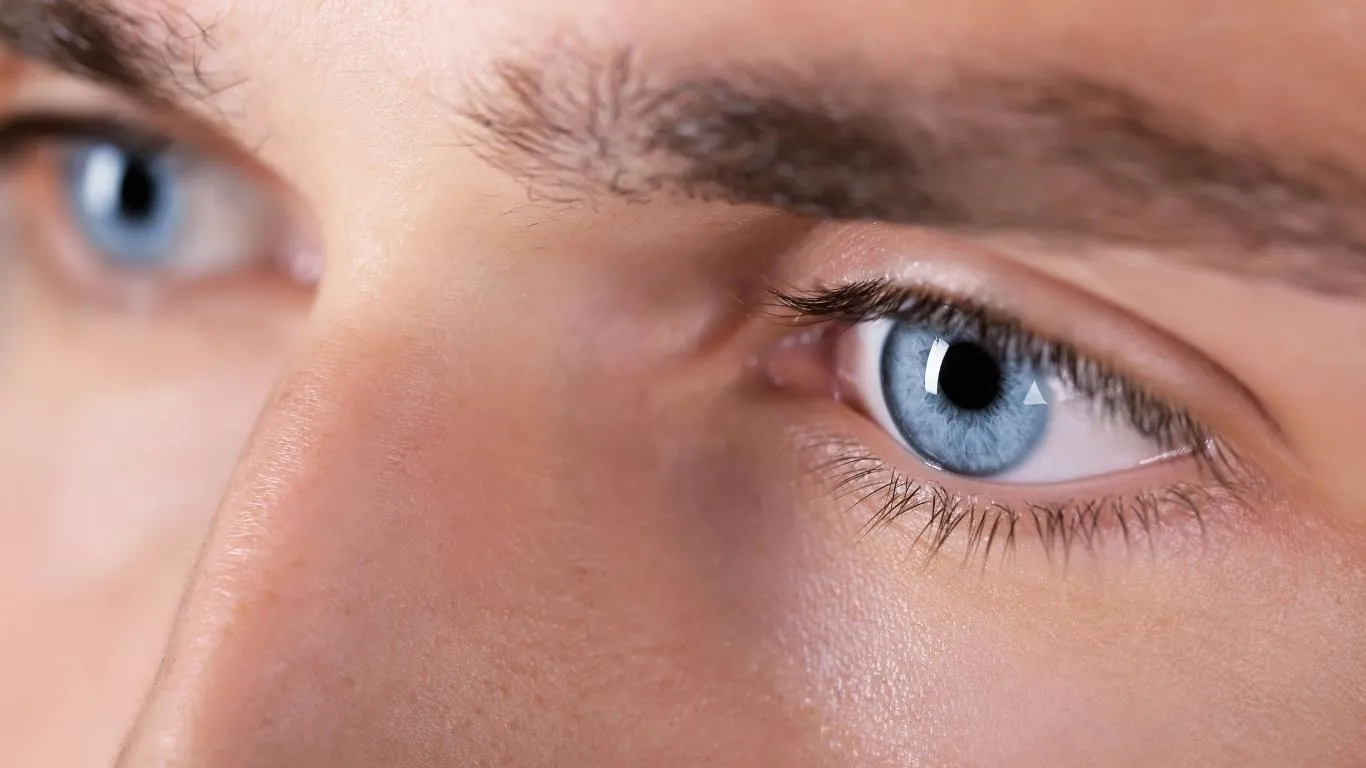
Ever noticed strange squiggly shapes drifting across your vision, especially when looking at a bright sky or a white wall? Yeah, I’ve been there. As someone with autoimmune thyroid issues, I chalked it up to another weird side effect—like the endless fatigue or the dry skin. But when these ghost-like floaters started popping up more often, I got curious, and honestly, a bit concerned. Turns out, there’s a growing conversation around floaters in patients with autoimmune thyroid conditions, and it’s more than just annoying—it could be your body waving a red flag.
Why Floaters Show Up When You Have Autoimmune Thyroid
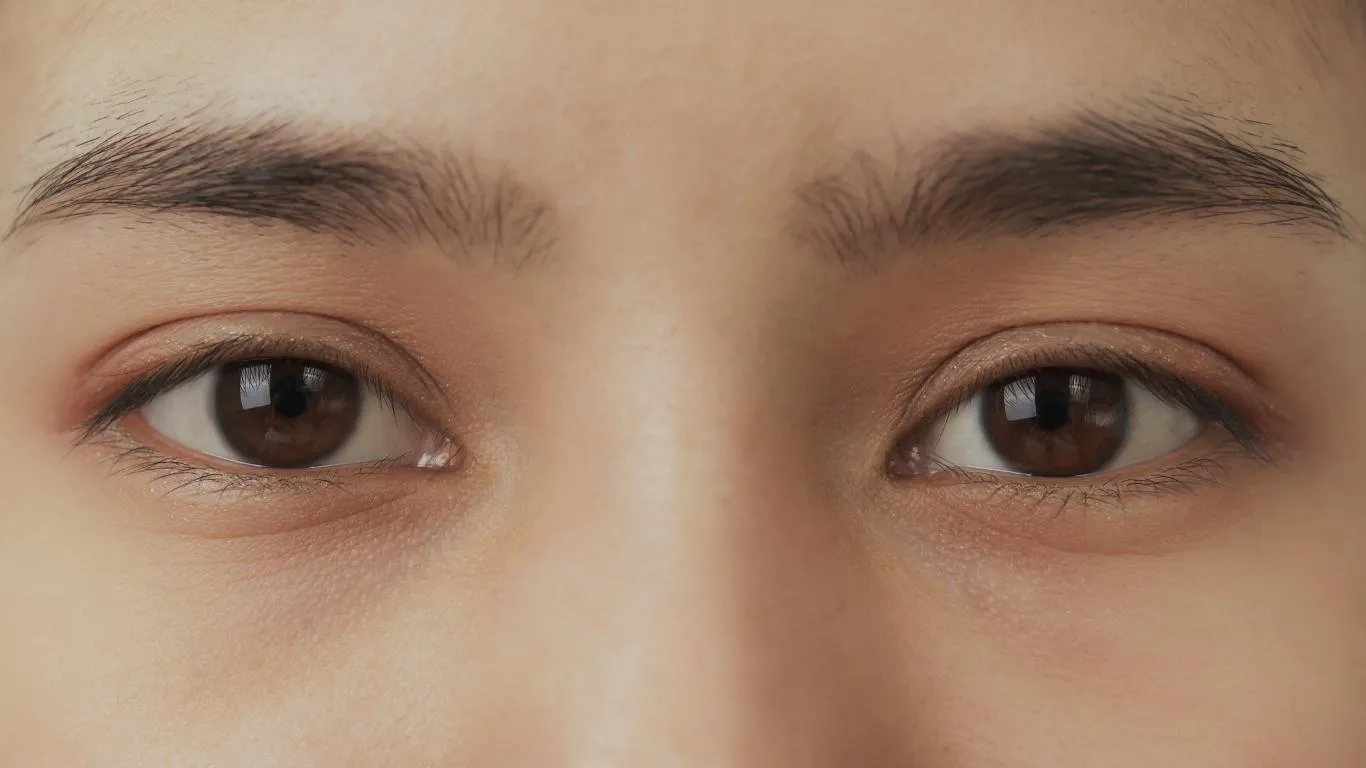
Let’s break it down. If you have something like Hashimoto’s or Graves’ disease, your immune system’s basically in overdrive. It’s busy attacking your thyroid, but sometimes it doesn’t stop there. One lesser-known impact? Your eyes—more specifically, the vitreous gel inside them. When inflammation spreads or when there’s a mismatch in hormone levels (hello, T3 and T4 chaos), it can trigger the breakdown of collagen fibers in your eyes.
That’s when floaters show up—tiny clumps of protein casting shadows on your retina. The result? Strange lines, dots, or cobweb-like shapes that seem to move when you try to look directly at them.
What I Started Noticing
Mine started small—like one or two floaters just floating by in the morning light. But then, on days when my thyroid levels were off or I was super inflamed, it was like a whole swarm had moved in. Not painful, just annoying. And sometimes, they made me feel like I was losing control of my body even more than I already did with thyroid flare-ups.
Is This Common for Thyroid Patients?
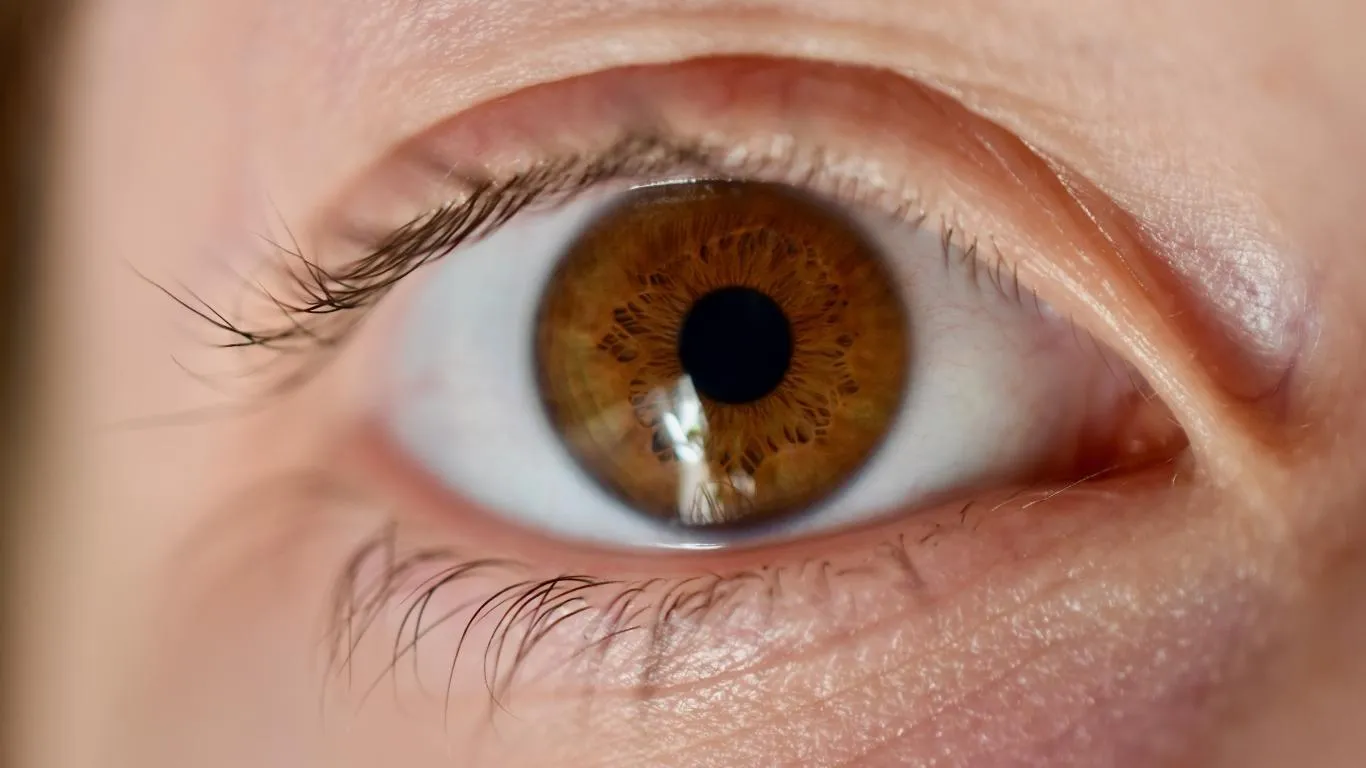
You’re not imagining it. While not every endocrinologist brings it up, recent findings suggest that floaters do show up more frequently in thyroid patients—especially those with autoimmune involvement. Here’s why it makes sense:
- Chronic inflammation—which is pretty standard in autoimmune diseases—can degrade the vitreous gel in the eyes.
- Thyroid hormone imbalance impacts circulation and fluid balance, which can speed up the degeneration of the vitreous.
- Some meds—especially steroids or long-term hormone therapy—may contribute to floater formation.
According to a study on the American Academy of Ophthalmology’s site (https://aao.org), inflammatory conditions like uveitis (which often shows up in autoimmune patients) are directly linked to vitreous opacities—what we call floaters.
So When Should You Worry?
Here’s where it gets serious. Most floaters are benign and annoying—but harmless. But if you suddenly see a lot more floaters, especially with light flashes or peripheral vision loss, that could signal something like a retinal tear or detachment. And guess what? Autoimmune patients are slightly more at risk for conditions like posterior vitreous detachment and inflammation-driven complications.
- If floaters come with pain—check it out.
- If you’ve been on steroid eye drops recently—they might be the culprit. (See: Can Steroid Eye Drops Cause Eye Floaters?)
- If floaters appear suddenly after hormone shifts—like postpartum or during menopause, it’s worth flagging to your doctor.
My personal red flag? Floaters showing up after I had a big change in my thyroid meds. It was like my body was shouting, “Hey! Something’s off!”
Is There a Direct Connection Between Thyroid and Eye Structure?
There’s still a lot we don’t know—but mounting evidence points toward autoimmune thyroid disease affecting more than just hormone levels. The orbital tissues, tear glands, and even the retina can get caught in the crossfire when the immune system is confused.
Graves’ ophthalmopathy is one extreme example where the eyes physically bulge. But even in more “mild” autoimmune cases, you might be dealing with subtle signs—like pressure changes, dryness, or floaters—that show the eye is under some form of stress.
Quick Checklist for Thyroid Patients Seeing Floaters
- Are your floaters persistent or increasing?
- Do you experience flashes of light?
- Has your thyroid medication changed recently?
- Are your inflammation markers elevated?
- Have you been diagnosed with Graves’, Hashimoto’s, or any related autoimmune conditions?
If you’re nodding along to most of those, it’s time for an eye exam. A good ophthalmologist will know to look beyond basic age-related degeneration and consider your autoimmune history.
One helpful read I found: Autoimmune Disease Floaters May Be a Hidden Threat to Your Vision. It gives a great overview of how systemic issues can manifest in the eyes—and why we shouldn’t ignore them.
What Helped Me Cope With Floaters (Spoiler: It Wasn’t Eye Drops)
Real talk: most eye drops do nothing for floaters. If someone tells you otherwise, they’re probably selling you something. What helped me?
- Hydration: Sounds basic, but I was chronically dehydrated, and it was making things worse. There’s a surprisingly useful breakdown here: Does Dehydration Make Eye Floaters Worse?
- Anti-inflammatory foods: Think turmeric, leafy greens, and omega-3s. A little nutrition tweak goes a long way.
- Blue light reduction: I installed filters on all my devices. Fewer headaches, fewer floaters. Coincidence? Maybe. Relief? Definitely.
If you’re dealing with this weird intersection of eye health and autoimmune thyroid problems, you’re not alone. It’s a frustrating, confusing ride—but understanding how it all connects gives you a little more control.
Also, if you’re digging deep into this topic, don’t skip this comprehensive guide: When Are Eye Floaters Dangerous? It walks through exactly when floaters shift from annoying to urgent.
For the full picture on causes and triggers behind eye floaters in general, check out our foundational article: What Are Eye Floaters: Causes, Symptoms, and Treatment Options. If you’re living with thyroid-related vision issues, that guide lays the groundwork to understand what’s happening behind the scenes.
When Floaters Become More Than Just an Inconvenience
Living with an autoimmune thyroid condition already means staying on high alert for all kinds of weird symptoms. But when floaters start interfering with things like reading, driving, or just navigating a bright day outside—it’s time to take them seriously. I remember trying to focus on a spreadsheet at work, and all I could see was a blur where the numbers should be. Not great when you’re supposed to look competent.
The truth? Floaters aren’t always “just floaters” in autoimmune patients. They could signal ongoing inflammation or even structural changes inside the eye. That’s especially true if you also have dry eyes (hello, Hashimoto’s) or eye pressure fluctuations (shout-out to everyone with Graves’).
Related Red Flags You Shouldn’t Ignore
- Floaters showing up after emotional stress or anxiety episodes
- New floaters paired with light sensitivity or color distortions
- Eye pain that doesn’t resolve with rest or hydration
I came across a good breakdown that hit home: Floaters After Emotional Trauma Feel So Persistent. Definitely helped me connect the dots on how stress spikes and hormone crashes might be making this worse.
Link Between Eye Inflammation and Autoimmune Thyroid Disease
One of the sneakiest things about autoimmune conditions is how far their reach can go. What starts with the thyroid doesn’t always stay there. The immune system can mistakenly target proteins in the eye, leading to something called vitritis—a fancy word for inflammation inside the eye’s vitreous gel.
And guess what? That’s one of the more direct causes of persistent floaters. It’s especially common in people who have overlapping conditions like lupus or rheumatoid arthritis along with thyroid disease. I didn’t even know about this until my ophthalmologist mentioned it—and by that point, my floaters had gotten a lot worse.
There’s a great explainer on how autoimmune activity contributes to these changes here: Troubling Floaters in Autoimmune Diseases.
Other Autoimmune Eye Symptoms to Watch For
- Blurry vision that comes and goes
- Stinging or burning (especially without visible redness)
- Increased sensitivity to wind or air conditioning
If that sounds familiar, you might not just have floaters—you might be dealing with a broader inflammatory response in the eye. That’s when teaming up with both an endocrinologist and an ophthalmologist becomes crucial.
Treatments for Floaters: What Actually Works?

Let’s get real—there’s no miracle pill to make floaters vanish overnight. But that doesn’t mean you’re stuck with them forever. Especially if they’re linked to your thyroid condition, there are a few angles worth trying:
- Stabilize your thyroid levels: This is number one. When my TSH and antibodies were out of whack, my floaters were at their worst.
- Reduce systemic inflammation: Anti-inflammatory diets, cutting out inflammatory triggers, and yes—even managing stress better, helped.
- Try targeted supplements: I saw a modest improvement with omega-3s, vitamin C, and lutein. You can read more here: Best Supplements for Floaters.
If your floaters are severe, there are medical interventions—but those come with risks. One of the more intense procedures is a vitrectomy, where the gel in your eye is replaced. It’s not usually recommended unless floaters are truly disabling. A less invasive option is laser vitreolysis, which breaks up the floaters using a special laser.
Some people with autoimmune thyroid disease may be eligible for these treatments, but always make sure your eye is inflammation-free first. Procedures during an active flare-up? Huge risk.
Lifestyle Hacks That Actually Helped Me
I’m not about gimmicks, so I’ll only mention what worked for me personally—stuff I noticed helped reduce the “floatie storm” that liked to show up mid-afternoon:
- More consistent hydration—especially in the mornings
- Short screen breaks—the 20/20/20 rule is real: every 20 minutes, look 20 feet away for 20 seconds
- Diffused lighting at home and work to reduce floaters’ visibility
- Blue light glasses—especially useful during flare-up days
Honestly, just reducing the number of times I stared at a white background all day made a difference. It didn’t cure the floaters, but they stopped being the first thing I noticed every time I blinked.
When to Push for More Testing
If your eye doctor dismisses the floaters as “normal aging” and you know your thyroid isn’t typical, advocate for yourself. Ask about scans like:
- OCT (Optical Coherence Tomography): great for picking up subtle inflammation or retinal thinning
- Ultrasound imaging: to detect deeper issues in the vitreous or retina
And if you’ve had other autoimmune eye symptoms—like dryness, pressure changes, or visual flares—mention that too. There’s a more comprehensive guide on testing and warning signs in thyroid patients here: Eye Floaters During Pregnancy: Normal?—still applies even outside of pregnancy if you’re autoimmune.
Don’t Let the Floaters Win
It’s tempting to write off floaters as another “annoying symptom” to live with. But for us thyroid warriors, they can be a clue—sometimes even a warning—that inflammation is creeping into places it shouldn’t.
If you haven’t yet, check out this highly relevant guide that digs deeper into how eye floaters develop from systemic issues like thyroid disease: Eye Floaters vs. Other Eye Problems: How to Tell the Difference. It helped me ask better questions during my last check-up.
And for the broader understanding of causes, treatments, and myths about floaters, don’t miss the main eye floaters hub here: What Are Eye Floaters?. It’s the perfect companion if you’re navigating both autoimmune thyroid symptoms and mystery floaters.

Camellia Wulansari is a dedicated Medical Assistant at a local clinic and a passionate health writer at Healthusias.com. With years of hands-on experience in patient care and a deep interest in preventive medicine, she bridges the gap between clinical knowledge and accessible health information. Camellia specializes in writing about digestive health, chronic conditions like GERD and hypertension, respiratory issues, and autoimmune diseases, aiming to empower readers with practical, easy-to-understand insights. When she’s not assisting patients or writing, you’ll find her enjoying quiet mornings with coffee and a medical journal in hand—or jamming to her favorite metal band, Lamb of God.