Why Floaters Bother People Who Don’t Wear Glasses
You ever notice those weird little floaty things drifting across your vision—like transparent squiggles, threads, or cobwebs? You try to look right at them, and they seem to dart away? Yeah, those. The first time I noticed mine was after a long hike under bright sunlight, and I wasn’t even wearing glasses. For folks who don’t wear glasses, it feels a bit unfair—like, “Come on, my vision’s already 20/20!” But here’s the thing: eye floaters don’t care whether you’re wearing glasses or not. And honestly, they’re more common than you might think.
Why Do Floaters Show Up Even If Your Vision Is Perfect?
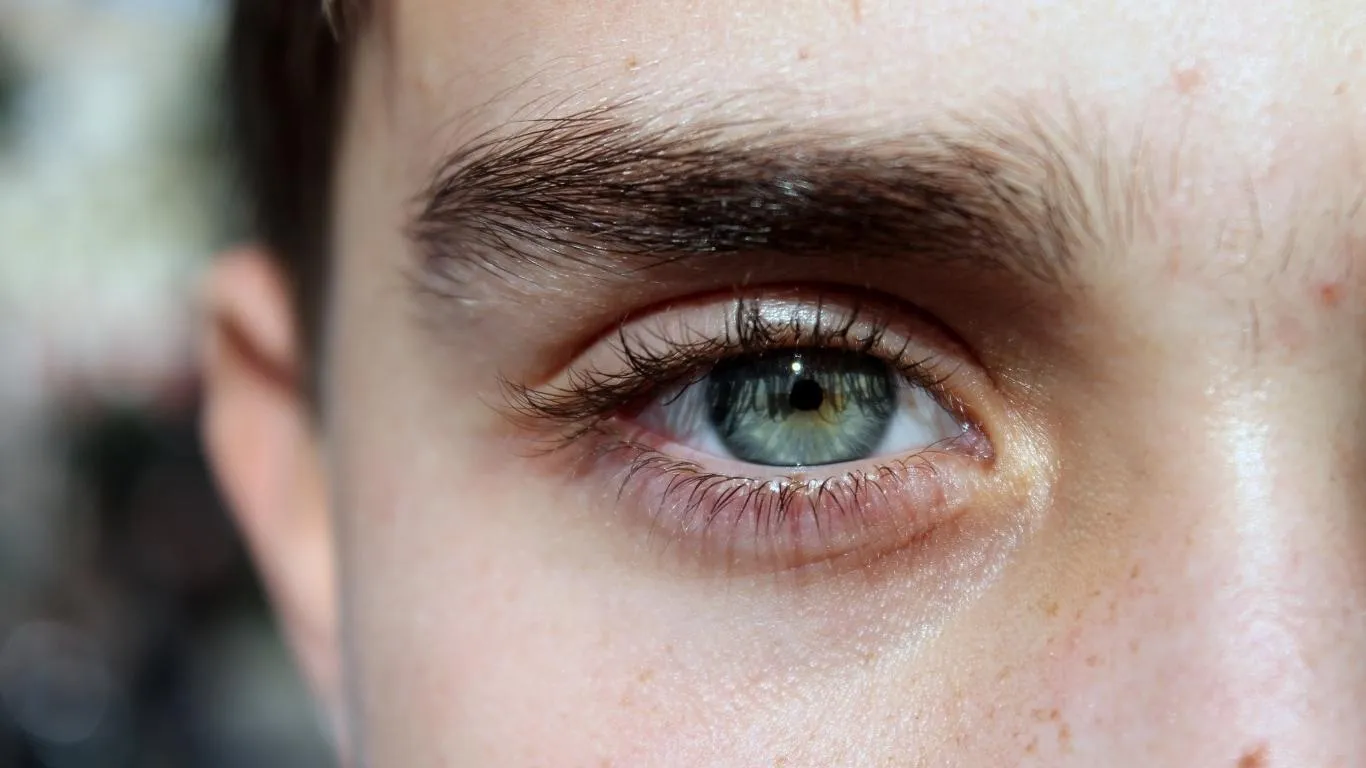
Most people assume floaters are something only older adults or people with eye prescriptions deal with. But the truth is, even those with seemingly perfect eyesight—no glasses, no contacts—can experience these drifting intruders.
Floaters are typically caused by changes in the vitreous humor—the clear gel that fills your eyeball. As it slowly shrinks or becomes more liquid with age or strain, small clumps of collagen can form. These clumps cast shadows on your retina, which is what you’re seeing.
But I Don’t Wear Glasses… So Why Me?
That was my exact question. Turns out, there are several legit reasons you can experience floaters without ever touching a pair of glasses:
- Bright sunlight exposure – I noticed mine after a sunny hike. UV rays can subtly stress your eyes over time.
- Dehydration – Low fluid intake can affect the vitreous body, making floaters more noticeable. (More on that here)
- Stress and lack of sleep – Your body reflects internal tension, and your eyes are no exception. (Check this link)
- Screen fatigue – Yep, all that scrolling might be catching up to your retinas. (Here’s how)
So no, floaters aren’t a “glasses-wearers only” club. They’re a full-spectrum annoyance that doesn’t discriminate.
Wait, Are Floaters Dangerous for Non-Glasses Users?
Let’s cut through the fear: most floaters are harmless. They’re annoying, yes, but not necessarily a red flag. However, in rare cases, they can signal something more serious—especially if they show up suddenly and in large numbers or are accompanied by flashes of light or a loss of peripheral vision.
If you’re seeing an unexpected burst of floaters out of nowhere, especially if they follow trauma or intense physical activity, you might want to read this breakdown on how floaters could indicate a retinal tear. It’s not common, but definitely worth being aware of.
Knowing What’s Normal (And What’s Not)
- Stable floaters that haven’t changed much over weeks or months? Usually no big deal.
- Sudden onset of multiple floaters, especially with flashes or curtain-like vision? See an ophthalmologist ASAP.
- Floaters in only one eye—especially if they’re new—could be more concerning. (Why it matters)
According to the American Academy of Ophthalmology, these symptoms should never be ignored, no matter how healthy your vision was before.
My Personal Floater Survival Kit
After battling my own floaters for a while (and again—never needed glasses!), here’s what’s helped me manage them without losing my mind:
- Hydration: I upped my water intake big time. It didn’t make them disappear, but they’re definitely less noticeable.
- Sunglasses: Especially polarized ones. They make a huge difference by reducing light scatter that makes floaters pop.
- Eye breaks: I follow the 20-20-20 rule when on screens: every 20 minutes, look 20 feet away for 20 seconds.
- Nutrition: I started adding more leafy greens, omega-3s, and zinc to my diet. Articles like this one helped guide me.
Of course, there’s no one-size-fits-all fix, but making lifestyle changes—especially when you don’t have underlying vision issues—can really help dial down how much these floaters bother you day-to-day.
Common Triggers to Watch for in People Without Vision Correction
If you’ve never had glasses or eye surgery, your floaters might be linked to triggers most people don’t talk about:
- Hormonal changes – This can sneak up during periods of transition like pregnancy or menopause. (Here’s what to know)
- Eye rubbing – Constant eye strain or rubbing might be contributing more than you realize. (Learn how here)
- Posture – Weird but true. Bad head positioning during sleep or phone use might actually affect floater movement. (This explains it well)
What surprised me most? Even healthy, glasses-free eyes are still vulnerable to aging effects like vitreous syneresis. That’s the slow breakdown of the eye’s inner gel that happens over time. If you’re curious about that core issue, definitely check out the main explainer at this in-depth guide and also the broader pillar on common causes.
What About Supplements and Natural Approaches?
I was skeptical about supplements at first. But after diving into research and chatting with my eye doc, I gave it a go. Certain nutrients really do support eye health—and while they won’t erase floaters, they may help prevent more from forming.
According to the National Institutes of Health, nutrients like lutein, zeaxanthin, and vitamin C have shown protective effects on eye tissues. I personally noticed fewer “flare-ups” of floaters when I started incorporating some of the suggestions from this breakdown on floater-friendly supplements.
Supplements Some Folks Swear By
- Omega-3 fatty acids – great for overall eye lubrication and health
- Lutein + Zeaxanthin – for retina and macula support
- Vitamin C + E – antioxidant defense for vitreous clarity
- Magnesium – for stress-related visual support (interesting read)
Of course, always check with a healthcare provider before starting any supplement regimen. Not all floaters are created equal, and what works for one person might not for another.
Can You Prevent Floaters If You Don’t Wear Glasses?
Prevent? That’s a strong word—but you can absolutely reduce your risk. Floaters are often a side effect of aging and internal changes, not bad vision per se. Even with 20/20 sight, your vitreous can break down over time. But smart habits can make a difference.
Easy Daily Habits That Might Help
- Use proper lighting while working or reading—reduce high contrast to ease eye stress (lighting tips here).
- Wear UV-protective sunglasses—even if your eyes don’t “need” prescription lenses, the sun doesn’t care.
- Get regular eye exams—floaters can be the first clue of something else going on.
- Keep a sleep routine—poor sleep worsens stress, which can heighten your awareness of floaters (some help here).
It’s easy to assume perfect eyesight means your eyes are healthy, but internal eye health is its own world. I’ve learned to treat my eyes the same way I treat the rest of my body—with respect and a bit of proactive effort.
What If They’re Getting Worse?
If you’re noticing more floaters over time—or they seem darker, thicker, or more distracting—it might be time to do more than just “live with it.” In my case, I started tracking them. Literally. I made notes in my phone about when I noticed them, what I’d eaten, how much sleep I got, if I was stressed, etc. That simple habit helped me link triggers.
There’s actually a great piece on how to track floater changes and what to watch for if they evolve quickly. Especially if you’re not used to dealing with vision issues, floaters can throw you off mentally too. The frustration and anxiety they bring is real—trust me, I’ve been there.
When to Talk to a Specialist (Even If You Never Needed One Before)
Just because you’ve never had vision problems doesn’t mean you should skip that appointment. I finally saw a specialist after three months of playing it cool—and it was one of the best decisions I made. The peace of mind alone was worth it.
There’s a particularly good overview on what floaters can reveal about retinal health. It’s not to scare you, but knowledge is power. Retinal holes, tears, or inflammation can show up through new floater patterns, and most folks miss the warning signs until it’s late.
Watch Out for These Red Flags
- Floaters that appear suddenly after trauma or strain
- Accompanied flashes of light
- A shadow or curtain spreading across your vision
- Loss of side vision
If any of that happens, you don’t wait. You see a retina specialist. Don’t rely on perfect past eye health to carry you through forever. I learned that the hard way.
Taking Control: You Don’t Need Glasses to Protect Your Eyes
Living with floaters when you don’t wear glasses can feel confusing—you’re not used to managing eye issues, and there’s this assumption that your vision is immune. But your internal eye health matters just as much. Whether it’s reducing blue light, improving your diet, staying hydrated, or just listening to what your body’s telling you, small things add up.
For a complete breakdown of what causes floaters in people of all ages and eye conditions, I’d suggest reading the main pillar article here. It walks through everything in more detail and helped me connect dots I didn’t even know were dots. Also, if you’re curious about what might be causing yours, this deep dive is a must-read.
Floaters aren’t exclusive to glasses wearers—and knowing how to deal with them, track them, and when to act can make all the difference.

Camellia Wulansari is a dedicated Medical Assistant at a local clinic and a passionate health writer at Healthusias.com. With years of hands-on experience in patient care and a deep interest in preventive medicine, she bridges the gap between clinical knowledge and accessible health information. Camellia specializes in writing about digestive health, chronic conditions like GERD and hypertension, respiratory issues, and autoimmune diseases, aiming to empower readers with practical, easy-to-understand insights. When she’s not assisting patients or writing, you’ll find her enjoying quiet mornings with coffee and a medical journal in hand—or jamming to her favorite metal band, Lamb of God.