Why Floaters Are More Visible in LED Lighting and What You Can Do
Ever noticed those squiggly shapes or translucent spots floating around your vision when you’re staring at a bright LED screen? You’re definitely not alone. I remember working late one night with only my desk lamp and monitor lighting the room—and suddenly, boom—those floaters were everywhere. It felt like they came out of nowhere, distracting me with every eye movement. Turns out, there’s more to this than just eye fatigue. Let’s dig into why floaters seem to become more visible when you’re under LED lighting and what it actually means for your eyes.
Why Floaters Seem Worse with LED Lighting
LED lights are all over our homes and workplaces now. They’re energy-efficient, crisp, and long-lasting—but they might not be the best friends to your eyes. Floaters, those semi-transparent threads, blobs, or dots, become especially noticeable when there’s a high contrast between what you’re looking at and the background light source.
High Contrast Makes Floaters Stand Out
When your screen is bright white or your room is lit with cool-toned LED bulbs, the clear gel inside your eye (the vitreous) acts like a projector screen. Floaters drift across this “screen,” casting small shadows on your retina. Under low, natural lighting, these shadows are less visible. But when staring at a bright LED panel or your phone in the dark, they suddenly become very obvious.
LEDs and the Flicker Factor
What many people don’t realize is that most LED lights flicker at a very fast rate—often imperceptibly. However, this flickering can subtly fatigue your visual system. Your eyes work harder to maintain clarity, and in this heightened state, floaters can become more visible. It’s like turning up the contrast and sharpness on a camera—you suddenly see things you weren’t noticing before.
My Personal Floaters + Lighting Struggle
Honestly, I used to think floaters were just a sign of being overtired. But the moment I switched to high-lumen, daylight-spectrum LED bulbs in my workspace, it was like they multiplied. I even checked this article on floaters getting worse when tired just to make sure I wasn’t imagining it.
The more I stared at spreadsheets, the worse it got. Eventually, I found out through this research on screen time and eye floaters that I wasn’t alone. People spending hours on computers, especially in dim settings with only LEDs, are more likely to notice and be bothered by floaters.
How to Tell If It’s Just Floaters—or Something Else
Floaters that are more visible in bright or LED-lit environments are usually harmless. But if they’re accompanied by light flashes or a curtain effect over your vision, you should check this out: when floaters signal trouble.
If you’ve had a recent head injury or eye trauma and you’re seeing floaters increase rapidly, it’s worth exploring more urgent causes—like post-trauma floaters or retinal tears. Don’t ignore sudden changes just because you assume it’s your lighting.
Here Are Some Signs It’s More Than Just Light Sensitivity:
- Floaters appear suddenly and in clusters
- You see flashes or sparks of light (especially in the dark)
- There’s a shadow or curtain in part of your visual field
- You’ve recently had eye surgery or head trauma
When in doubt, refer to this guide on dangerous signs of floaters just to be safe.
LED Lighting: Are All Types Equally Bad?

Not necessarily. Some LEDs are worse than others. Cooler, blue-toned LEDs tend to increase floater visibility more than warm, yellow-toned ones. That’s why warm light bulbs or diffused ambient lighting can reduce the harsh shadows floaters cast across your vision.
What You Can Do About It:
- Use warmer LED lights: Aim for bulbs labeled 2700K–3000K
- Diffuse your lighting: Lampshades, backlighting, and frosted bulbs help
- Screen filters: Blue light filters or f.lux-style apps ease the strain
- 20-20-20 rule: Every 20 minutes, look at something 20 feet away for 20 seconds
Changing lighting won’t eliminate floaters, but it can make them way less intrusive. And honestly, that small shift in comfort level can make a huge difference during long workdays.
Want More Than Just Lighting Fixes?
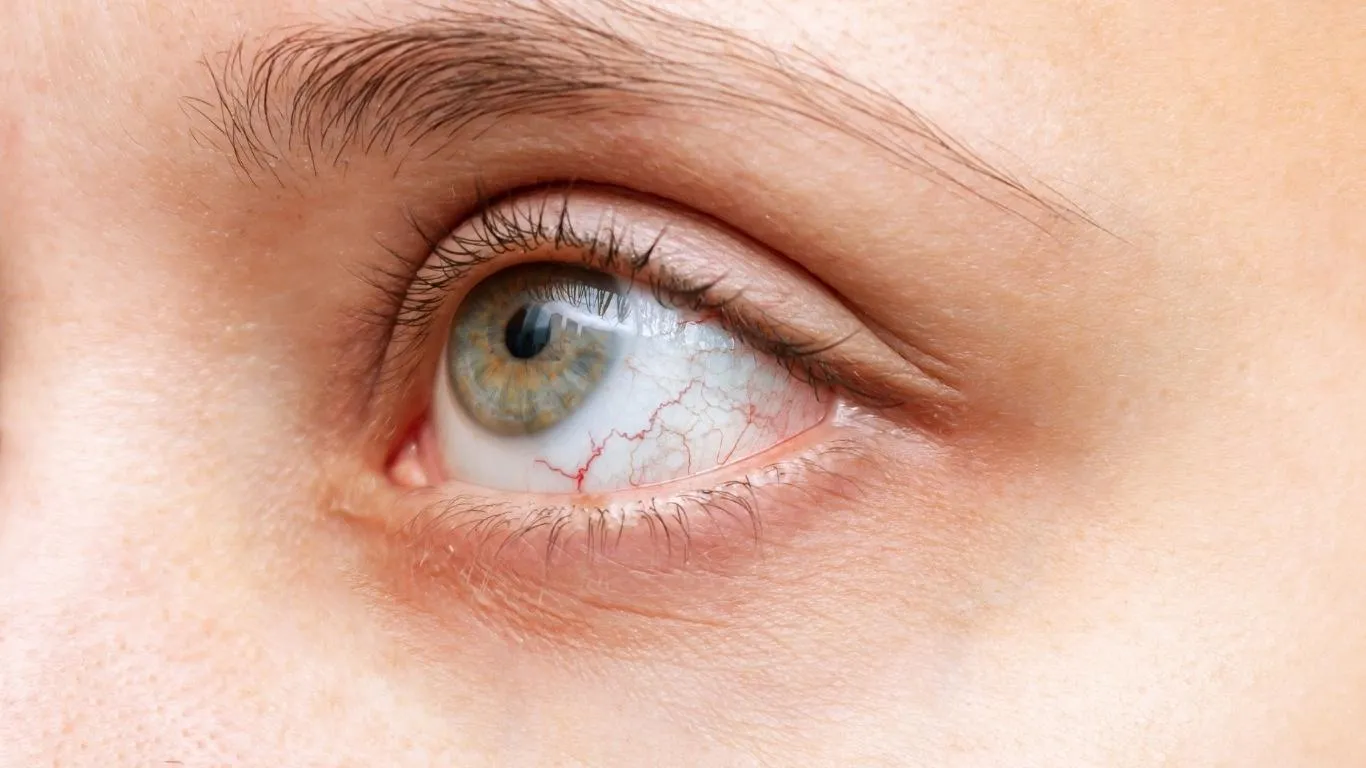
If floaters are disrupting your daily life, it might be time to consider other options. This article on eye floater treatments offers a comprehensive look at what’s available—from doing nothing at all to laser and vitrectomy procedures.
And if you’re curious about the root causes and how they develop over time, the main eye floater guide explains everything from the anatomy behind floaters to the treatment landscape. It helped me understand I wasn’t just “seeing things.”
It’s wild how something as simple as lighting can trigger such an annoying visual distraction. But once you get what’s happening—and why—you can actually start taking steps to reduce the impact. And trust me, even those tiny wins matter when your work depends on screen time.
How Eye Health and Floaters Interact with Modern Lighting
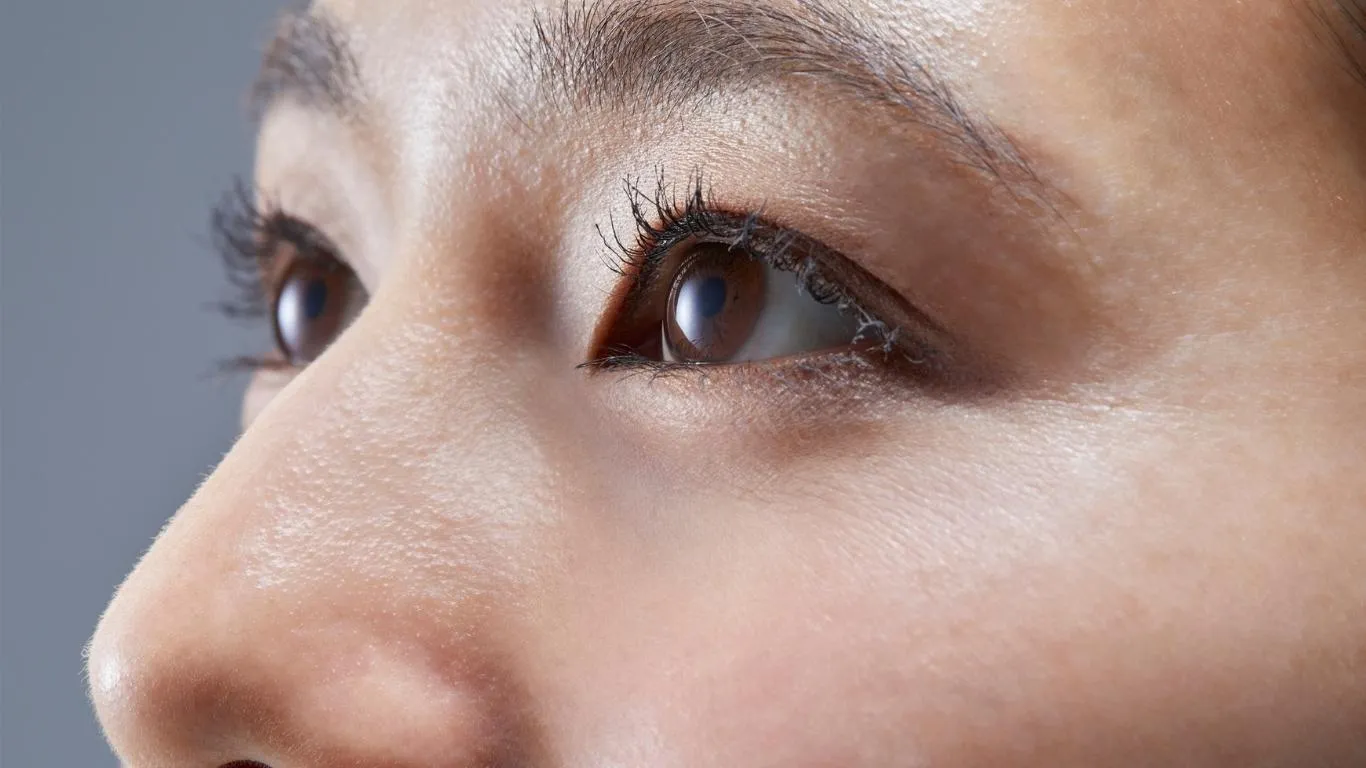
One thing I didn’t expect to learn through this journey is how sensitive the eye is to changes in its environment. Floaters aren’t always just about aging or trauma—they’re influenced by everything around us, including the very lights we read, work, and relax under. It turns out, a healthy eye still notices floaters more under LED exposure, especially when it’s dealing with dryness, fatigue, or subtle inflammation.
Ever tried staring at your phone after a night of little sleep? Or walked from a dim room into bright office lighting and suddenly felt bombarded by floaters? That’s not in your head. Check out how dry eye syndrome worsens floaters and what you can do about it.
Stress, Sleep, and Hydration Are Bigger Factors Than You Think
One week I was running on four hours of sleep a night, chugging coffee like water, and practically glued to my screen—floaters galore. But when I finally reset with proper sleep, more water, and less harsh overhead lighting, the visual clutter settled down noticeably.
There’s also increasing talk about how systemic health ties into vitreous health. Your eyes aren’t isolated from the rest of your body. For example, this article on dehydration and floaters really opened my eyes—pun intended—to how simple habits could be contributing to my visual frustration.
Are Floaters Worse with Blue Light?
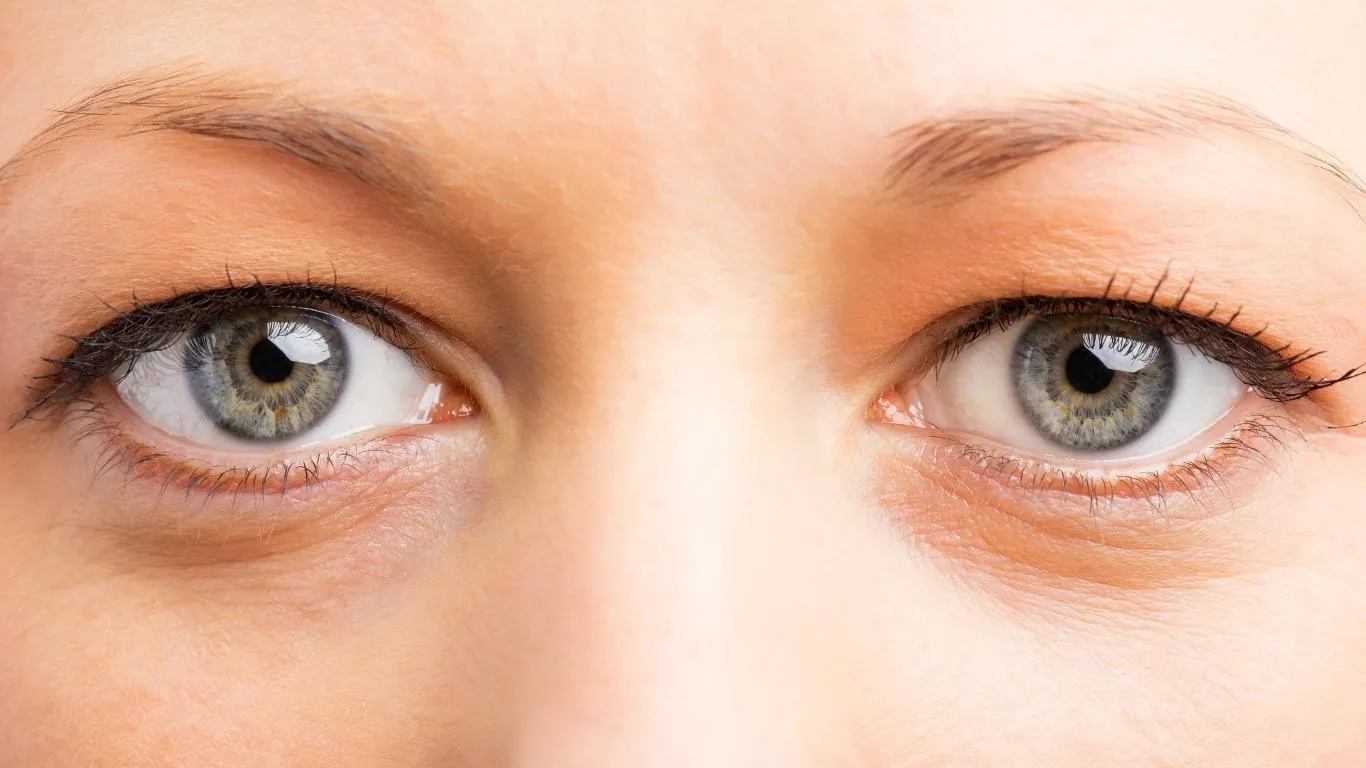
Let’s talk blue light. Modern LED bulbs, phones, and laptops emit higher amounts of blue light compared to older incandescent bulbs. There’s growing concern that this contributes not only to eye strain but also to long-term eye health issues. While research is still emerging, blue light may exacerbate the perception of floaters by amplifying contrast sensitivity and retinal fatigue.
And if you’re wondering whether there’s something deeper going on, some floaters that become more obvious under light might actually be signs of underlying inflammation or eye infections. Read about uveitis and floaters to explore that possibility, especially if you’re also experiencing discomfort or blurry vision.
Tips to Reduce Floaters in LED-Dominated Environments
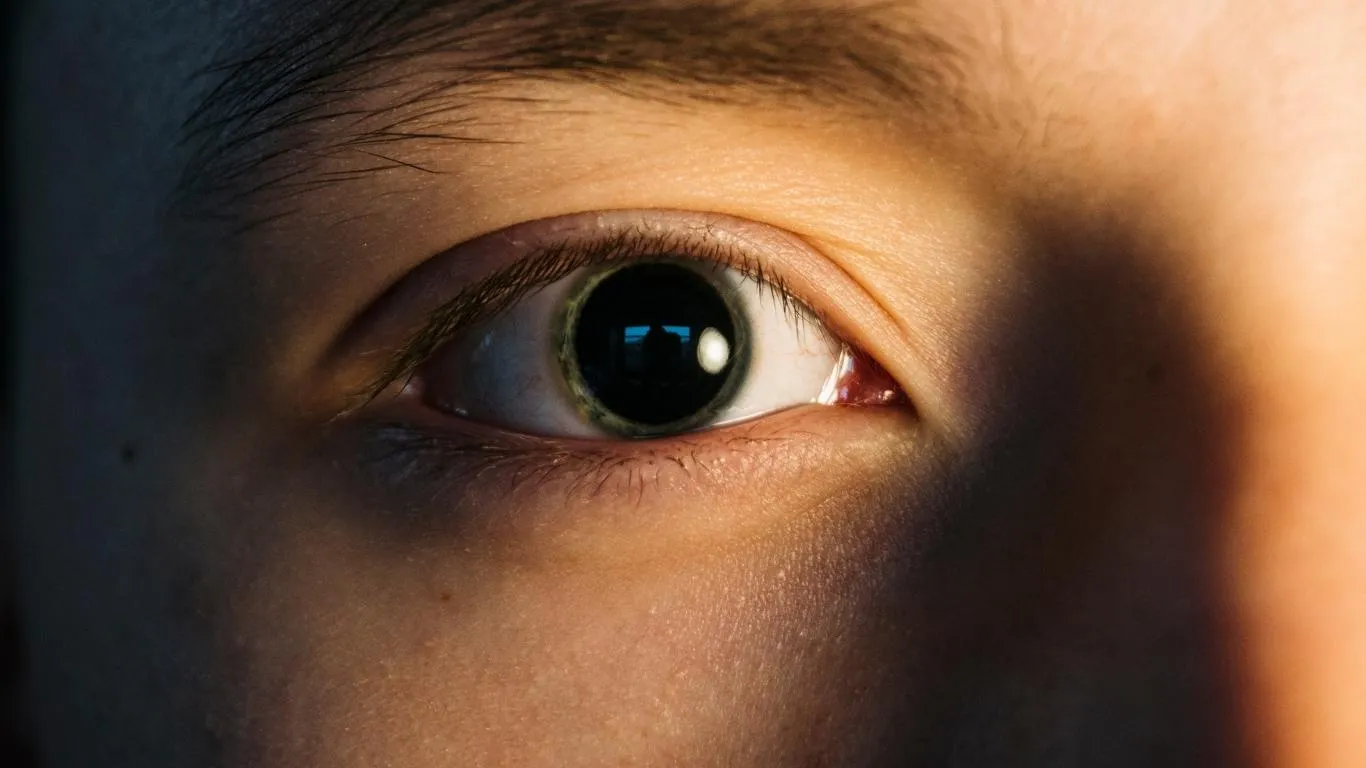
Look, we’re not going to eliminate floaters entirely. But here’s what actually worked for me and what I’ve seen work for others:
- Dim your screens or use “night mode”: Many devices now offer warm lighting presets that reduce eye strain.
- Switch to indirect lighting: Use desk lamps that bounce light off walls instead of direct overhead LEDs.
- Lower your brightness: Most people crank up brightness unnecessarily. Try cutting it by 30–50% and see how it feels.
- Upgrade your monitor: Flicker-free, low-blue-light monitors make a noticeable difference. It’s an investment, but a worthy one.
- Stay hydrated: Your vitreous body (where floaters live) is mostly water. Dehydration shrinks it, and that’s when floaters clump and move more.
And if you’re into natural remedies, there’s a debate around supplements like lutein and magnesium. While not magic bullets, some people swear by them. This breakdown of supplements for floaters is worth bookmarking.
When Should You Talk to a Professional?
If floaters have gone from background noise to a daily visual annoyance, it’s time to loop in a pro. Especially if they’re new, worsening quickly, or accompanied by light flashes or vision distortion. I hesitated too long myself, but after checking in with an optometrist and ruling out anything serious, the peace of mind was worth it.
This guide on floaters vs. other eye conditions helped me narrow down what I was seeing. It’s smart to self-assess—but smarter to get clarity from someone who knows your eyes better than Google does.
Further Reading and Full Context
Want the full picture? The comprehensive post on eye floater causes and treatments is a solid place to start. It covers everything from how floaters form, to when to be concerned, to treatment options—both natural and clinical.
If your main interest is around visual triggers like LEDs, screen time, and environmental conditions, this pillar article on causes of eye floaters breaks down various daily contributors, including the impact of modern light exposure.
For more trusted information, check in with resources like aao.org, ncbi.nlm.nih.gov, or mayoclinic.org for peer-reviewed studies and medical guidance.
Living with floaters in today’s LED-lit world isn’t ideal, but it’s manageable once you understand the triggers—and start tweaking your environment. It’s all about small, smart shifts that ease the visual noise and help you focus on what really matters (like finally getting through those spreadsheets).

Camellia Wulansari is a dedicated Medical Assistant at a local clinic and a passionate health writer at Healthusias.com. With years of hands-on experience in patient care and a deep interest in preventive medicine, she bridges the gap between clinical knowledge and accessible health information. Camellia specializes in writing about digestive health, chronic conditions like GERD and hypertension, respiratory issues, and autoimmune diseases, aiming to empower readers with practical, easy-to-understand insights. When she’s not assisting patients or writing, you’ll find her enjoying quiet mornings with coffee and a medical journal in hand—or jamming to her favorite metal band, Lamb of God.