
Why Floaters Are More Visible When Waking Up Suddenly
Ever noticed how your floaters seem to pop out more clearly right after you wake up? You’re not alone. I used to think it was just my imagination—those little ghostly specks drifting around like they’re on cue every morning—but turns out, there’s a real reason for it. As someone who’s been dealing with eye floaters for years (yes, since my late 20s), I’ve learned that what happens when we first open our eyes can make those floaters appear more intense. And no, it’s not just poor sleep or screens the night before. Let’s break it down.
Why Floaters Seem Worse Right After You Wake Up
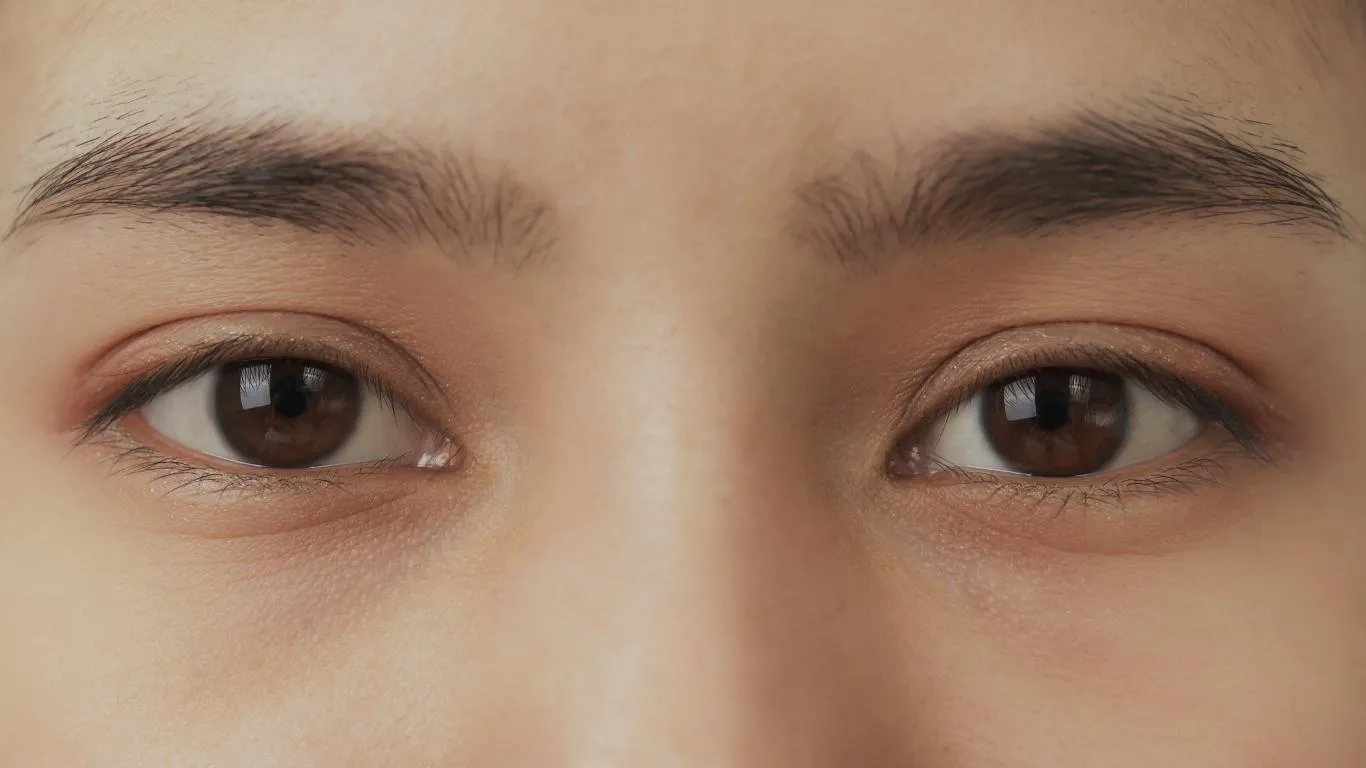
There’s something oddly specific about how floaters behave in the early morning. Floaters, which are actually bits of collagen or cells inside the vitreous—the gel-like substance in your eye—float more freely when you’re still. During sleep, your eyes barely move, and your body is in full rest mode. So when you first move your eyes after a long period of stillness, guess what? The floaters suddenly drift back into view.
Light Conditions in the Morning
When you wake up and light streams in—especially natural daylight—it creates the perfect contrast that makes floaters stand out. Bright backgrounds, like a white ceiling or light-filled room, enhance their visibility. It’s the same reason you notice them when staring at a clear sky or a blank wall.
One article that dives deeper into this is this piece on floaters in bright rooms, which totally explained why I always saw them more clearly right after pulling the curtains open.
Your Sleep Position Might Be a Factor
This one surprised me. If you’re someone who sleeps on your back (like me most nights), the floaters may settle differently in the vitreous compared to side-sleepers. This can make them appear suddenly after waking. Also, some floaters are more noticeable in specific sleeping positions, which might explain your morning view.
Eye Hydration and Overnight Changes
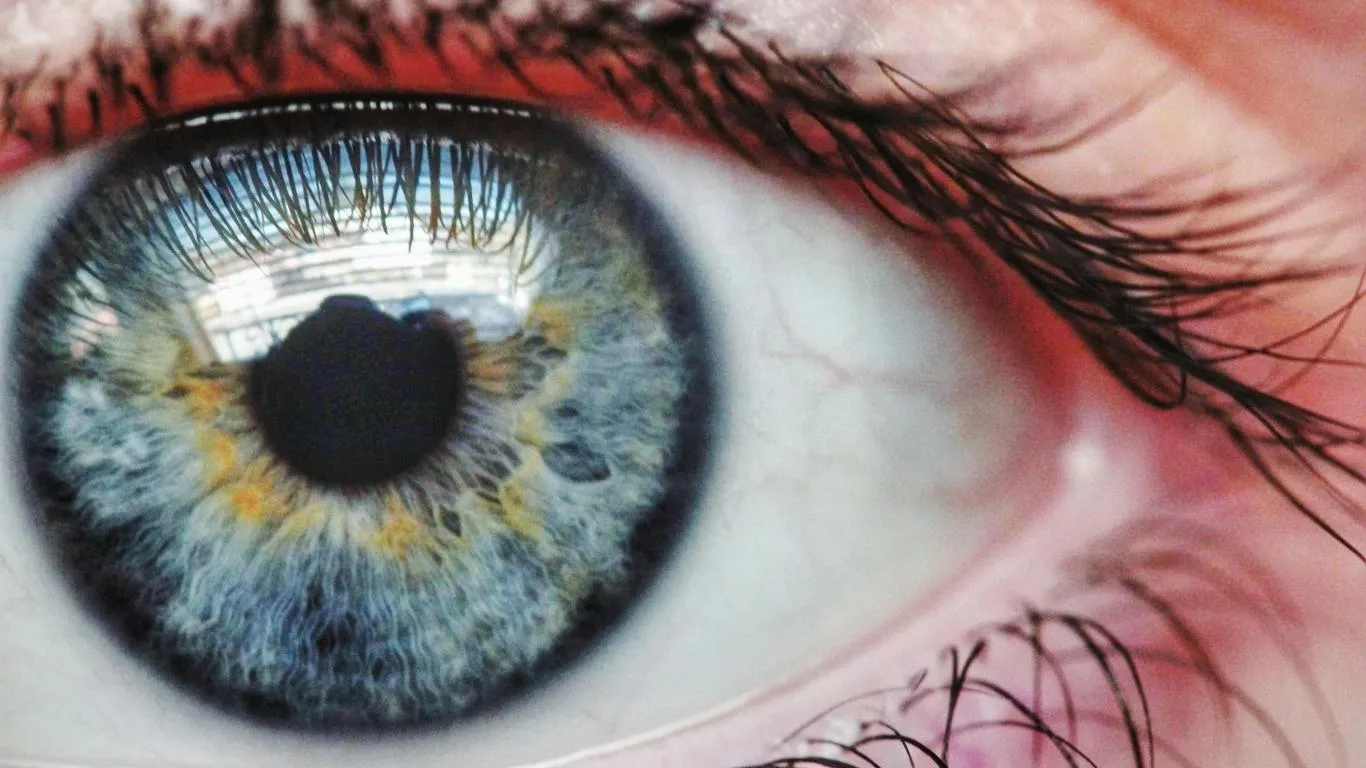
One thing a lot of people overlook is hydration. Our eyes can get a little dry overnight, especially if you sleep with a fan blowing, or have mild dry eye (which I didn’t even know I had until I brought it up during a routine eye exam). This dryness changes the way light enters the eye and can make floaters appear sharper and more bothersome.
In fact, dry eye syndrome has been linked to worsening floaters, especially in the morning. It’s worth using preservative-free lubricating drops right after waking—something that has genuinely helped me.
Sudden Eye Movements After Sleep
When we first wake up, our eyes dart around as we adjust to the light and orient ourselves. These sudden movements stir up the vitreous, which was still all night, and push floaters back into the visual path. It’s like shaking a snow globe.
This link on how floaters react to eye movements dives into this behavior really well, and it totally aligns with what I experience every morning.
When Morning Floaters Could Be a Red Flag
Look, not every floater is harmless. A sudden increase—especially in the morning—could mean something more serious like a retinal tear or posterior vitreous detachment (PVD). I had a close call last year after waking up to what looked like a swarm of floaters, and I’m glad I didn’t ignore it.
Check out this article on PVD to understand how serious these sudden changes can be.
If you ever notice floaters paired with light flashes or a loss of peripheral vision, don’t wait. The symptoms checklist here is a good place to start understanding when it’s more than just a morning nuisance.
Floaters in One Eye vs. Both
This detail is important. I personally had more floaters in my right eye, and it turns out that’s not unusual. Some people only notice them in one eye after waking. It might be due to asymmetrical degeneration or a localized issue in that eye. This one-eye floater explanation goes into that.
Reducing Morning Floater Annoyance (What Actually Works)
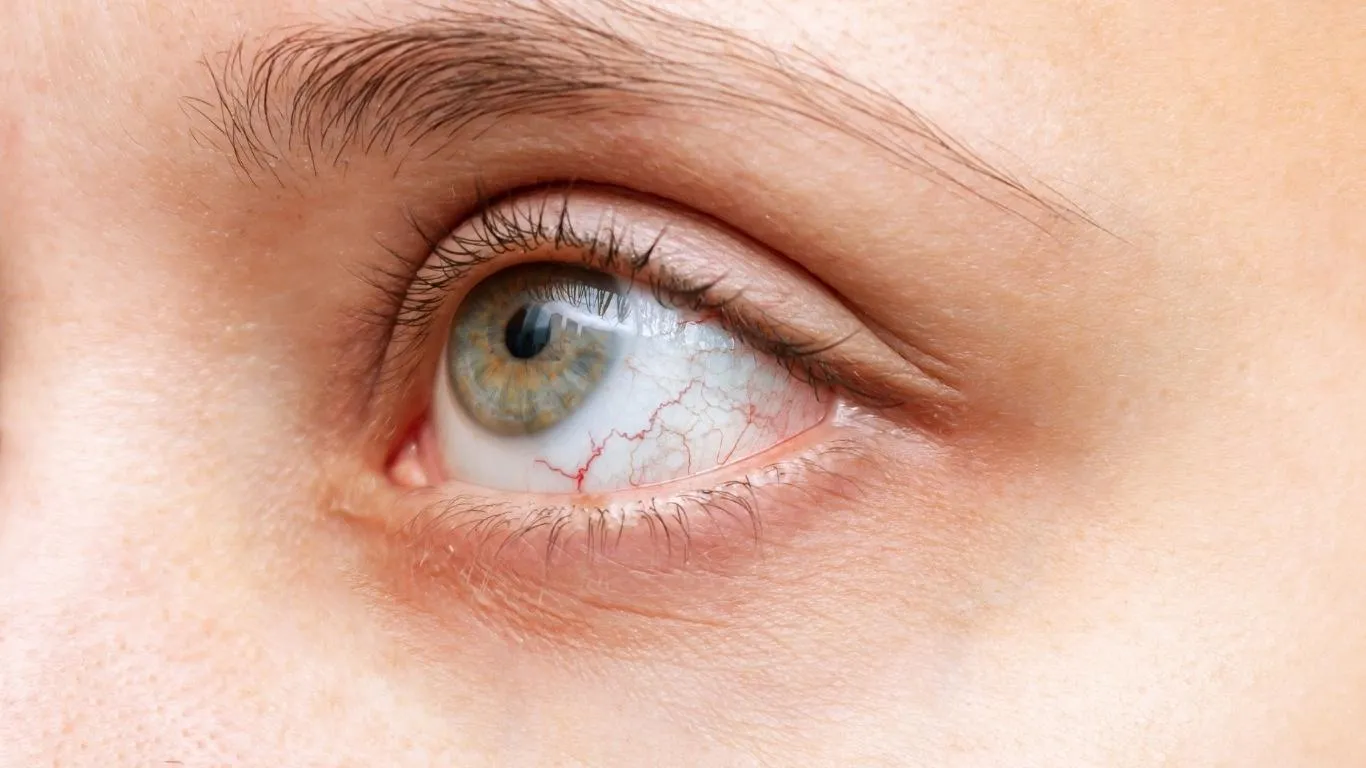
Here are some things I’ve personally tried and found helpful for managing floaters first thing in the morning:
- Lubricating eye drops: Hydration helps a lot with early morning clarity.
- Slow eye movements: Instead of darting your eyes around as soon as you wake up, try moving them gently to avoid triggering floater movement.
- Limit bright light at first: I started using adjustable blinds so the room doesn’t go from pitch black to full sun in seconds. Helps more than you’d think.
If you’re looking for natural approaches, this breakdown of post-infection floater management has overlapping tips that apply just as well to floaters in the morning.
For an even deeper understanding of how floaters form, their warning signs, and what makes them worse, I recommend reading this essential guide on floater causes as well as the main article on causes, symptoms, and treatments.
And no, you’re not imagining it. That early morning moment where floaters feel like they’re everywhere? It’s a real thing, and with a few tweaks and better understanding, it doesn’t have to set the tone for your day.
What Makes Morning Floaters Stick Around Longer Than Expected
Sometimes, floaters don’t just fade away as the day kicks in. They linger—right in the center of your vision like they’ve rented space. This happened to me for weeks after I got over a sinus infection. I figured it was unrelated, but turns out, post-viral inflammation can actually affect the vitreous.
This piece on persistent floaters without other symptoms helped me realize it’s not all in my head. When floaters hang around longer in the morning, it can be a sign of subtle shifts in your eye’s internal environment—not necessarily damage, but definitely worth tracking.
Sleep Quality May Play a Bigger Role Than You Think
Bad sleep = worse floaters. I used to pull late nights or get broken sleep from stress, and almost like clockwork, the next morning my floaters would seem sharper and more jittery. Turns out, poor sleep has been linked to increased floaters visibility, probably due to how it affects ocular fluid pressure and inflammation.
Also, if you’ve ever experienced floaters after vivid dreams or sudden awakenings, you’re not imagining things. A sudden jolt to your nervous system from an adrenaline spike (thanks, nightmares) can actually change eye behavior slightly.
Are There Any Remedies That Really Work?
This question used to drive me crazy. I’ve tried everything from eye yoga (yes, that’s a thing) to vision supplements. Most of it felt like guesswork, but some things genuinely helped.
- Magnesium and hydration: After consistently taking magnesium and upping my water intake, I noticed fewer harsh floaters in the morning. It aligns with findings on how deficiency can worsen floaters.
- Blue light filters: If I’m on my phone late at night, floaters get worse in the morning. Since switching to a blue-light filtered screen and wearing glasses with protection lenses, mornings have become clearer. Here’s more on why managing blue light matters.
- Diet upgrades: Lutein-rich foods (like kale, eggs, and spinach) seemed to reduce the number of floaters I noticed day to day. Whether it’s coincidence or not, this guide to lutein-rich foods gives helpful direction.
What About Eye Exercises?
Now, I was skeptical at first. Moving your eyes around to fix floaters? But turns out, it’s not about fixing—it’s about control. Slow, circular movements and eye focusing routines can help shift floaters out of your central vision temporarily. There’s a cool breakdown in this list of exercises that worked better than expected for me, especially during quiet morning hours.
Could It Be Something Else Masquerading as Floaters?
This one messed with my head. I started seeing strange shapes when waking up and assumed floaters. But some turned out to be visual disturbances unrelated to the vitreous—like ocular migraines (minus the headache) or just light refractions from dry eyes.
The article on floaters vs. migraine aura helped me stop panicking about random flashes. And this one on flashes really clarified what’s normal and what isn’t.
Also, some people (myself included once or twice) mistake dust or eyelash shadows on the lens as floaters. If wiping your eye changes the pattern, it’s probably not internal.
What Your Morning Floaters Might Be Telling You
It took me longer than I’d like to admit to realize that floaters weren’t just annoying—sometimes, they’re informative. Consistent visibility of floaters when waking up could hint at early vitreous degeneration, systemic inflammation, or even eye strain from how you sleep or how you use your eyes before bed.
One of the most insightful resources I came across was this article on vitreous syneresis. It puts into perspective how early floaters can point to subtle age-related shifts, even in otherwise healthy people.
If your floaters are new, severe, or combined with other visual changes, you should absolutely dig into this guide that compares floaters to other vision issues—it helped me rule out some scary possibilities.
So, When Should You Worry?
There’s no one-size-fits-all answer, but here’s what my ophthalmologist told me, and I’ve never forgotten it:
- If your floaters change shape dramatically overnight, get checked.
- If light flashes, color distortions, or peripheral loss appear, it’s urgent.
- If floaters only appear in one eye and seem “heavier” than usual—go in.
Floaters aren’t always just floaters. That’s the key takeaway. If they’re more visible when you wake up, especially suddenly, it’s not just a sleep thing. It could be your eye’s early warning system whispering something you shouldn’t ignore.
And if you’re curious about how floaters relate to deeper conditions like retinal degeneration, this breakdown on serious warning signs is absolutely worth the read.
Make sure you’ve also reviewed this complete explainer that ties together causes, symptoms, and treatment options for eye floaters in general.

Camellia Wulansari is a dedicated Medical Assistant at a local clinic and a passionate health writer at Healthusias.com. With years of hands-on experience in patient care and a deep interest in preventive medicine, she bridges the gap between clinical knowledge and accessible health information. Camellia specializes in writing about digestive health, chronic conditions like GERD and hypertension, respiratory issues, and autoimmune diseases, aiming to empower readers with practical, easy-to-understand insights. When she’s not assisting patients or writing, you’ll find her enjoying quiet mornings with coffee and a medical journal in hand—or jamming to her favorite metal band, Lamb of God.