Why Floaters Are More Noticeable When Reading White Paper
Ever tried reading a crisp white sheet—maybe a printed report, a fresh novel, or even just today’s delivery invoice—and suddenly noticed strange spots, cobwebs, or translucent blobs floating across your vision? It’s not just you. I used to brush it off too, assuming my glasses just needed cleaning. But nope—turns out, those are called eye floaters, and reading against stark white backgrounds makes them way more noticeable. Let’s dive into why that happens, and what it might mean for your eyes.
Why Floaters Pop Out on White Backgrounds
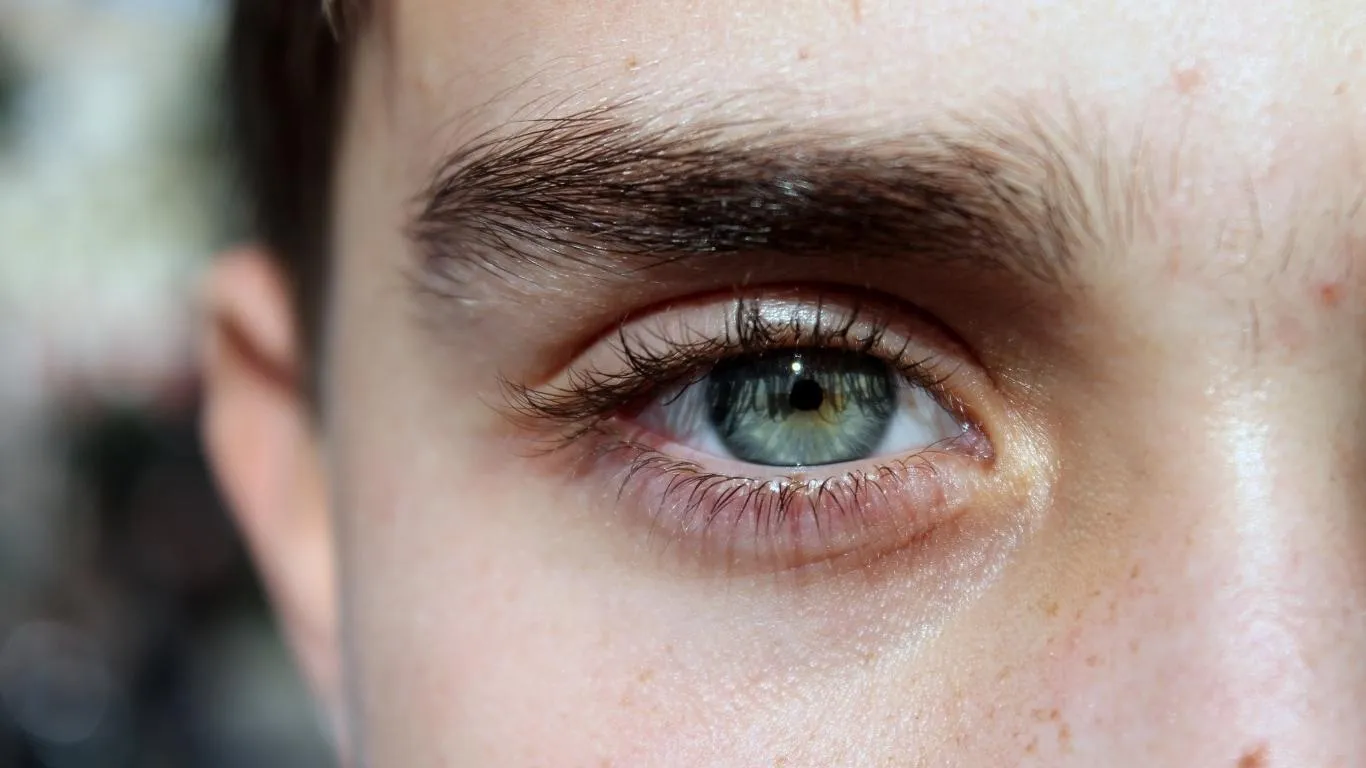
Your eye’s vitreous humor—a clear gel-like substance—shrinks with age. Tiny clumps or strands form inside it and cast shadows on your retina. These shadows are what we see as floaters. Now, when you look at something bright and uniform, like a white piece of paper or a blank wall, your retina gets evenly illuminated. That clean background? It acts like a spotlight for floaters. There’s nowhere for them to hide.
It’s kind of like dust on a projector lens—turn on the lights and boom, it’s all you can see. I first noticed it while reading the product manual of a gadget I bought. The black text was fine, but those grey blobs floating around were impossible to unsee once I noticed them.
The Science Behind It
Our visual system is incredible, but it also adapts very quickly. When you stare at a bright, featureless surface, your brain doesn’t have much else to focus on, so even subtle disturbances in the vitreous stand out more. That’s why floaters are especially prominent during:
- Reading white printed paper
- Looking at a bright computer screen with a white background
- Staring at a cloudless bright sky
Should You Be Worried?

Here’s the thing—floaters are often harmless. But if they suddenly increase, come with flashes of light, or feel like a curtain falling over your vision, stop everything and see an eye doctor immediately. Those can be red flags for something more serious like a retinal tear or detachment.
If you’re suddenly seeing more floaters after staring at white paper for long periods, it could simply be a visibility thing. But if they persist even when you look at darker surfaces, or start interfering with your vision during daily activities, don’t ignore it.
You might find this breakdown of floaters before a retinal tear very helpful. It’s surprisingly common for people to dismiss early warning signs, just like I almost did.
My Experience with Floaters While Reading
I’ll admit—when I first started noticing them, I thought it was a printing issue. Then I realized the floaters were following my eye movements. No matter where the sentence started or ended, they danced along like uninvited guests. If you’ve ever felt the same, you’re definitely not alone. Reading white pages became so annoying that I started switching to night mode or off-white Kindle backgrounds.
This is especially a thing if you’ve had any past trauma to the eye or undergone cataract surgery. Floaters can become more noticeable post-surgery due to light entering the eye differently. Here’s what to know about floaters after cataract surgery.
Floaters or Something Else?
Not all visual disturbances are floaters. Some people confuse them with flashes, ocular migraines, or even signs of retinal detachment. There’s a solid article that goes into detail on the difference between floaters and flashes, and it helped me sort through the confusion.
To make matters trickier, dry eyes, screen fatigue, or stress-induced visual fatigue can all mimic similar issues. If your floaters show up only when you’re tired or after a long workday, they might be linked to something like digital eye strain or even lack of sleep. I found this connection between sleep and floaters to be oddly accurate in my case.
Prevention? Management? Or Just Acceptance?
Truthfully, once floaters form, they don’t always go away. But there are a few things you can do:
- Switch reading backgrounds—off-white or sepia tones help reduce contrast
- Try blue light filter glasses when working on digital devices
- Blink frequently and use artificial tears if your eyes get dry
- Stay hydrated—dehydration can make floaters worse
There’s even some promising research around diet, collagen health, and floaters. Though scientific evidence is still building, check out this guide on natural ways to manage floaters if you’re curious.
For a broader overview on causes and long-term treatment options, I recommend starting with this main guide and the comprehensive article on common causes. They’re both good reads for anyone who wants a clearer picture—no pun intended.
When to Take Floaters Seriously
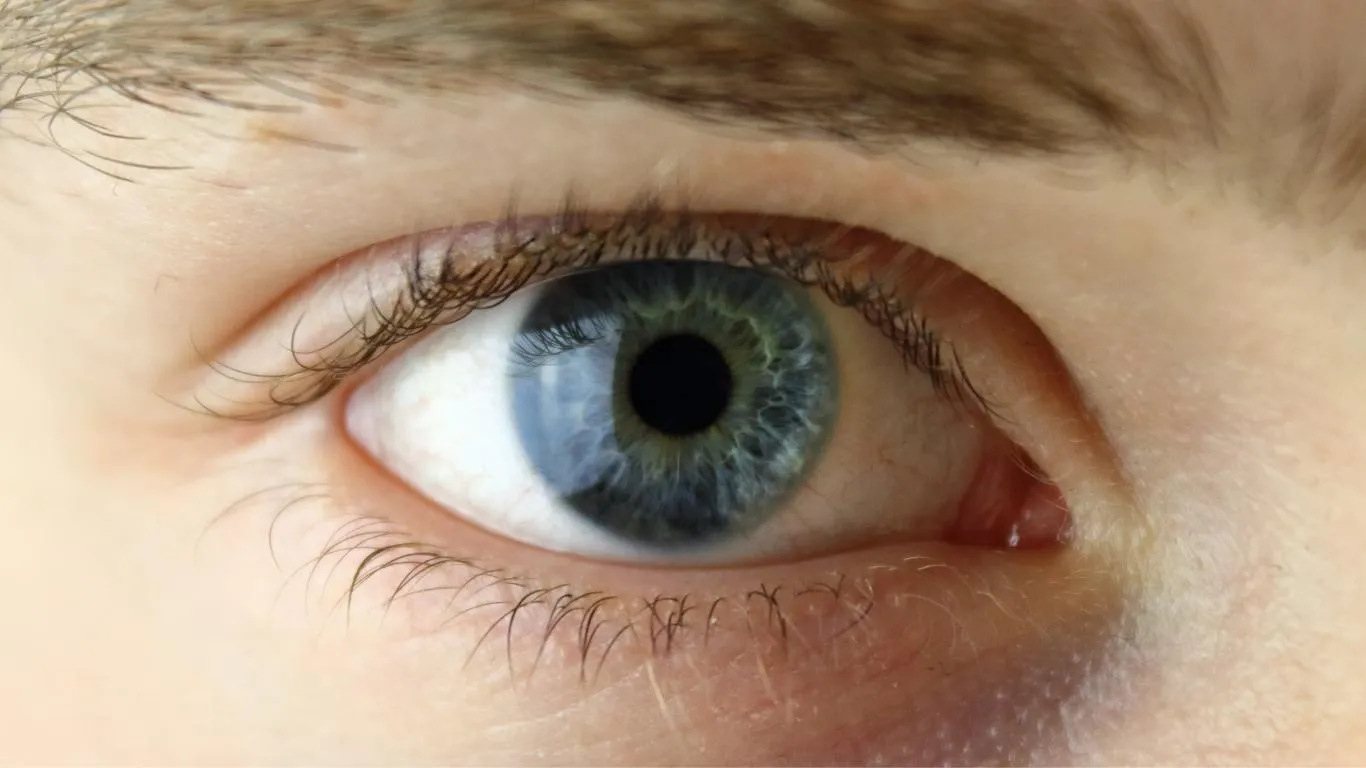
If your floaters have always been mild and only appear during specific tasks—like reading white paper—there’s a good chance they’re just part of the natural aging process. But, and this is a big but, some floaters signal urgent medical issues. For instance, if you suddenly notice a rain of new floaters, especially in one eye, or experience flashes of light, don’t wait it out.
One of my friends ignored this for a few days thinking it was eye strain. By the time she saw an ophthalmologist, they discovered a retinal tear. Thankfully it was caught early. Please don’t gamble with your sight.
Here’s a solid article on when floaters are an actual danger. Bookmark it—you never know when that knowledge will come in handy for you or someone close.
Does Brightness Make Floaters Worse?
Short answer: yes. Bright, even lighting makes floaters pop. That includes reading under LED desk lamps, sitting by a bright window, or using a screen with high brightness. If you’re like me and enjoy reading printed docs or PDFs in natural daylight, it’s going to feel like floaters are constantly dancing across your vision.
Some tricks that helped me:
- Switching to cream-colored paper or yellow-tinted overlays
- Adjusting monitor color temperature to be warmer
- Using low brightness modes or e-readers with sepia themes
It might not “fix” the floaters, but it reduces their visibility—which honestly helps with peace of mind. There’s a good breakdown on how bright light amplifies floaters here.
Could It Be Something Else?
Some people think they’re seeing floaters, but what they’re really dealing with might be ocular migraines, optic neuritis, or visual aura. There’s a specific kind of confusion that happens when you see squiggly lines or sparkles while reading—especially under high-contrast lighting.
If you ever see floaters accompanied by:
- Blurred side vision
- Loss of contrast or color detail
- Sharp, stabbing eye pain
—that’s a big clue it’s not just floaters. I found this helpful when sorting through my own symptoms: eye floaters vs migraine aura.
What Eye Specialists Say
From what I gathered through appointments and research, most ophthalmologists classify floaters as benign if they’re stable, few, and not accompanied by other vision disturbances. However, that doesn’t mean you shouldn’t bring it up. I once mentioned mine casually during a regular eye check, and the doc ended up doing a full dilated eye exam just to be sure nothing had torn in the retina.
While many floaters go unnoticed after a while due to brain adaptation, the ones that stand out on bright white paper tend to linger in your mind. They don’t necessarily mean your eyes are deteriorating, but they deserve attention—especially if they start appearing in different lighting conditions.
If you’re unsure, this complete guide on eye floater treatment options walks you through what’s possible if you’re seriously bothered.
Floaters and High Myopia—A Common Link
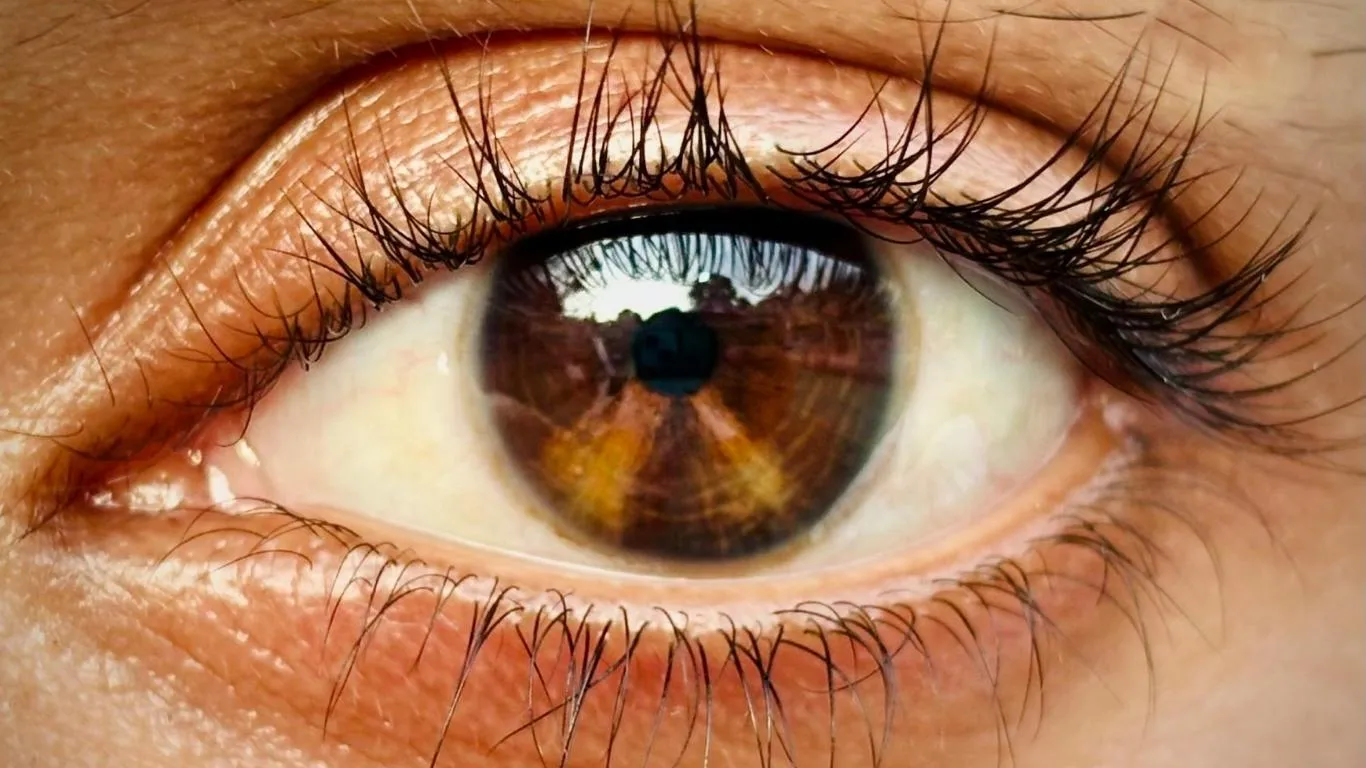
If you’re severely nearsighted (like me), you’re probably at higher risk of developing floaters early. The eyeball elongation stretches the vitreous more, making it prone to earlier degeneration. Combine that with lots of reading or screen time, and you have a perfect recipe for floaters showing up every time you glance at a document.
I found this personal take on floaters in high myopia really relatable. Definitely worth reading if your prescription is in the -6.00s or beyond.
Best Ways to Track Changes in Floaters

Floaters are tricky. Some days they’re practically invisible, other days they feel like static noise over everything you try to read. If you’re dealing with recurring patterns, it helps to track them:
- Note when they appear (time of day, task, lighting)
- Mark any changes in size, color, or shape
- Take note of associated symptoms (like eye strain or headaches)
Journaling helped me identify that mine got worse after long hours on white-background spreadsheets. Surprisingly, switching to dark mode apps and printing on ivory paper helped. If you want to stay ahead of worsening symptoms, this tracking guide is worth checking out.
Helpful Resources and What to Do Next
While floaters are frustrating, especially when you just want to enjoy a clean read-through on paper, most cases are manageable. But understanding them gives you power—whether that’s changing how you work, when you read, or even considering treatment.
If you’re ready to explore every aspect of floaters from diagnosis to prevention, I highly recommend starting here: What Are Eye Floaters: Causes, Symptoms, and Treatment Options. It gives a grounded, professional overview that connects all the dots.
And for specific causes—including age, injuries, and underlying eye problems—this guide on common floaters causes goes even deeper.

Camellia Wulansari is a dedicated Medical Assistant at a local clinic and a passionate health writer at Healthusias.com. With years of hands-on experience in patient care and a deep interest in preventive medicine, she bridges the gap between clinical knowledge and accessible health information. Camellia specializes in writing about digestive health, chronic conditions like GERD and hypertension, respiratory issues, and autoimmune diseases, aiming to empower readers with practical, easy-to-understand insights. When she’s not assisting patients or writing, you’ll find her enjoying quiet mornings with coffee and a medical journal in hand—or jamming to her favorite metal band, Lamb of God.