Why You Might See Floaters After Panic Or A Loud Argument
You’re sitting on the couch, trying to cool off after a heated argument. Your heart’s still racing, your hands are a little shaky, and suddenly—there they are. Little squiggles, dots, or transparent threads drifting across your vision. If you’ve ever noticed floaters seen after a loud argument or panic, you’re not imagining things. I’ve been there too, and it’s honestly freaky the first time it happens. But you’re not alone—and yes, there’s a reason your eyes are doing that.
Why Floaters Show Up After Stressful Emotional Surges
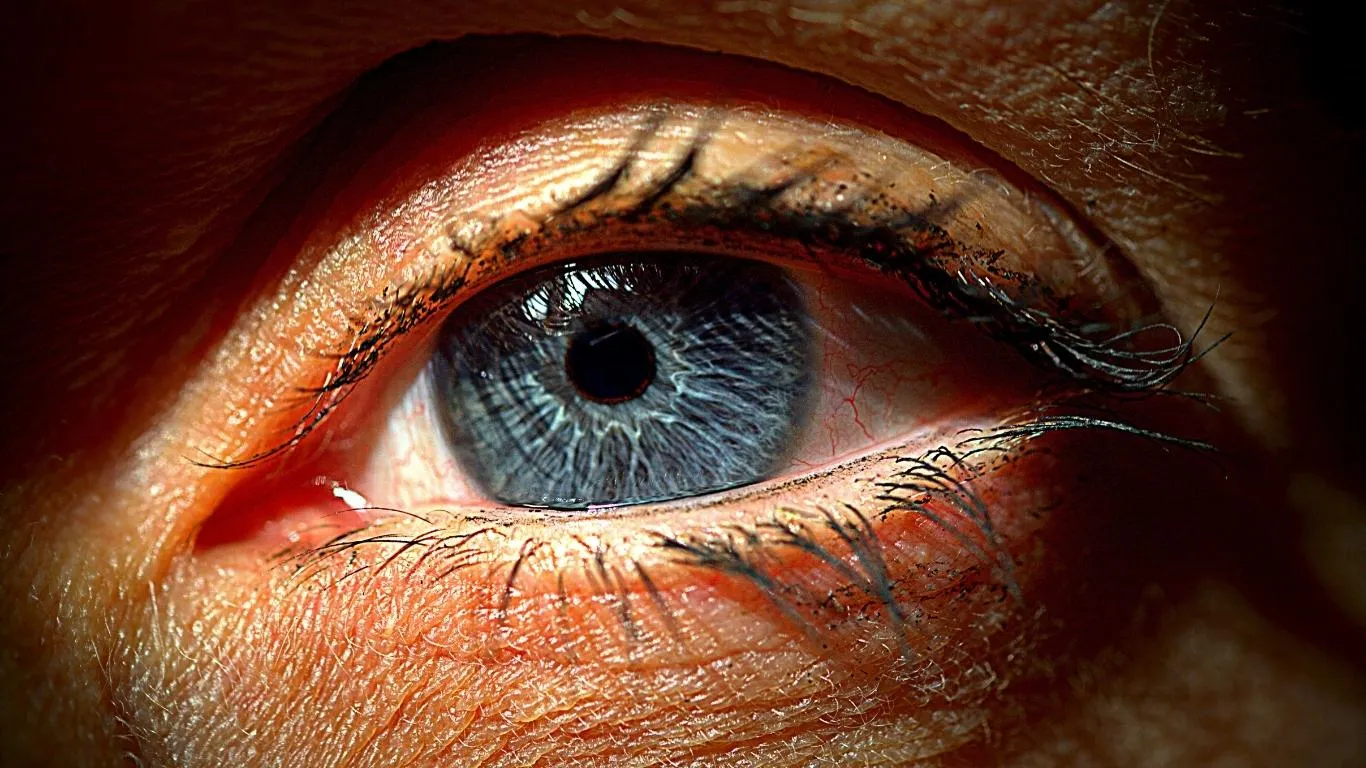
Your body doesn’t just feel stress—it shows it. Emotional stress, particularly the kind that hits hard and fast, like after a loud argument or a panic attack, can have a direct impact on your visual system. Floaters—those weird shadows or transparent specs—are usually linked to changes in the vitreous, the gel-like substance inside your eye. But under intense stress, your whole system tenses up—including your eye muscles and circulation.
When stress ramps up, cortisol floods the body. Blood vessels constrict, your heart pumps harder, and oxygen flow shifts. This can change how the vitreous sits or moves in your eye, making existing floaters more noticeable—or triggering new ones.
Been There, Seen That (Literally)
I remember my first experience with this. After a drawn-out argument with a close friend, I was pacing, overwhelmed, and then bam—those little floaters started showing up like ghosts in my peripheral vision. It wasn’t until I calmed down and sat in dim light that they faded. Turns out, that reaction isn’t rare at all.
How Panic or Emotional Overload Affects Your Eyes
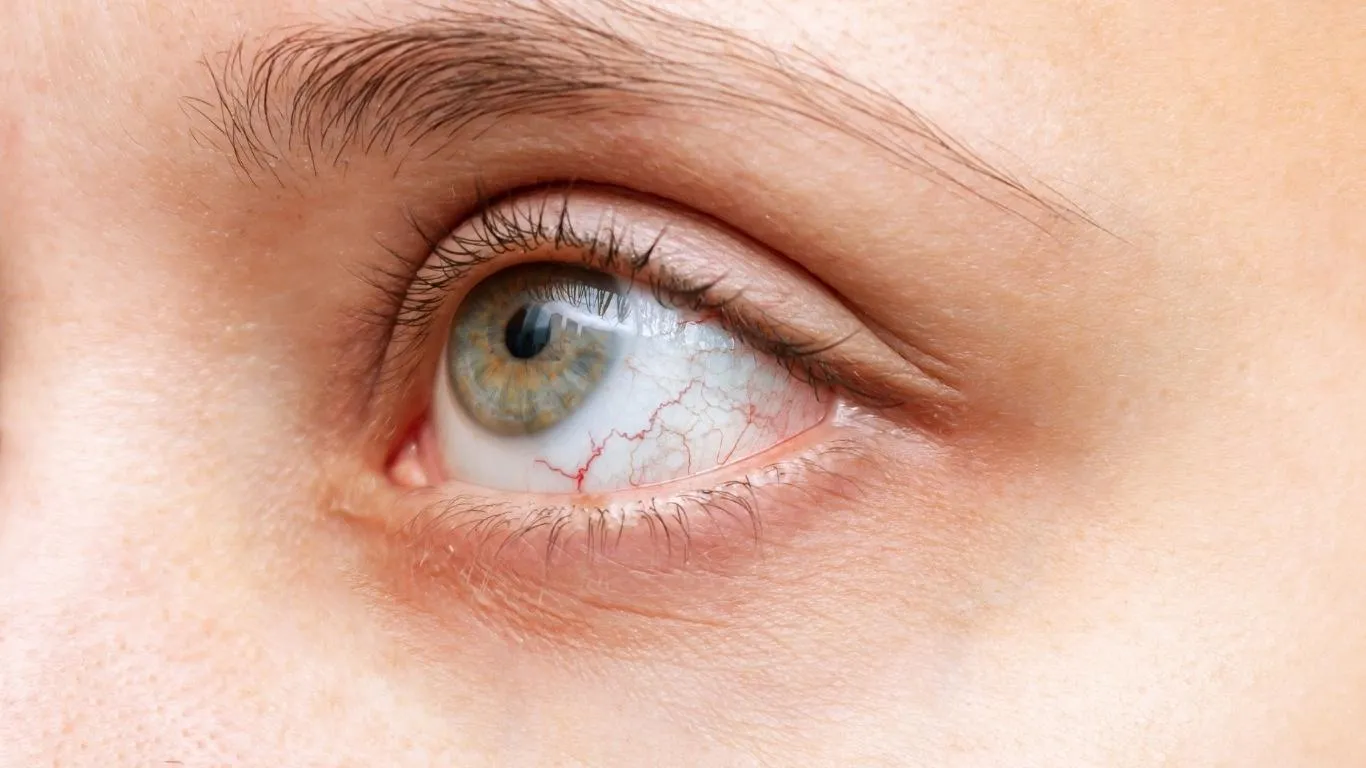
During panic episodes, you may hyperventilate, blink less, or widen your eyes instinctively. This alone can dry out your eyes, distort vision, and make any floaters you have more apparent. Add that to increased intraocular pressure from holding your breath or clenching your facial muscles, and it’s a recipe for a sudden burst of floaters.
Plus, when you’re emotionally amped up, your brain enters alert mode, scanning for threats. That heightened awareness makes even minor vision disturbances feel like something much bigger. That’s why floaters after stress feel more intense.
- Rapid eye movement during panic can stir up floaters.
- Sudden shifts in blood pressure can affect eye pressure.
- Dry eyes or lack of blinking worsen visibility of floaters.
Floaters or Something Else? When to Be Concerned
Now, not every floater that shows up after an argument means something’s wrong. But there are red flags to watch out for. If you’re suddenly seeing a large number of floaters, especially paired with flashes of light, shadows, or a dark curtain effect, that might indicate something serious like a retinal tear or detachment.
In fact, floaters that appear rapidly after trauma—emotional or physical—have been linked to retinal issues. You can learn more about how trauma affects vision in this article on emotional trauma and persistent floaters.
- Seeing a sudden burst of floaters after emotional stress? Get checked.
- Floaters with flashes of light? Call an eye doctor.
- Notice a loss in side vision or “curtain” in your view? Emergency time.
It’s also worth understanding how floaters differ from other eye symptoms. Check out how to tell if it’s floaters or something else before assuming the worst.
Can Anxiety Alone Trigger New Floaters?
Short answer? It’s possible. While stress doesn’t directly “cause” floaters in the traditional sense, it can definitely contribute to the perception of them. Especially for people with chronic anxiety, it’s common to become hyper-aware of body sensations, including visual disturbances.
There’s even evidence that chronic psychological stress plays a role in oxidative damage to the eye tissues, which may contribute to earlier onset of vitreous degeneration. That’s when floaters really start to increase.
According to the American Academy of Ophthalmology, floaters are more common with age, but stress can certainly bring them to your attention more vividly than usual. Interestingly, there’s a rise in reported cases among younger adults—often linked to lifestyle, screen time, and yes, emotional burnout.
More on the stress connection here: how anxiety episodes may lead to floaters.
What You Can Do Right After an Episode
So you just had a fight or panic moment and now your vision is weird. Here’s what’s helped me (and what many eye doctors recommend):
- Breathe deeply: Slowing your breath can stabilize your blood oxygen and relax the eyes.
- Hydrate: Dehydration makes floaters more pronounced.
- Dim the lights: Bright backgrounds make floaters easier to notice.
- Use preservative-free eye drops: Helps reduce irritation and dryness post-episode.
Also, don’t forget to blink. When you’re anxious, you tend to stare or squint, which dries your eyes out fast. Floaters become a lot more noticeable when your eyes are dry.
Want to understand the broader context of where these things come from? Dive deeper into the main guide to causes and symptoms of floaters and check out the more specific piece on when floaters might actually signal danger.
Can Loud Arguments or Panic Attacks Cause Long-Term Eye Changes?
This is one of the first things I Googled after that whole floaters-after-an-argument episode. And guess what? The answer’s a bit nuanced. Loud arguments and panic attacks themselves don’t directly cause eye damage. But the repeated physiological responses they trigger—like elevated blood pressure, disrupted sleep, oxidative stress—can stack up over time and possibly make you more prone to things like vitreous detachment or early onset of floaters.
If you’ve already got floaters, intense emotional events can absolutely make them feel worse. People often report increased visibility for hours—or even days—after a major emotional spike. There’s even growing discussion around the connection between chronic emotional dysregulation and eye strain disorders. You can check out a deeper dive into that topic here.
Here’s how emotional intensity might affect your eye health long term:
- Increased cortisol levels could influence eye tissue aging.
- Repeated episodes of stress may slow recovery of the vitreous post-irritation.
- Sleep loss after stress keeps eyes from fully replenishing moisture overnight.
Over time, this may reduce your eye’s ability to self-clear debris from the vitreous, meaning floaters linger longer—or appear more frequently. But again, not every episode is a disaster. It’s the long-term pattern that matters.
Managing Floaters When You’re Emotionally Sensitive
If you’re someone who feels everything deeply (same here), managing floaters becomes part of a larger toolkit to keep your nervous system in check. It’s not just about the eyes—it’s about you as a whole person. Some of the small habits that made a huge difference for me include:
- Daily magnesium supplement: Especially the glycinate form. Helped with both anxiety and eye twitching.
- Limiting screen glare: Bright, blue-tinted screens made floaters dance across my vision.
- Walking in natural light: Oddly enough, indirect sunlight helps my eyes relax more than dark rooms.
- Practicing “soft gaze” during emotional triggers: Instead of locking onto a screen or object, I try to keep my gaze open and peripheral. That really cuts down the tension in the eyes.
If floaters are ruining your focus or adding to the stress, you’re not alone. People with anxiety disorders often report heightened floater awareness. The overlap is significant—enough that researchers are beginning to examine the psychosomatic link. For instance, this article about floaters and dehydration headaches is a helpful starting point to understand how even small internal stressors can blow up floaters.
What Doctors Say vs. What People Actually Experience
Here’s the thing: Most ophthalmologists will tell you that floaters are harmless—unless they come with vision loss or flashing lights. And they’re right. But that doesn’t mean your experience isn’t valid. Floaters can be mentally exhausting when they show up during moments of emotional vulnerability. That mental fatigue deserves attention too.
There’s an emotional component here that often gets overlooked. If you’re the kind of person who spirals into health worries (hi, welcome to the club), seeing floaters after a meltdown can be terrifying. The key is to find a middle ground between ignoring them and obsessing over them.
One of the most balanced reads I’ve come across on this is the article on how persistent floaters affect mental health. Highly recommend it if you’re tired of being told to “just ignore them.”
When Floaters Become Part of the Panic Loop
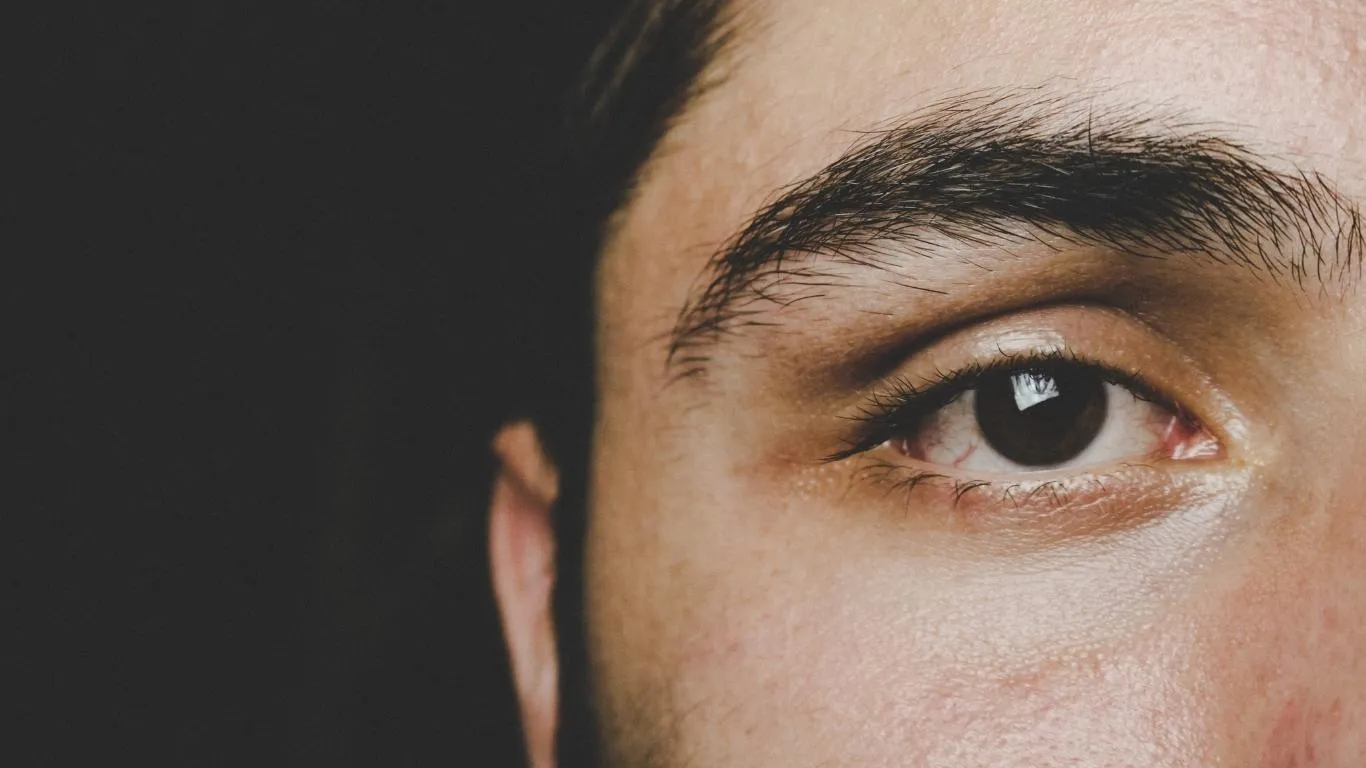
If you’ve noticed floaters after a panic attack, and then started panicking because of the floaters—yep, that’s a cycle. I call it the “loop of doom.” It’s basically your nervous system feeding on itself. You get panicked, you see floaters, your brain flags them as a problem, and then you get more panicked. Fun, right?
But breaking that loop is possible. A few tactics I swear by:
- 20-20-20 rule: Every 20 minutes, look at something 20 feet away for 20 seconds. Gives your eyes a breather.
- Mindful blinking: Yes, sounds silly, but it works. Just pause and blink—especially after arguments or crying.
- Floaters journal: Logging when they show up helped me stop associating them with danger.
Want to know when floaters really signal something bigger? Don’t miss this solid guide on spotting differences between floaters and more serious conditions.
Restoring Your Eyes After Emotional Episodes
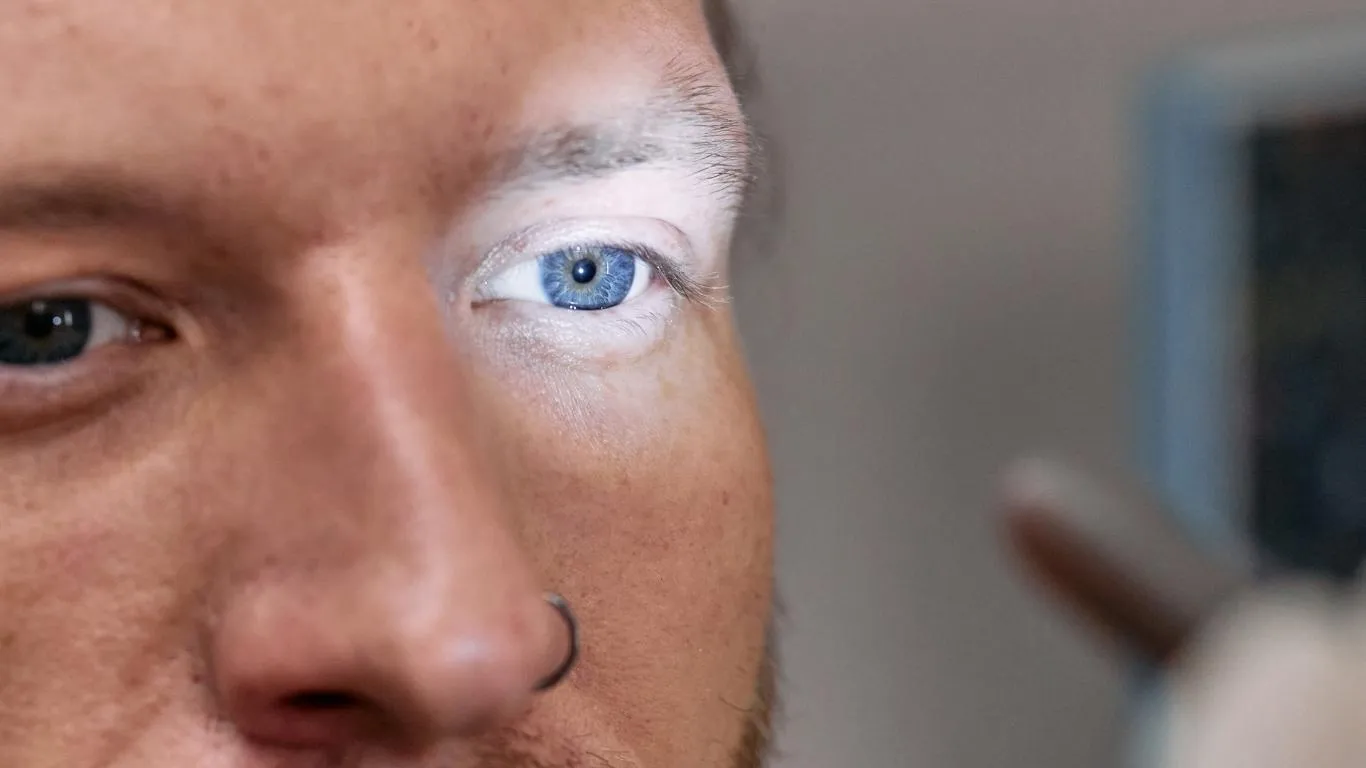
After any intense argument or panic attack, the goal is to calm both your nervous system and your visual system. Here’s a simple post-stress eye reset that works wonders for me:
- Hydration: At least 500ml of water right after the event.
- Cold compress: Over closed eyes for 5 minutes reduces inflammation and tension.
- Dark room: Sit in darkness for 10 minutes without screens. Let your eyes recalibrate.
- Palming technique: Rub hands together, then gently cup your palms over your eyes. No pressure—just warmth.
Eye health isn’t just about what you see—it’s about how you live. Emotional health and visual clarity are more intertwined than we think. If floaters have been making you second guess your sanity after stressful episodes, know that there’s nothing “in your head” about it. Your brain and eyes are connected. It’s that simple.
If you want to explore deeper into treatment options and lifestyle changes, this article breaks down real options from conservative to surgical. And for the bigger picture, the master guide on eye floater causes, symptoms, and treatments is a must-read too.

Camellia Wulansari is a dedicated Medical Assistant at a local clinic and a passionate health writer at Healthusias.com. With years of hands-on experience in patient care and a deep interest in preventive medicine, she bridges the gap between clinical knowledge and accessible health information. Camellia specializes in writing about digestive health, chronic conditions like GERD and hypertension, respiratory issues, and autoimmune diseases, aiming to empower readers with practical, easy-to-understand insights. When she’s not assisting patients or writing, you’ll find her enjoying quiet mornings with coffee and a medical journal in hand—or jamming to her favorite metal band, Lamb of God.