Why Floaters Seen In Calm Bookstores Or Libraries Feel More Distracting
There’s something oddly soothing about wandering into a quiet bookstore or library. The soft hum of an old air conditioner, the faint scent of paper that’s soaked up decades of stories, and the muffled footsteps on carpet can feel like a reset button for the mind. But if you’ve ever noticed little specks, strands, or ghostly shapes drifting through your vision while browsing the shelves, you’re not imagining it. Yes, I’m talking about those curious floaters—and for some reason, they seem to show up more often in the calm, low-light atmosphere of a bookstore or library. I’ve had it happen plenty of times, and as someone who’s both a reader and a bit of a vision health nerd, I decided to dig into why.
What Exactly Are Eye Floaters?
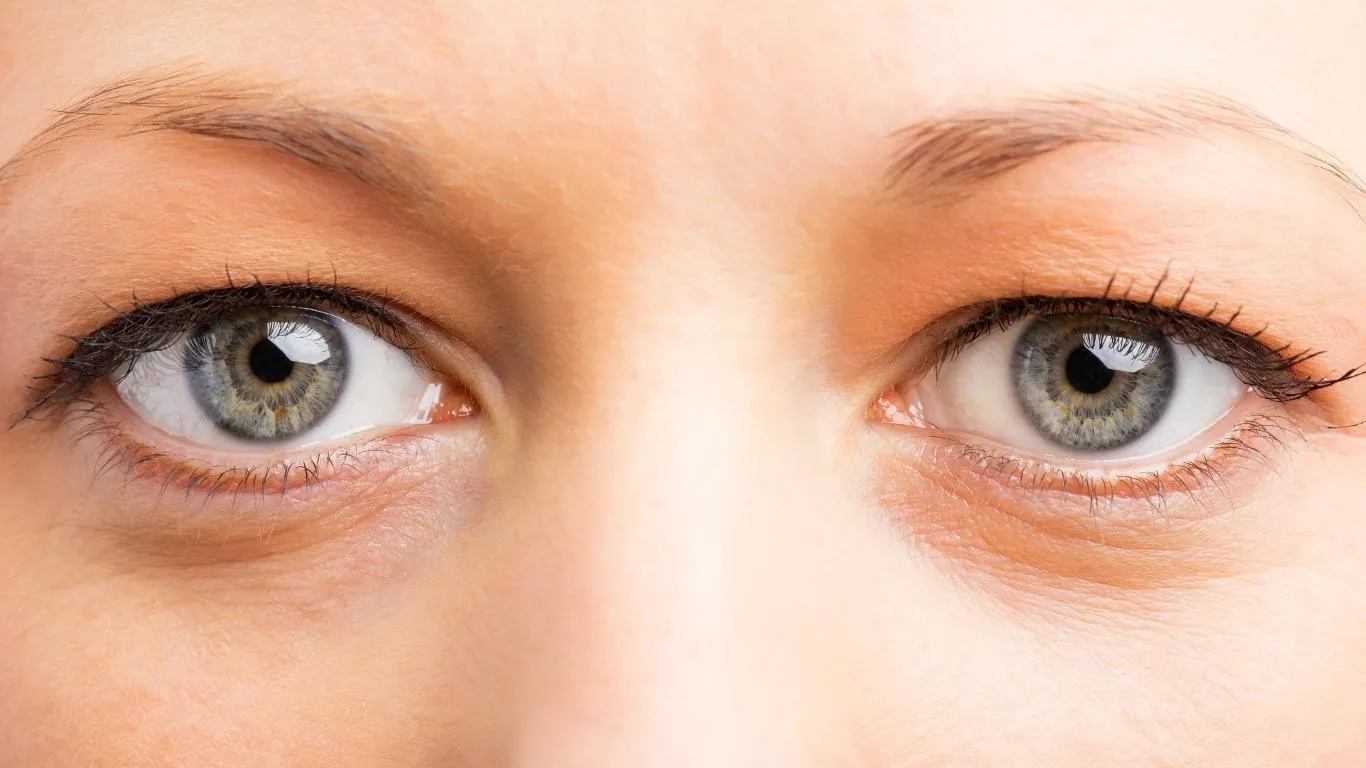
Floaters are tiny clumps or fibers that drift inside the vitreous—the gel-like substance filling most of your eyeball. When light enters the eye, these small objects cast shadows on your retina, and you perceive them as spots, threads, or cobweb-like shapes that move when your eyes move. They can be caused by natural aging of the eye, past injuries, inflammation, or certain medical conditions.
While floaters are usually harmless, the setting you’re in can make them more noticeable. A bookstore or library—with its soft, diffused lighting and large, blank backgrounds like pale book spines or white paper—creates the perfect environment for those shadows to stand out.
Why Floaters Become More Noticeable in Calm Bookstores or Libraries
I used to think my floaters were somehow caused by the lighting in these spaces, but it’s not that simple. The truth is, our environment plays tricks on our perception. Here’s why bookstores and libraries make floaters seem more obvious:
- Neutral, uniform backgrounds: Reading light-colored pages or scanning rows of evenly lit shelves creates high contrast for the shadows floaters cast.
- Less visual noise: Quiet spaces with minimal movement give your brain fewer distractions, making floaters stand out.
- Eye position and focus: Looking up and down at shelves or shifting gaze between books can make floaters drift across your field of vision.
- Lighting contrasts: Many bookstores use warm overhead lighting combined with bright table lamps. This change in brightness can highlight floaters in certain angles.
It’s Not Just the Lighting
Some people assume it’s purely about dim or bright light, but the stillness of these spaces actually matters. Without constant eye movement from busy surroundings, floaters linger longer in your view. This is similar to why some notice floaters more during quiet activities like meditation or slow reading (source).
Could It Be a Sign of an Underlying Issue?
Most floaters are just a byproduct of aging vitreous gel, but if you notice a sudden increase in floaters while in a bookstore or anywhere else, it could signal something more serious—like a retinal tear or detachment. For example, conditions like floaters before a retinal tear are medical emergencies. This is why it’s important not to brush them off if they suddenly change in number, size, or shape.
If your floaters come with light flashes, vision loss, or a curtain-like shadow over your vision, seek immediate medical attention. The signs of dangerous floaters are worth knowing, even if most of the time they’re harmless.
Tips to Minimize the Distraction While Browsing Books

I’ve picked up a few tricks to make floater distractions less annoying when I’m in my favorite quiet reading spots:
- Change your focus frequently: Shift your gaze from near to far objects to keep floaters moving out of your direct vision.
- Choose your spot wisely: Sit in a location with balanced, indirect lighting to reduce shadow contrast.
- Use darker backgrounds: Stand near darker shelves or surfaces to minimize the visibility of floaters.
- Blink more often: Blinking keeps your eyes moist and helps reposition the floaters.
My Personal Library Hack
I sometimes carry a small, soft scarf or notebook with a darker cover and keep it nearby while reading. If my floaters become distracting, I briefly shift my eyes to the dark object—it gives my vision a break before going back to lighter pages.
When to Consider Professional Help
If floaters in calm bookstores or libraries are becoming a regular distraction, it’s worth discussing them with an eye care professional. They can check for causes ranging from age-related vitreous changes to inflammatory conditions. In some cases, treatments—from laser therapy to vitrectomy—might be suggested (explore options here).
For more on how to recognize floater symptoms that shouldn’t be ignored, the main guide on eye floaters offers a solid overview.
Extra Reading for Floater Awareness
Understanding the subtle ways floaters show up in specific environments like bookstores or libraries can help you feel less caught off guard. If you’re curious about other unique floater triggers—such as after eye infections or during pregnancy—the resource on common causes of eye floaters dives deeper.
And while we might not always be able to prevent floaters, recognizing how light, background, and stillness affect them can make your next library trip a bit less distracting—and maybe even help you focus on that novel you’ve been meaning to finish.
On my last library visit, I caught myself staring out a tall window instead of at the book in my hands. Not because the story was dull, but because my floaters had decided to put on a show. They floated lazily across my vision in the bright light streaming in, as if mocking my concentration. It made me realize that these subtle distractions aren’t just occasional—they can become a real part of how you experience calm spaces like bookstores and libraries.
How Lighting Shifts Inside Libraries Affect Floaters
One thing I’ve noticed is that moving between sections in a bookstore or library can trigger different floater visibility. Go from a warmly lit fiction aisle to a sunlit reading nook, and suddenly those little shapes are much easier to see. This is because changes in ambient lighting affect how shadows from floaters are cast on the retina. A sudden bright patch of light—especially if you’ve been in dim surroundings—can highlight them in a way that feels almost instant.
This effect is similar to what happens when floaters become more visible during outdoor activities in bright sunlight (read more here).
Why Stillness Makes Floaters More Noticeable
Stillness is another big factor. In the quiet of a library, there’s minimal peripheral movement. That means your eyes aren’t constantly tracking activity, and your brain has more bandwidth to notice subtle visual imperfections. If you’ve ever sat in a silent reading room for more than ten minutes, you know how easy it is to start noticing every tiny speck in your vision.
Interestingly, floaters can seem even worse during meditative or stationary moments, a phenomenon not unlike floaters visible during candle meditation.
Managing Floater Distraction Without Leaving Your Book
You don’t have to pack up and go home every time floaters make an appearance. There are subtle adjustments that can help while staying in your reading spot:
- Shift your seating: Moving to a spot with softer, evenly distributed light can make a difference.
- Change reading angle: Tilting your head or adjusting your book position can alter how light enters your eyes.
- Take brief eye breaks: Every 10–15 minutes, focus on a distant object to keep floaters moving and less noticeable.
- Engage your peripheral vision: Glance around the room occasionally to reset your visual focus.
Some readers even find that using computer glasses in bookstores helps reduce contrast, making floaters fade into the background.
When Floaters Change in Appearance
If you’re someone who’s lived with floaters for years, you probably know their usual patterns. But a sudden change—like floaters that look larger, darker, or more numerous—should be a red flag. While most changes are harmless, they can also signal complications like silent retinal issues or early signs of eye disease. That’s why eye specialists emphasize regular checkups, even if your symptoms seem mild.
The guide to floater symptoms you shouldn’t ignore can help you determine when to book that urgent appointment.
Environmental Factors Unique to Libraries and Bookstores

From an eye health perspective, bookstores and libraries have a unique combination of factors that can make floaters more visible:
- Static focus zones: Long stretches of visual focus on near objects, like books.
- Mixed lighting sources: Overhead warm lights combined with daylight through windows.
- Monochromatic backgrounds: Pale shelves or walls that amplify shadows in vision.
- Reduced ambient noise: Encourages less physical movement, which means less eye motion.
It’s no wonder many readers report spotting floaters more here than in other public places. The same principle applies to spaces like art galleries or study halls, where stillness and lighting create the perfect conditions for noticing small visual anomalies (more here).
Possible Long-Term Strategies
For those who find bookstore or library floaters increasingly distracting, some long-term approaches might help:
- Eye health nutrition: Diets rich in lutein and zeaxanthin have been linked to better retinal support (explore food sources).
- Hydration habits: Dehydration can make floaters more noticeable, especially under indoor lighting (why this matters).
- Monitoring changes: Track floater visibility in different environments to detect patterns early.
- Professional consultation: Ask about advanced treatment options if floaters affect your quality of life.
Keeping the Reading Experience Enjoyable
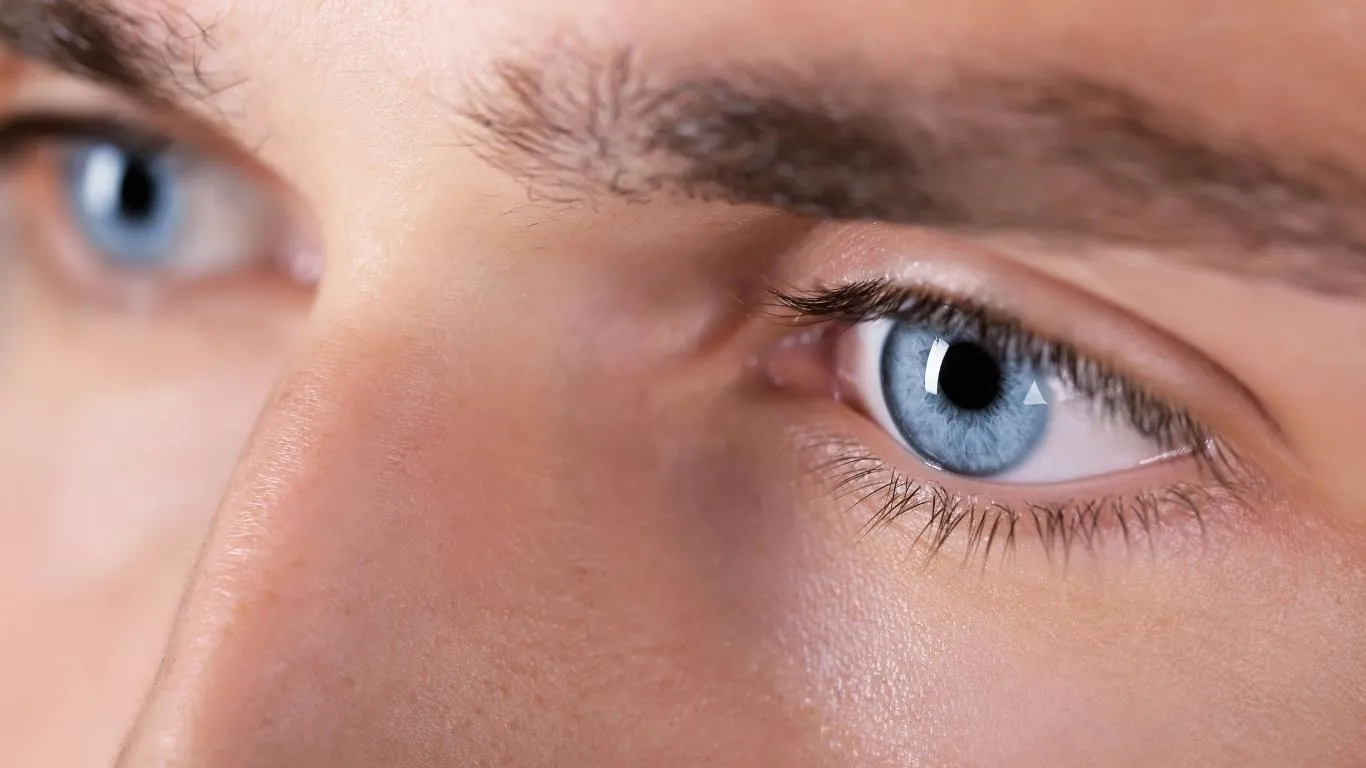
At the end of the day, floaters are part of life for many of us, and they don’t have to ruin the calm of your favorite bookstore or library. Understanding why they appear more often in these environments—and learning a few tricks to manage them—can help you stay immersed in your reading. For a deeper look at prevention and management strategies, the section on natural ways to manage floaters offers some interesting approaches backed by both science and anecdotal experiences.
If you want to go beyond symptom management and explore the root causes, the comprehensive overview on eye floater causes and treatments is an excellent place to start.

Camellia Wulansari is a dedicated Medical Assistant at a local clinic and a passionate health writer at Healthusias.com. With years of hands-on experience in patient care and a deep interest in preventive medicine, she bridges the gap between clinical knowledge and accessible health information. Camellia specializes in writing about digestive health, chronic conditions like GERD and hypertension, respiratory issues, and autoimmune diseases, aiming to empower readers with practical, easy-to-understand insights. When she’s not assisting patients or writing, you’ll find her enjoying quiet mornings with coffee and a medical journal in hand—or jamming to her favorite metal band, Lamb of God.