Why Floaters Seen When Moving Between Dark Rooms May Worsen Vision
Ever walked from a bright room into a pitch-dark one and suddenly spotted strange squiggly shapes drifting across your vision? Yeah, same here. It’s that weird moment where your eyes are adjusting and suddenly—bam—those ghostly floaters decide to steal the spotlight. For a long time, I thought I was just imagining things. Turns out, I wasn’t. And if you’re seeing floaters when moving between dark rooms, you’re definitely not alone. Let’s unpack what’s really going on behind those drifting shadows that always seem to pop up in dim lighting.
Why Do Floaters Show Up More in Dim Lighting?

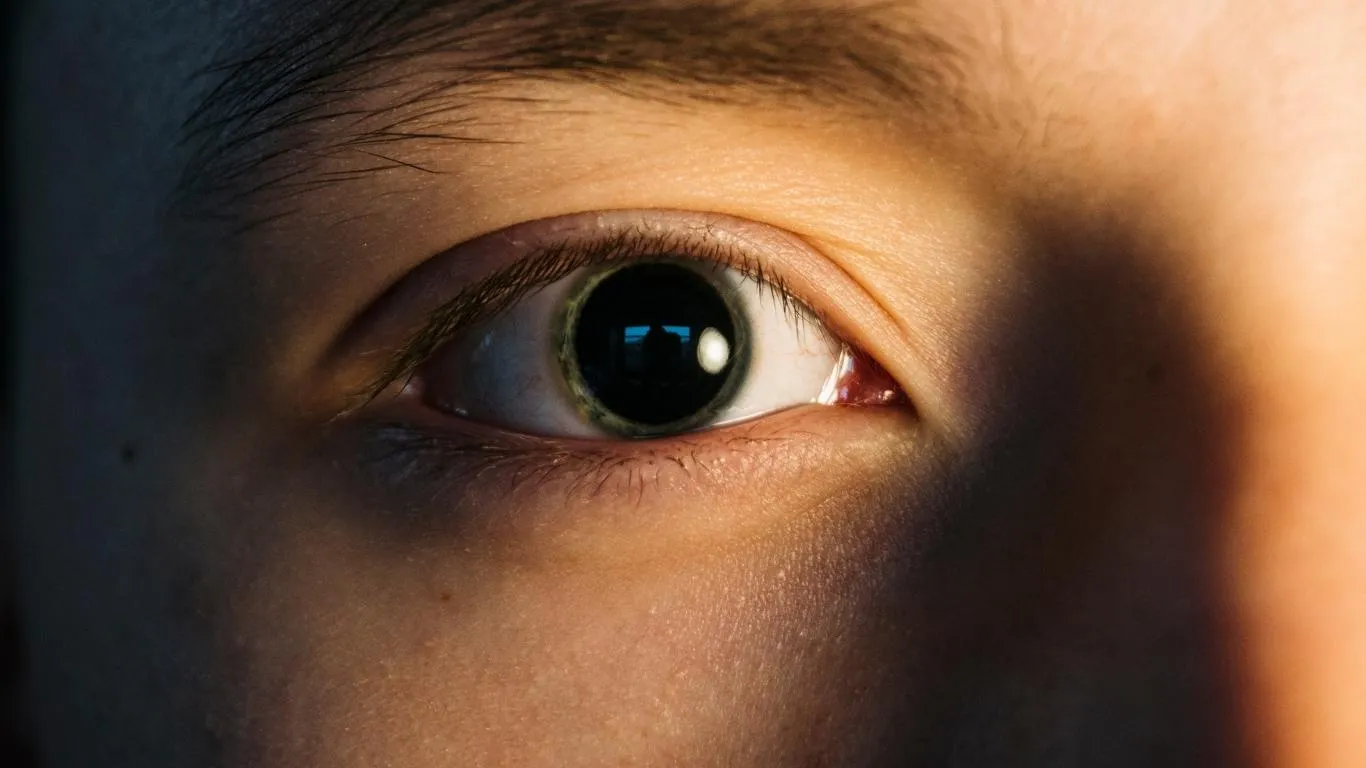
Your eyes do some serious behind-the-scenes work when you go from light to dark. The pupils dilate, your retina switches gears, and visual sensitivity goes into overdrive. That shift makes it easier to notice floaters—those tiny specs, strands, or cobweb-like shapes in your vision.
They’re always there, but in darker conditions, there’s less ambient light for your retina to process, making floaters more prominent. It’s kind of like seeing dust particles float across a sunbeam—except in this case, your eye becomes the sunbeam.
The Vitreous Body and Light Dynamics
Inside your eye is this jelly-like substance called the vitreous humor. Over time or due to certain triggers, it begins to liquefy and collapse slightly. That’s when bits of collagen or cellular debris can cast shadows on the retina. In bright light, these shadows are harder to notice. But in the dim? Oh, they come out to party.
My First Encounter With “Dark-Room Floaters”
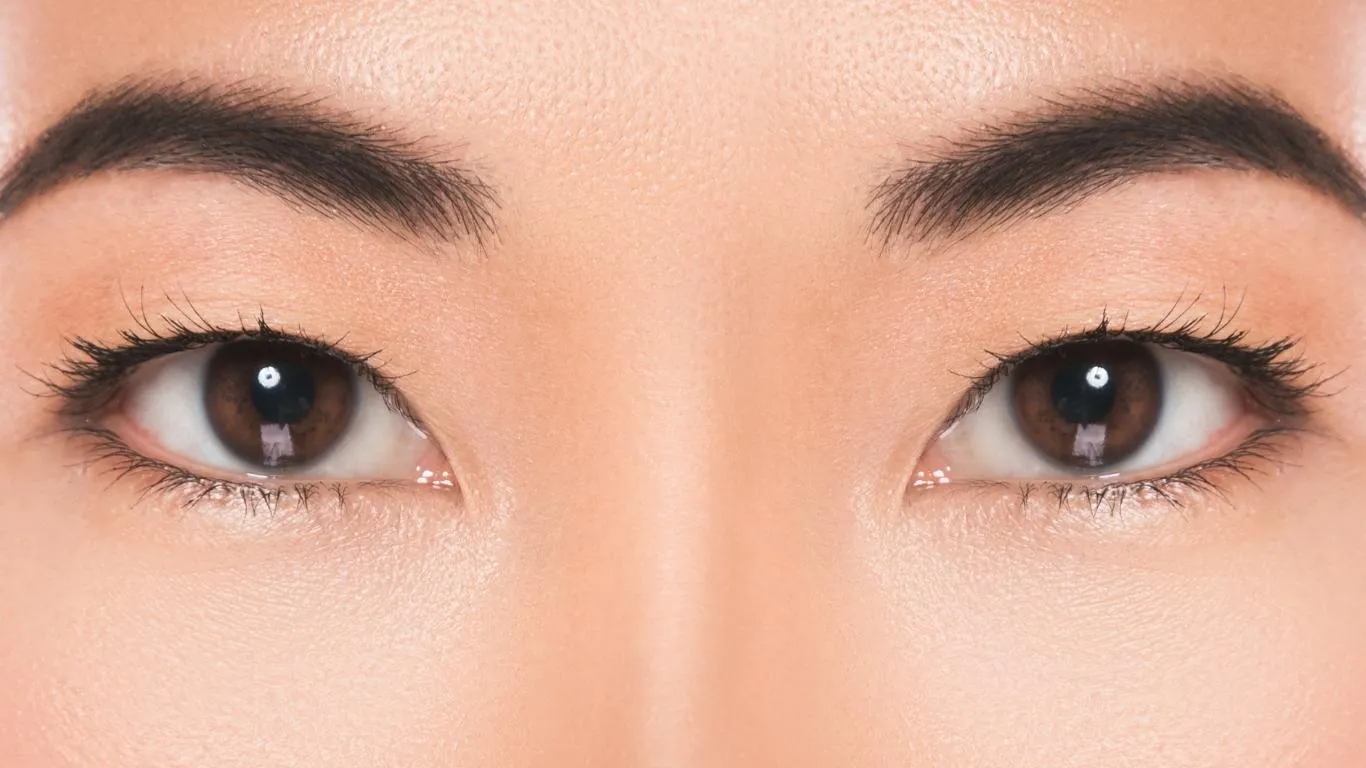
I still remember walking into a movie theater from the sunny parking lot. The moment the lights dimmed, floaters started doing their thing—wavy threads drifting across my view. At first, I blamed the popcorn grease on my glasses. But no, it was my eyes. And once I noticed them, it was hard to unsee them. That’s the thing about floaters—you can’t un-know them once you know they’re there.
Later, I learned that it’s a common complaint. Many people experience intensified floaters when transitioning into dark rooms or during nighttime activities. Some even say they notice them more when watching dark-themed movies or scrolling their phones in bed with the lights off.
What Causes This to Get Worse?
- Age-related vitreous changes: The most common culprit. Your eye’s gel becomes more liquefied, making floaters more mobile and visible. This is a natural part of aging, but it doesn’t make it any less annoying. Learn more about age-related vitreous changes.
- Transitioning rapidly between lighting environments: This amplifies your retina’s sensitivity, making floaters stand out more against dark backgrounds.
- Fatigue and eye strain: When your eyes are tired, especially from screen time or poor sleep, you’re more likely to notice visual disturbances. Poor sleep and floaters are more connected than you think.
- Posterior Vitreous Detachment (PVD): When the vitreous pulls away from the retina, floaters often appear more frequently. This condition becomes more common after the age of 50. For a deeper dive, check out this excellent resource on PVD and floaters.
Are These Floaters a Sign of Something Serious?
Okay, let’s be real—most of the time, floaters are harmless. But there are red flags. If you’re seeing flashes of light along with floaters, or if you notice a sudden shower of new ones, see an eye specialist immediately. It could signal a retinal tear or detachment. A good read on this is this article about floaters before retinal tears.
Also, floaters that get progressively worse or start interfering with your daily vision shouldn’t be ignored. There’s even a fascinating piece on why floaters behave differently under lighting changes, if you’re into the science of it all.
Tips I Use to Make Dark-Room Floaters Less Noticeable
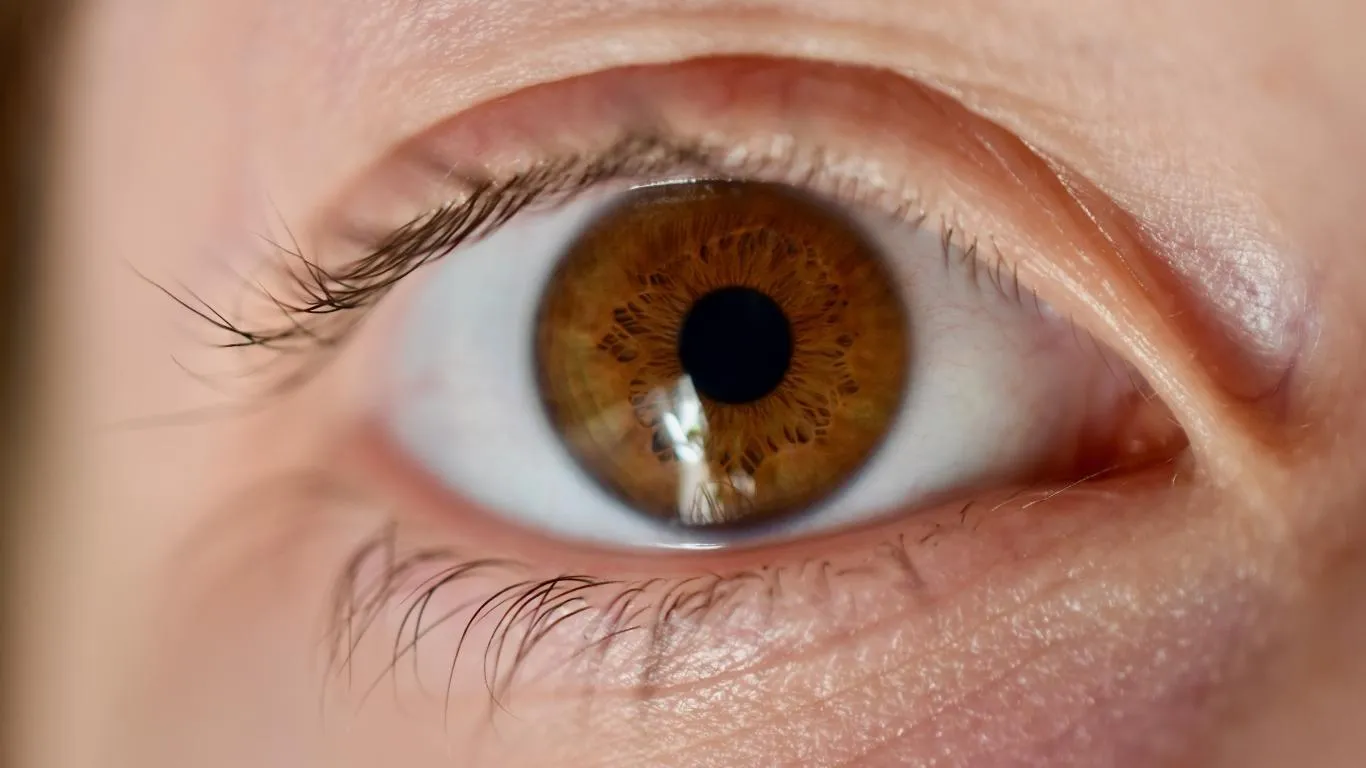
- Controlled lighting: I avoid entering a completely dark room directly from bright sunlight. Gradual light reduction helps ease the transition.
- Eye exercises: Yes, they sound woo-woo, but focusing on different distances helps shift attention away from floaters. A few exercises from this post on eye floaters exercises actually helped.
- Blue light filters at night: This one was huge. Since many floaters show up while using screens in dark rooms, filters make the contrast less harsh.
- Hydration and sleep: I didn’t think my water bottle and pillow had anything to do with my vision—but turns out, they do. Dehydration and sleep deprivation seem to make floaters more annoying. This article on floaters and dehydration convinced me to drink up.
What If They’re Getting Worse?
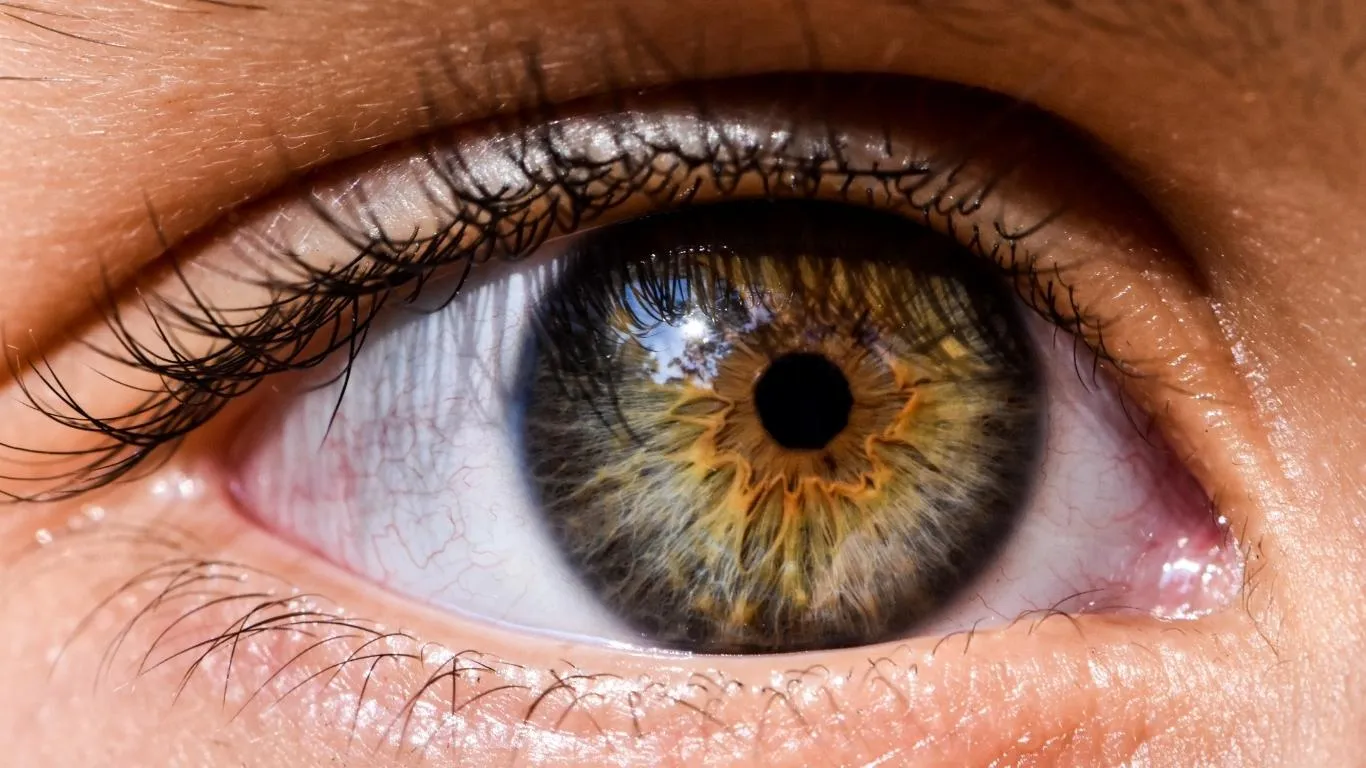
If floaters are progressively more noticeable, especially when switching lighting conditions, it might be time to speak with an ophthalmologist. There’s a growing body of thought around how floaters may be an early warning sign of underlying eye conditions. The comparison between floaters and other eye conditions is super helpful in distinguishing what’s normal from what’s not.
For a deeper understanding of floaters overall, symptoms, and what causes them, check out this guide from Healthusias’ main pillar: What Are Eye Floaters?
Can Anything Actually Help These Floaters Go Away?
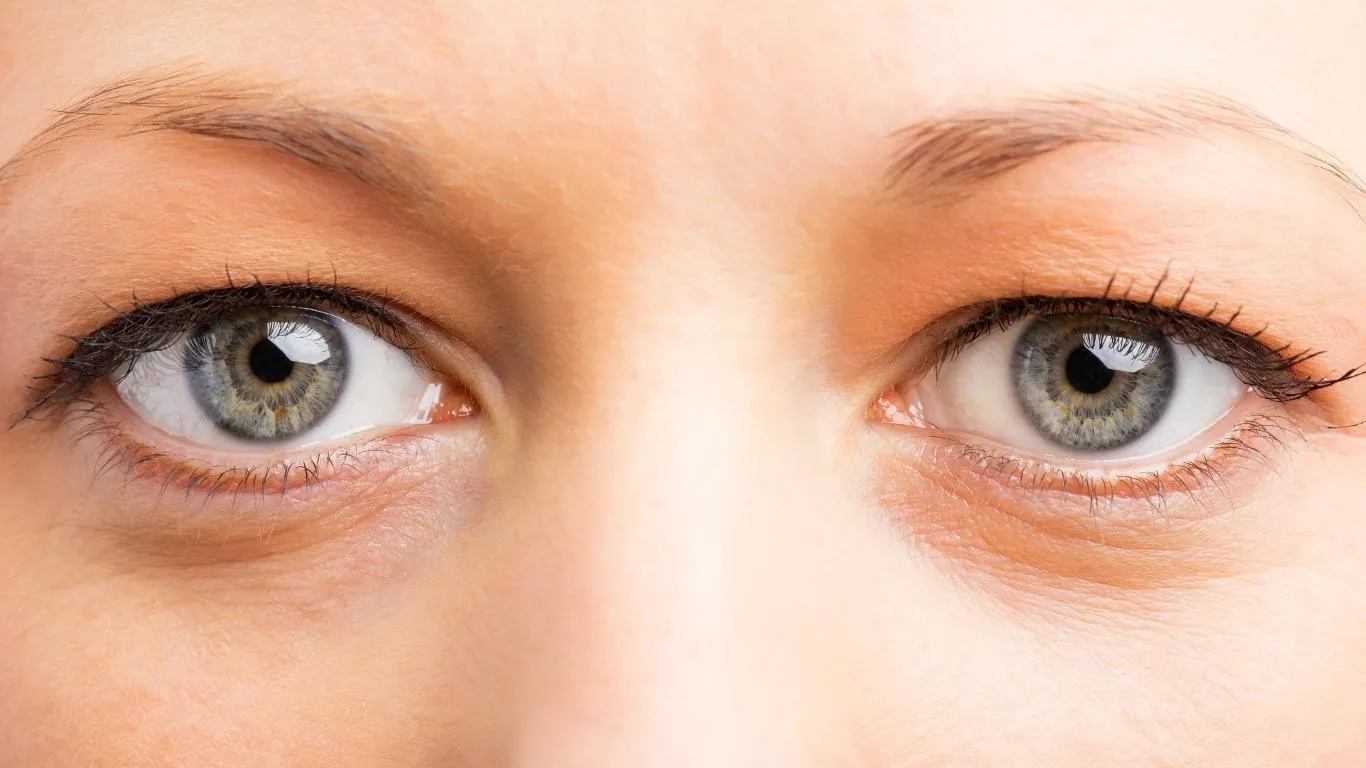
That’s the golden question, right? I’ve googled this in more ways than I care to admit—“how to get rid of floaters,” “floaters in dark room cure,” “can I blink them away?” And while there’s no instant fix (ugh), there are a few real-world solutions worth knowing about.
Observation and Monitoring
This is what most doctors recommend—especially if floaters aren’t affecting your vision too much. You’re not imagining things; they really do fade or settle with time. There’s even evidence that your brain gradually learns to ignore them. I was skeptical at first, but it’s true—I barely notice the ones I saw every day last year.
If you want to know when it’s time to stop “just watching,” check out this resource: When Are Eye Floaters Dangerous?
Natural Management Strategies
- Diet Tweaks: I started adding more omega-3s and leafy greens after reading this post on diet changes for floaters, and while it wasn’t overnight magic, it felt like I was doing something proactive.
- Hydration: Sounds basic, but if you’re even slightly dehydrated, your eye fluid dynamics shift. It made a difference for me when I doubled my water intake.
- Reduce screen glare: Especially at night. Floaters love to show up against harsh contrast, so reducing glare and adjusting screen tone helps keep them quieter.
There’s a whole debate around natural eye floater remedies, and while results vary, a few small changes can definitely help reduce how much you *notice* them.
Medical Treatments: What Works and What’s Risky
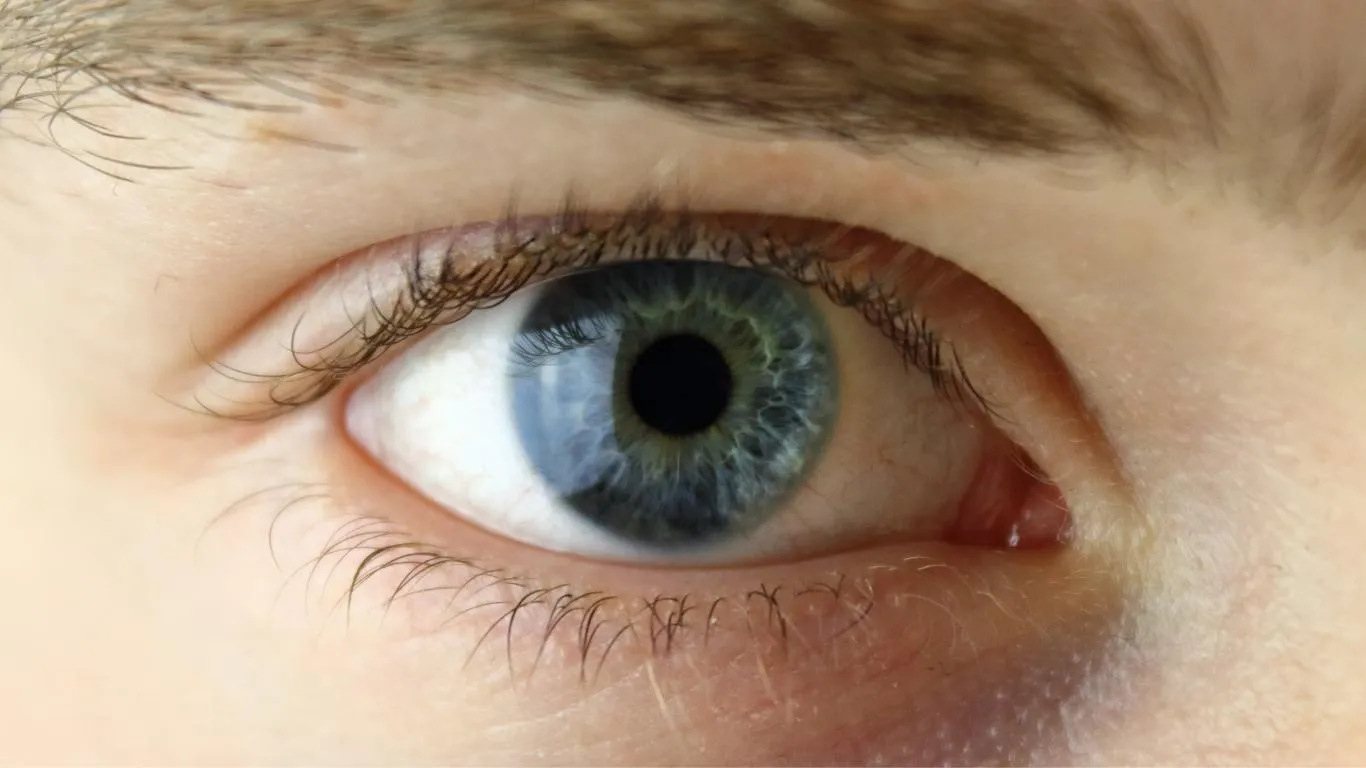
If your floaters are messing with your daily life—driving, reading, working—there are more aggressive options. But they’re not for everyone, and I’d honestly suggest being super cautious here.
Laser Vitreolysis
This treatment uses laser pulses to break up floaters into smaller, less noticeable bits. Some people report major improvement. Others… not so much. There’s a small but real risk it could damage the lens or retina. Definitely something to discuss thoroughly with a specialist.
Vitrectomy
The big guns. It’s a surgery that removes the vitreous gel entirely, replacing it with a saline solution. Effective? Yep. But it’s invasive and comes with its own risks, like retinal detachment or cataracts. It’s typically a last-resort kind of fix.
Here’s a full breakdown of treatment options, from conservative to surgical: Eye Floater Treatment Options.
When It’s More Than Just Floaters
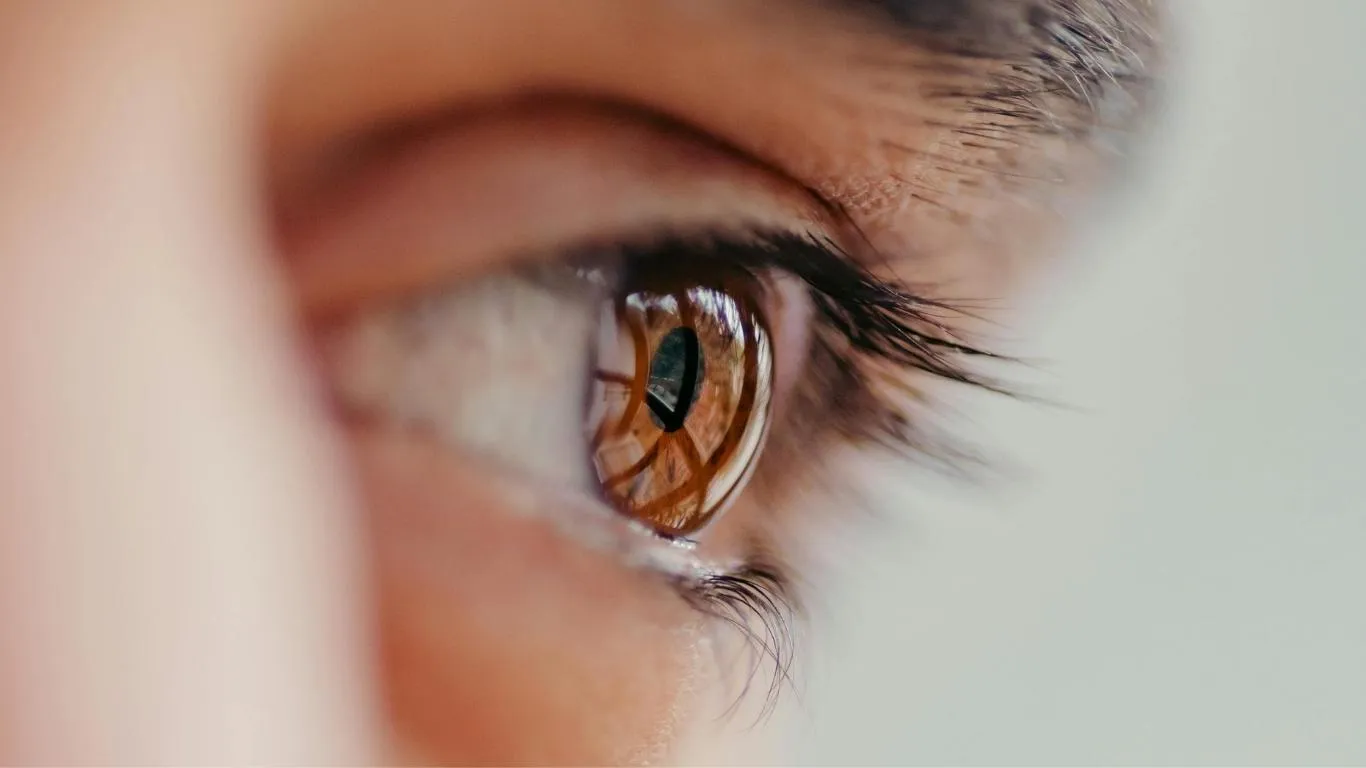
Sometimes what feels like a floater could be something else entirely. I’ve spoken to folks who thought they had normal floaters, but they were actually dealing with early signs of retinal tears, ocular migraines, or even diabetic retinopathy.
One of the trickiest parts? Differentiating between floaters and more serious eye conditions. Here’s a clear, helpful guide that helped me: Floaters vs. Other Eye Problems.
Symptoms You Should Never Ignore
- Sudden increase in floaters (especially if paired with light flashes)
- Loss of peripheral vision (like a curtain pulling across your field of view)
- Floaters in one eye only that are fast-moving or persistent
- Blurred or distorted central vision along with floaters
If anything here sounds familiar, don’t wait. Retinal tears or detachments are serious—and time is everything when it comes to preserving vision.
Can Lifestyle Changes Really Make a Difference?
Short answer? Yes, at least in how often you notice your floaters. After making a few small tweaks—cutting back on screen time before bed, getting outside more, upgrading my lighting at home—I noticed my floaters bothered me less. Were they still there? Of course. But they faded into the background more.
Here’s what I keep in my “floater routine” now:
- Soft lighting: Harsh overhead lights or complete darkness both make floaters pop. Balanced lighting is key.
- Blue light blocking glasses: I wear them at night when scrolling or working. They cut contrast just enough to make floaters less distracting. You can read about it here.
- Screen breaks every 20 minutes: Your eyes need time to reset and rehydrate. Helps with floaters and strain.
- Hydration and diet: Seriously, this one’s underrated. Proper nutrition can support vitreous health in subtle but powerful ways. I followed tips from this supplement guide for eye floaters and noticed steadier eye clarity after a few weeks.
Knowing When to Take Action
Seeing floaters when moving between dark rooms is more common than most of us realize. But knowing what’s normal—and what’s not—makes all the difference. If your floaters change suddenly, affect your vision, or come with other symptoms like light flashes or pain, don’t brush it off. I almost did, and I’m glad I didn’t.
The more we understand our eyes, the better equipped we are to protect them. And for everything floaters—from causes and symptoms to management and treatment—Healthusias has a great go-to page: What Are Eye Floaters?

Camellia Wulansari is a dedicated Medical Assistant at a local clinic and a passionate health writer at Healthusias.com. With years of hands-on experience in patient care and a deep interest in preventive medicine, she bridges the gap between clinical knowledge and accessible health information. Camellia specializes in writing about digestive health, chronic conditions like GERD and hypertension, respiratory issues, and autoimmune diseases, aiming to empower readers with practical, easy-to-understand insights. When she’s not assisting patients or writing, you’ll find her enjoying quiet mornings with coffee and a medical journal in hand—or jamming to her favorite metal band, Lamb of God.