Why Floaters Seen During Sound Bath Therapy May Signal Eye Changes
It was during a sound bath session last fall — you know, those dreamy meditative experiences where crystal bowls seem to hum straight into your soul — that I first noticed them. These tiny specks and thread-like floaters drifting across my vision like dust in sunlight. I thought maybe it was the lighting or my eyes adjusting to the low-lit room. But as I lay still, letting the tones wash over me, they didn’t fade. Instead, they danced — more visible than ever. And that was the start of my curiosity, and if I’m being honest, a bit of concern about what I later learned were called eye floaters.
Why Floaters Appear During Sound Bath Therapy
If you’ve ever found yourself staring at the ceiling of a meditation dome or lying back during a sound healing session, only to be distracted by strange shapes drifting across your vision — you’re not alone. Floaters seen while attending sound bath therapy are surprisingly common, and not because there’s something wrong with the session itself. The calm, low-light environment, paired with stillness, makes these little specks easier to notice.
These visual disturbances are usually due to tiny collagen fibers clumping together in the vitreous — the gel-like substance in your eye. When light enters your eye, it casts shadows of those fibers onto the retina. The result? Those weird floating spots that seem to move when you try to look directly at them.
Now, during a sound bath, your body enters a parasympathetic state — heart rate drops, your mind slows down, and your eyes often remain fixated or closed for extended periods. This combination of physical stillness, dim lighting, and increased internal awareness makes floaters more visible than in your average hectic day.
Are Floaters During Sound Baths a Sign of Something Serious?
The short answer? Not always. But there’s nuance here. Seeing floaters while lying in a calm, low-stimulus setting doesn’t automatically mean there’s an underlying eye disease. For most people, especially those over 35, floaters are part of normal aging. However, sound therapy can draw your attention to them more than usual.
Still, there are cases where floaters shouldn’t be ignored. Sudden bursts, flashes of light, or floaters accompanied by blurred vision or eye pain could signal something more serious — like a retinal tear. If you’re unsure, it’s always a good idea to check with an eye specialist. A helpful guide on when floaters become a warning sign can walk you through those red flags.
Sound Bath Lighting Conditions Make a Huge Difference
Many sound bath practitioners opt for warm, ambient lighting, often using candles or soft LEDs. These settings, especially when your eyes are focused on a single dim light source or fully closed, heighten your sensitivity to floaters. It’s not that the floaters suddenly appear — they’re always there. It’s just easier to spot them in those tranquil settings.
For me, they became most visible when the crystal bowls hit a low frequency, and I instinctively looked toward a flickering candle. That’s when they moved — slowly drifting left to right. It felt distracting at first, but once I understood the mechanism, I could mentally set them aside.
What Can Make Floaters More Noticeable During Meditation?

- Stillness and Focus: During sound baths, your mind isn’t racing — so even the smallest sensory cues, like floaters, become more prominent.
- Ambient or Backlighting: Backlit environments or soft candle glows often highlight the contrast needed for floaters to stand out.
- Eye Positioning: When eyes are partially open or facing up toward light sources, floaters become easier to perceive.
Interestingly, floaters can also become more obvious in other low-stimulus settings like silence therapy sessions or spiritual meditations. It’s the combination of calm and gaze stability that reveals what’s often hidden in the visual background noise.
Is It Just Aging — Or Something Else?
Most floaters are harmless and age-related. As you get older, the vitreous becomes less gel-like and more liquid, which causes clumps to form and drift. But there are also secondary causes that can exacerbate floaters during relaxation therapies, such as:
- Eye fatigue from overuse — especially screen time before attending a session.
- Dehydration, which can impact eye fluid dynamics.
- Mild inflammation from allergies or underlying autoimmune responses.
There’s also the possibility of psychological triggers. According to some anecdotal reports, floaters can be linked to mental exhaustion, anxiety episodes, or emotional moments — all sensations that can be stirred during a deep sound bath session.
When Should You See a Specialist?
If the floaters are consistent, worsening, or begin to affect your daily vision, a visit to an ophthalmologist is worth scheduling. I personally booked mine after my third session, when I noticed not just one or two, but what felt like a veil of them drifting in my peripheral view.
The eye doctor reassured me that it wasn’t serious, but he also highlighted how certain life stages like pregnancy or dietary habits could make them more prominent. He also sent me home with reading on common causes of eye floaters for a deeper understanding.
For those wanting to go a little further down the rabbit hole of what causes these annoying specks, the core breakdown of causes, symptoms, and treatment options can be found in the main floaters guide that’s well worth bookmarking.
Can Sound Frequencies or Vibrations Worsen Floaters?
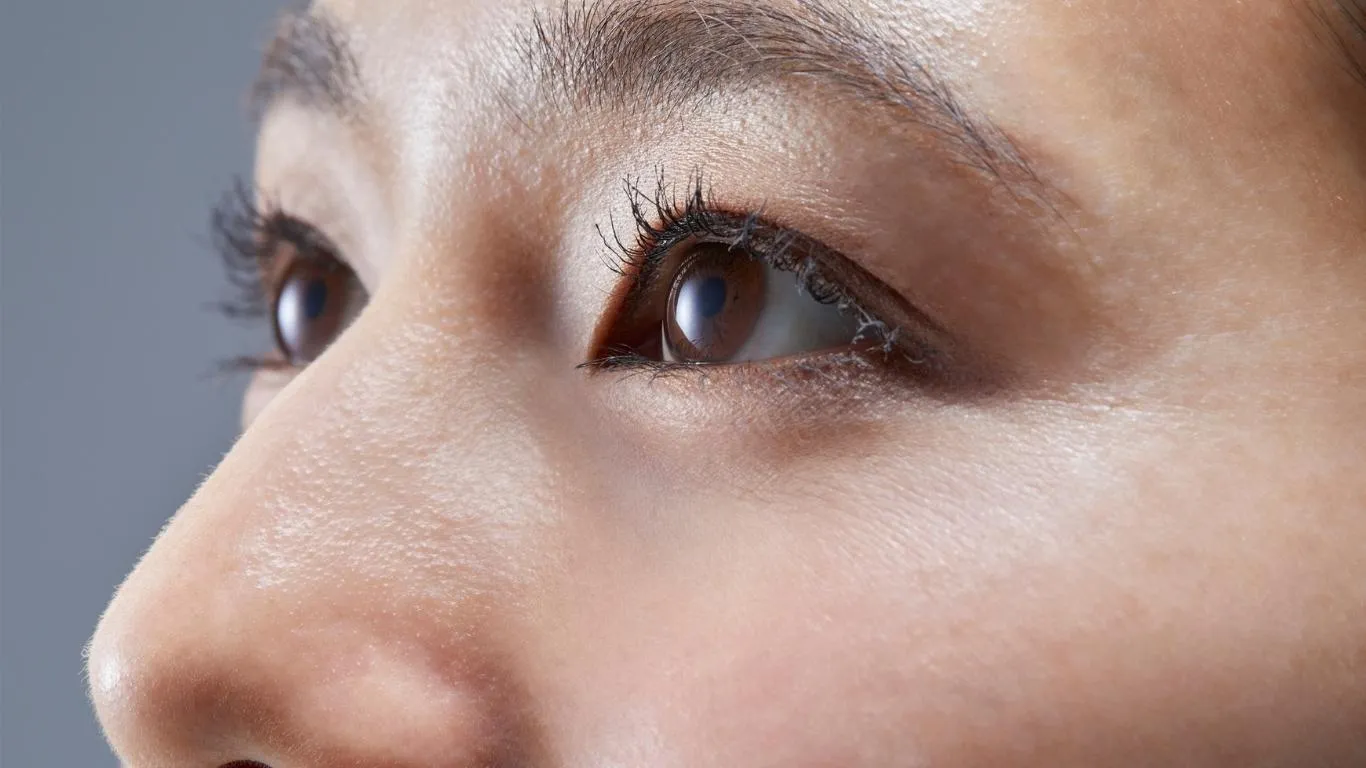
Here’s an interesting one — can the actual sound bath itself play a role? The vibrations of crystal bowls, tuning forks, and other instruments might not cause floaters, but for those with preexisting floaters, the internal vibration or eye muscle response might amplify awareness of them.
Some sound therapists speculate that low-frequency resonance can subtly affect ocular fluid — not in a damaging way, but enough to shift how floaters move, especially if you’re in a reclined or semi-inverted posture. While there’s no peer-reviewed study (yet) linking sound bath frequencies to floater severity, the anecdotal evidence is growing.
If you’ve recently experienced increased floaters after a healing session, you’re not imagining it. More people are reporting the phenomenon — and as awareness grows, we may soon see more clarity from clinical studies (perhaps on ncbi.nlm.nih.gov or aao.org).
#LNF

Camellia Wulansari is a dedicated Medical Assistant at a local clinic and a passionate health writer at Healthusias.com. With years of hands-on experience in patient care and a deep interest in preventive medicine, she bridges the gap between clinical knowledge and accessible health information. Camellia specializes in writing about digestive health, chronic conditions like GERD and hypertension, respiratory issues, and autoimmune diseases, aiming to empower readers with practical, easy-to-understand insights. When she’s not assisting patients or writing, you’ll find her enjoying quiet mornings with coffee and a medical journal in hand—or jamming to her favorite metal band, Lamb of God.