Why Floaters Seen While Lying in Hammocks May Be More Noticeable
It was a breezy Saturday afternoon when I decided to unwind in my backyard hammock. Just as I tilted my head back to enjoy the shifting cloud patterns, there they were again—those squiggly, drifting shadows cruising across my line of sight. At first, I blamed the bright sun. But then I noticed they showed up every single time I lay back in that hammock. If you’ve ever spotted floaters while lying in hammocks, you’re not alone—and there might be more to it than just a trick of the light.
Why Floaters Become Noticeable in Hammocks
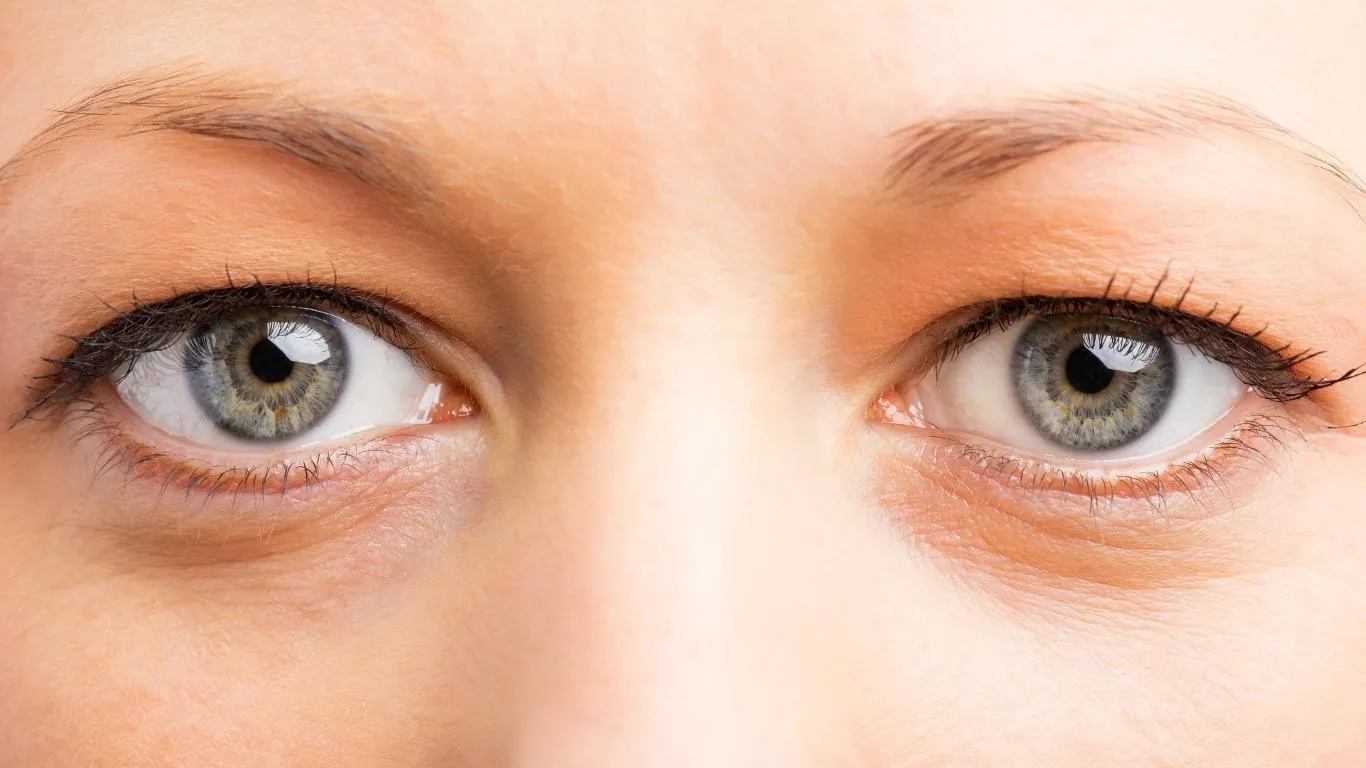
First, let’s break down what floaters are. These tiny shapes—dots, threads, or cobweb-like lines—are essentially small clumps of collagen inside the vitreous humor, the gel-like substance inside your eye. They float around and cast shadows on the retina, which is what makes them visible. So why do they show up more when you’re lying in a hammock?
Lighting Conditions Amplify Visibility
When you lie in a hammock, you’re usually staring at a clear, well-lit sky or watching the leaves above sway in daylight. That bright, uniform background provides the perfect contrast to make floaters pop out. This is the same reason floaters often become visible when looking at white walls or computer screens. Morning light and sunlight create optimal conditions for floaters to be seen more clearly.
Head Position and Eye Movement
Here’s something I didn’t realize until I experimented a bit: when I lay back in the hammock and moved my head just slightly, the floaters seemed to shift more dramatically. That’s because lying down causes the vitreous to settle differently, and gravity slightly alters its position in your eye. The orbital movements caused by head tilts or rocking motions in a hammock can make floaters move in ways you don’t notice while upright.
Is It a Sign of Eye Trouble?
Floaters are usually harmless and part of the natural aging process, but not always. If you suddenly notice more floaters than usual, especially when lying in a hammock or relaxing outside, it could be a red flag.
- Sudden bursts of new floaters
- Floaters that appear with flashes of light
- A shadow or curtain across part of your vision
These symptoms could indicate a retinal tear or detachment. That’s not something to ignore. According to American Academy of Ophthalmology, such signs warrant an immediate eye exam. Floaters that only show up occasionally—like when you’re lying in a hammock—are usually benign. But when paired with other symptoms, it’s best to be safe.
For a deeper dive into when eye floaters cross into dangerous territory, this guide explains the warning signs you shouldn’t ignore.
Could Relaxation Itself Make Floaters Worse?
This one caught me off guard. One day, while lounging in my hammock and listening to a podcast, I felt more mentally at ease than I had in weeks—but visually, the floaters were intense. Turns out, floaters can feel more obvious during times of stillness. When your body relaxes and your eyes stop darting around, you’re more likely to notice subtle movements in your field of vision.
Interestingly, some people only notice floaters in outdoor conversation or silent moments. It’s not just the lighting—it’s the calm state that allows your mind to focus inward, even on those annoying shadows drifting by.
Is There Anything You Can Do About It?
Here’s the thing: most floaters aren’t treatable unless they’re severe. But there are ways to minimize how much they interfere with your hammock downtime. Personally, I’ve picked up a few simple strategies:
- Move your eyes around gently. This shifts the floaters out of your direct line of vision. Try looking left to right, then up and down—slowly.
- Avoid staring into very bright skies. Use a straw hat or light-tinted sunglasses to diffuse the sunlight without blocking the view.
- Stay hydrated. Seriously. Dehydration can make floaters more prominent.
Some folks go further and try supplements or lifestyle adjustments. While the science is still catching up, anecdotal evidence suggests that good eye health habits—like those discussed in natural floater remedies—might provide some relief over time. You can also explore insights in this comprehensive guide on what causes eye floaters and what treatment options exist.
Floaters or Something Else?
It’s worth considering that not everything seen while lying back is a floater. Bright environments, fatigue, or even eye dryness can mimic the look of floaters. Some people even confuse them with visual static or migraine auras. That’s why it’s useful to distinguish floaters from other eye phenomena—especially when your goal is to simply relax under the trees.
To better understand the differences between floaters and similar symptoms, this breakdown in this article is incredibly helpful.
When Floaters Become a Distraction—Or a Signal
It wasn’t until the third or fourth lazy afternoon in my hammock that I realized floaters weren’t just a fleeting annoyance—they were starting to mess with my ability to unwind. I’d find myself hyper-fixated on them, trying to follow their patterns, wondering if they were getting worse. If you’ve been there, you’re not imagining it. Floaters can become psychologically distracting—even emotionally draining—if they constantly interrupt your downtime.
Some studies point to a connection between visual disturbances and mental health. When people feel out of control of what they’re seeing, anxiety can spike. And that’s especially true if floaters show up during your only quiet moments, like when you’re lying still or trying to meditate. In fact, chronic floaters have been linked to increased stress levels in otherwise healthy people.
Are They Worse When You’re Tired?
Yes—absolutely. One day after a string of bad sleep nights, I noticed my floaters not only seemed more active but more intrusive. Turns out, lack of rest can make visual disturbances more prominent. Fatigue affects how your brain processes visual information, making even small floaters feel more dramatic. And guess what? That hammock nap you were hoping for might not offer full relief if your floaters are flaring up due to sleep deprivation.
Do Hammocks Cause Floaters to Form?

This question pops up a lot, especially in online forums where hammock enthusiasts and outdoor loungers hang out. The short answer is no—hammocks don’t *cause* floaters. But they do reveal them. The change in posture, the shifting head tilt, and the bright visual field just make preexisting floaters more noticeable.
However, sudden increases in floaters while lying back should be monitored. If you’ve experienced a sudden jump in floater activity—especially while resting in different lighting environments—it’s not a bad idea to get a retinal check. Floaters can, in rare cases, be a signal of vitreous detachment or small retinal tears.
What Kind of Floaters Show Up in Hammocks?
The ones you’re likely to see when reclining are usually:
- Linear strands – They look like transparent fibers or threads.
- Spots or dots – Small, dark, static shapes that drift slowly.
- Web-like clusters – Usually more common with age-related vitreous changes.
And sometimes, lying back can make zigzag-like patterns appear if your eyes are adjusting too quickly to bright conditions.
Practical Ways to Keep Floaters From Ruining Your Hammock Time
I’ve started experimenting with how to make my outdoor lounging more eye-friendly, and here’s what’s actually helped reduce how noticeable the floaters are:
- Switch to shaded hammocks. Avoid staring directly into bright white or blue skies. Hammocks under trees or shade cloths work wonders.
- Use amber-tinted sunglasses. They reduce high contrast without darkening your view too much.
- Keep your head slightly elevated. Lying flat can intensify floaters by allowing the vitreous to press more directly against the retina.
- Stay hydrated and rest well. Sounds simple, but poor hydration and bad sleep can absolutely amplify your awareness of floaters.
Some people also swear by gentle eye movement exercises, and while I’m not a doctor, I’ve found that calmly tracing circles with my gaze can break the focus on floaters when they get overwhelming.
When to Call an Eye Doctor
Let’s not play the guessing game with vision. While floaters are typically harmless, there are times when they shouldn’t be ignored. Here are clear signs you should get checked immediately:
- New floaters that appear suddenly or dramatically increase
- Flashes of light in your peripheral vision
- Loss of side or central vision
- A gray curtain descending over part of your sight
These could be signs of retinal detachment, which requires urgent care. Learn more in this comprehensive treatment guide for floaters, which outlines when surgery or laser therapy might be needed.
Hammock Time Can Still Be Your Time
If floaters are making your peaceful hammock sessions stressful, you’re not alone—but you’re also not helpless. Most of the time, they’re a natural part of the aging eye, nothing more. But being proactive—through hydration, smart lighting, proper posture, and awareness—can help you enjoy your outdoor sanctuary with fewer distractions.
Need a foundational understanding of what’s happening inside your eye? You might want to check out the main pillar article on causes and symptoms of eye floaters—it really helped me feel more in control of what I was seeing.

Camellia Wulansari is a dedicated Medical Assistant at a local clinic and a passionate health writer at Healthusias.com. With years of hands-on experience in patient care and a deep interest in preventive medicine, she bridges the gap between clinical knowledge and accessible health information. Camellia specializes in writing about digestive health, chronic conditions like GERD and hypertension, respiratory issues, and autoimmune diseases, aiming to empower readers with practical, easy-to-understand insights. When she’s not assisting patients or writing, you’ll find her enjoying quiet mornings with coffee and a medical journal in hand—or jamming to her favorite metal band, Lamb of God.