Why Floaters That Appear When Changing Mood May Signal Eye Strain
Not gonna lie—seeing strange specks or squiggly threads float across my vision used to totally freak me out. Especially when they seemed to *only* show up when my mood shifted. Like, I’d be stressed, anxious, or even suddenly relaxed after a long cry, and boom—there they were. Little translucent shadows dancing across my sight. I honestly thought I was losing it. Turns out, I wasn’t alone. If you’ve ever noticed floaters that appear when changing mood, there’s a lot more going on beneath the surface than just tired eyes or imagination.
What’s the Deal with Mood-Triggered Floaters?
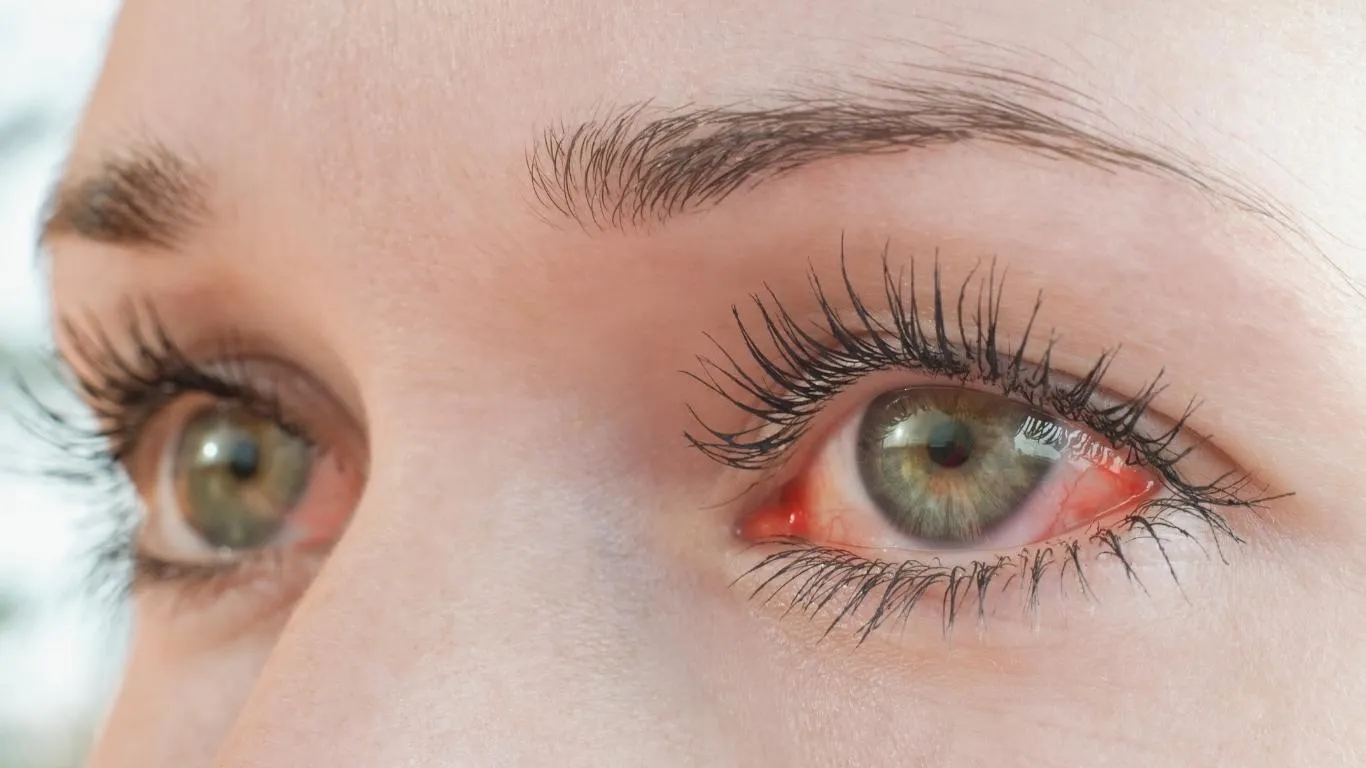
Floaters are tiny bits of protein or cellular debris drifting inside your vitreous—the gel-like substance in your eye. While they’re commonly associated with aging, trauma, or eye issues, they can also be influenced by something a bit more unexpected: your mood.
Sounds bizarre? Let’s break it down. Shifts in emotional state can affect several physiological processes: blood pressure, pupil dilation, hydration levels, and even how your body regulates light sensitivity. All of these, in turn, impact your visual system—especially if you already have some vitreous degeneration going on.
Why They Show Up More During Emotional Shifts
- Stress spikes cause tension in your neck and shoulders, leading to eye strain and reduced blood flow to the eyes.
- Crying or emotional release can change fluid dynamics inside the eye.
- Anxiety may alter breathing patterns, affecting oxygenation and increasing visual anomalies.
- Depression or fatigue can make floaters more noticeable due to lower overall eye function and focus.
Interestingly, in some cases, people who report floaters after emotional breakdowns or sudden mood swings often also experience what’s known as visual overstimulation or sensory overload. This doesn’t mean you’re imagining things—it’s your body reacting to internal shifts in real-time.
The Link Between Floaters, Hormones, and Mood
Here’s where it gets more interesting. Hormones, especially cortisol and adrenaline, surge with mood changes—and they affect your eyes more than you might think. Cortisol, in particular, can accelerate collagen breakdown, making floaters more prominent. People with hormonal imbalances and floaters often notice these visual disturbances fluctuate with stress, menstrual cycles, or even emotional trauma.
That might explain why floaters tend to “flare up” during PMS, after crying spells, or even after a particularly stressful meeting. Trust me, I’ve been there. Staring at my laptop during a tense deadline and thinking, “Why does my vision look like a lava lamp?”
Can Anxiety and Mental Fatigue Make It Worse?
Absolutely. When you’re mentally exhausted, you tend to blink less, focus harder, and stress your eyes more. Combine that with erratic sleep and coffee-fueled panic, and floaters suddenly become a front-row performance. According to research from aao.org, sustained eye strain can exacerbate the visibility of pre-existing floaters—especially under bright or high-contrast lighting.
There’s also a growing link between mood disorders and changes in visual perception. Some neurologists suggest that the brain’s processing speed of visual data slows under emotional distress, making floaters seem more pronounced. Not more of them, just… louder, if that makes sense.
Floaters or Something Else?
Now here’s the tricky part—not everything that looks like a floater is a floater. Some people mistake visual snow, aura from migraines, or even signs of retinal stress for floaters. The difference? Floaters are usually translucent or gray, and they follow your eye movement with a slight delay. If what you’re seeing flashes, pulses, or sparkles, it may be something else entirely.
If you’re unsure, this breakdown between visual static and floaters is super helpful. Especially if what you’re seeing appears only during certain light exposures or head tilts.
When You Should Worry
- If floaters are suddenly accompanied by light flashes or vision loss.
- If they appear after trauma or head injury.
- If they increase dramatically within hours or days.
Any of the above could signal something more serious, like a retinal tear. In those cases, checking out when eye floaters are dangerous can save your vision—literally.
Helpful Ways to Cope Without Freaking Out
So, what helped me? Not just time—but these:
- Hydration: Sounds basic, but staying hydrated can make a huge difference.
- Eye breaks: The 20-20-20 rule is your friend: every 20 minutes, look at something 20 feet away for 20 seconds.
- Breathwork & meditation: I resisted it for years, but the first time I noticed fewer floaters after deep breathing, I was hooked.
- Omega-3s & antioxidants: A game-changer for overall eye health. I started after reading this piece on the best supplements for floaters.
If you want to understand more about what really causes these strange specks in your vision, this main article on causes and treatments is solid. For differentiating floaters from similar eye problems, this guide on eye floaters vs. other eye problems might clear things up.
Can Emotional Regulation Reduce Floaters?
Here’s something that surprised me: after tracking my floater episodes for a while, I realized they often showed up when I was emotionally wound up—not necessarily sad, just overstimulated. Mood changes weren’t just triggers—they were amplifiers. So I got curious. Can calming down actually reduce floaters?
Turns out, yes—kind of. While emotional regulation doesn’t erase floaters (unfortunately), it can seriously lessen their visibility. Why? Because it minimizes stress-related physiological responses that make them stand out in the first place. When you’re emotionally grounded, your pupils are more stable, your breathing is regulated, and your focus sharpens—all things that reduce floater distraction.
Simple Mind-Body Practices That Help
- Progressive muscle relaxation to ease facial and ocular tension
- Box breathing for nervous system reset (inhale 4 sec, hold 4, exhale 4, hold 4)
- Low-light meditation to reduce light scatter and visual noise
- Eye yoga (yes, it’s a thing) to increase blood flow around the eyes
I started implementing a few of these during morning routines and stressful workdays. Not only did I feel better overall, but I noticed fewer floater “flare-ups.” It wasn’t magic—it was mood management, and it worked.
When Mood Isn’t the Only Culprit
If your floaters are persistent regardless of mood, or they’ve been slowly getting worse, it’s time to widen the scope. Floaters linked to conditions like uveitis, diabetes, or autoimmune issues can overlap with mood symptoms—but the cause is more structural than psychological.
Here are a few red flags that suggest mood isn’t the only trigger:
- Floaters that appear only after physical trauma or eye injury
- Black floaters that look like shadows or cobwebs (like this)
- Floaters that come with flashing lights, halos, or peripheral blur
In these cases, see an ophthalmologist ASAP. You don’t want to assume it’s “just stress” when it could be a retinal tear or something more serious. Always better to be safe than visually sorry.
Daily Habits to Keep Mood-Based Floaters in Check
Here’s the part that felt like a lifestyle makeover for me. When I started optimizing my habits, the frequency of mood-related floaters dipped noticeably. Nothing extreme—just consistent adjustments.
What Actually Helped
- Anti-inflammatory diet: more berries, leafy greens, and turmeric (less sugar and caffeine)
- Digital breaks: floaters get worse after long screen sessions, especially with high contrast (hello, Google Docs)
- Sleep hygiene: floaters were worse after 5-6 hour nights. I need 7.5, minimum.
- Low-brightness screen settings: surprisingly reduced how much I noticed them
- Staying cool during conflict or anxiety surges: floaters love chaos, not calm
And yes, hydration. You’ll hear it a thousand times, but dehydration thickens the vitreous, making floaters more defined. Check this article on dehydration and floaters—it helped me connect the dots.
What Experts Say About Mood and Vision
According to the National Institutes of Health, mood disorders often influence sensory perception—including vision. This is why floaters might “seem” worse when you’re overwhelmed. It’s not that they multiply—it’s that your brain filters them differently. When your nervous system is on high alert, your visual cortex may highlight anomalies like floaters more aggressively.
The American Psychological Association also points out the role of psychosomatic feedback loops—how symptoms like floaters can trigger anxiety, which then makes the floaters more noticeable, creating a vicious cycle. Breaking that loop through emotional regulation is often the most accessible tool we’ve got.
Should You See a Specialist?
If you’ve tried relaxation, sleep, diet, and screen changes and still see no improvement, getting a retinal scan or visiting a neuro-ophthalmologist might be the next step. Especially if your floaters worsen under bright light or come with headaches, as discussed in this floater-headache connection article.
Takeaway: It’s Not in Your Head—But It’s Affected by It
Experiencing floaters that show up when your mood changes is real, and no, you’re not imagining it. The connection between emotions and your eyes is well-documented—and deeply intertwined. By taking simple steps to manage mood, you can ease both the visual symptoms and the stress that makes them louder in your life.
For a full breakdown on symptoms you should never ignore, check out the comprehensive guide on eye floater symptoms. And if you’re new to this world, the main explainer on what causes eye floaters gives a solid foundation.

Camellia Wulansari is a dedicated Medical Assistant at a local clinic and a passionate health writer at Healthusias.com. With years of hands-on experience in patient care and a deep interest in preventive medicine, she bridges the gap between clinical knowledge and accessible health information. Camellia specializes in writing about digestive health, chronic conditions like GERD and hypertension, respiratory issues, and autoimmune diseases, aiming to empower readers with practical, easy-to-understand insights. When she’s not assisting patients or writing, you’ll find her enjoying quiet mornings with coffee and a medical journal in hand—or jamming to her favorite metal band, Lamb of God.