Why Floaters Get Worse With Eye Dilation Speed
If you’ve ever had your pupils dilated at the eye doctor and noticed your floaters suddenly shift, stretch, or speed around like they’re late to a meeting—you’re definitely not alone. I used to think it was just a side effect of the bright lights they use, but over time, I started noticing a consistent pattern. Whenever my eyes were dilated—whether medically or naturally—my floaters acted… well, different. They’d swirl faster, float higher, or just morph into shapes that didn’t look the same under normal conditions. This article unpacks why that happens, and what it might mean for your eye health.
Why Do Floaters Change During Pupil Dilation?

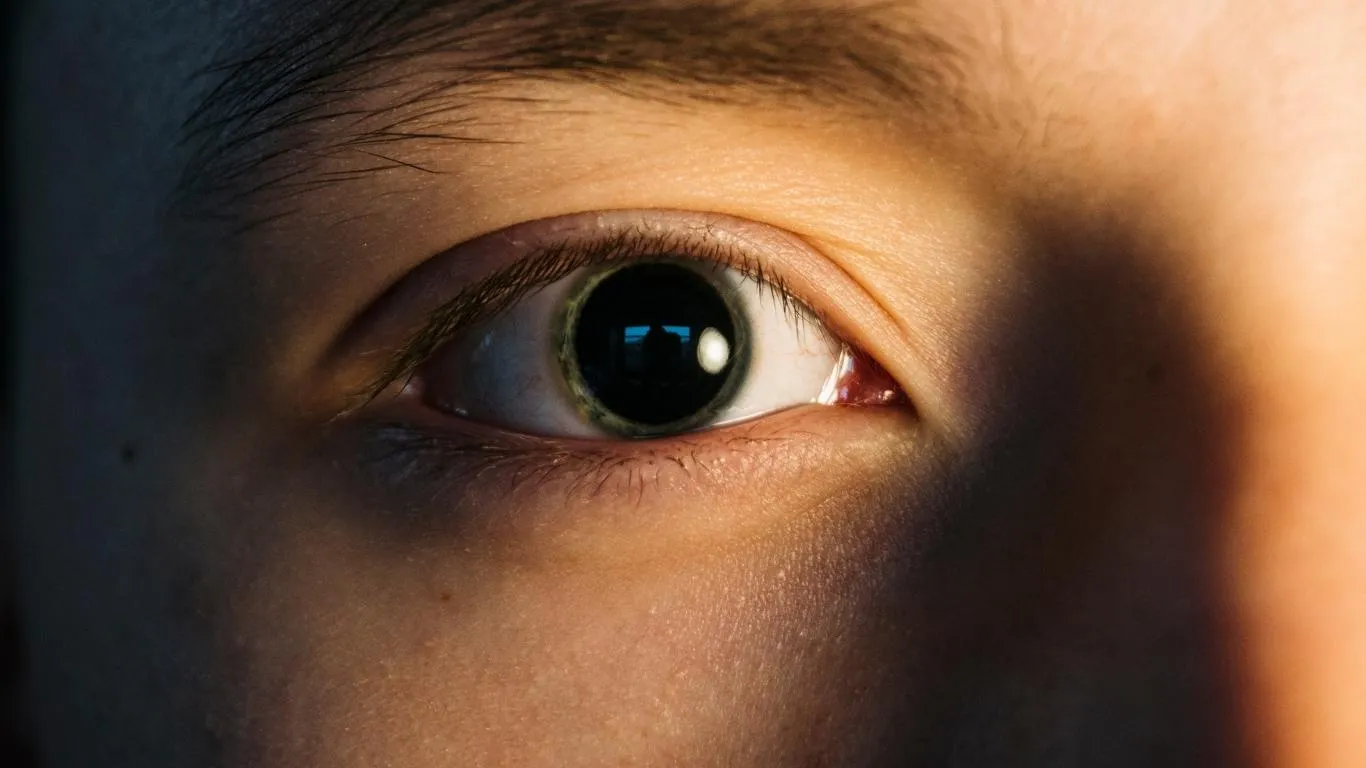
When your pupils dilate, either from drops or dim lighting, more light floods into the eye—giving floaters a whole new stage to perform on. They’re not changing shape in reality, but how you perceive them shifts dramatically. This is because dilation affects how light hits the vitreous gel inside your eye, which is where floaters are born.
The Science Behind It
Floaters form from tiny clumps of collagen or cellular debris suspended in the vitreous. As the vitreous shrinks or shifts with age or trauma, these particles cast shadows on your retina. With dilation, the way those shadows are projected becomes more dynamic—resulting in floaters appearing faster, sharper, or oddly distorted.
- Increased pupil size allows more peripheral light
- Greater contrast against bright backgrounds
- Faster eye movement visibility due to light sensitivity
So no, you’re not imagining things when floaters “dance” more intensely after dilation—it’s physics, not paranoia.
Personal Experience: When Floaters Feel Like They’re Speeding
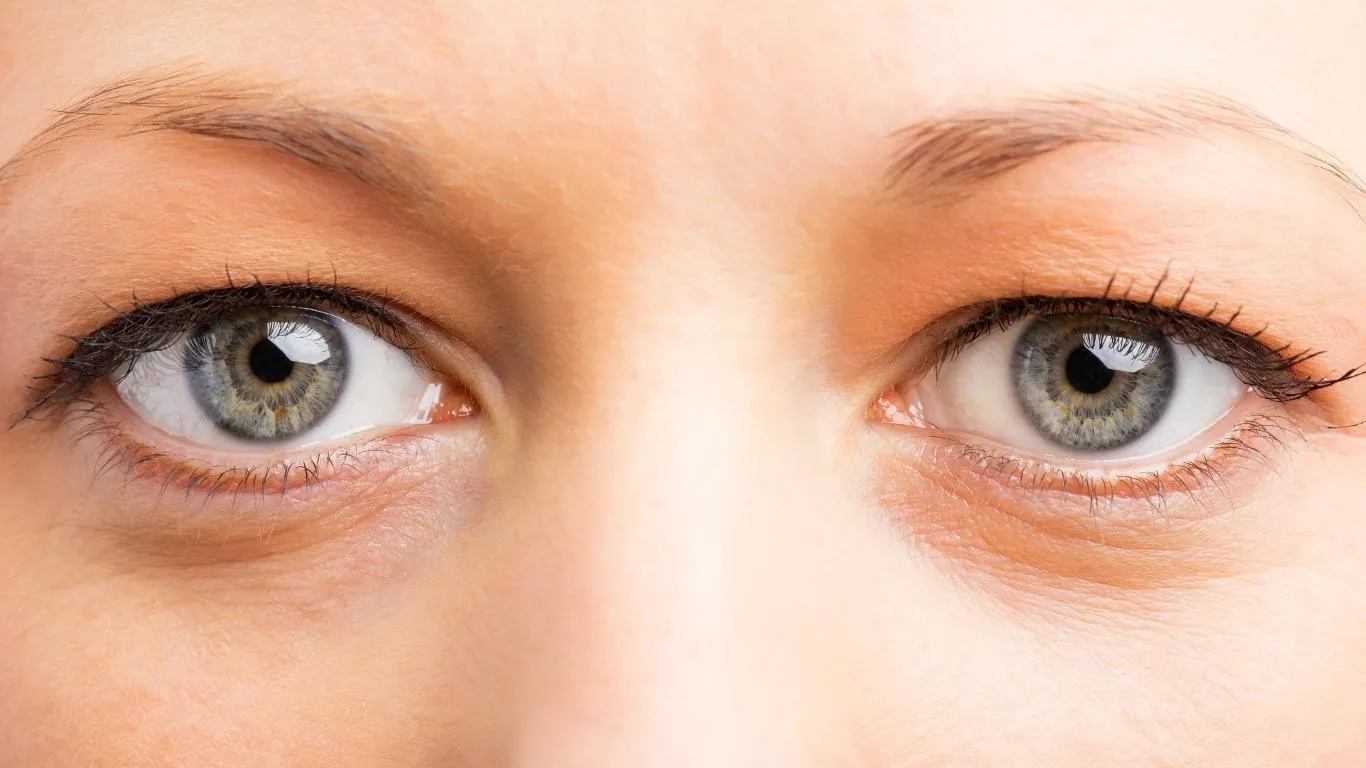
The first time it happened to me, I honestly thought something was going wrong. I had just finished a routine eye exam and was walking to my car when the floaters zoomed past my vision like I was watching a glitchy VR video. Turns out, dilation just amplifies everything that’s already happening in the eye. It’s unsettling, but not always dangerous.
That said, it’s important to differentiate between floaters that change with dilation speed and those that show up persistently after dilation drops. If they linger long after your eyes return to normal, it’s worth digging deeper.
When It’s More Than Just Dilation
Some floaters react dramatically to pupil dilation because of underlying issues. According to American Academy of Ophthalmology, this could be due to:
- Posterior vitreous detachment (PVD)
- Changes in intraocular pressure during dilation
- Disrupted light focus from lens curvature under dilation
While it’s rare, dilation might “expose” floaters that are tied to more serious changes in the retina or vitreous.
Are Speed-Shifted Floaters a Sign of Damage?
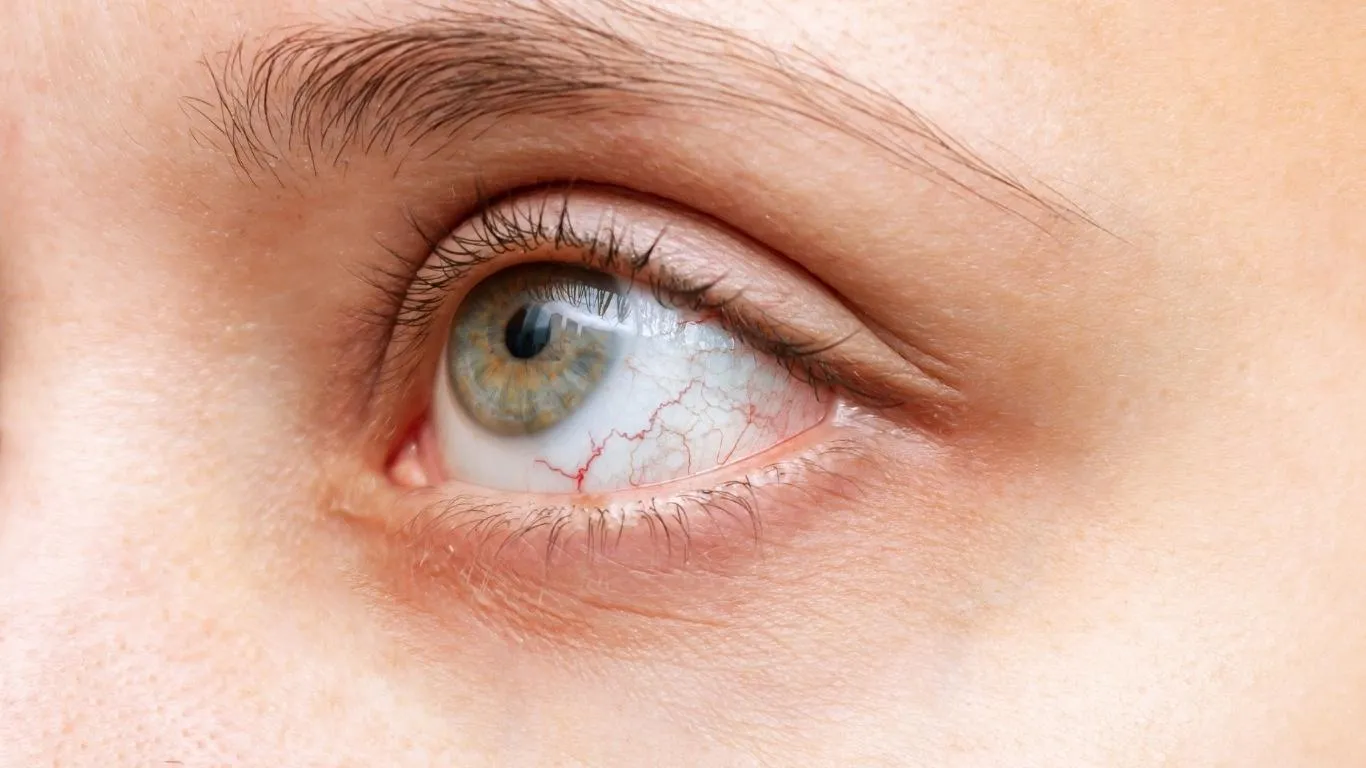
Most of the time, floaters that act erratic under dilation are just reacting to new light dynamics. But not always. I remember someone from my vision therapy group had floaters that sped up after dilation, but hers were due to posterior vitreous detachment—which wasn’t caught until months later.
If floaters suddenly increase in speed and number, or are accompanied by flashes or vision loss, see a specialist immediately. This combo can be a red flag for retinal tears or detachment. More on that in this detailed guide on pre-retinal tear symptoms.
It’s Not All Bad News
The silver lining? Many floaters that look wild under dilation settle down within hours. Your eye adapts, the lighting shifts, and your brain starts to ignore them again. Still, you’ll want to track any changes post-dilation. If a floater doesn’t go away, or keeps shifting even days later, don’t wait—get a retinal check.
What Makes Some Floaters Change More Than Others?
Not all floaters are created equal. Some are small and stringy, others are big, round, or blob-like. The size, shape, and density of a floater determine how much it shifts when light hits differently. Those denser “snow globe” floaters tend to look like they’re bouncing faster under dilation conditions.
- Gel debris = smoother movement
- Collagen strands = slower drift
- Hemorrhagic (blood-based) floaters = unpredictable speed
And let’s not forget: floaters are also affected by how hydrated you are, your stress levels, and even your sleep. More on that in this detailed breakdown of caffeine and floater speed.
How to Monitor Floaters That Shift With Dilation
If you’re someone who frequently undergoes dilation (I get it, retinal scans are part of my life now), it’s worth tracking changes. I use a simple notebook to note:
- Time dilation started
- Type of drops used
- How the floaters behaved (speed, shape, quantity)
This kind of log can be surprisingly useful. In fact, during a follow-up with my optometrist, he was able to pinpoint an early PVD based on my floater log alone. It’s not high-tech, but it’s effective.
To get a full sense of how floaters behave under different scenarios (beyond dilation), check out this in-depth piece on what happens post dilation or explore the broader eye floater overview for context.
Can Eye Dilation Actually Make Floaters Worse Long-Term?
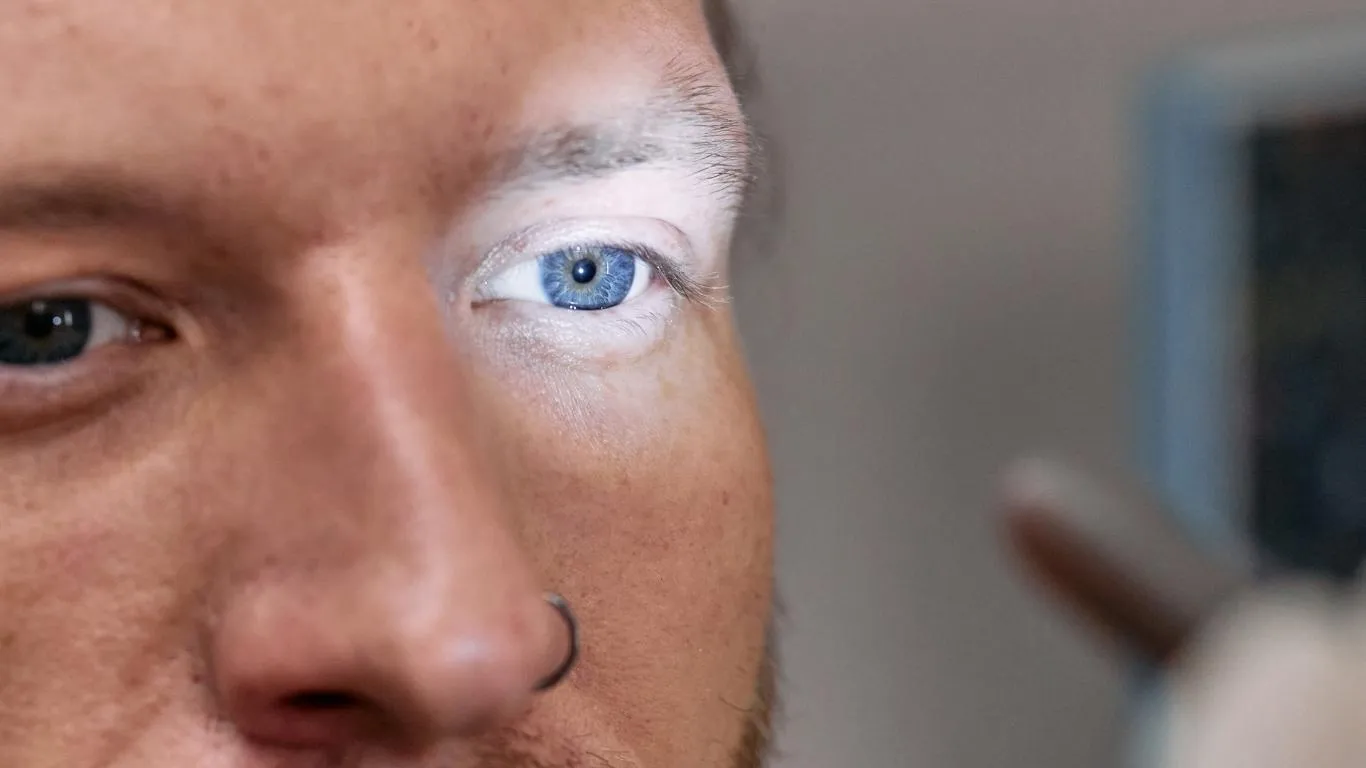
This is one of the biggest concerns I get asked about in eye health forums and my own DMs. Short answer: pupil dilation doesn’t *cause* floaters, but it can make them more visible—especially if the vitreous is already undergoing subtle changes. Think of it like turning on a flashlight in a dusty attic. The dust was always there, but now you’re seeing every little speck float by.
However, repeated dilation can sometimes expose issues you might not have noticed otherwise. That’s how mine were caught. I didn’t realize I had early-stage vitreous syneresis until I started noticing floaters swirling aggressively after every dilation session. Turns out, it wasn’t the dilation—it was the beginning of the jelly inside my eye breaking down naturally with age. Which brings me to…
Is There a Link Between Aging and Dilation-Reactive Floaters?

Aging and floaters are tightly linked, and dilation just puts that connection under a microscope. As we age, the vitreous becomes more liquified and less jelly-like. This breakdown causes collagen fibers to clump together, casting stronger, weirder shadows on the retina—especially under dilation-enhanced lighting.
In older adults, pupil dilation may highlight changes that were already happening silently. That’s why articles like this piece on aging and floaters are so important. It’s not just about seeing more floaters—it’s about understanding why they’re becoming more visible, faster, or different in shape under specific conditions like dilation or stress.
What You Should Watch For
- Floaters that suddenly multiply after dilation
- Shadows or streaks that weren’t there pre-dilation
- Persistent blurred spots post exam
- Flashes of light or curtain-like vision
These signs may indicate a more serious condition like a retinal tear or detachment. Don’t guess—just book the appointment.
Natural Ways I Manage Post-Dilation Floater Anxiety
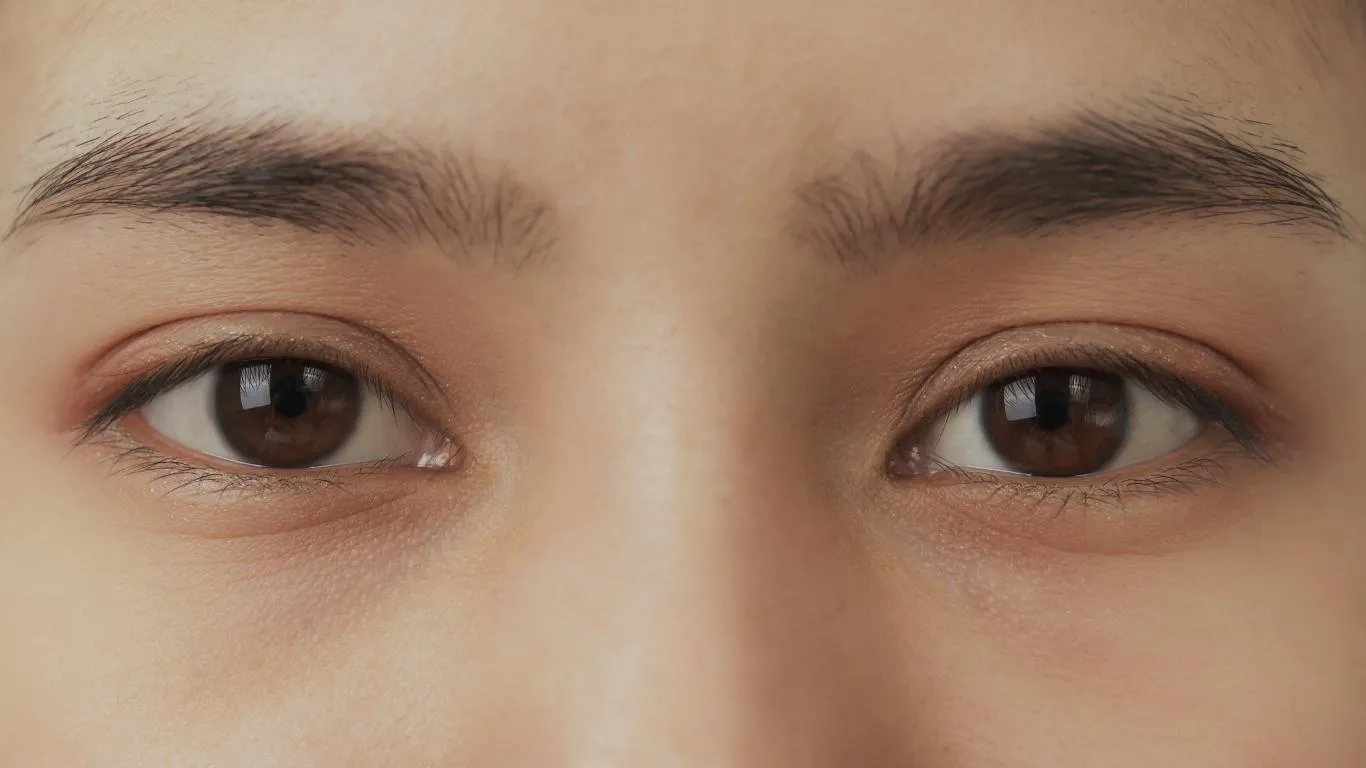
Okay, so I’m not going to lie—after every eye dilation, I used to feel anxious for hours. The bright spots, zig-zaggy floaters, and overall discomfort made it hard to focus or work. But over time, I found a few methods that worked for me:
- Stay indoors during peak dilation — outdoor glare is brutal
- Use blue-light filtering glasses even if you’re not staring at a screen
- Hydrate like crazy — floaters move faster when I’m dehydrated
- Practice soft focus exercises — I learned this from a low-vision specialist and it honestly helps reduce the hyper-awareness
These tricks may not work for everyone, but they’ve helped me avoid spiraling into the “is my retina detaching?” rabbit hole. You can explore more research-backed tips in this helpful resource on stress-induced floater relief.
When to Take Floaters After Dilation Seriously
I know I’m repeating this, but some signs should *never* be ignored, dilation or not. If your floaters start changing shape or speed aggressively, and you notice:
- Sudden vision dimming
- Bright flashes like a camera went off
- Dark curtain movements across vision field
…go straight to a retina specialist. These could signal vitreous hemorrhage or even retinal tears. One of the most comprehensive breakdowns of this risk is in this detailed article on dangerous floaters.
Is There a Pattern in Dilation-Linked Floaters?
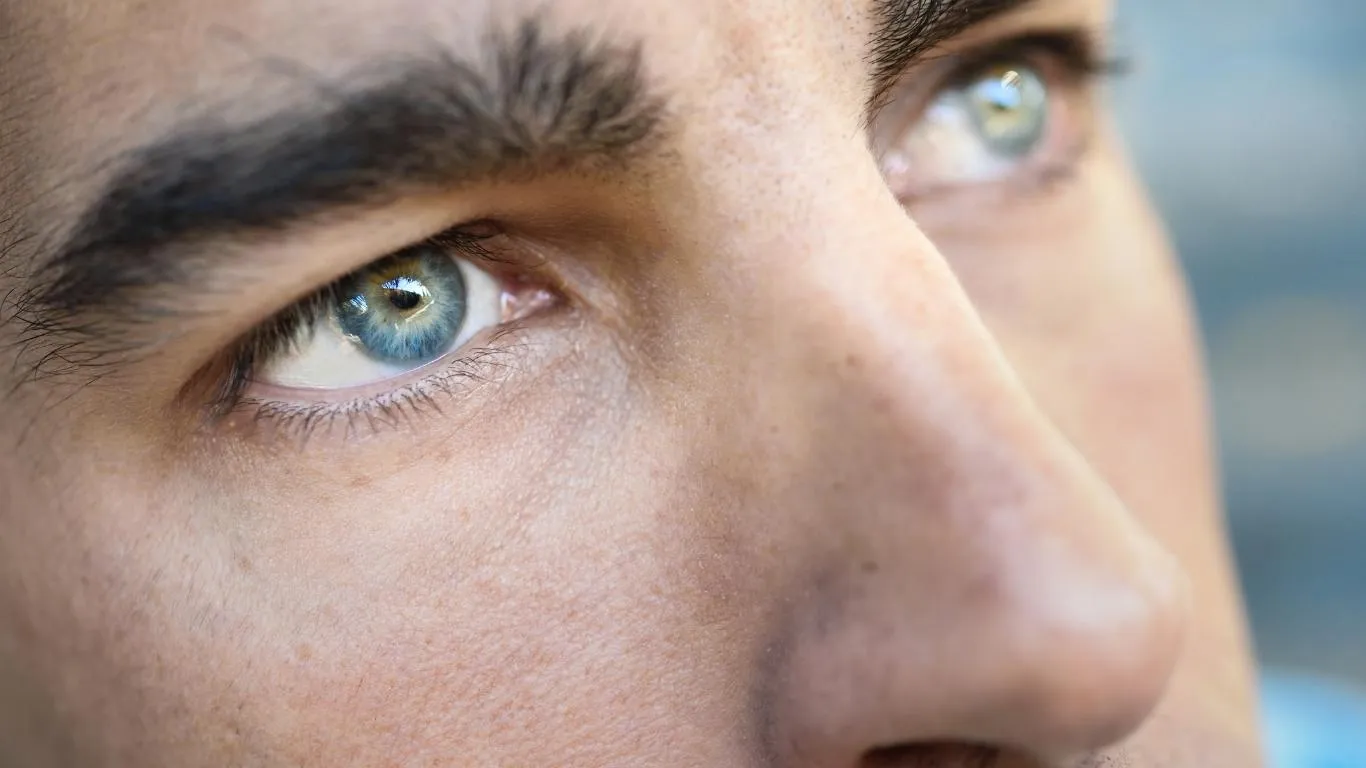
Over the years, I’ve noticed a few weird patterns:
- My right eye always shows floaters more vividly than my left during dilation
- Floaters appear “deeper” in vision during twilight hours post-dilation
- Artificial light makes them look more threadlike, natural light makes them blotchy
These subjective patterns often correlate with how light interacts with the retina. You can explore more theories behind that in this explainer on floater visibility.
Some researchers believe the vitreous’s refractive behavior changes with dilation, but more studies are needed. Either way, it’s worth tracking.
When Floaters Stick Around Post-Dilation
This was the case for me last year. My floaters didn’t disappear after the dilation wore off. I thought maybe it was normal, but a week later, I was still seeing them hover and twitch. Turned out to be a minor vitreous shift—thankfully not retinal.
If that happens to you, don’t panic, but definitely consult an eye care provider. In rare cases, floaters that linger or get worse after dilation can signal complications like post-laser inflammation or even a detached vitreous.
How to Reduce Future Floaters Reactions During Exams
If you’re like me and your eyes get dilated often, try these tips:
- Request the lowest concentration of dilation drops that still give results
- Wear UV-blocking sunglasses immediately after the exam
- Ask if you can try non-dilation imaging tech if available
Also, keep your doctor in the loop. I told mine that my floaters go full-on hyperspeed post-dilation, and now he monitors me more closely for signs of vitreous changes.
When in Doubt, Educate Yourself
Floaters that change with eye dilation speed might feel like a niche problem—but they’re actually a useful early indicator of what’s happening deeper in the eye. From my experience, the more you understand your own floater patterns, the less anxiety they cause. And if something changes suddenly, you’ll know when it’s time to act, not guess.
To dive deeper into other causes of floaters and how to tell them apart from similar visual disturbances, take a look at this guide comparing eye floaters with other issues. For a solid foundation, the go-to explainer on floaters and what causes them is here in the main pillar.

Camellia Wulansari is a dedicated Medical Assistant at a local clinic and a passionate health writer at Healthusias.com. With years of hands-on experience in patient care and a deep interest in preventive medicine, she bridges the gap between clinical knowledge and accessible health information. Camellia specializes in writing about digestive health, chronic conditions like GERD and hypertension, respiratory issues, and autoimmune diseases, aiming to empower readers with practical, easy-to-understand insights. When she’s not assisting patients or writing, you’ll find her enjoying quiet mornings with coffee and a medical journal in hand—or jamming to her favorite metal band, Lamb of God.