
Why Floaters That Form After Motion Sickness Shouldn’t Be Ignored
It was one of those long bus rides through winding mountain roads. You know the kind — windows fogged up, people silent, trying not to hurl. I wasn’t new to motion sickness, but what happened after that trip caught me off guard. A few hours later, I started noticing tiny specs and squiggly lines floating across my vision. They weren’t painful, but they were distracting as hell. I thought maybe I just needed sleep or water. But days passed, and they didn’t go away. That’s when I learned I was dealing with something called *eye floaters*. And oddly enough, that miserable bus ride was the trigger. Sounds strange? I thought so too.
Can Motion Sickness Really Cause Eye Floaters?
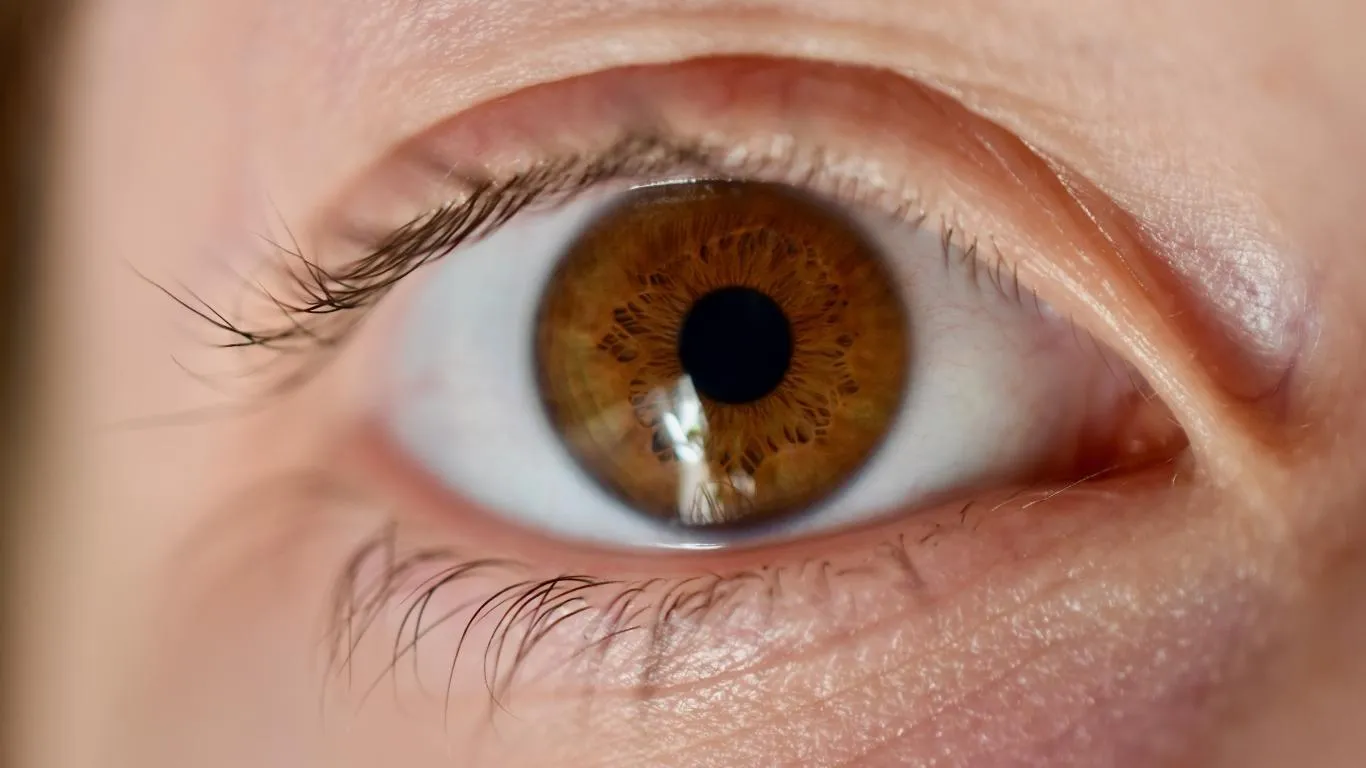
First things first — motion sickness and eye floaters aren’t directly related in most medical textbooks, but talk to enough people and you’ll notice a pattern. After intense bouts of nausea, dizziness, and especially vomiting from motion sickness, floaters seem to appear for some of us. While floaters have plenty of known causes, sudden onset after motion-triggered symptoms might be more common than you’d expect.
The most accepted theory? The stress on your visual and vestibular systems. During motion sickness, your brain goes into a weird state of conflict. Your eyes tell your brain that you’re still, but your inner ears scream, “We’re moving!” That sensory mismatch does more than make you feel queasy. It can mess with your eye pressure, strain your retina, or in rare cases, speed up changes in your vitreous gel — that jelly-like substance inside the eye where floaters form.
Why Floaters Appear Right After Intense Nausea or Dizziness

There’s a legit link between vomiting or strong physical reactions like vertigo and sudden floaters. Here’s how it breaks down:
- Increased intraocular pressure: Vomiting can cause pressure spikes inside the eye, which could displace or shift parts of the vitreous.
- Retinal stress: Sudden strain might lead to minor retinal traction — not always dangerous, but enough to produce visual debris.
- Vitreous shift: In certain cases, intense body reactions can change the shape or density of the vitreous, causing older debris to float into view.
One of my worst floaters actually showed up after a brutal plane landing, combined with turbulence and that unmistakable queasy feeling. No joke — it looked like a little transparent jellyfish every time I glanced at a white wall. Apparently, I’m not alone. A few threads on forums like reddit and articles from trusted sources like aao.org suggest similar patterns.
Understanding the Vitreous: Where Floaters Come From
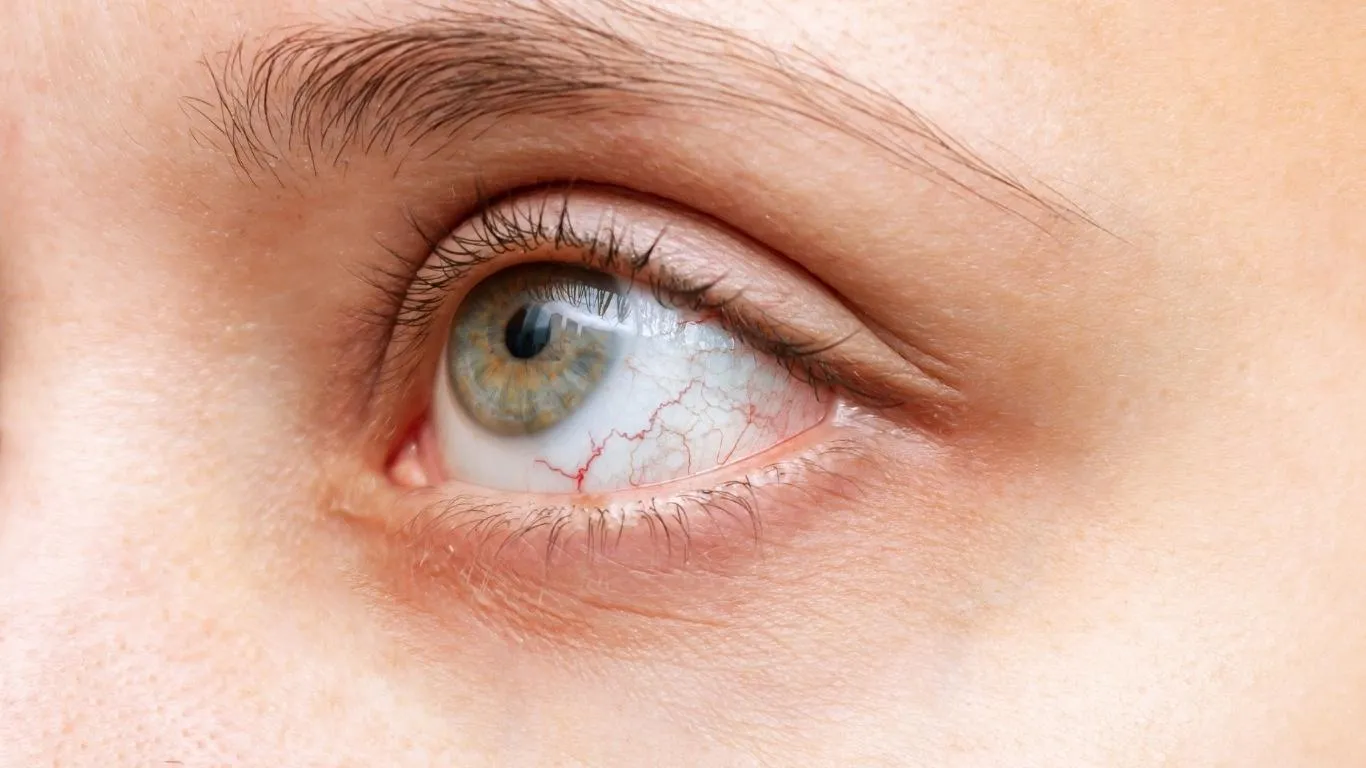
Floaters form in the vitreous, the clear gel that fills your eyeball. As we age — or under certain stress conditions — the gel can start to break down. Little clumps or strands of collagen form, casting shadows on the retina. That’s what you’re seeing when floaters dance in your vision. And though aging is the most common cause, sudden changes in pressure or inflammation can also contribute. So if motion sickness led to vomiting or intense physical response, it might’ve accelerated that process.
It’s also worth considering more subtle causes that can sneak up after a motion sickness episode:
- Dehydration: A long trip plus nausea often leads to fluid loss, which may reduce eye hydration and impact the vitreous consistency.
- Inflammation: Motion-induced migraines or eye strain from visual confusion can trigger low-grade inflammation inside the eye.
- Sleep deprivation: Let’s be real — after a rough travel day, sleep is the first casualty. And tired eyes are more likely to notice floaters that might’ve always been there.
There’s even some evidence that conditions like anxiety episodes or sudden adrenaline spikes from nausea or disorientation can make floaters more noticeable. Basically, your eyes get hyper-aware, and even the smallest shadow or speck becomes a full-on distraction.
Could It Be Something More Serious?

Sometimes floaters are harmless. But sometimes they’re not. A sudden increase, especially after trauma or intense motion sickness, could be a sign of something more serious, like a retinal tear or vitreous detachment. And yes — this can happen even without an eye injury if the conditions are just right (or wrong, really). That’s why it’s always best to rule out more serious causes.
If you’ve had floaters after motion sickness and they:
- Appear suddenly in large numbers
- Come with flashes of light
- Obscure part of your vision like a curtain
- Are accompanied by eye pain or pressure
… then it’s time to get checked. You don’t want to assume it’s just a minor issue and miss signs of something like a retinal tear. I had a close call once — and if I’d waited any longer to see an eye doctor, I could’ve been dealing with permanent damage.
What the Research Says — and What Doctors Think

Most ophthalmologists won’t list “motion sickness” as a typical cause of floaters — at least not yet. But anecdotal cases are mounting, and newer studies are exploring indirect triggers like dehydration, increased eye strain, or even systemic responses. According to ncbi.nlm.nih.gov, the physiology behind floaters is still being explored, especially in younger adults where trauma or metabolic changes are involved.
My ophthalmologist told me, “It’s likely you already had some debris in your eye. That trip just made them noticeable.” But whether it revealed old floaters or helped new ones form, the outcome was the same — they were suddenly a part of my daily life.
To better understand how floaters compare to other vision conditions, check out this in-depth guide on eye floaters vs. other eye problems. And for a foundational explanation of what floaters are and why they appear, the main floater article breaks it down in a beginner-friendly way.
How Long Do Floaters from Motion Sickness Usually Last?
In my case, those floaters stuck around for weeks. Some faded, others just became background noise. For most people, floaters caused or triggered by a motion sickness episode — or more precisely, the conditions that surround it — will gradually become less noticeable as your brain adapts.
Here’s the catch: the floaters might not actually disappear. Your brain just learns to ignore them. That’s called *neuroadaptation*, and it’s a real thing. Kind of like how you stop hearing the buzz of a fridge after a while. For some, this takes days; for others, it can take months. And yeah — sometimes they never fully go away.
If you’ve had a recent bout of motion sickness and now see floaters, give it some time. But keep an eye on (pun intended) any changes. Sudden shifts in shape, size, or number aren’t normal and should be checked by a specialist.
Ways to Reduce the Visual Impact of Floaters

While there’s no magic pill to dissolve floaters instantly, you can take steps to make them less annoying. After that nasty episode on the bus, I ended up going down a rabbit hole of remedies, routines, and surprisingly useful hacks. Here’s what actually helped:
- Hydration: I underestimated how much dehydration worsens floaters. Keep those fluids up, especially after nausea or vomiting.
- Lighting control: Bright, high-contrast environments make floaters more visible. Try soft, ambient lighting instead of glaring overhead bulbs.
- Eye movement exercises: Some folks swear by tracking objects side to side or in circular motions. It may not remove floaters, but can shift them out of your line of sight.
- Diet tweaks: I added more foods rich in lutein and vitamin C, based on what I learned here. I won’t claim it’s a cure, but I did notice improvements in how quickly my eyes recovered from strain.
If your floaters are stubborn or particularly large, medical options do exist — including laser vitreolysis and vitrectomy. But most eye doctors will only recommend these for serious impairment, since both come with risk.
Are You More Prone to Floaters If You Get Motion Sick Easily?

Short answer? Maybe. If your body already reacts strongly to motion, you’re likely more visually sensitive. That doesn’t mean you’re destined for floaters, but your threshold for noticing subtle changes might be lower. For people with high visual sensitivity, motion sickness isn’t just about nausea — it’s about sensory overload. That can lead to more strain on your visual system, and over time, increase floater awareness.
Plus, consider the chain reaction. Motion sickness triggers nausea, which leads to dehydration, loss of electrolytes, sleep disruption, stress — all of which may contribute to the vitreous becoming less stable. That’s a cocktail your eyes don’t want to sip on.
Interestingly, a similar trend shows up with floaters after scuba diving or high-altitude travel. It’s that combo of pressure shifts, stress, and vision sensitivity — and for some of us, it leaves behind more than just memories.
Should You Worry About Permanent Eye Damage?

Most floaters that show up after motion sickness are not signs of serious damage. But it’s worth being cautious. If you’re seeing floaters for the first time, especially if they came on suddenly, it’s smart to check in with an optometrist or ophthalmologist.
Look for red flags like:
- Flashes of light or shimmering arcs
- Dark spots or shadows in your peripheral vision
- Rapid increase in floater number
- Floaters that look like soot or “curtain effects”
These could indicate a more serious issue like retinal detachment or hemorrhage. I once ignored new floaters thinking they were just part of the usual eye strain — turned out I had post-trauma inflammation that needed treatment.
Should You Travel Differently If You’re Prone to Floaters?
After my experience, I’ve definitely changed how I prep for trips. No more rough rides without motion relief gum or electrolyte tablets. And I always pack extra eye drops now, especially for dry cabin air or windy travel conditions. Here are some easy travel hacks if you’re floaters-prone and get motion sick:
- Stay ahead of hydration: Drink before you feel dry. Eyes need that fluid balance.
- Wear blue-light filtering glasses: Cuts down visual stimulation, especially on screens during travel.
- Plan seats smartly: Front of buses, over wings in planes, and facing forward in trains reduce nausea risk.
- Limit screen time in transit: Bright light + motion = recipe for floaters to become more noticeable.
If you’ve been hit with floaters after motion-related events more than once, you’re not alone. For more context about how different health conditions can cause or worsen floaters, check out this overview of common causes of floaters.
Floaters after motion sickness aren’t always talked about, but for some of us, they’re very real — and very frustrating. Thankfully, there are ways to minimize the discomfort and get back to focusing on what matters (like actually enjoying the view out the window next time).
Need more detail about how floaters behave and when to worry? Don’t miss the core breakdown on causes and treatments in our main floater guide here.

Camellia Wulansari is a dedicated Medical Assistant at a local clinic and a passionate health writer at Healthusias.com. With years of hands-on experience in patient care and a deep interest in preventive medicine, she bridges the gap between clinical knowledge and accessible health information. Camellia specializes in writing about digestive health, chronic conditions like GERD and hypertension, respiratory issues, and autoimmune diseases, aiming to empower readers with practical, easy-to-understand insights. When she’s not assisting patients or writing, you’ll find her enjoying quiet mornings with coffee and a medical journal in hand—or jamming to her favorite metal band, Lamb of God.