Why Floaters Get Worse in Dry Environments and How to Fix It
Last winter, I noticed something odd—tiny specks dancing around my vision like dust on a sunny day. At first, I brushed it off, blaming dry air or screen time. But the more I paid attention, the more I realized: these floaters were persistent. And they seemed worse when I was inside with the heater cranked up. If you’ve ever wondered why floaters seem to spike in dry environments, you’re not imagining things. Let’s dive into what’s really happening—and what you can do about it.
How Dry Environments Can Make Floaters More Noticeable
Dry air doesn’t directly cause eye floaters, but it sure can make them more obvious. That’s because floaters are tiny pieces of collagen or gel that clump inside the vitreous, the clear gel filling the eye. When the eyes are already irritated or lacking moisture, these floaters tend to stand out more against a dry, strained ocular background.
The Link Between Dry Eye and Floater Visibility
When the eye’s surface is dry, your tear film becomes unstable. This affects light refraction, and your eye becomes more sensitive to minor obstructions—like floaters. I noticed this the most during long stretches of working under fluorescent lighting in my office with barely any humidity.
According to the American Academy of Ophthalmology, a disrupted tear film can amplify visual disturbances. That means even floaters you’d normally ignore become more pronounced when your eyes are already stressed.
Central Heating, Air Conditioning, and Eye Floaters
If you live somewhere with heavy use of HVAC systems, buckle up. Heating and cooling systems suck moisture from indoor air, leaving your eyes dry and more prone to irritation. You blink less in dry air—especially when looking at screens—which means tears evaporate quicker and floaters stand out more.
- Dry indoor air reduces tear production
- Reduced blinking leads to dryness and eye strain
- Eye strain enhances floater perception
Not surprisingly, this connects with findings around how dry eye syndrome may be making floaters worse.
Who’s Most Affected by Floaters in Dry Conditions?
In my late 30s, I figured I had time before vision issues crept in—but floaters don’t always wait. If you:
- Spend long hours in front of screens
- Work in offices with dry or recycled air
- Live in desert or cold climates using heat indoors
- Are over 40, when vitreous changes naturally accelerate
You’re in the higher-risk club. What’s worse, if you have conditions like uveitis or hypertension, that dry air can feel like a one-two punch on your vision.
Hormonal Changes and Dehydration Don’t Help
Dehydration makes dry environments even more unforgiving. I’ve learned the hard way that not drinking enough water during winter worsens both dryness and floater awareness. Throw in hormonal fluctuations (yes, even men can experience some), and you’ve got a perfect storm.
If this sounds like your situation, check out how dehydration may worsen floaters and why hormonal shifts affect your eye health.
What You Can Do to Reduce the Impact of Floaters Indoors
Easy Adjustments for Your Home and Office
- Use a humidifier: Keep moisture in the air during heating seasons.
- Take screen breaks: Follow the 20-20-20 rule to reduce strain.
- Hydrate frequently: Keep those tear glands working.
- Blink consciously: Especially during screen time.
- Adjust your lighting: Harsh lights can make floaters pop more.
You might also benefit from nutritional strategies. Foods rich in lutein, like kale and spinach, support overall eye health. Learn more in this guide to diet changes for eye floaters.
When to Take Floaters Seriously
Not all floaters are benign. If you suddenly notice a shower of new floaters, flashing lights, or shadows in your peripheral vision, it could signal something more severe, like posterior vitreous detachment or even a retinal tear.
For a deeper dive into potential warning signs, read when floaters are dangerous and explore this main guide to eye floaters.
Understanding the Bigger Picture of Environmental Floaters
There’s no denying that where you spend your time—and how dry it is—can dramatically affect how often and how intensely you notice floaters. I learned that managing indoor air quality and hydration gave me more relief than any eye drop ever did. There’s no one-size-fits-all fix, but awareness is a powerful first step.
Long-Term Strategies for Managing Floaters in Dry Environments
Once I realized how much dry air aggravated my floaters, I had to shift from reactive to proactive. It’s one thing to add a humidifier or blink more—it’s another to rethink how your lifestyle, diet, and habits influence your vision day after day. The truth is, while you may not be able to eliminate floaters entirely, you can definitely reduce how much they mess with your daily life.
Hydration: Inside and Out
One of the most overlooked solutions is also the simplest: drink more water. Dehydration thickens the vitreous gel in your eye, making existing floaters more prominent. Combine that with dry external air, and the contrast becomes unbearable.
I started adding electrolytes to my water a couple of times a day and cut down on caffeine. The difference was legit. My eyes felt less dry, and floaters were less distracting—especially under bright lights. This article on dehydration and floaters gets it spot on.
Omega-3s and Eye-Friendly Nutrients
Healthy fats do more than protect your heart—they play a major role in keeping the eye’s tear film stable. Omega-3s, in particular, have been shown to reduce dry eye symptoms, which can lower floater visibility indirectly.
- Fatty fish like salmon or mackerel (aim for twice a week)
- Flaxseed oil or chia seeds for plant-based options
- Supplements if your diet needs a boost
You can dive deeper into the nutrition side with this guide to supplements for floaters or explore how magnesium impacts floaters.
Environmental Adjustments That Actually Work
Rethink Your Lighting
Harsh overhead lighting, screen glare, and even daylight streaming through a window can make floaters appear sharper and more intrusive. I started using warmer-toned LED lights and adjusted my monitor’s brightness—and it helped instantly.
Also, if your floaters appear worse outside, especially in bright weather, you’re not alone. Learn why in this insight about floaters appearing outdoors.
Humidity Control Isn’t Just for Winter
I used to only run the humidifier in January. Turns out, my summer air conditioner was just as guilty. A smart humidity sensor helped me figure out that anything below 40% humidity made my eyes feel dry and gritty.
- Keep indoor humidity between 40%–55%
- Use a room humidifier, especially where you work or sleep
- Avoid direct AC or fan airflow to the face
Floater visibility tends to spike when your eyes are irritated. Managing that with basic climate tweaks goes a long way.
Tools and Therapies That Might Help
Do Eye Drops Help?
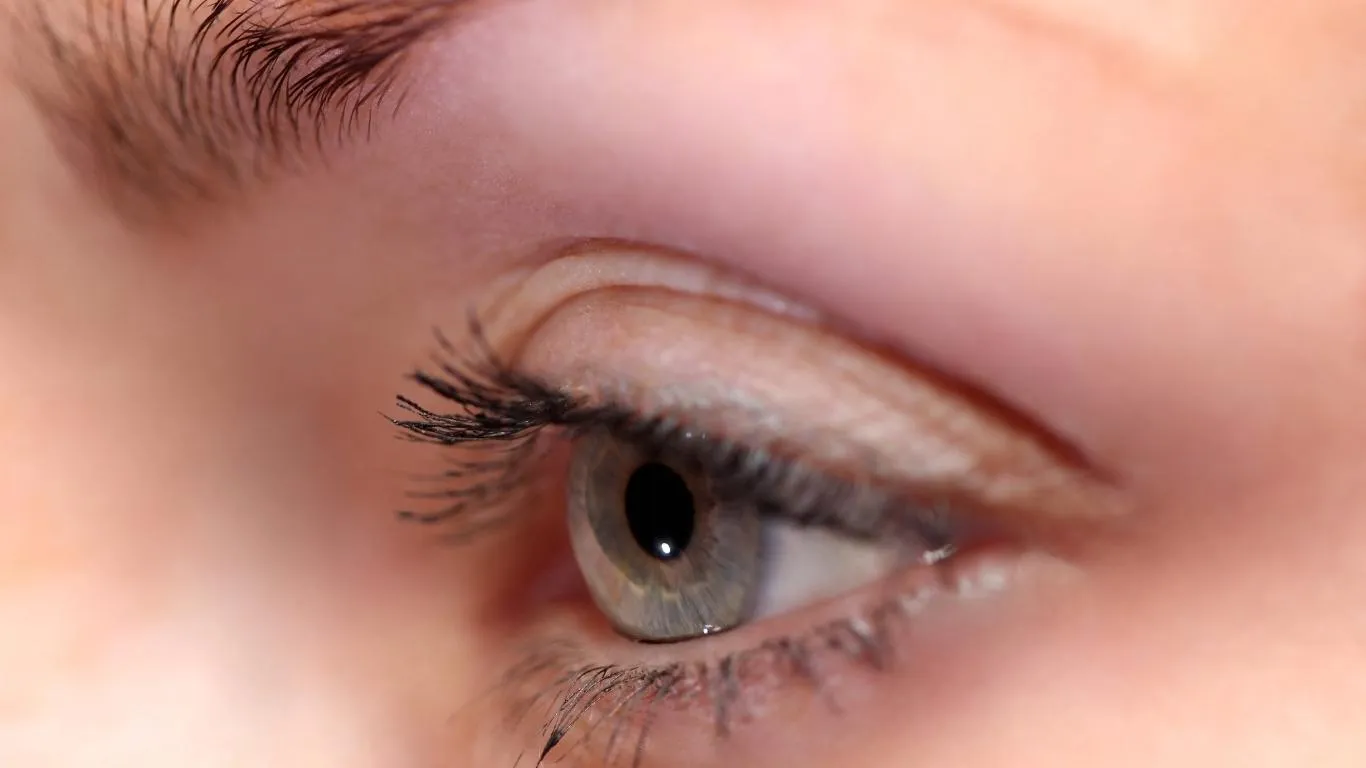
This one’s tricky. Artificial tears help some people feel relief by soothing dry eye symptoms, but they won’t “remove” floaters. However, they can reduce the irritation that makes floaters more noticeable.
I keep preservative-free drops in my bag, especially when flying or working long hours. This breakdown of eye drops for floaters is worth a read if you’re on the fence.
Vision Therapy and Eye Exercises
Some optometrists recommend guided eye exercises to improve how your brain perceives floaters. It’s not about eliminating them—it’s about training your eyes and mind to filter them out better.
- Slow rolling eye movements in different directions
- Focusing on near and far objects alternately
- Practicing in natural light to train your visual system
Explore more in these eye exercises designed for floater relief.
When to Seek Professional Help

If you’re managing your environment and still seeing sudden or worsening floaters—especially paired with flashes or shadows—it’s time to get checked. These could signal a retinal tear or detachment. The American Academy of Ophthalmology emphasizes early detection in these cases is crucial.
Some treatments, like laser vitreolysis or vitrectomy, are available for severe or vision-limiting floaters, though they’re typically last-resort options. Learn more in this comprehensive overview of floater treatments.
And don’t forget to check out the full breakdown at this main eye floaters guide for everything you might’ve missed.

Camellia Wulansari is a dedicated Medical Assistant at a local clinic and a passionate health writer at Healthusias.com. With years of hands-on experience in patient care and a deep interest in preventive medicine, she bridges the gap between clinical knowledge and accessible health information. Camellia specializes in writing about digestive health, chronic conditions like GERD and hypertension, respiratory issues, and autoimmune diseases, aiming to empower readers with practical, easy-to-understand insights. When she’s not assisting patients or writing, you’ll find her enjoying quiet mornings with coffee and a medical journal in hand—or jamming to her favorite metal band, Lamb of God.