Emotional Pressure May Be Making Your Floaters Worse
There’s something unsettling about those drifting shapes that suddenly appear in your vision — especially when they seem to show up right after a heated argument or a moment of deep anxiety. I still remember the first time it happened to me. I’d just gone through a particularly tough few weeks at work, and out of nowhere, these transparent cobweb-like spots started floating across my eyes. My first thought? “Is this stress… or something worse?” Turns out, those little floaters might be your body’s way of waving a red flag when emotional pressure is high.
Can Stress and Emotional Pressure Really Trigger Eye Floaters?
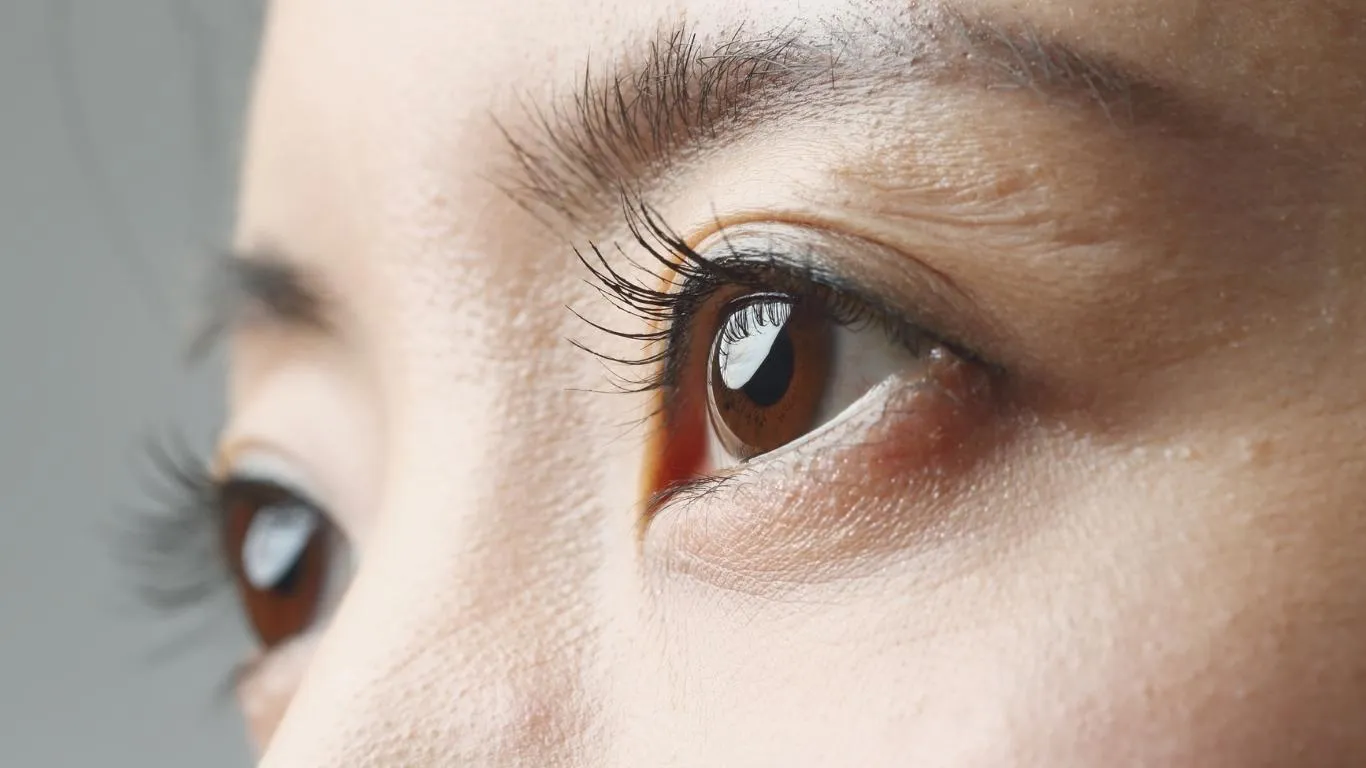
It might sound far-fetched at first — after all, what does stress have to do with vision? But emotional pressure plays a larger role in eye health than most people think. Floaters, those tiny specks or threads you notice drifting across your field of vision, are actually tiny clumps or strands inside the vitreous, the gel-like substance filling your eye.
Now here’s the twist: When you’re emotionally overwhelmed, your body’s sympathetic nervous system gets activated. This fight-or-flight response impacts not just your heart rate and breathing, but your eyes too. Increased cortisol (your body’s primary stress hormone) can lead to inflammation and changes in intraocular pressure — both of which may aggravate floaters or even make them more noticeable.
The Science Behind the Stress-Floater Connection
When you’re anxious or under intense emotional strain, your body floods with stress hormones. These hormones don’t just vanish — they can trigger a range of physical responses, including:
- Increased blood pressure and eye pressure
- Reduced circulation to the retina
- Worsened inflammation in ocular tissues
Combined, these can exacerbate the appearance of floaters. In some cases, they can even cause new floaters to develop — especially if there’s already some existing vitreous degeneration.
My Experience: Floaters That Flared Up with Stress
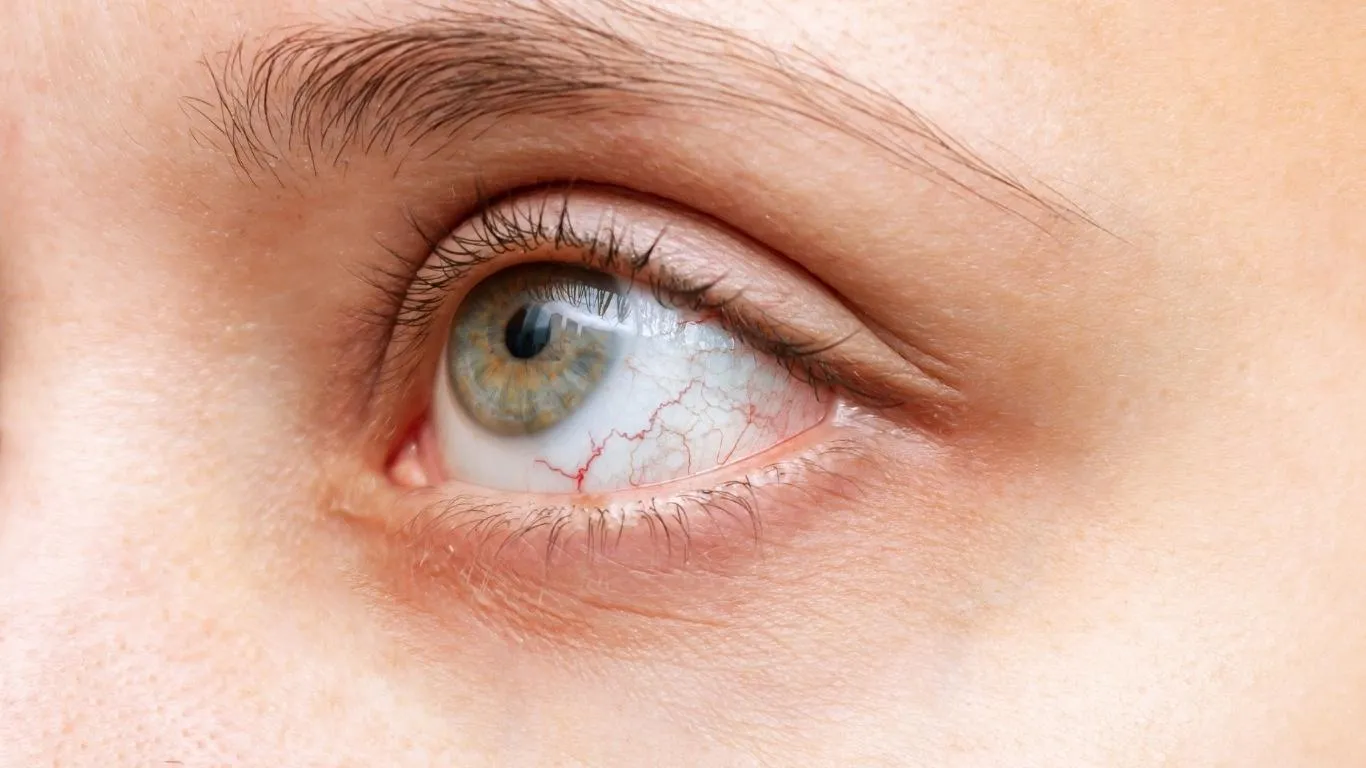
Honestly, I didn’t make the connection at first. I chalked it up to bad lighting or long hours staring at a screen. But after noticing a pattern — floaters appearing right after moments of deep emotional distress — I started keeping track. Whether it was grief, burnout, or even relationship stress, they’d show up like clockwork. It wasn’t just in my head. A visit to the ophthalmologist confirmed it: my stress levels were likely triggering spikes in intraocular pressure, causing floaters to become more prominent.
If this sounds familiar, you’re definitely not alone. The link between emotional states and eye floaters is becoming more recognized in the medical community, especially among patients with high stress lifestyles or mental health challenges.
What Emotional Triggers Can Worsen Floaters?
Floaters may seem like a purely physical phenomenon, but here are some emotional triggers that can make them worse:
- Acute Anxiety Episodes: Panic attacks and severe anxiety can trigger visual disturbances.
- Emotional Trauma: The body often processes trauma physiologically — including through vision changes.
- Burnout and Exhaustion: Prolonged emotional fatigue can heighten sensitivity to floaters.
- Grief or Depression: These emotional states often result in lower overall health resilience, including visual strain.
In many cases, floaters related to stress and emotional pressure are temporary. But sometimes, they might indicate an underlying issue — especially if they appear suddenly or worsen quickly.
Should You Be Concerned?
Here’s the thing — not all floaters are created equal. If you’re noticing a significant change in your floaters during or after emotional events, it could be your body’s way of signaling something deeper. Vision-related anxiety is also real: when you’re hyper-aware of floaters, they may seem more frequent or intense than they actually are.
Still, if your floaters are accompanied by light flashes, vision loss, or a sudden burst of new floaters, get checked out immediately. These could signal retinal tears or other urgent issues. There’s a comprehensive breakdown of such warning signs in our article on when floaters are dangerous.
Practical Tips to Manage Emotionally-Triggered Floaters
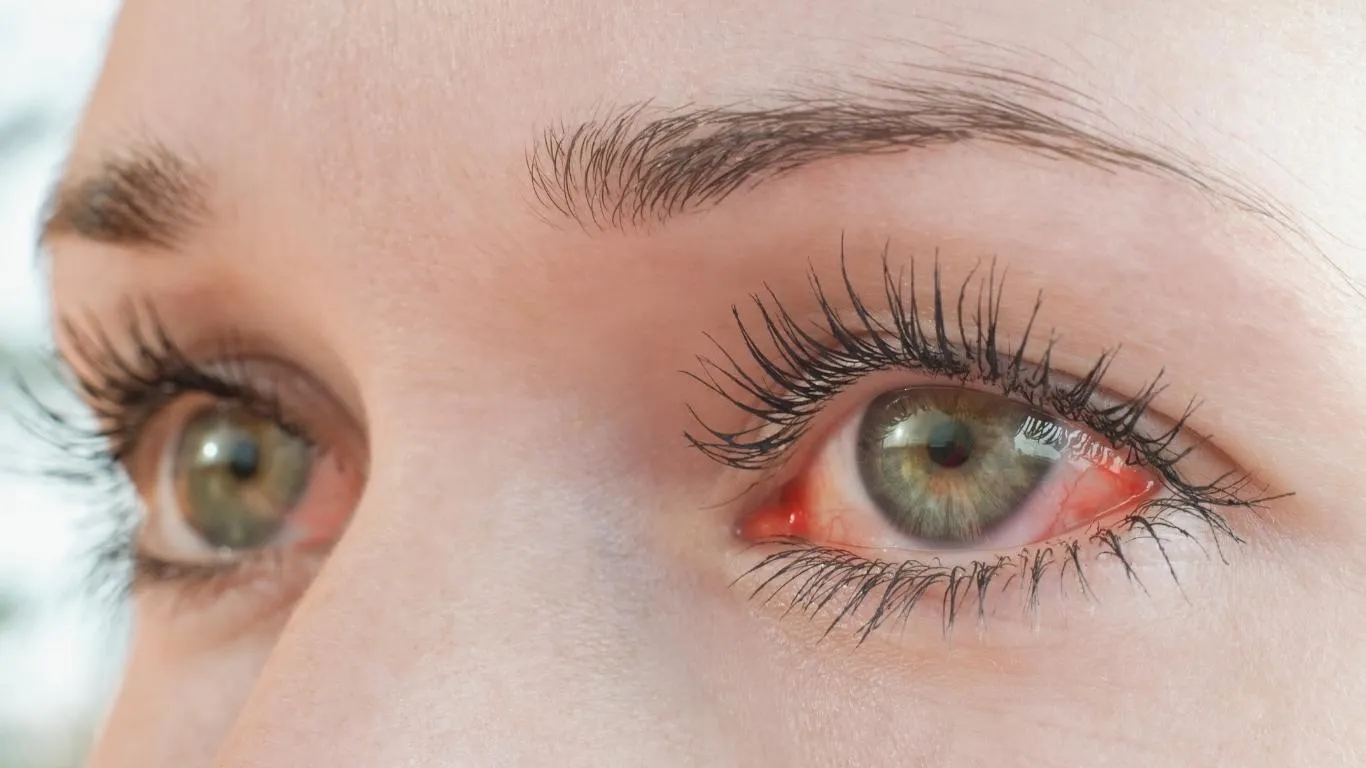
While you can’t fully eliminate floaters without medical intervention, you can reduce their impact — especially if they’re linked to emotional stress. Here’s what’s helped me and others:
- Practice deep breathing: Slow, mindful breathing reduces cortisol and regulates pressure inside the eye.
- Improve sleep hygiene: Floaters often worsen with fatigue. Quality rest goes a long way.
- Hydrate: Dehydration can aggravate eye floaters. Keep your fluid intake steady, especially in tense situations.
- Limit screen time: Especially during emotionally charged moments — your eyes need less strain, not more.
- Get moving: Gentle exercise like walking or yoga helps lower emotional tension and promote circulation.
Curious how dehydration plays into this? You’ll want to check out our breakdown on how dehydration worsens eye floaters.
When Emotional Floaters Point to Something Bigger
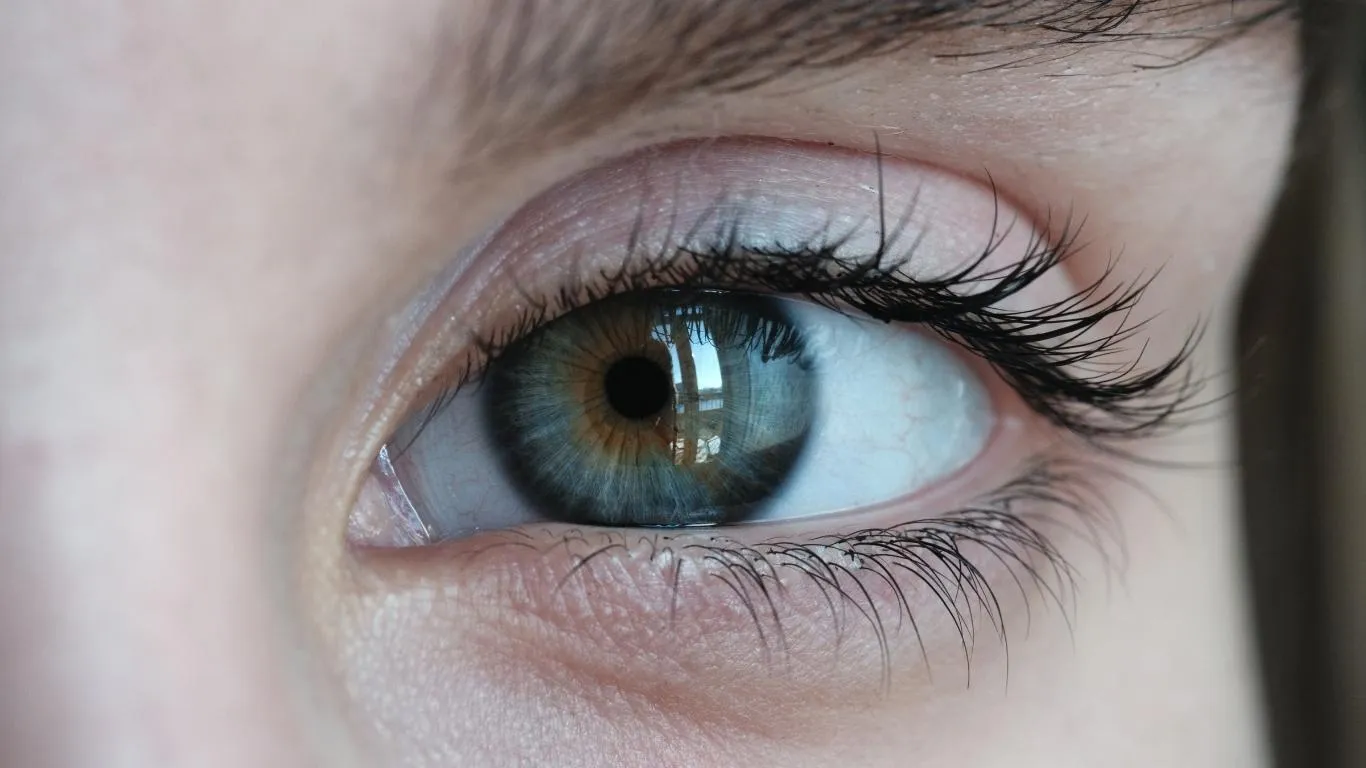
If floaters triggered by emotional stress become frequent or change shape dramatically, it’s worth exploring potential eye health conditions. For instance, chronic stress may play a role in developing issues like vitreous syneresis or even retinal problems. More on that is covered in our deep dive into common causes of eye floaters.
And don’t underestimate the importance of professional care. I personally benefited from seeing a behavioral optometrist who helped me understand the mind-eye connection better. Combine that with proper nutrition, regular eye checkups, and mental health support, and you’ll likely see improvements not just in floaters — but overall well-being too.
For a full look at how floaters develop, possible treatments, and warning signs, check out the main pillar article: What Are Eye Floaters? Causes, Symptoms, and Treatment Options.
Why Floaters Feel Worse at Certain Times — and What to Do About It
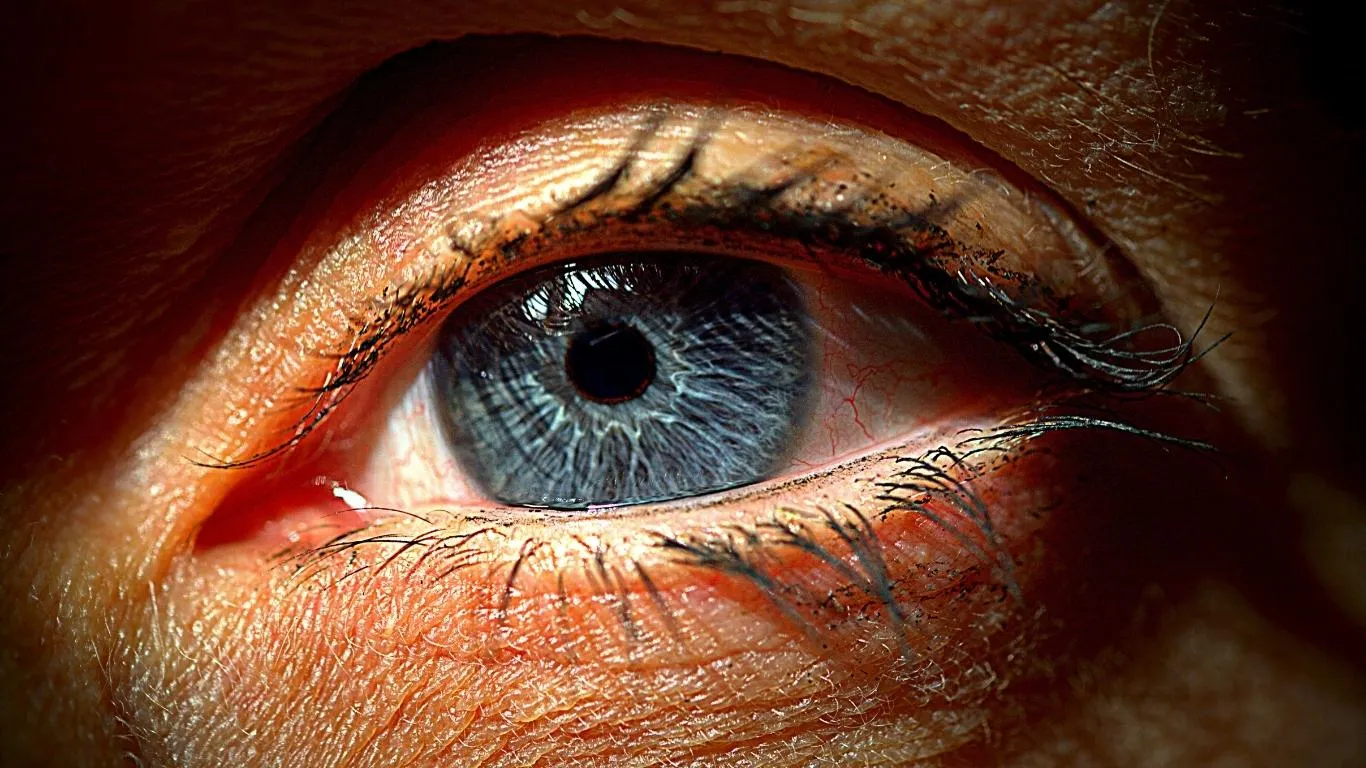
Ever noticed how floaters seem to flare up right after a mental breakdown or a bout of insomnia? You’re not imagining things. Emotional pressure doesn’t just affect our mood — it alters how we perceive our visual field. When the mind is overwhelmed, it naturally heightens sensitivity, and suddenly those faint dots or threads feel glaringly obvious.
One evening, after a week full of deadlines and barely any sleep, I remember sitting in a dimly lit room and thinking, “Why does it look like I’m seeing static in my vision?” The answer was simple: my stress was peaking, my body was in overdrive, and my floaters were just along for the ride.
Specific Times When Floaters Become More Noticeable
- During mental fatigue: When your mind is tired, visual clarity suffers.
- After crying or emotional outbursts: The strain on ocular blood vessels can temporarily intensify floaters.
- When lying in bed and overthinking: A quiet, still environment + a racing mind = floaters that demand your attention.
- After screen overexposure: Emotional scrolling + blue light = recipe for discomfort.
There’s even evidence that floaters can increase in visibility during specific emotional events. For example, sudden floaters with emotional stress may not just be a coincidence — they might be your nervous system’s reaction to overload.
Are Emotional Floaters Different from Regular Ones?
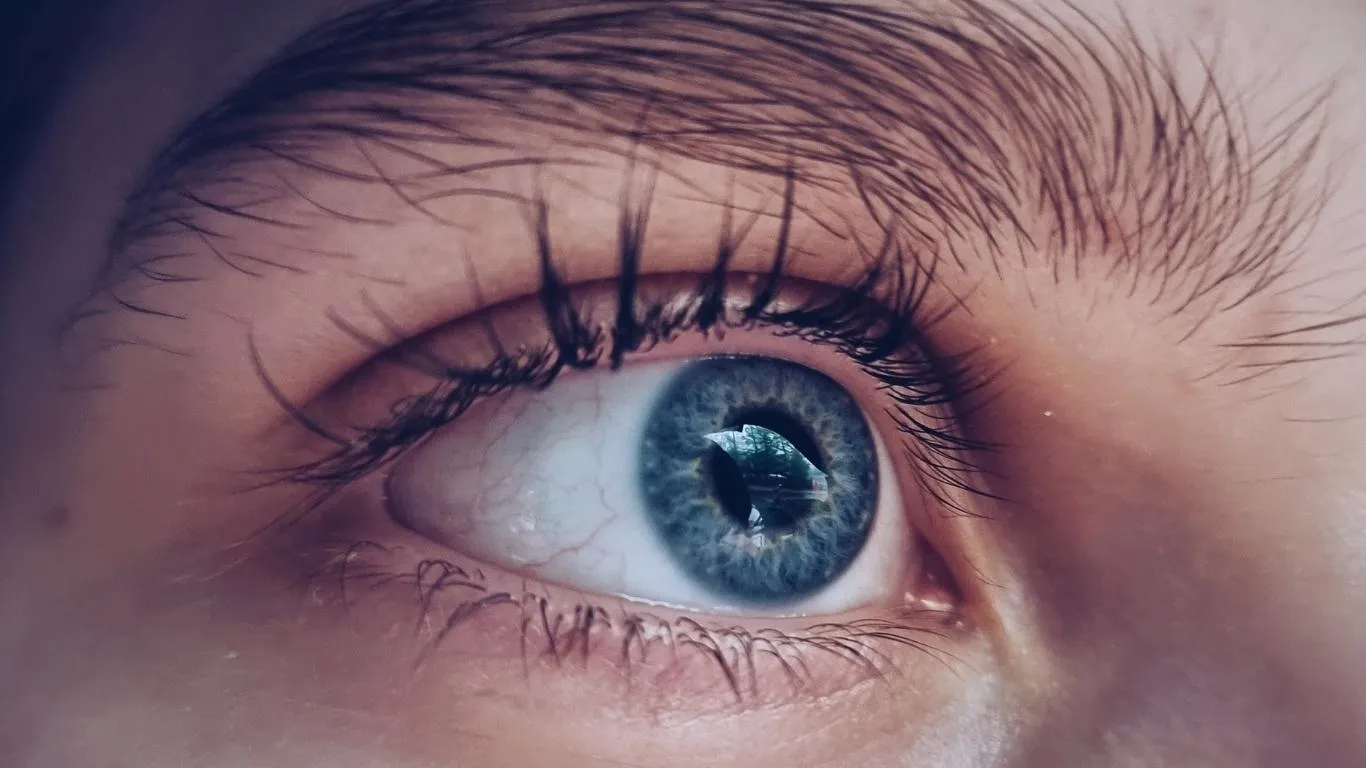
Here’s where things get interesting. While the actual structure of the floater (usually a clump of collagen in the vitreous) remains the same, your perception of it changes under emotional strain. In short: stress doesn’t create new floaters out of thin air — but it can amplify the ones already floating around.
In more severe cases, stress-related eye strain can trigger visual symptoms that mimic floaters, such as brief flashes or blurry spots. These are often misinterpreted, and understandably so. I’ve had moments where a floater looked like a flickering light or faint shadow moving in the corner of my eye.
How to Tell if Floaters Are Stress-Induced:
- They come and go based on your emotional state.
- They’re more noticeable in quiet, low-light, or “winding down” moments.
- They often coincide with racing thoughts, rapid heartbeat, or physical tension.
Still not sure? You might find this guide useful: Floaters triggered by anxiety episodes.
Simple Practices to Reduce Stress-Exacerbated Floaters
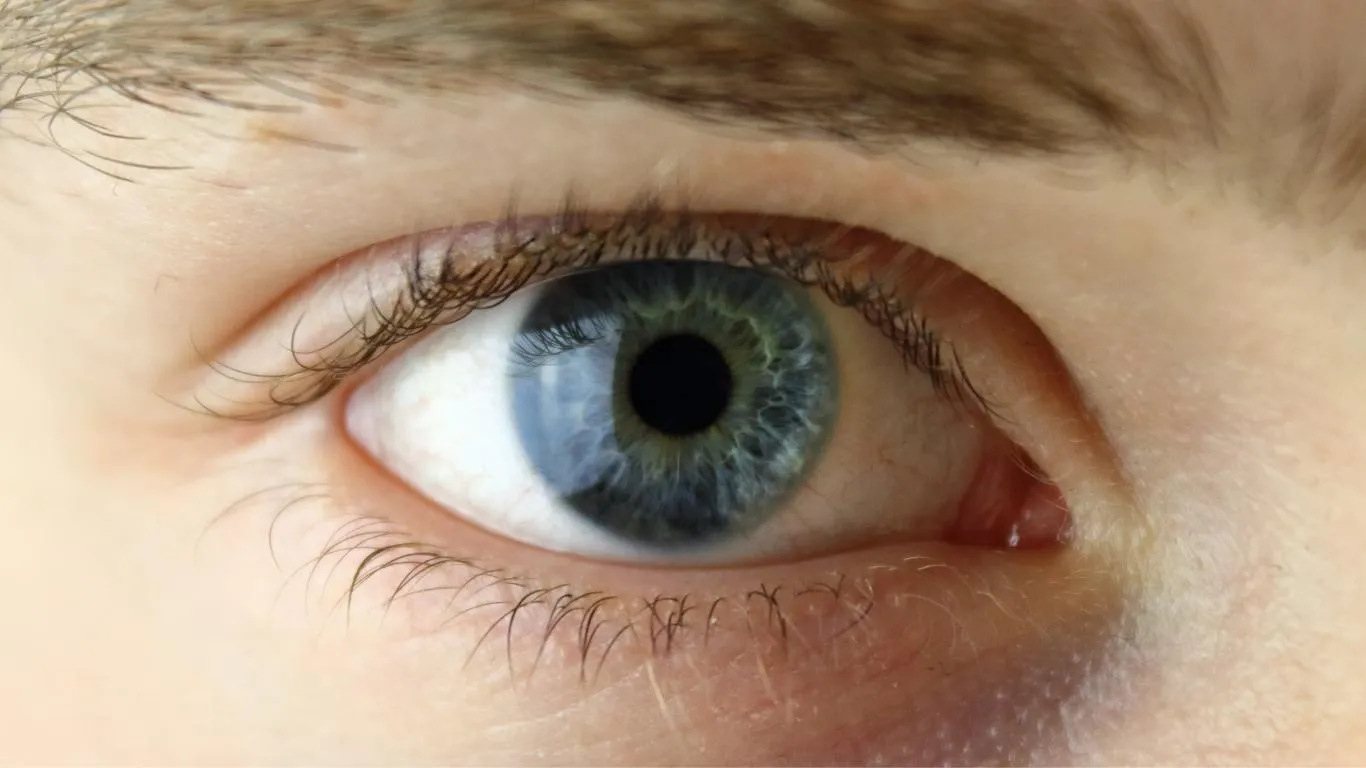
There’s no one-size-fits-all solution, but combining a few holistic strategies can make a real difference. These aren’t “woo-woo” — they’re backed by both personal experience and emerging science:
- Progressive muscle relaxation (PMR): Great before sleep. Tension in the body often mirrors tension in the eyes.
- Vision mindfulness: Try focusing your eyes on distant objects to reduce internal visual clutter.
- Anti-inflammatory diet: Eye floaters tend to get worse with systemic inflammation. I started adding more omega-3s and lutein-rich greens to my meals. Game-changer.
- Journaling your stress triggers: You might be surprised how closely emotional spikes and floater flares align.
And don’t skip hydration. One particularly helpful read that helped me connect the dots was this article: How to reduce floaters post-eye infection — a great example of managing floater symptoms naturally.
Eye Exams: Don’t Skip Them Just Because It’s “Stress”
Look, I get it. When you’re sure it’s “just stress,” the last thing you want to do is book a doctor’s appointment. But stress can mask serious problems — or at the very least, make minor ones feel major.
I once skipped an eye checkup for months because I thought, “It’s just emotional burnout.” Turns out, I had early signs of posterior vitreous detachment (PVD). It wasn’t urgent, but catching it early meant I could monitor it properly and avoid serious complications. You can learn more about this common issue in this in-depth post on posterior vitreous detachment.
Signs You Shouldn’t Ignore:
- Sudden increase in floaters
- Flashes of light
- Partial vision loss
- Black or dark floaters that don’t move
It’s always better to have your peace of mind confirmed by a professional than to assume all floaters are stress-related.
Preventive Eye Care for Stress-Prone Individuals
If you’re someone who feels everything deeply, your eyes probably do too. Preventing stress-induced floaters means taking both mental and visual health seriously. A few habits that have worked wonders for me over time include:
- Daily breaks from screens — even just five minutes every hour
- Wearing blue-light-blocking glasses during emotionally intense workdays
- Practicing yoga or stretching to release upper-body tension, which often affects the eyes
- Limiting caffeine during high-stress periods (trust me, it helped reduce those random bursts of floaters)
If you’re curious about more ways your body might be responding to emotional or hormonal shifts, especially in your eyes, check out this post: why floaters after emotional trauma feel so persistent.
Start Listening to What Your Eyes Are Telling You
At the end of the day, floaters that seem to increase with emotional pressure are rarely “just in your head.” They’re often subtle messages from your body — and more specifically, your nervous system — that it’s time to take a breath. Not everything needs an emergency visit, but everything deserves awareness.
For a complete understanding of how emotional and physical health influence floaters — and what to do when they become too frequent or intrusive — dive deeper into the full picture on eye floaters, their causes, symptoms, and treatment options.

Camellia Wulansari is a dedicated Medical Assistant at a local clinic and a passionate health writer at Healthusias.com. With years of hands-on experience in patient care and a deep interest in preventive medicine, she bridges the gap between clinical knowledge and accessible health information. Camellia specializes in writing about digestive health, chronic conditions like GERD and hypertension, respiratory issues, and autoimmune diseases, aiming to empower readers with practical, easy-to-understand insights. When she’s not assisting patients or writing, you’ll find her enjoying quiet mornings with coffee and a medical journal in hand—or jamming to her favorite metal band, Lamb of God.