Why Floaters That Seem Static In Peripheral Vision May Be Serious
Ever catch something weird floating in your vision — not the usual specks that drift across, but odd little shadows that just… sit there? I first noticed them while reading late at night, a few spots on the edge of my sight that wouldn’t move no matter where I looked. They didn’t dart around like typical floaters; they stayed put, almost like a shadow frozen in my peripheral vision. At first, I ignored them. But curiosity — and okay, a bit of anxiety — kicked in. Turns out, this is more common than you’d think.
What Are Floaters That Seem Static in Peripheral Vision?
These aren’t your average floaters. Most people know floaters as the squiggly lines or specks that float across your vision and shift when you move your eyes. But when they appear static and hang out at the edge of your vision — particularly the periphery — they can feel more mysterious and, frankly, a bit concerning.
These static floaters often feel “locked” in place, creating a constant spot or smudge that doesn’t follow eye movement. They’re subtle. Some people notice them only when looking at a bright screen or sky. Others catch them when lying down or driving under strong sunlight. That was my case — driving at dusk with the sun behind me, and boom, those shadowy corners.
Now, before jumping to worst-case scenarios, let’s break down what might be going on.
Common Causes of Peripheral Static Floaters
1. Posterior Vitreous Detachment (PVD)
This one’s common, especially as we age. The vitreous — that jelly-like substance inside the eye — naturally shrinks and detaches from the retina. When this happens, some people experience floaters that don’t move. If the detachment isn’t complete or is in early stages, these floaters can appear static.
If this sounds familiar, it might be worth reading more on posterior vitreous detachment.
2. Retinal Holes or Tears
Not to alarm anyone, but if you’re seeing new static floaters, especially with flashes of light or peripheral shadows, it’s best to get it checked. Sometimes these floaters are early signs of a retinal tear, which could lead to detachment if ignored. See also: retinal holes and their early warnings.
3. Residual Vitreous Clumps
After an eye injury, surgery, or even an inflammatory response, clumps of collagen or cellular debris can remain suspended in the vitreous. If these end up near the periphery and are denser, they might appear fixed.
4. Migraine Aura or Visual Confusion
This one surprised me. Apparently, some people (including me, as I learned the hard way) confuse peripheral floaters with migraine aura — except these don’t come with the headache. They just stay there. For more on that, check the difference between floaters and migraine aura.
My Experience: When It’s More Than “Just Floaters”
Let me be real for a second. I thought these shadows were just tricks of light or maybe screen fatigue. But then they didn’t go away. Even after sleeping well, drinking water, using eye drops — there they were. It wasn’t until I found an article on when floaters are serious that I booked an appointment. The ophthalmologist confirmed I had early PVD and a few stable floaters sitting near the edge of my vision field. Nothing urgent, but worth monitoring.
Situations That Make Static Floaters More Noticeable
- Bright backgrounds – Looking at white walls or sunny skies? That’s when they show up the most.
- Low contrast environments – Dimming the lights often makes them pop out more.
- Fatigue – Tired eyes tend to be more sensitive to internal visual debris.
- Eye strain – Long reading sessions, especially on backlit screens, seem to increase visibility.
Sometimes these static floaters are even more noticeable during specific head positions. That’s where things get a little science-y. Some floaters sink or shift with gravity, and when they “settle” near the retinal edge, they seem fixed.
What You Can Do (and When to Worry)
- Track changes – Are they increasing in number or changing shape?
- Note new symptoms – Flashes, loss of peripheral vision, or dark curtains? Seek help immediately.
- Routine checkups – Especially if you’re over 40 or have a history of eye trauma or surgery.
According to the American Academy of Ophthalmology, sudden onset of multiple floaters with peripheral shadows or flashes can indicate serious issues. Better safe than sorry.
Is It Related to Eye Pressure or Other Conditions?
Interestingly, certain conditions like high intraocular pressure may not cause floaters directly but can contribute to visual distortions that make static floaters feel more prominent. Similarly, people with hormonal imbalances or systemic inflammation might be more sensitive to vitreous debris.
Sometimes, changes in head posture, neck strain, or even neck-related issues can impact how these floaters appear in peripheral vision. It sounds odd, but vision and spinal alignment have more to do with each other than we give credit for.
For deeper reading on how floaters differ from other visual issues, check out this guide: eye floaters vs other eye problems. It’s one of the more complete resources I’ve found that breaks things down clearly.
And if you’re just getting into learning about floaters in general, I highly recommend starting here: what are eye floaters.
When Peripheral Floaters Aren’t Actually Floaters
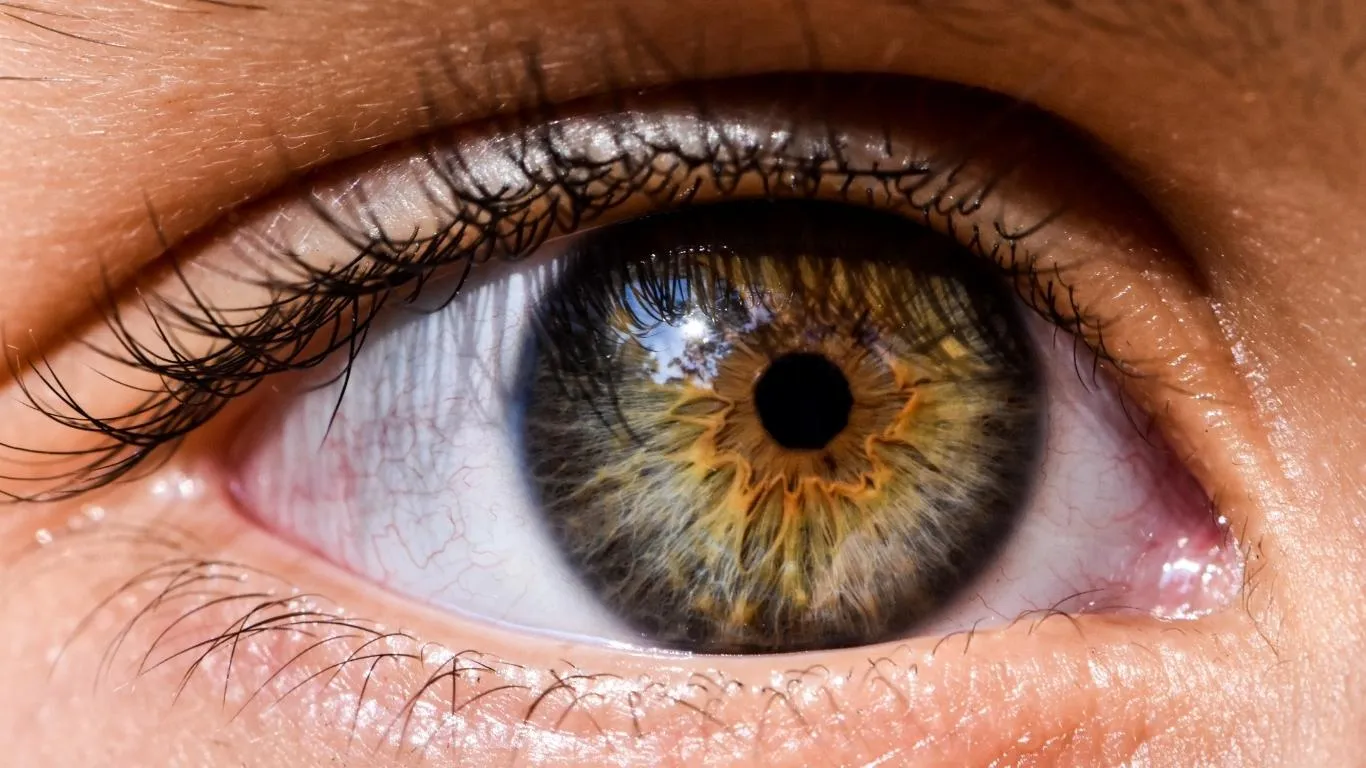
One thing my doctor pointed out — not everything that looks like a floater is a floater. There’s something called visual floatation, where you feel like something’s in your field of vision, but nothing’s actually there. It can be a neurological misfire, especially when combined with stress, anxiety, or migraines.
Peripheral vision is also where our brain fills in a lot of blanks. If your eyes are strained or your blood sugar’s off, your perception might be skewed — creating the illusion of static floaters. Some people even report neck strain or posture issues causing strange shadows in peripheral vision that go away with stretching or rest.
Could It Be a Sign of Eye Disease?
This part’s tricky. While most static floaters are harmless, there’s always a slim chance they point to something deeper — especially if you have underlying conditions like high blood pressure, diabetes, or autoimmune diseases.
For instance, a sudden floater near the periphery could hint at early-stage diabetic retinopathy. People with multiple sclerosis, lupus, or rheumatoid arthritis may notice floaters that linger, due to inflammation or retinal stress. If you’re experiencing systemic symptoms with your floaters — like joint pain, eye dryness, or light sensitivity — you should definitely bring it up with your ophthalmologist.
There’s also a link between systemic infections and stubborn floaters that hover in the periphery. Infections like uveitis or viral conjunctivitis can leave behind visual debris that doesn’t move. The key? Look at the timing. If the floaters started after a fever, infection, or illness — dig deeper.
When You Should Take Action
- Floaters that suddenly appear in clusters or expand rapidly
- Peripheral vision loss or black curtain effect
- Flashes of light — especially in dark settings
- Pain, pressure, or redness along with the floater
In those situations, it’s time to stop Googling and see a retina specialist. While most static floaters are harmless, some are the first sign of something serious — like a retinal tear or detachment. Catching it early can literally save your vision.
Are There Ways to Reduce Static Floaters?
Good news: you’re not stuck. While there’s no instant fix, a few strategies can help.
1. Eye Movement Exercises
Try slow, controlled side-to-side and up-down movements each morning. It helps shift floater debris and may move it out of your direct peripheral line of sight. Some users have had success with techniques shared in this article on eye exercises.
2. Anti-Inflammatory Diet
From my own trial-and-error, reducing processed foods and upping omega-3s and antioxidants has made a difference. There’s a solid guide here on diet tips for floaters that actually work without diving into hype.
3. Managing Light Sensitivity
Use computer glasses with blue-light filters. Lower screen brightness. Avoid staring at backlit white backgrounds. That’s when peripheral floaters stand out most. Also, lighting adjustments can make a world of difference.
4. Stay Hydrated & Rested
Simple but overlooked. Dehydration and poor sleep always make mine worse. There’s some good science around this in how dehydration impacts floaters.
When Surgery or Treatment Becomes an Option
Honestly, most doctors won’t recommend surgery unless floaters are severely affecting your vision or mental health. But if yours are persistent and peripheral, this guide on treatment options breaks it down well.
Laser vitreolysis is one less invasive method that can break up floaters using a laser. Then there’s vitrectomy — a more aggressive surgery that removes the vitreous altogether. Risky? Yes. But effective in certain cases.
Keeping Perspective: Living With Static Floaters

Let’s be real. Floaters can be annoying, especially when they don’t move and sit in your side vision all day. But knowing they’re not dangerous (in most cases), understanding what causes them, and learning how to reduce the triggers — that’s half the battle.
For anyone reading this and feeling overwhelmed, don’t panic. Keep monitoring, take care of your overall eye health, and get regular eye exams. If anything feels off or changes fast — trust your gut and get it checked.
And if you want a clear breakdown of what makes floaters dangerous or benign, I recommend starting with this well-explained overview on when floaters are dangerous.
You might also find this complete explainer useful to ground yourself in the basics: what are eye floaters.

Camellia Wulansari is a dedicated Medical Assistant at a local clinic and a passionate health writer at Healthusias.com. With years of hands-on experience in patient care and a deep interest in preventive medicine, she bridges the gap between clinical knowledge and accessible health information. Camellia specializes in writing about digestive health, chronic conditions like GERD and hypertension, respiratory issues, and autoimmune diseases, aiming to empower readers with practical, easy-to-understand insights. When she’s not assisting patients or writing, you’ll find her enjoying quiet mornings with coffee and a medical journal in hand—or jamming to her favorite metal band, Lamb of God.