Why Floaters That Vanish In Dim Light May Still Be A Warning Sign
Last week while walking my dog at dusk, I noticed something odd—those pesky floaters that usually drift around my vision had almost completely disappeared. For a second, I questioned if my eyes were finally improving. But by the time I got back indoors under normal lighting, they were back like unwanted guests. That led me down a rabbit hole of research, questions, and expert chats. And wow, the science (and myths) around floaters that vanish in dim light is way deeper than I expected.
Why Do Floaters Seem to Disappear in Dim Lighting?
This phenomenon is super common, but most people never talk about it. Floaters—those shadowy specs, threads, or cobweb-like structures—often vanish when you’re in a dim or dark room. But it’s not that they’re gone; it’s more like they’re hiding in plain sight.
It’s All About Contrast and Background
Floaters are more noticeable when you look at a bright, plain background—like a computer screen, white wall, or sunny sky. In dim lighting, there’s not enough contrast for those shadows to be visible. Think of it like trying to spot dust in a dark closet vs. under a bright spotlight. It’s there, but your brain just doesn’t catch it.
Physiology of Light Perception and the Vitreous
Your eyes rely on light bouncing off the retina to create a clear image. In lower light, the pupil dilates, and your visual system shifts from using cone cells (for color and detail) to rod cells (for general shapes and movement). Since floaters are cast shadows on the retina, less light = less shadow. So, technically, they haven’t disappeared—your retina just isn’t picking up on them as much.
When Should You Worry About Floaters Disappearing and Reappearing?
Here’s the thing: not all disappearing floaters are benign. If you notice floaters that vanish in dim light but appear suddenly and severely in normal light, especially with flashes of light or loss of side vision, you should definitely talk to your eye doctor. It could be the early sign of a retinal issue—like a tear or detachment.
- Sudden increase in floaters? Call your eye specialist.
- Floaters accompanied by light flashes? Don’t wait.
- Blurry or curtain-like vision? Emergency-level stuff.
Some floaters linked to no other symptoms are harmless, while others may signal something deeper, like diabetic retinopathy or vitreous detachment. Always better to check than guess.
Floaters, Lighting Conditions, and the Brain’s Perception
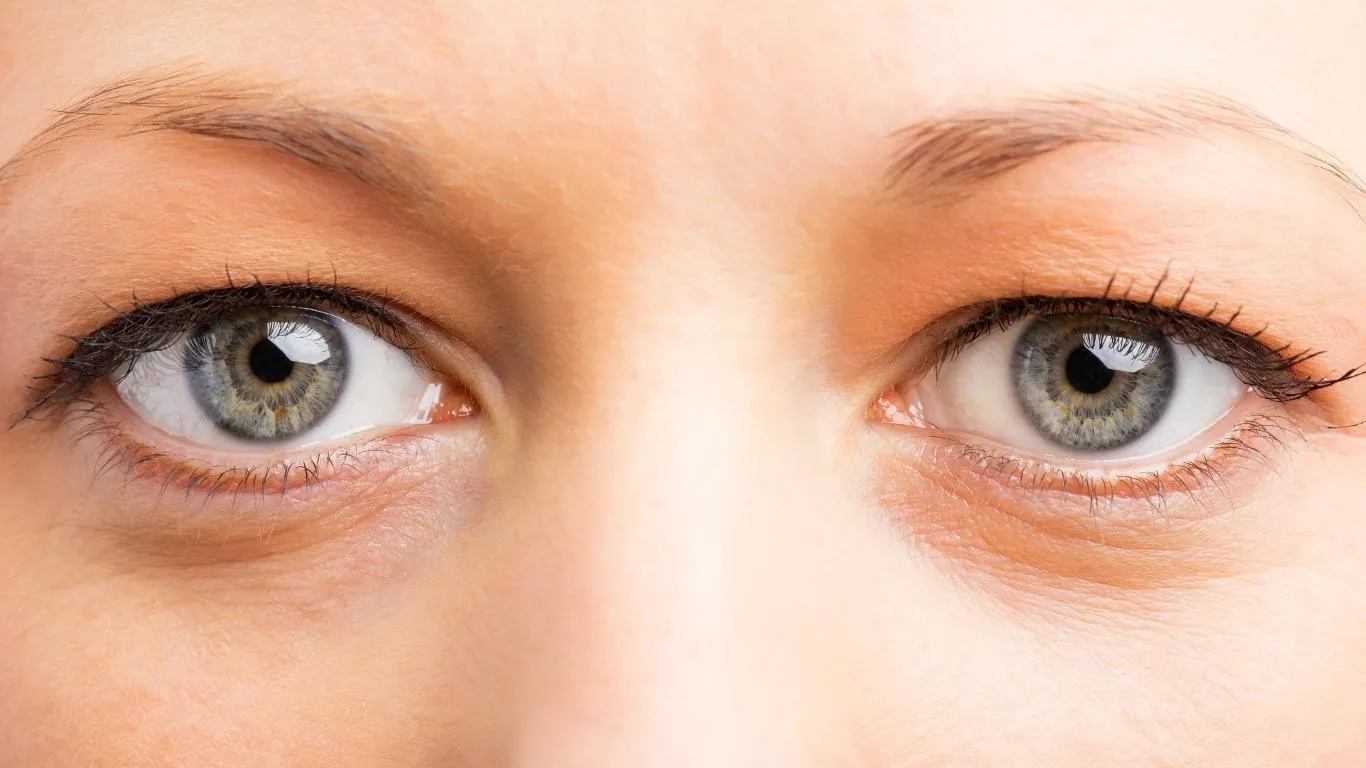
Here’s where it gets interesting. The way your brain filters visual noise is part of the story too. In low-light conditions, the brain shifts priority to overall shapes and motion, rather than small details. That’s why even if floaters are there, your brain may just ignore them to conserve energy and focus on survival-critical data—like shadows moving in the dark. Wild, right?
Plus, the more anxious or focused you are on floaters, the more noticeable they become. That’s why they’re worse after staring at a screen or during high-stress moments. And in dim light, you tend to relax your gaze—so your brain doesn’t prioritize them.
Is This a Sign of Vision Improvement or Just a Trick?
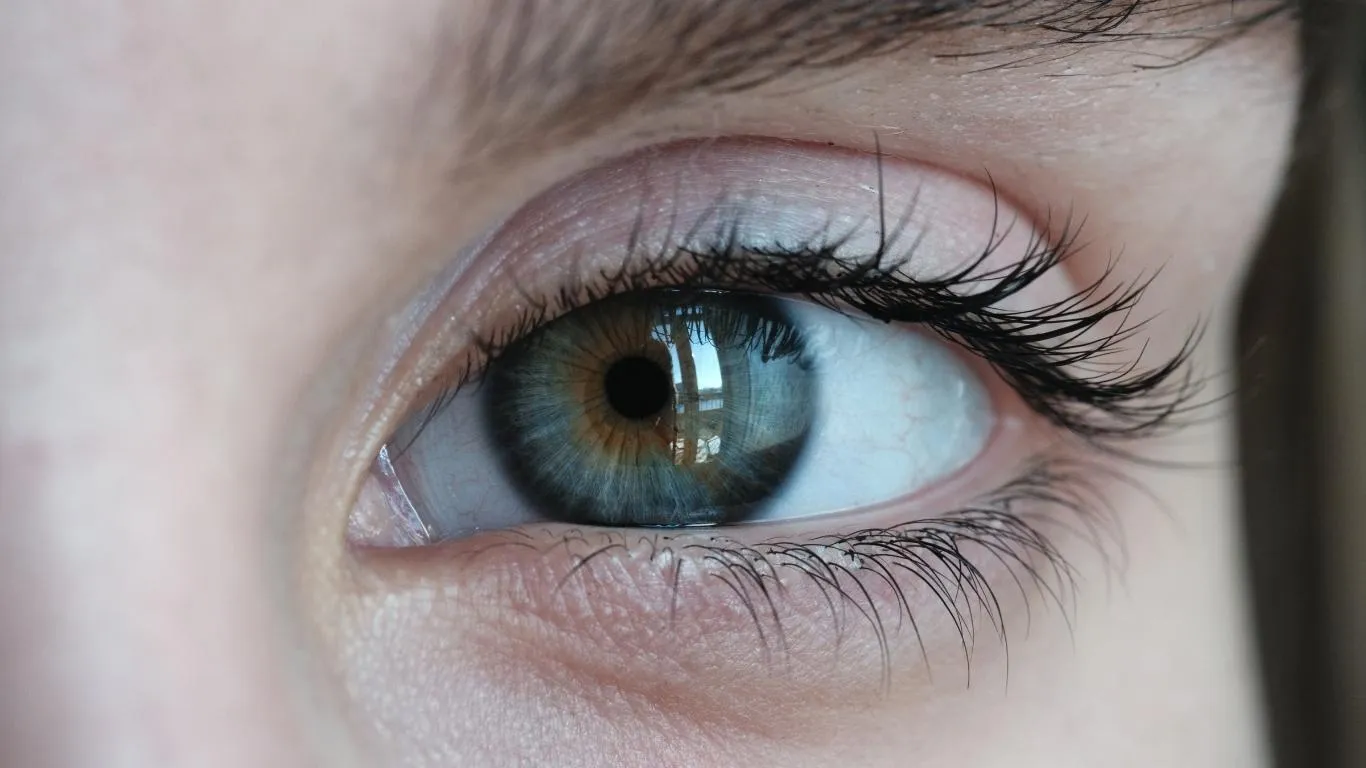
Unfortunately, floaters vanishing in the dark doesn’t mean your vision is healing. It’s just optics and perception. However, there’s some anecdotal chatter about vision therapy or floaters fading naturally over time—though scientific evidence is thin.
Still, some people report fewer floaters after dietary changes or hydration adjustments. I tried upping my omega-3 intake and adding more water during the day, and while I wouldn’t call it a miracle, I did notice fewer disruptions when reading or using screens. Could be placebo or not—but hey, worth a shot.
Want to Dig Deeper?
If you’re curious about why some floaters only appear outdoors or seem worse in natural light, there’s a lot more nuance to explore.
Best Ways to Handle Floaters That Come and Go
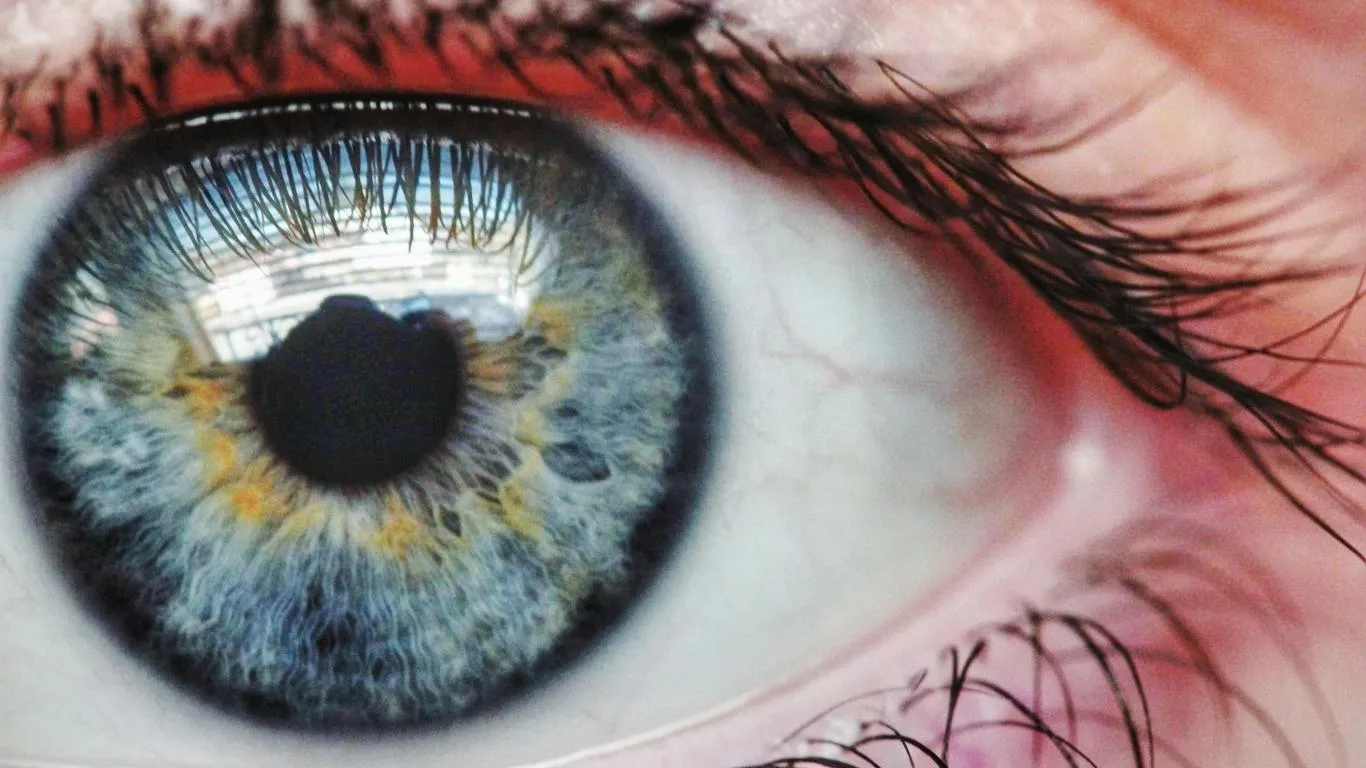
- Hydration – Dehydration is a real floater trigger. Keep those fluids flowing.
- Lighting awareness – Notice when floaters get worse. For me, harsh white backgrounds are the worst.
- Limit screen time – Or at least take breaks every 20 minutes to reset your focus.
- Proper nutrition – Lutein, vitamin C, and magnesium seem to help.
- Stress reduction – Yup, floaters love anxiety. Yoga or simple deep breathing can help more than you think.
Here’s a pretty informative resource on reducing floaters after inflammation or eye strain—worth reading if you’ve had recent eye stress.
Helpful Sources and Further Reading
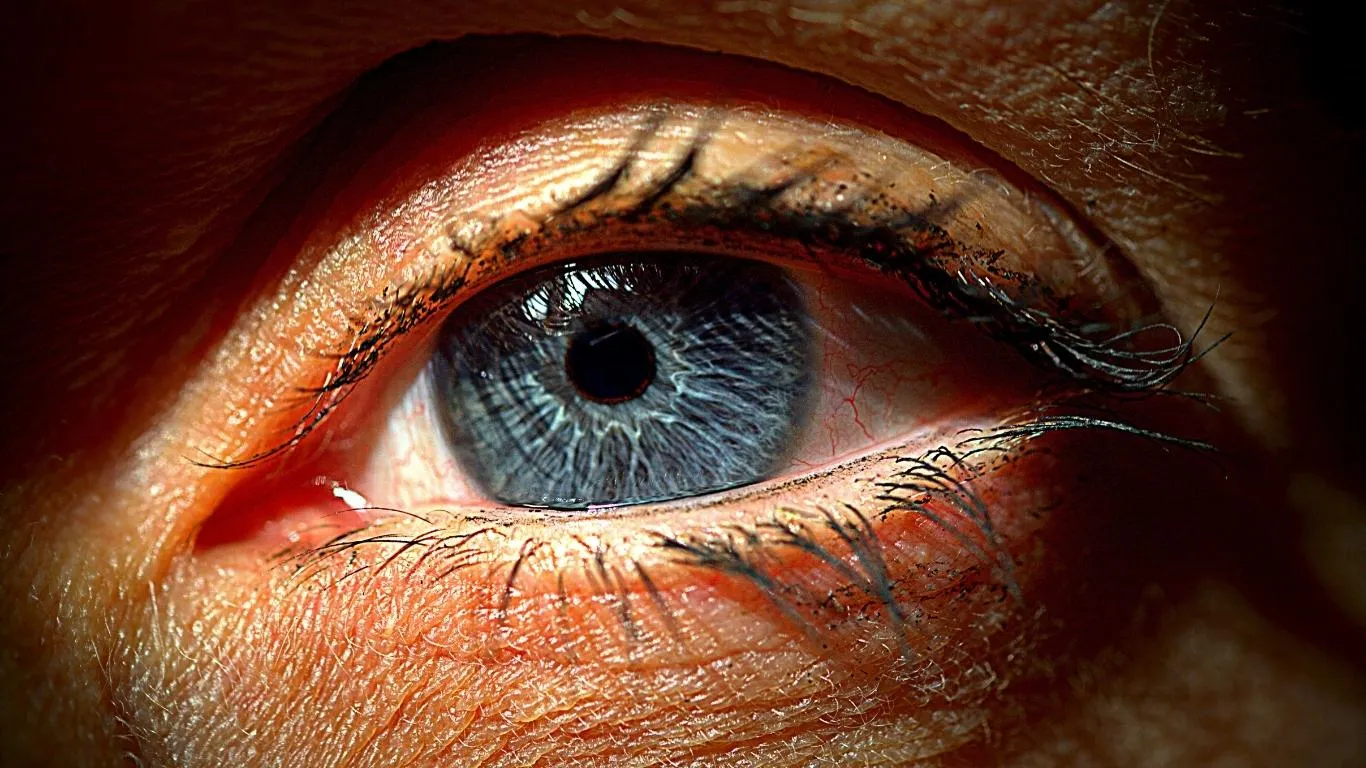
Want to take your understanding even deeper? Check out the comprehensive guide on how to tell eye floaters from other eye problems. It’s a solid starting point to differentiate floaters from more serious vision conditions.
Also, this main pillar article is fantastic for a broader understanding of the causes, symptoms, and treatment options out there. For anything serious, always consult a qualified ophthalmologist. Don’t mess with your vision health.
For those curious, there’s some emerging discussion on sites like nei.nih.gov and aao.org about how lighting environments impact visual disturbances, especially in high-myopia or aging eyes.
Why Dim Light Doesn’t Actually Cure Floaters (But Feels Like It Does)
Let’s clear up a common misunderstanding: dim lighting doesn’t “fix” floaters, and it certainly doesn’t make them go away permanently. It just makes them harder to detect. I remember reading on a forum once where someone said they cured their floaters by keeping their room dark for a week—yeah, no. That’s not how the vitreous works.
What actually happens is this: when there’s less light entering your eyes, those shadows that floaters cast become weaker, and your retina doesn’t register them. It’s a sensory perception issue, not an actual reduction in floaters. Once the lighting returns, so do your little eye intruders.
Visual Noise Suppression by the Brain
Interestingly, our brains do an amazing job at filtering out visual “junk.” In low-light settings, this filtering intensifies because the brain prioritizes essential inputs (like movement or bright contrast) over distractions. This phenomenon is the same reason you can “tune out” background noise in a quiet room. The floaters are still there—they’re just deprioritized by your brain’s visual system.
I’ve experienced this during meditation and even in low-lit yoga classes. The more relaxed I was, the less I noticed the floaters. Not gone—just ignored.
Are There Specific Conditions That Make This Worse?
Some people may notice floaters more often than others, especially those with high myopia, PVD (posterior vitreous detachment), or vitreous syneresis. These conditions cause the gel inside your eye to become more liquid and fragmented, resulting in more floaters. But here’s the twist—floaters from vitreous syneresis can appear and vanish depending on the time of day, your hydration, and, yep, lighting.
In fact, one of the most common signs of PVD is floaters that change appearance or become more noticeable under certain lighting. If you’re over 40 and you’ve suddenly started seeing floaters—especially those that disappear in the evening—it might be time to get checked for early PVD.
Can You Train Your Eyes to Ignore Floaters?
Some vision specialists suggest that with regular exposure and focus-shifting techniques, you can “train” your brain to care less about floaters. Honestly, I was skeptical at first. But after spending a few weeks practicing focus exercises—where you intentionally shift your gaze past the floaters—it did seem to help.
Try these simple methods:
- Focus beyond the floater – look “through” them rather than at them.
- Eye yoga – slow, circular eye movements to get your eyes used to motion without over-fixating.
- Environmental shifts – use soft lighting, avoid glaring white walls or screens for extended periods.
These methods don’t remove floaters, but they reduce how much attention your visual cortex gives them. Think of it as background noise training for your vision.
Real-Life Scenarios Where Floaters Seem to Disappear

Here’s something that surprised me: many people experience vanishing floaters during very specific situations. These include:
- Dimly lit theaters or restaurants
- Early morning before full daylight kicks in
- Stormy or cloudy days with diffused lighting
- Night drives (unless oncoming headlights make them flare up again)
- Sunset or twilight—when lighting softens just enough
This is all anecdotal, sure, but it adds to the body of evidence that lighting drastically impacts floater visibility. I’ve also noticed they practically vanish when I’m wearing my blue light filtering glasses in a low-lit room. It’s not science—yet—but it’s certainly a consistent personal observation.
Should You Try Supplements or Light Therapy?
Let’s talk options. While there’s no FDA-approved treatment for benign floaters, some natural approaches are getting attention. I’m not a doctor, but I did test a few methods and here’s what I found:
- Lutein + Zeaxanthin – Mild improvement over a few months; might help with light sensitivity too.
- Magnesium – Helped with eye twitching and possibly lowered floater intensity.
- Hydration – Massive difference. Less dry eye = better floaters experience overall.
Some are also experimenting with red light therapy, though studies are early. If you’re curious, research from pubmed.ncbi.nlm.nih.gov shows mild promise in low-level light therapy improving overall retinal function—but again, not a cure-all.
What Happens If Floaters Suddenly Vanish Altogether?
This one’s a bit spooky. If you’ve had large floaters and they suddenly disappear completely—not just fade in dim light—you need to call your doctor. In rare cases, this could indicate that the floater has settled, shifted behind the lens, or worse, there’s been a retinal detachment or bleeding that’s blocking your view of it.
Here’s a great explainer about when sudden floater disappearance isn’t normal and what to watch for. I personally had one case where a large ring-shaped floater moved so far off-center, I thought it was gone—until it returned a week later.
Conclusion: The Odd Science of Floaters and Light
So, yeah—floaters that vanish in dim light aren’t magical or mysterious. It’s just biology, perception, and a little bit of mental filtering. They’re still there, waiting for the right lighting to pop up again. But now, at least, I don’t panic when I see (or don’t see) them. Instead, I’ve found ways to manage, ignore, and even slightly improve the whole experience.
For a more advanced deep-dive into what causes floaters and how they evolve, visit this trusted guide on eye floaters. It breaks things down clearly and covers treatments, risks, and everything you wish your eye doctor had time to explain.
And if you’ve ever wondered whether your floaters are just floaters—or something more—definitely bookmark this resource: When Are Eye Floaters Dangerous?
Keep looking up. Even if something’s floating in the way.

Camellia Wulansari is a dedicated Medical Assistant at a local clinic and a passionate health writer at Healthusias.com. With years of hands-on experience in patient care and a deep interest in preventive medicine, she bridges the gap between clinical knowledge and accessible health information. Camellia specializes in writing about digestive health, chronic conditions like GERD and hypertension, respiratory issues, and autoimmune diseases, aiming to empower readers with practical, easy-to-understand insights. When she’s not assisting patients or writing, you’ll find her enjoying quiet mornings with coffee and a medical journal in hand—or jamming to her favorite metal band, Lamb of God.