How Creative Visualization Can Trigger Eye Floaters and Disrupt Focus
Ever been deep into a meditation session, visualizing your dream vacation or the perfect version of yourself, only to be distracted by those pesky floating specks drifting across your vision? I remember the first time it happened to me during a guided creative visualization. I thought my mind was playing tricks, but nope — those “floaters” were very real. And, apparently, I’m not the only one who’s noticed this odd connection. Let’s dive into why floaters seem to make an entrance during moments of intense mental imagery and what that says about your eye health.
What Are Eye Floaters and Why Do They Appear During Visualization?
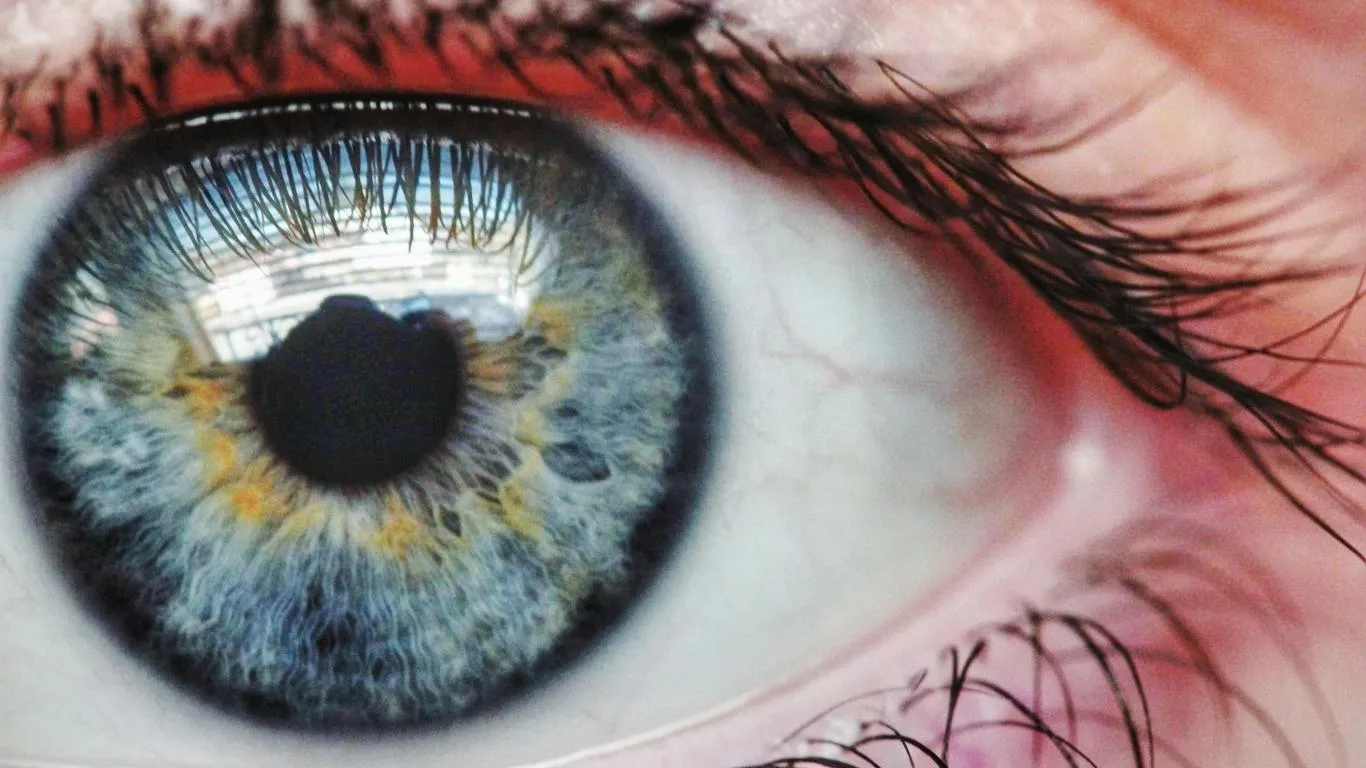
Floaters are those semi-transparent threads, cobweb-like strands, or specks that drift lazily across your field of vision. Most of the time, they’re harmless, caused by tiny clumps of collagen within the vitreous — that gel-like substance inside your eye. But here’s where it gets interesting. Many people report that floaters become more prominent during creative visualization or focused mental imagery exercises. Why?
One theory, which actually resonated with my experience, is that during visualization, you often close your eyes or focus on blank, uniform backgrounds (like a ceiling or a white wall). This creates the perfect canvas for floaters to stand out. The stillness and lack of external visual stimuli make even the tiniest floater impossible to ignore.
But is it just perception? Or is there more happening beneath the surface?
How Mental Focus Can Make Floaters More Noticeable
Here’s what I’ve learned (and experienced first-hand): when you deeply concentrate on a mental image — say, visualizing a calm ocean or a goal you’re manifesting — your eyes may unintentionally become more static. The micro-movements, known as microsaccades, that usually help “shake off” floaters are reduced. That’s why floaters appear to “freeze” into your line of sight during these sessions.
According to ophthalmologists at American Academy of Ophthalmology, floaters become more annoying when you’re fixating or straining in low-contrast environments. Visualization exercises are the textbook trigger.
The Role of Vitreous Syneresis in Visualization-Induced Floaters
Vitreous syneresis — or the slow liquefaction of the eye’s vitreous gel — is another key factor. I didn’t even know this term existed until I stumbled upon it researching why my floaters acted up after long visualization sessions. Turns out, as the vitreous becomes more liquid with age, floaters have greater freedom to drift into noticeable zones, especially when you’re not engaging your peripheral vision.
For a more in-depth explanation of how vitreous changes cause floaters, this article on how age-related vitreous changes can lead to eye floaters is a must-read.
Are Floaters During Visualization a Cause for Concern?
The short answer? Not usually. But — and it’s a big but — if you notice a sudden surge in floaters, flashes of light, or a shadow creeping over your vision, stop what you’re doing and contact an eye specialist. These could be signs of a retinal tear or detachment.
However, floaters triggered by visualization sessions are often just a sign that your eyes are taking a brief “quiet moment” to remind you they exist. That said, if they start interfering with your practice, it might be time to learn a few management strategies (we’ll get there in Part 2).
When Floaters May Signal a Bigger Issue
If you’re someone who experiences floaters alongside other symptoms like dizziness, headaches, or even after emotional stress, it could be worth looking into systemic health factors. You can read about how floaters can be triggered by anxiety episodes and how stress-induced vision disturbances may quietly be affecting your focus.
Simple Habits That Can Make Visualization Floaters Less Distracting
Over time, I’ve picked up a few tricks that make floaters less of an intruder during visualization:
- Change your background: Instead of staring at a plain white wall, try a softly textured backdrop that minimizes floater contrast.
- Incorporate gentle eye movements: Even subtle microsaccades can shift floaters out of your central vision.
- Hydrate adequately: Dehydration can worsen floaters’ visibility. There’s even research exploring the link between dehydration and increased floater visibility.
Is There a Way to “Train” Your Brain to Ignore Floaters?
Interestingly, some optometrists suggest that neuro-adaptation can help you “tune out” floaters over time. Think of it as training your brain’s visual cortex to filter out the distractions. This aligns with my personal experience; floaters used to hijack my visualization sessions, but now they’re just an occasional blur in the background.
If you want a deep dive into how floaters compare with other eye anomalies during focus-intensive tasks, I highly recommend checking this resource: Eye Floaters vs. Other Eye Problems — How to Tell the Difference.
When to Seek Medical Advice for Persistent Floaters
Let me be clear — if you’re suddenly seeing floaters where you previously had none, especially after activities like creative visualization, it’s worth a chat with your eye doctor. Floaters alone aren’t an emergency, but when paired with other symptoms, they can indicate a need for immediate evaluation.
There’s an excellent article outlining the signs of dangerous floaters you shouldn’t ignore here: When Are Eye Floaters Dangerous?
For a broader understanding of what floaters are, their causes, and how they’re treated, you can always revisit the main pillar guide at What Are Eye Floaters? Causes, Symptoms, and Treatment Options.
Techniques to Reduce Floaters During Creative Visualization
After countless sessions of creative visualization being hijacked by floating specks, I’ve come across several practical methods that truly help minimize their distraction. No magic pills here — just simple, mindful tweaks to how you approach visualization exercises.
- Optimize Lighting Conditions: Avoid overly bright or stark environments. Dimmed, soft lighting can reduce floater visibility. For me, visualization sessions in a softly lit room drastically lessened those intrusive floaters.
- Practice Eye Yoga Beforehand: Gentle eye rotations and focusing exercises warm up the eyes and encourage fluidity in eye movements. This practice has helped me “loosen up” floaters that used to settle right in the middle of my focus.
- Use Visualization Scripts That Involve Movement: Instead of visualizing static images, incorporate motion. Visualize flowing rivers, swaying trees, or moving clouds — it keeps your eyes slightly active and reduces static fixation that makes floaters stand out.
Curious about other physical strategies? Check out this detailed piece on best eye exercises for reducing floaters.
When Visualization Floaters Could Signal Underlying Health Issues
While most floaters during creative visualization are benign, there are scenarios where they might hint at deeper health concerns. For instance, I once spoke with a vision therapist who explained how systemic conditions like high blood pressure or autoimmune issues could manifest as sudden changes in floater patterns.
- Floaters coupled with light flashes: A red flag for potential retinal detachment.
- Floaters post-head trauma: Could indicate vitreous hemorrhage or retinal tear. Here’s a helpful resource on why floaters after head trauma may persist.
- Floaters with vision loss or blurry zones: Should be evaluated immediately.
It’s always better to err on the side of caution. Floaters themselves are often harmless, but sudden changes warrant professional advice. Regular checkups with your ophthalmologist are crucial, especially if you frequently engage in visualization practices.
Can Hydration and Nutrition Help with Visualization-Induced Floaters?
This was a game-changer for me. I used to underestimate how much simple habits like drinking enough water and tweaking my diet could impact floater severity. Dehydration tends to make floaters more pronounced, particularly during meditative states where your blink rate drops.
Including foods rich in lutein, zeaxanthin, and omega-3 fatty acids has been backed by multiple studies for supporting vitreous health. I found noticeable improvement after incorporating more leafy greens, wild salmon, and eye-friendly supplements into my routine.
For a closer look at how nutrition affects floaters, check out this guide on diet changes that improve eye floaters naturally.
Supplements That May Support Vitreous Clarity
While supplements aren’t a miracle cure, many eye health experts recommend certain vitamins that support overall eye clarity:
- Vitamin C and E – potent antioxidants protecting the vitreous.
- Magnesium – may assist in reducing floaters linked with stress.
- Lutein & Zeaxanthin – essential for retinal health, which indirectly impacts floater perception.
This comprehensive list of best supplements for floaters is worth exploring if you’re serious about addressing floaters from a nutritional angle.
Managing Floaters During Long Visualization Sessions
Sometimes, visualization sessions go on longer than planned, and that’s when floaters become even more noticeable. Here are a few hacks I use to manage them during extended focus sessions:
- Scheduled Micro-breaks: Every 10 minutes, shift your gaze to a different focal point for a few seconds. This mimics natural eye movement and “dislodges” stagnant floaters.
- Mindful Blinking: Intentionally blinking during visualization might seem counterintuitive, but it helps redistribute the tear film and reduces floater clarity.
- Guided Visualization Tracks with Soft Visual Focus Prompts: Opt for tracks that include subtle prompts to shift visual attention periodically.
For individuals struggling with floaters during deep visualization or meditation retreats, this article on floaters during silent room meditation dives deeper into the phenomenon.
When to Consider Medical Treatments
If floaters consistently interfere with your quality of life — not just during visualization but in daily tasks — you may want to explore medical interventions. Treatment ranges from laser vitreolysis to surgical vitrectomy. However, these procedures carry their own risks and are typically reserved for severe cases.
A good starting point is this comprehensive guide on eye floater treatments from observation to surgery, which outlines when professional intervention is warranted.
It’s important to balance the desire for a distraction-free visualization practice with the reality that floaters, in many cases, are a normal part of eye aging. That said, when they become a persistent nuisance, proactive measures — from lifestyle tweaks to medical advice — can make all the difference.

Camellia Wulansari is a dedicated Medical Assistant at a local clinic and a passionate health writer at Healthusias.com. With years of hands-on experience in patient care and a deep interest in preventive medicine, she bridges the gap between clinical knowledge and accessible health information. Camellia specializes in writing about digestive health, chronic conditions like GERD and hypertension, respiratory issues, and autoimmune diseases, aiming to empower readers with practical, easy-to-understand insights. When she’s not assisting patients or writing, you’ll find her enjoying quiet mornings with coffee and a medical journal in hand—or jamming to her favorite metal band, Lamb of God.