Why Floaters Triggered By Intense Thinking Disrupt Vision
Ever noticed those squiggly shapes drifting through your vision, especially after a long brainstorming session or an intense focus marathon? Yeah, me too. The first time it happened, I was deep into writing a thesis chapter, completely zoned in. Then suddenly—bam!—dark little floaters started hovering in my line of sight. At first, I thought they were just dust particles or maybe a sign of fatigue. But after digging deeper, I found out it might be something more curious: floaters triggered by intense thinking.
What Are Floaters—and Why Are They Showing Up Now?
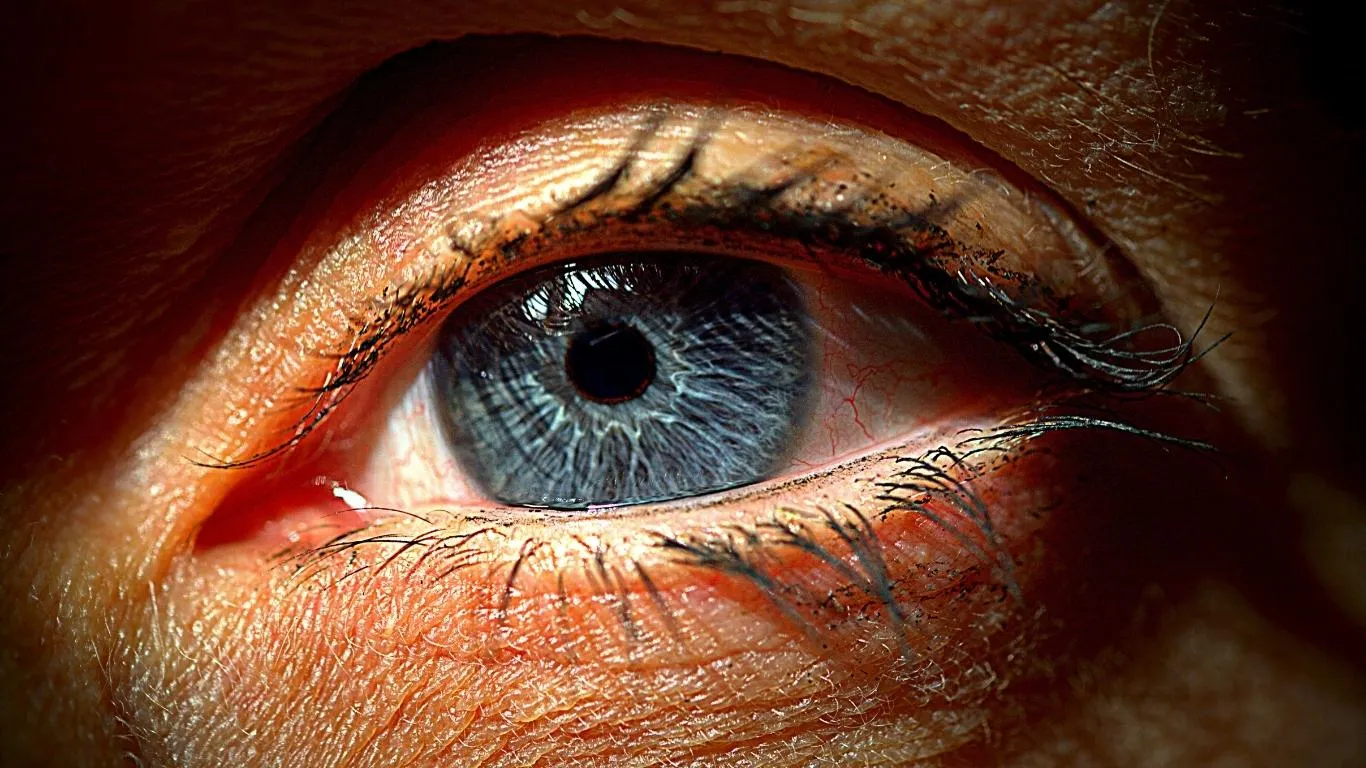
Floaters are those tiny specks or thread-like shapes that seem to drift around your field of vision. They’re actually little clumps of collagen or cells floating inside the vitreous—the jelly-like substance that fills your eyeball. Most of the time, they’re harmless and simply a part of aging. But recently, there’s been growing chatter about how intense mental activity or emotional stress could play a role in making them more noticeable.
When Brain Power Meets Eye Strain
Here’s the thing. When you’re in deep thought—solving complex problems, engaging in high-stress tasks, or even meditating hard—your body often responds by tensing up. That includes your face, your jaw, your eyes. And that tension could affect eye pressure, blood flow, and eye muscle movement, possibly triggering those pesky floaters.
I’ve had moments during heavy research sessions where my entire head felt locked in concentration. And shortly after, the floaters appeared, dancing across my vision like uninvited guests at a party. If you’re nodding in agreement, you’re not alone.
The Science Behind It (Yes, There’s Some)
While there isn’t a pile of peer-reviewed papers titled “Thinking too hard gives you floaters,” there is evidence linking stress and mental fatigue to changes in intraocular pressure and blood flow. According to ncbi.nlm.nih.gov, high stress levels can cause physiological changes in the eyes. These changes may lead to the perception of floaters becoming more vivid or frequent.
Combine that with potential eye dryness from reduced blinking during screen time or reading—a common behavior during focused thought—and it’s no wonder floaters feel like they’ve booked a permanent stay in your line of sight.
Related Triggers You Might Not Notice
- Extended periods of visual concentration
- Neck and upper back tension
- Reading white backgrounds for too long
When Floaters Stick Around: Should You Worry?
If floaters come and go, especially after a mentally intense day, they’re likely nothing serious. But if they’re sudden, persistent, or paired with flashes of light or a curtain-like shadow, it could signal something more urgent like a retinal tear. In that case, don’t wait—see an eye specialist. I personally had a close call a year ago, where what I thought was just another “thinking floater” turned out to be a warning sign. Thankfully, I got it checked in time.
Want to know more about when floaters might mean danger? Here’s what to look out for.
Floaters and Overthinking: Are You Making Them Worse?

There’s a funny paradox at play here. The more you notice floaters, the more your brain zooms in on them—and the worse they seem to get. It’s like hearing a background noise you can’t unhear once you’ve noticed it. This is where mindfulness can be a game-changer.
Instead of obsessing over every dot and squiggle, try grounding techniques, eye relaxation exercises, or even short walks in natural light. You’d be surprised how effective stepping away from a high-focus task can be. I’ve found that just shifting my gaze away from a screen every 20 minutes makes a noticeable difference.
Some people swear by supplements too. If you’re curious about that route, check out some science-backed options.
It’s Not Just in Your Head (Even If It Feels That Way)
You might hear people dismiss floaters as no big deal or tell you to “just ignore them.” But when they pop up during your most focused, productive moments, they can feel incredibly disruptive. And for those of us who rely on screens and intense mental work daily, it’s important to know the difference between harmless symptoms and signs you shouldn’t ignore.
If this sounds a lot like you, then you’ll want to explore more about how symptoms evolve. One great read is this guide on recognizing serious floater symptoms.
What You Can Actually Do About It
- Mind Your Mental Load: Schedule breaks between deep work sessions. Use the 20-20-20 rule—every 20 minutes, look at something 20 feet away for 20 seconds.
- Hydrate and Blink: Yes, blinking matters. When thinking hard, we tend to blink less, which dries out the eyes and increases floater visibility.
- Stretch Your Neck: Tension here can affect blood flow to the eyes. Add a few neck rolls or shoulder shrugs during your breaks.
- Dim the White: Switch your screens to dark mode or use sepia backgrounds when reading long documents.
- Track Changes: If floaters are increasing or changing form, don’t wait. Use apps or a simple journal to note patterns and triggers.
Still unsure what might be causing your floaters in the first place? Here’s a deeper dive into some of the most common causes.
For a broader understanding of eye floaters, including symptoms and treatments, I also recommend reading the main eye floater guide that covers it all in one place.
Can Floaters from Deep Thinking Really Be Prevented?
Here’s the honest truth: if you’re prone to floaters, there’s no magical shield that’ll completely stop them from appearing during high mental focus. But from my own trial and error (and a few panicked Google searches at 1 AM), I’ve found there are habits that *seriously* reduce how often they show up—or at least, how much they bother me.
Habits That Made a Difference for Me
- Switching to warm screen tones: Apps like f.lux or built-in night shift settings are underrated lifesavers for the eyes.
- Short breathing sessions: Just 2 minutes of deep breathing helped bring down the tension during those “brain-on-fire” moments.
- Staying hydrated: Dehydration actually made my floaters way more visible, especially in the afternoons. A simple water reminder app changed that.
If you think your floaters are related to your lifestyle or habits, check out this article on how intense concentration may be making them worse without you realizing it.
What the Experts Say About Mental Activity and Floaters
While most ophthalmologists won’t list “deep thought” as an official cause of floaters, several acknowledge the indirect link. Stress, tension, and eye strain from mental overdrive are often discussed in the same breath as floater flare-ups.
According to aao.org, eye floaters often become more noticeable during high-contrast situations—like reading black text on a white background, which many of us do for hours. This visual setup is common during intense mental work, leading to the perception that thinking itself might be the trigger.
Combine that with the lack of blinking and focused gaze, and it’s no surprise these floaters seem to crash every brainstorming party. Some eye strain cases even mimic symptoms of physical injury—minus the trauma.
Natural Remedies That Help Floaters Fade from Focus
Let’s be clear: most floaters don’t magically disappear. But with the right habits and a bit of patience, they can become less distracting.
- Lutein-rich foods: Think leafy greens, egg yolks, and corn. They support overall eye health and might help with floater management. I started adding spinach smoothies to my routine and noticed a subtle difference within weeks.
- Natural light breaks: Don’t underestimate the power of natural lighting to reset your eyes. Every few hours, I head outside—even if just to stare at trees for five minutes.
- Herbal support: Some people report improvement with herbs like bilberry and ginkgo biloba. Here’s a list of natural herbs known to support vitreous health.
If floaters keep showing up after your thinking marathons, you might want to experiment with some of these remedies. While not all are backed by clinical trials, many are safe and worth trying with your doctor’s go-ahead.
When Mental Load & Eye Health Collide
Over the past year, I’ve learned the hard way that pushing myself too hard mentally had ripple effects—my eyes being one of the first to signal overload. Fatigue-triggered floaters became a regular nuisance, until I took a step back and built in better balance.
We often ignore our body’s warning signs when our mind is in overdrive. Eye floaters are one of those subtle signals that something needs to shift. It might be your routine, your posture, or simply your approach to productivity.
One thing that helped was setting up proper lighting around my workspace. I also started using a matte screen protector on my laptop to cut down glare. Both changes made my eyes feel more relaxed—even during intense brainstorming sessions.
How to Know It’s Time to Get Help
If you’re reading this and your floaters are getting worse, changing shape, or appearing with other symptoms like flashes, shadows, or visual distortions—don’t wait. Book an eye exam. Better safe than sorry.
You might also benefit from reading this deep dive on floater treatment options—from doing nothing, to lasers, to surgery in extreme cases.
Floaters, Focus & Mental Energy: The Triangle You Didn’t Know Existed
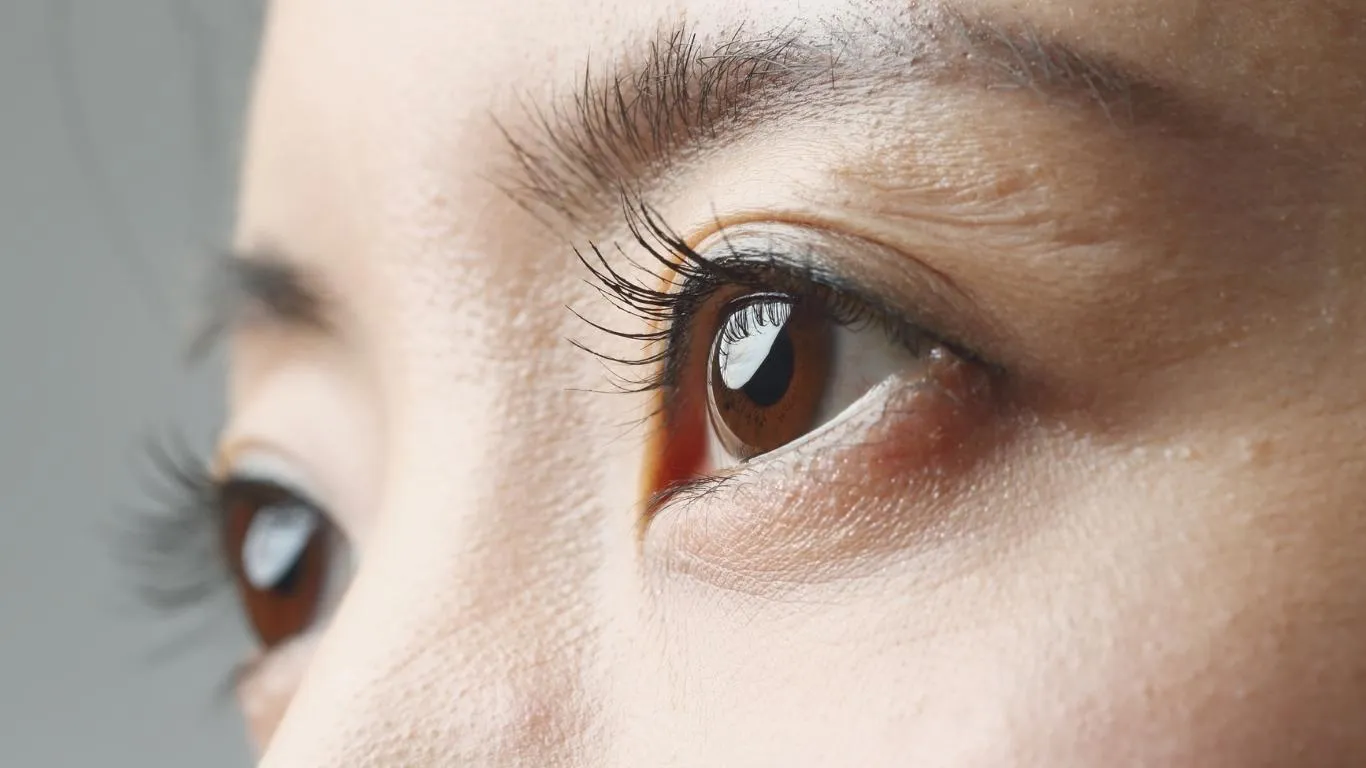
Here’s something I wish more people talked about: the tight link between our eyes and our mind. The more we focus, the more our bodies respond physically—jaw clenches, neck stiffens, and yes, our eyes freeze in one position for too long. This mental-energy-meets-eye-physics dynamic explains why floaters show up when we least want them.
It’s not always about eye damage or aging. Sometimes, it’s just a sign you’ve been in deep thought a little too long without taking a breath. And while it might sound woo-woo, your eyes need mental breaks as much as your brain does.
If this sounds like your daily struggle, learn more about why floaters worsen with mental and physical fatigue—and how to combat it naturally.
And finally, if you’re new to the world of floaters or just want to better understand the big picture, this article is the perfect starting point: Eye Floaters: Causes, Symptoms & Treatment Options.

Camellia Wulansari is a dedicated Medical Assistant at a local clinic and a passionate health writer at Healthusias.com. With years of hands-on experience in patient care and a deep interest in preventive medicine, she bridges the gap between clinical knowledge and accessible health information. Camellia specializes in writing about digestive health, chronic conditions like GERD and hypertension, respiratory issues, and autoimmune diseases, aiming to empower readers with practical, easy-to-understand insights. When she’s not assisting patients or writing, you’ll find her enjoying quiet mornings with coffee and a medical journal in hand—or jamming to her favorite metal band, Lamb of God.