Why Floaters Triggered By Rapid Room Entry May Signal Eye Stress
If you’ve ever darted into a room and suddenly noticed swirling spots or thread-like shapes dancing across your vision, you’re not alone. I used to brush it off as “just the lighting” or thought maybe I’d moved too fast. Turns out, those fleeting specs have a name—eye floaters—and for many people, the sudden change from one room to another can surprisingly make them more noticeable.
What Actually Happens to Your Eyes During Rapid Room Entry?
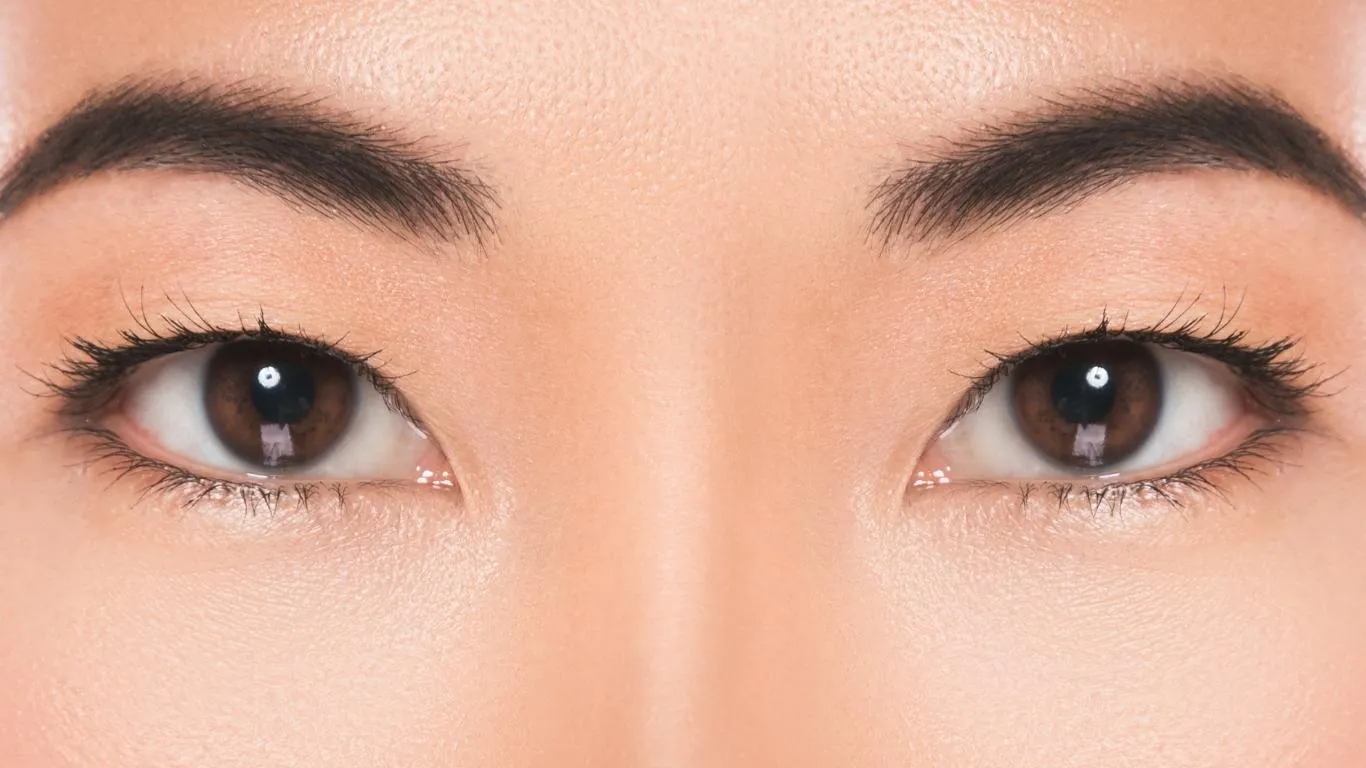
Let’s break it down. When you move from a bright hallway into a dim room or vice versa, your eyes scramble to adapt to the sudden light change. This is where floaters love to make their grand entrance. Your pupils dilate or constrict rapidly, and that brief moment of visual adjustment gives floaters the spotlight—literally.
These floaters are shadows cast on your retina by tiny clumps of collagen or cellular debris floating in your vitreous gel (the jelly-like substance inside your eye). When your visual system is in flux—like when switching lighting conditions—your brain becomes hyper-aware of these shadows.
Why It’s More Common Than You Think
Ever heard of floaters only showing up against a white wall or a clear sky? That’s not coincidence. Similar to that, a shift from one ambient light condition to another—like rushing into a room—makes floaters visually pop out. According to research published in NCBI, floaters become more apparent during moments of heightened visual sensitivity.
My Experience With Floaters in Motion
Personally, mine always show up when I’m running late and dash into my kitchen from a sunny patio. Within seconds, I see a storm of wispy strands drifting around. It’s jarring at first, especially when it looks like something is in your eye but isn’t. Over time, I learned that the contrast in lighting combined with my quick movements was the trigger. And yes—it’s mildly annoying.
Not All Floaters Are the Same
What many don’t realize is that there are several types of floaters. Some people see squiggly lines. Others see rings, cobwebs, or even what looks like smoke trails. And rapid room entry can highlight any of them depending on how your eyes react to the lighting and motion changes.
- Diffuse floaters: Often appear like clouds or hazy smudges.
- Fibrous floaters: Tend to look like threads or cobwebs.
- Spot-like floaters: Small and dot-like, common in younger individuals.
Understanding the type you’re dealing with can help you better recognize patterns in your visual response.
Is It a Cause for Concern?
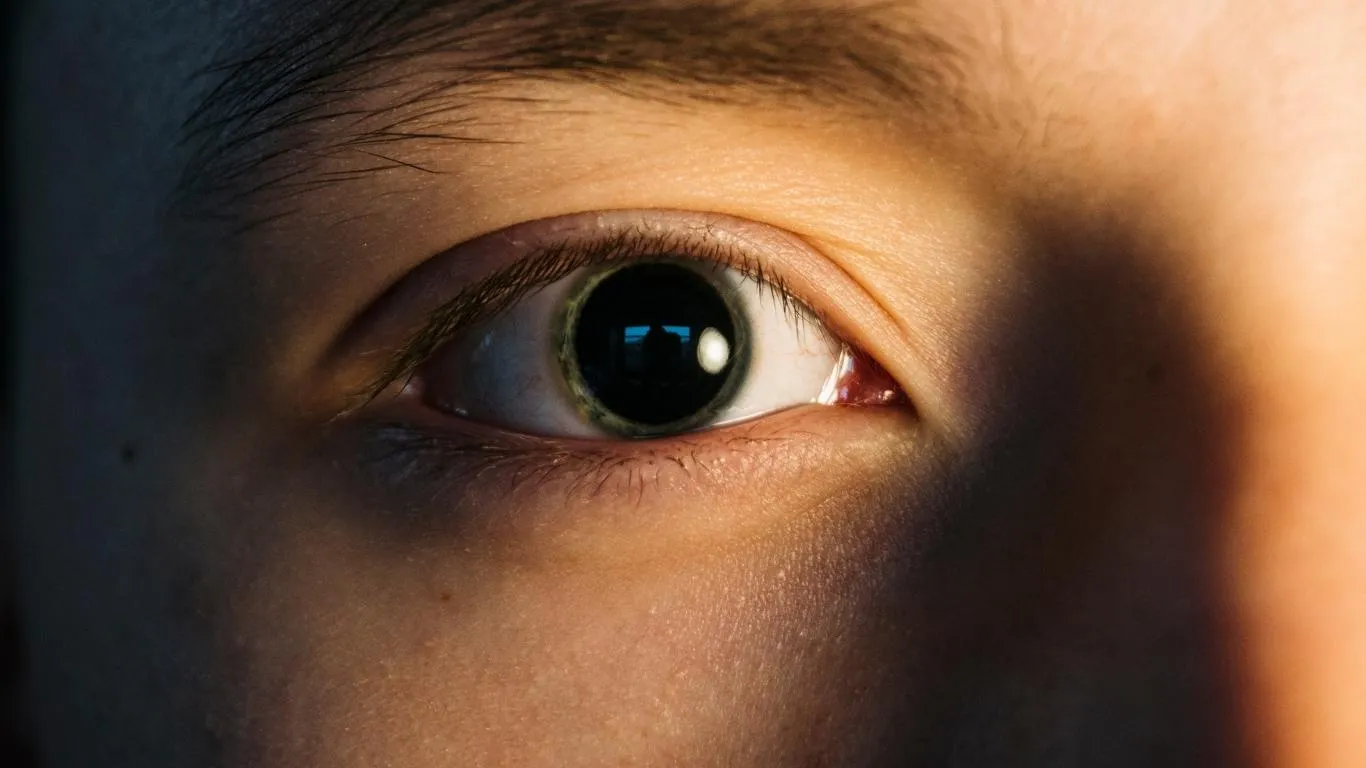
Usually, no. Floaters during rapid room transitions are benign, but they can be a red flag if paired with other symptoms like flashes of light, sudden increase in number, or partial vision loss. These could be early signs of posterior vitreous detachment or retinal tears, and that’s not something to brush off.
That said, if they only appear during light shifts or fast movements, it’s more likely an innocent byproduct of your eye’s natural adaptation process.
Check for These Red Flags:
- Floaters followed by bright flashes
- Sudden shower of floaters
- Peripheral vision loss
When in doubt, always consult a professional. Trust me, I’ve done the “wait and see” thing—and regretted it when I found out my eye pressure was elevated. Don’t do that.
Science Behind the Light Shift Sensitivity
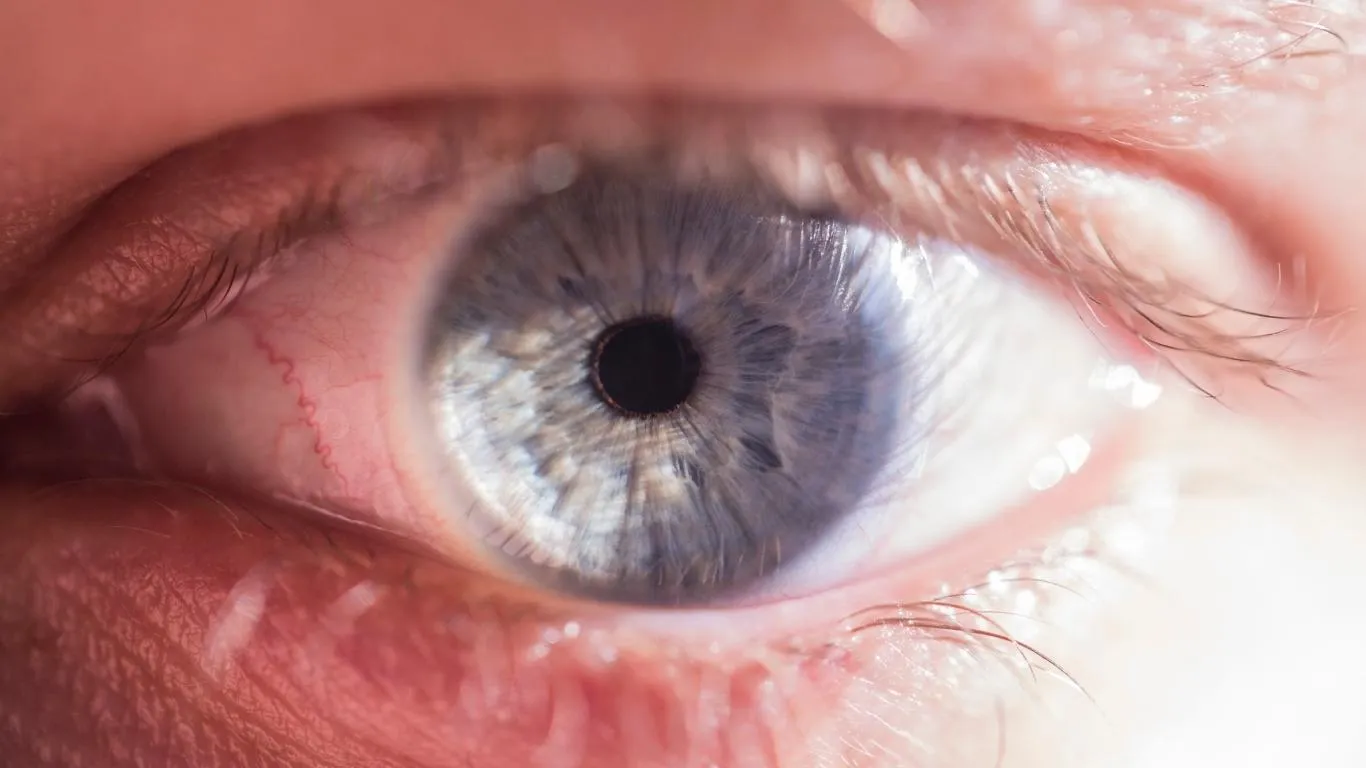
Photoreceptor cells in your retina adjust to light by regenerating photopigments, which takes time. During this adjustment window, floaters get framed more vividly in your field of vision. Combine that with physical motion, and your eyes experience a moment of unfiltered light processing—bringing even minor floaters to the forefront.
This phenomenon is related to vitreous syneresis, the gradual liquefaction of the vitreous humor. According to AAO, this process accelerates with age, dehydration, and oxidative stress, making floaters more noticeable during everyday moments like entering a room quickly.
Simple Habits That Can Minimize the Nuisance
I’ve found a few things that work for me—and they’re easy to adopt:
- Pause before entering: Give your eyes a second to adjust before walking into a different light level.
- Hydration helps: Floaters often worsen with dehydration. I keep a water bottle close, especially after long screen time.
- Diet matters: Omega-3s and antioxidants like lutein and zeaxanthin play a big role in eye health. Here’s a useful breakdown on hydration and floaters.
These aren’t miracle cures, but they do help reduce how often floaters hijack my vision mid-step.
When Floaters Disrupt Daily Comfort
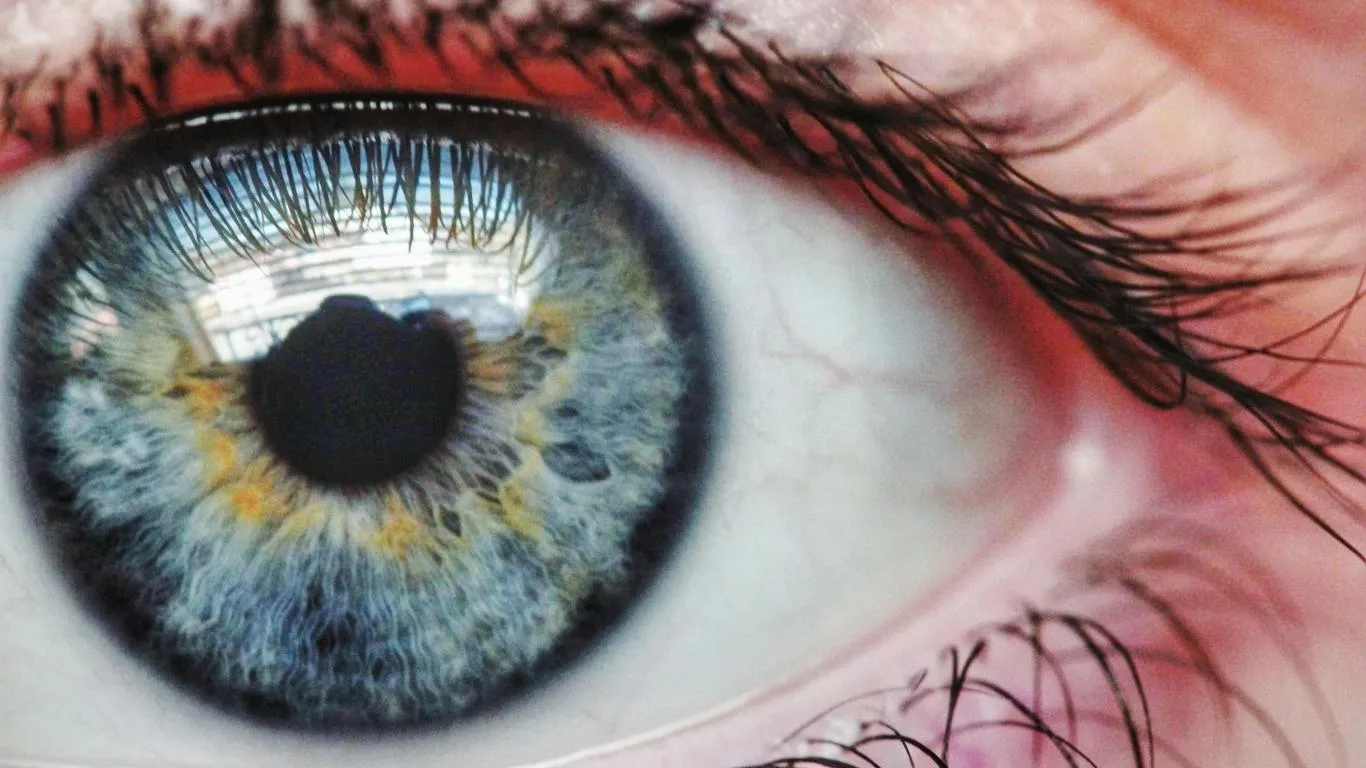
For some of us, floaters don’t just pass by—they camp out. If that’s the case, medical treatments are available. This guide to floater treatment options breaks down when to seek intervention, whether through vitrectomy, laser therapy, or simply monitoring with regular eye exams.
Of course, everything starts with knowing what’s normal. That’s why I always recommend reading up on this complete explainer on floaters to understand the big picture, especially if you’re just starting to notice them now.
Why Some People Are More Prone to Floaters During Fast Room Entry
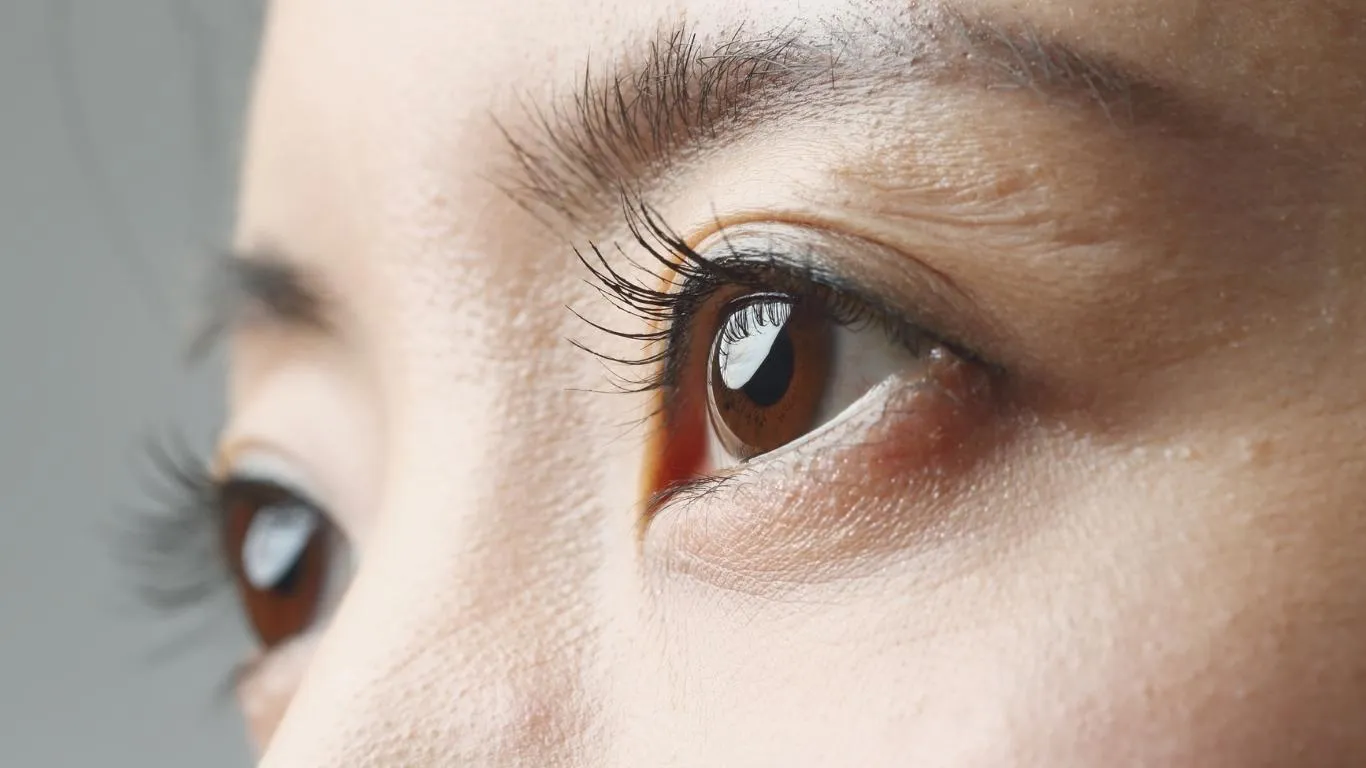
Let’s talk about why your best friend can dash into a dark room without a hitch, while you feel like you’re walking through a snow globe of moving spots. A lot of it comes down to individual eye anatomy, age, hydration levels, and overall eye health. People with high myopia (yep, that’s me) are often more likely to experience pronounced floaters—especially during visual stress moments like sudden light transitions.
As I learned the hard way, myopia stretches the shape of the eye, putting tension on the vitreous gel, making it more prone to early breakdown and clumping. According to the Mayo Clinic, nearsighted individuals are at higher risk of floaters becoming chronic or symptomatic during routine activities.
Other Factors That Increase Sensitivity:
- Frequent screen time: Rapid screen-to-room transitions exaggerate visibility.
- Posture and circulation: Poor posture can affect blood flow to the eyes.
- Lack of sleep: Tired eyes are more reactive to contrast changes.
One night I had only 4 hours of sleep and ran from a bright hallway into my bedroom—bam, floaters like I was looking through a fogged window. I later found this insightful breakdown on how sleep loss impacts floaters, which honestly explained a lot.
Do Floaters Disappear or Just Get Quieter Over Time?
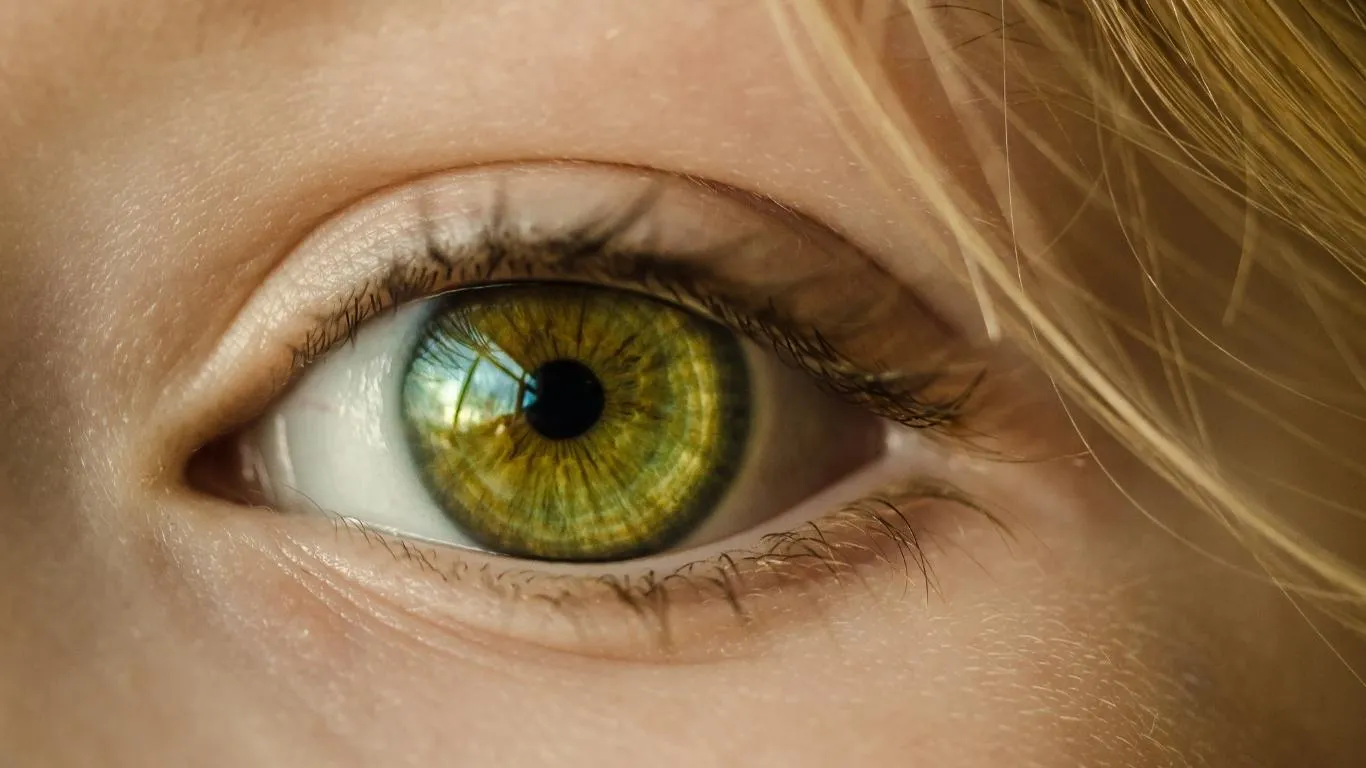
Here’s the tricky part. Floaters don’t exactly vanish—they often sink out of your visual field as the brain learns to ignore them. It’s called neuroadaptation. Over time, your brain filters out the distraction, like how we get used to background noise.
But when light hits your eye at just the right (or wrong) angle—such as when you enter a bright or dim room quickly—they become front and center again. That’s what makes them feel “new” even though they’ve been there all along.
Floaters & Mood: Yes, It’s a Thing
On days when I’m already mentally exhausted or anxious, those pesky floaters feel more aggressive. It’s not just perception—it’s cortisol messing with the sensitivity of your visual system. There’s actually a direct link between cortisol levels and floater severity.
What Helps When They Keep Getting Worse?
If your floaters keep showing up louder and longer every time you enter a room, you’ve got options:
- Consistent lighting: Avoid abrupt shifts in brightness. Use dimmers or layered lighting.
- Blue-light filters: These ease transitions if you’re coming from screen-heavy environments.
- Eye relaxation exercises: Practices like palming or the 20-20-20 rule help reduce contrast shock.
Some people swear by eye exercises. I wasn’t a believer—until I tried this set of routines. They don’t erase floaters, but they definitely made my transitions into new environments smoother.
When to Ask a Doctor: It’s Not Being Paranoid
You don’t need to panic over every floater—trust me, I did that early on and became hyper-focused on my vision. But if you’re experiencing:
- Floaters that pulse with your heartbeat
- Spots that appear only in one eye
- Floaters combined with headache or nausea
Then yes, it’s smart to schedule a check-up. These signs can be early warnings of retinal detachment or inflammation. Especially if your floaters seem to get worse each time you switch rooms or lighting environments. It’s worth ruling out something more serious.
If you haven’t already, check out this detailed guide on floater causes to understand what might be going on under the surface.
Smart Lifestyle Changes That Actually Help
Over the past year, I’ve built a few small habits into my daily routine that have seriously helped:
- Room entry pause: I now step into new rooms slower. Even 2 seconds makes a difference.
- Omega-3 boost: Fatty fish, chia seeds, and the occasional supplement keep my vitreous healthier.
- Cutting harsh lights: I’ve swapped ceiling LEDs for floor lamps with warmer tones.
If you’re serious about reducing how disruptive floaters can be in your day, this resource on diet changes for floaters is absolutely worth a read.
How to Track Floaters—Without Obsessing Over Them
One trick I use is keeping a note on my phone. Every time my floaters flare up after entering a new room, I jot down:
- Lighting level before and after
- Time of day
- My stress or fatigue level
Patterns emerge fast. I learned that my worst days weren’t just about floaters—they were about how I treated my eyes for hours before that room switch even happened. This quick tracking guide is a game-changer for figuring out what makes your floaters tick.
What Experts Say About Light-Triggered Floaters
Ophthalmologists I’ve spoken with agree: floaters linked to rapid room entry are a visual sensitivity issue more than a medical emergency. Unless they’re worsening or paired with other symptoms, floaters in these moments are usually harmless.
Still, eye health isn’t something to neglect. Our visual system changes over time—and floaters are often the first whisper that something might be changing. For the full lowdown on what floaters really are and when to pay attention, read this foundational piece: What Are Eye Floaters? Causes, Symptoms & Treatments.

Camellia Wulansari is a dedicated Medical Assistant at a local clinic and a passionate health writer at Healthusias.com. With years of hands-on experience in patient care and a deep interest in preventive medicine, she bridges the gap between clinical knowledge and accessible health information. Camellia specializes in writing about digestive health, chronic conditions like GERD and hypertension, respiratory issues, and autoimmune diseases, aiming to empower readers with practical, easy-to-understand insights. When she’s not assisting patients or writing, you’ll find her enjoying quiet mornings with coffee and a medical journal in hand—or jamming to her favorite metal band, Lamb of God.