Why Floaters Triggered By Visual Overstimulation Can Get Worse
It started subtly for me—just a few odd specks dancing across my vision after a long day in front of the computer. I figured it was just eye strain or maybe dust. But over time, these tiny drifting shapes became more noticeable, especially after binge-watching a new series or spending hours designing under harsh lighting. That’s when I realized: these weren’t just random annoyances. They were eye floaters, and in my case, likely triggered by visual overstimulation.
What Are Eye Floaters, Really?
Eye floaters are those weird squiggles or transparent threads that drift through your line of sight. Most of the time, they’re harmless—a natural byproduct of the jelly-like vitreous humor in our eyes breaking down as we age. But here’s the twist: floaters aren’t always just age-related. For people who spend long hours under bright lights, use screens excessively, or frequently transition between light and dark environments, floaters can actually become more pronounced or even triggered entirely.
Floaters triggered by visual overstimulation aren’t discussed as much as they should be, even though more of us are living screen-heavy lives that demand constant focus and artificial light exposure. Personally, I noticed mine became worse after working late hours under LED lights or when scrolling my phone in bed. These triggers aren’t imaginary—they’re real and surprisingly common.
Why Visual Overstimulation Might Be Fueling Your Floaters
Constant Screen Time Changes Eye Behavior
Spending long hours staring at screens can cause your blink rate to drop drastically—sometimes to just a third of its natural rate. That reduced blinking dries out the eyes and leads to fatigue in your ciliary muscles. Over time, this pressure imbalance within your eyes can exacerbate or even trigger floaters after using phone in dark. I used to think my habit of nighttime browsing was harmless, but I began noticing floaters appearing more frequently after these sessions.
Bright or Harsh Light Exposure
Fluorescent lighting, LEDs, sunlight glare on screens—these all bombard your retina. That overstimulation doesn’t just tire your vision; it affects the vitreous fluid inside your eye. It’s not uncommon to experience more floaters after intense visual events like light shows, flash photography, or even just long hours under blue light. There’s a reason many of us feel worse during high-luminosity tasks: our eyes are screaming for relief.
Rapid Transitions in Lighting Conditions
Another big trigger? Moving quickly from a bright environment to a dark one or vice versa. This overstimulates the photoreceptors in your retina and makes existing floaters pop into visibility. If you’ve ever noticed more floaters after stepping into a dim room following bright sunlight, you’re not alone. Check out this related read on floaters when switching light conditions for more insight.
When Visual Tasks Push the Limits
Hyper-Focus and Deep Concentration
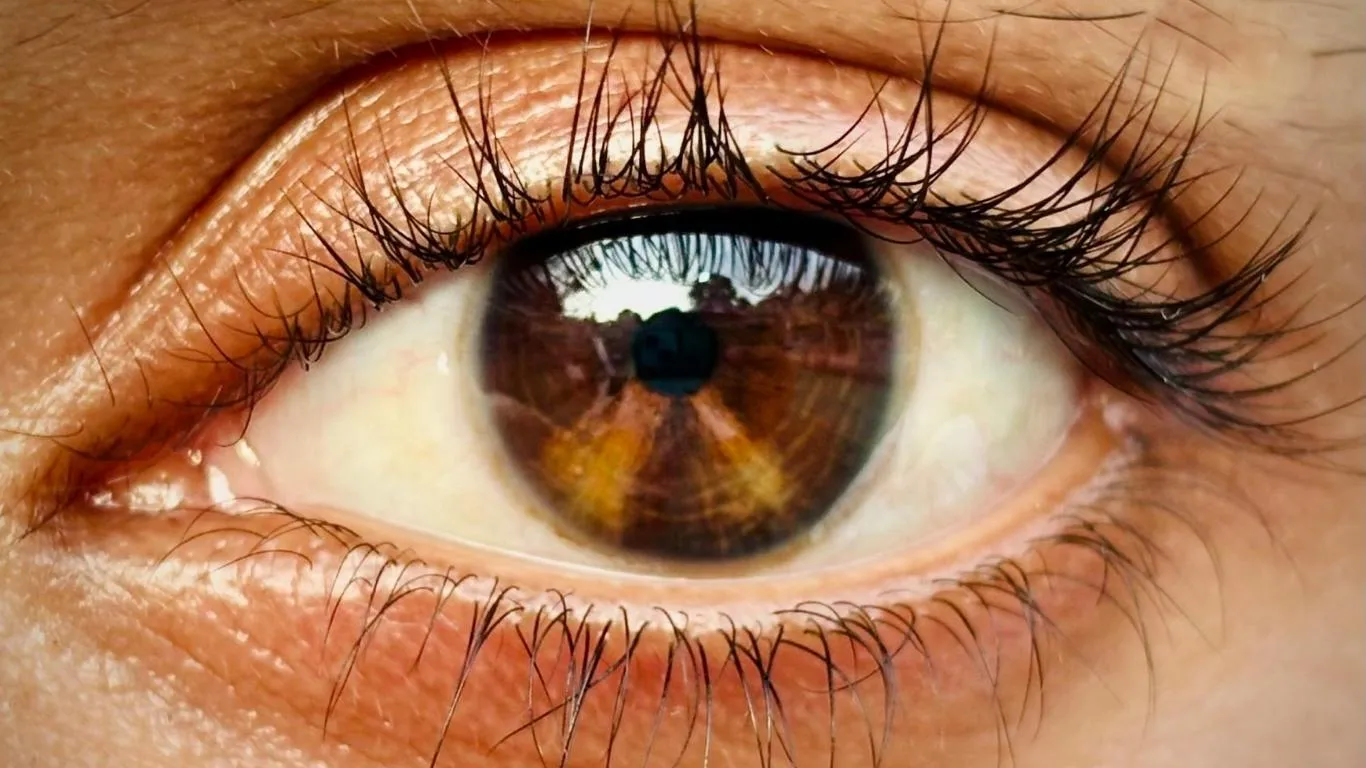
I design graphics and animations, which means long periods of extreme focus. These tasks not only strain your eyes but also lead to micro-movements that shift the vitreous gel inside the eye. The stress adds up. I’ve had floaters spike during late-night projects, especially after hours of squinting into detailed layouts. If you’ve ever experienced floaters after extreme focus or concentration, you’re definitely not imagining it.
Multitasking with Screens: A Hidden Risk
Most of us hop between devices: phone, laptop, tablet, maybe a second monitor. This constant adjustment in brightness, resolution, and focal distance wreaks havoc on your ocular muscles. Some days I’d jump from a bright laptop screen to a dimly lit phone—within minutes, the floaters would start flickering into view. And they weren’t subtle.
How To Recognize These Floaters From Others
Floaters caused by visual overstimulation often show up:
- More noticeably against white backgrounds or bright screens
- After long screen use or heavy focus tasks
- When transitioning from dark to bright lighting environments
- During periods of visual fatigue or eye dryness
Unlike age-related floaters that appear randomly, these floaters have predictable patterns. I could almost set a timer to when they’d show up—after 3 hours on a project or after switching from night mode back to a bright app interface. For a deeper understanding, the article on why floaters are more noticeable against white backgrounds provides excellent context.
What You Can Do (From Someone Who’s Tried Almost Everything)

Simple Habits That Actually Help
Here’s what’s helped me manage floaters triggered by overstimulation:
- Follow the 20-20-20 rule: Every 20 minutes, look at something 20 feet away for 20 seconds.
- Use ambient lighting: Avoid harsh contrasts between your screen and surroundings.
- Screen filters or blue light glasses: They genuinely made a difference in my evening floaters.
- Limit scrolling in the dark: The worst floaters I ever saw came after an hour of phone use in pitch black.
It’s worth exploring natural techniques to reduce floaters as well, although nothing beats preventative habits. There are no miracle cures, but consistent eye care routines help minimize the frequency and intensity of visually-triggered floaters.
Also, if you’re still trying to figure out whether your floaters are something to worry about, the comprehensive guide on how to recognize floaters offers professional-level insight without the medical jargon. It helped me stop second-guessing my symptoms.
For a broader understanding of floaters in general, check out this well-structured overview on eye floaters: causes, symptoms, and treatment. It’s a great place to start if you’re new to this and want to go deeper than just symptom chasing.
When Floaters From Overstimulation Might Be a Red Flag
For the most part, floaters caused by visual overstimulation are annoying but harmless. But there are situations where they can signal something deeper. I learned this the hard way when I ignored a sudden burst of floaters after a long weekend of editing videos with barely any sleep. The visual clutter became so intense, I actually started to panic. Turns out, what I thought was just fatigue was something more. A quick visit to the optometrist confirmed it was time for an eye health check.
So, when should you be concerned? If floaters are suddenly accompanied by flashes of light, blurred peripheral vision, or dark curtains sweeping across your view, those could be signs of serious issues like retinal detachment. I highly recommend reading about floaters that come with curtain vision to understand what to watch out for.
When They Show Up With Physical Symptoms
Another time I knew something was off was when floaters started appearing alongside tension headaches and a weird dizzy spell after a long video conference. If that sounds familiar, explore why dizziness and floaters combined shouldn’t be brushed off. Sometimes your eyes are trying to flag deeper neurological or circulatory issues, especially when paired with stress or fatigue.
Science Behind the Overstimulated Eye
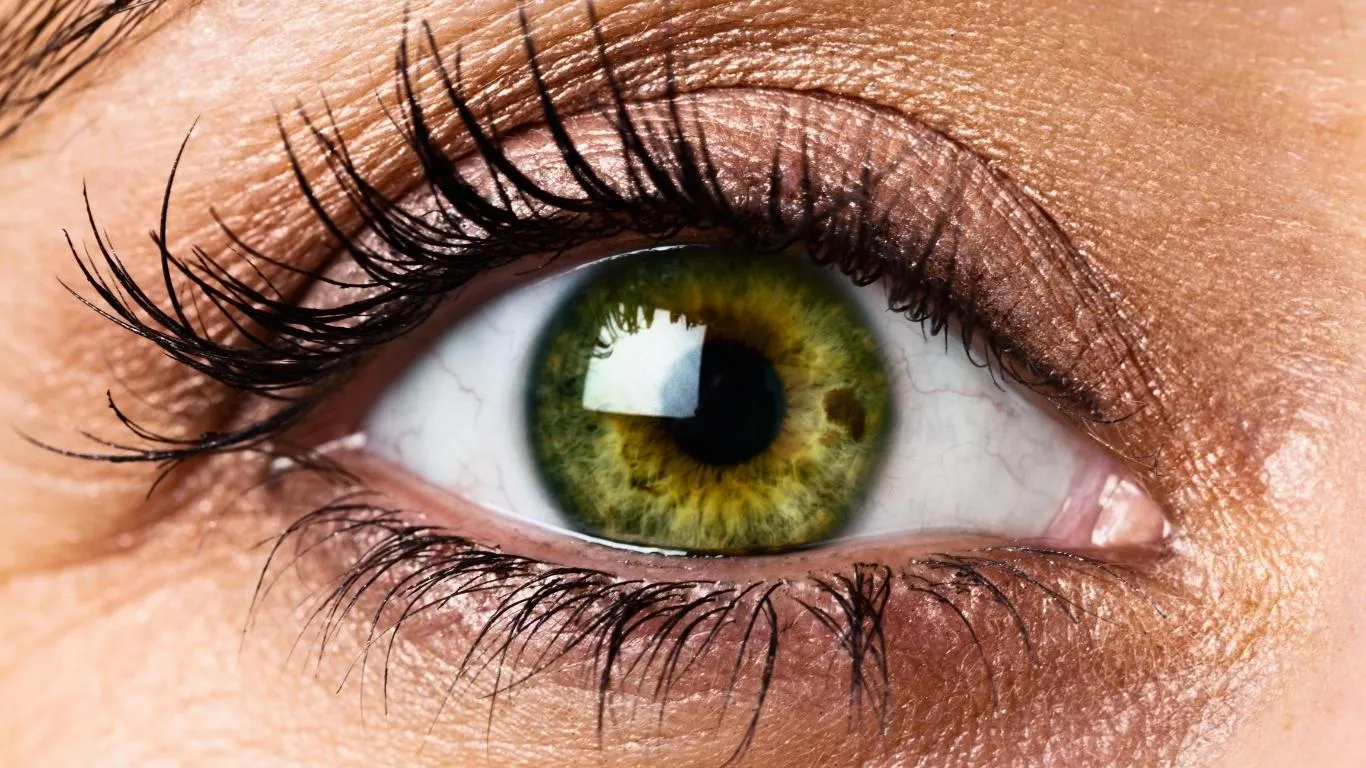
Let’s geek out for a second. Your eye’s vitreous body is like a clear jelly, and when it begins to shrink or change in consistency, you get floaters. Bright lights and prolonged visual focus contribute to subtle shifts in intraocular pressure and temperature. Over time, especially in environments where your eyes don’t get enough “downtime,” those shifts wear on the vitreous. The overstimulation acts like a low-grade stressor that breaks up collagen fibers in the eye, making those floaters even more obvious.
Also, the retina itself can become more sensitive to these floaters under certain conditions. That’s why they seem more visible when you’re tired, stressed, or overstimulated. There’s more info in the article on why floaters seem worse when you’re tired, and it’s honestly pretty validating if you’ve felt like you were just “imagining things.”
Tools, Treatments, and Tips That Actually Work
Digital Adjustments That Made a Difference
I’ve tested so many things over the years—from software tweaks to physical setups. Here’s what helped me manage visually-triggered floaters better:
- Dark mode on everything: My screens are all set to reduce brightness, and it’s been a game changer, especially for late nights.
- F.lux or Night Shift: These apps reduce blue light and help your eyes stay relaxed after sunset.
- Matte screen protectors: Reduces glare, helps your eyes adjust more naturally.
Supplements & Natural Support
I’m not a huge supplement junkie, but after some research and trying out a few, I settled on a lutein + zeaxanthin combo that didn’t give me side effects. There’s an interesting breakdown in this article on supplements for floaters. Just be cautious—always talk to your eye doctor before diving into any regimen.
Hydration also matters. I started drinking more water, especially on workdays, and noticed fewer floaters by the evening. Dehydration was a sneaky trigger I hadn’t even considered until I read how dehydration can worsen floaters.
Exercises That Don’t Feel Like a Gimmick
I was super skeptical of eye exercises at first. But I gave them a shot—basic stuff like focusing near and far alternately, slow blinking, and circular eye movements. Over time, I felt less strain and fewer “flare-ups.” If you’re curious, the post on eye exercises for floaters is a great place to start, especially if you want a no-nonsense guide.
Everyday Triggers You Probably Overlook
Some triggers took me by surprise. For example, I never connected my floaters to lack of sleep until I started tracking them. Days with 5 hours or less always led to more visual clutter. That connection became crystal clear after reading this article about floaters and poor sleep.
Also, rubbing your eyes when they’re tired? Big mistake. It might feel good temporarily, but it’s a sure way to stir up the vitreous and send floaters flying. Learn more from this in-depth article on why eye rubbing makes floaters worse.
Don’t overlook lighting setups either. I installed warmer lighting and changed my workspace angles, and honestly, the difference was night and day. Harsh overhead lighting was triggering visual chaos, and I didn’t realize it until I toned it down.
Floaters, Overstimulation & High-Risk Lifestyles
If you’re in a job that demands high visual attention—design, coding, editing, data analysis—you’re likely in the risk zone. Same goes for gamers, pilots, surgeons, or athletes training under bright lights. It’s not a coincidence that floaters crop up more often in these professions. There’s even research hinting at an uptick in cases among esports players and graphic designers (check Mayo Clinic and nih.gov for related data).
For a broader medical context, this piece on how floaters differ from other eye issues is incredibly helpful. It helped me stop guessing and start understanding what was really happening inside my eye.
Want to dive deeper into treatment options, including surgical ones and natural remedies? Don’t miss the detailed article on treatments for eye floaters. It helped me plan my next steps when things got overwhelming.
And if you haven’t yet explored the primary resource that covers all things floaters—from root causes to symptoms and beyond—I’d recommend starting with the foundational guide on what eye floaters are and how to deal with them. It pulls everything together in one solid read.

Camellia Wulansari is a dedicated Medical Assistant at a local clinic and a passionate health writer at Healthusias.com. With years of hands-on experience in patient care and a deep interest in preventive medicine, she bridges the gap between clinical knowledge and accessible health information. Camellia specializes in writing about digestive health, chronic conditions like GERD and hypertension, respiratory issues, and autoimmune diseases, aiming to empower readers with practical, easy-to-understand insights. When she’s not assisting patients or writing, you’ll find her enjoying quiet mornings with coffee and a medical journal in hand—or jamming to her favorite metal band, Lamb of God.