Why Floaters Are More Visible in Candle-Lit Yoga Studios
Ever noticed those tiny squiggly lines drifting across your vision while you’re flowing through a serene, candle-lit yoga session? Yep, those little floaters that seem to follow you everywhere, especially when you’re trying to focus on mindfulness. I used to think it was just my imagination until I started seeing them more often during my evening yoga routines. Turns out, it’s a thing—and it’s more common than you’d expect.
Why Are Floaters More Noticeable in Candle-Lit Yoga Studios?
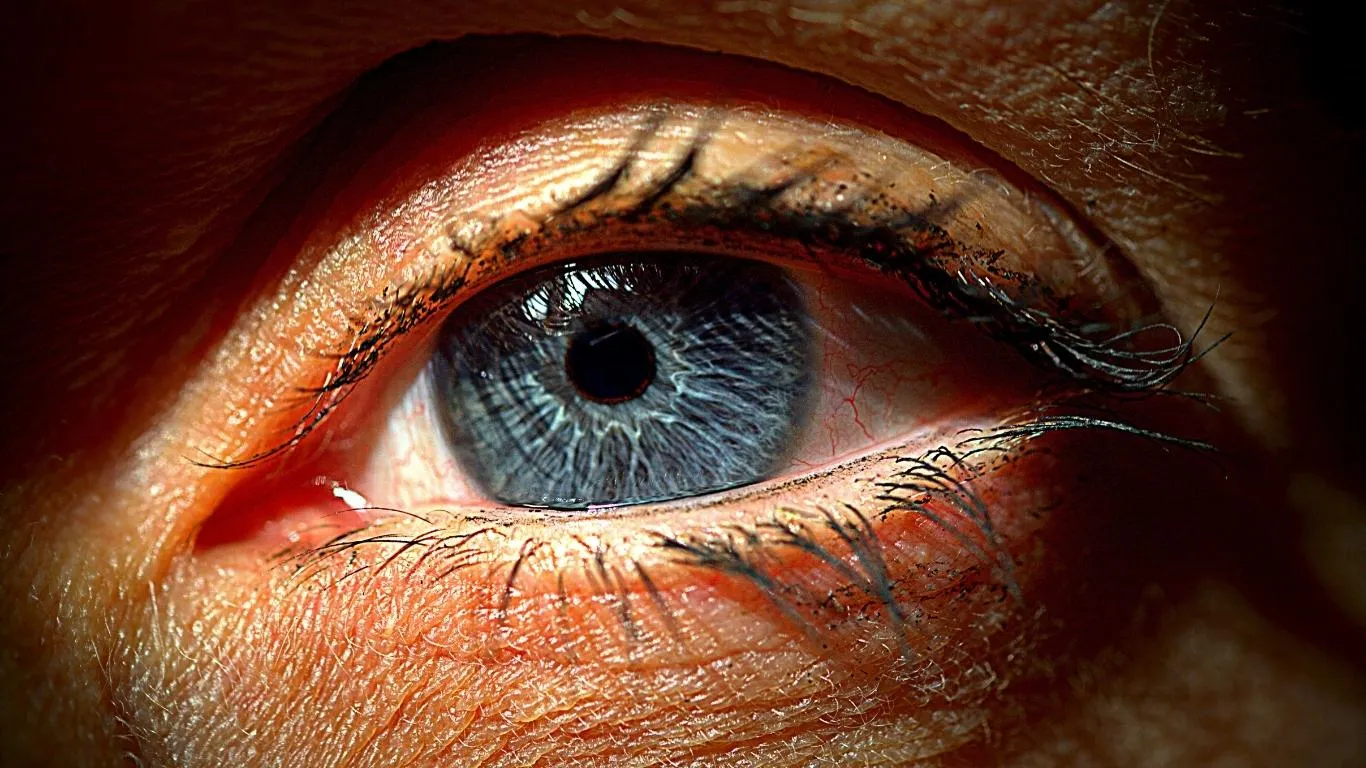
Floaters are small clusters of cells or protein that float around in the vitreous—the gel-like substance in your eyes. Under bright daylight, you might not notice them. But in dim, ambient environments like a candle-lit yoga studio, they become the uninvited guests in your visual field. The contrast between the soft lighting and dark surroundings makes these floaters pop out, almost like they’re dancing to the rhythm of your breath.
When you’re focusing on slow, meditative poses, your gaze often lingers in one spot. This stillness gives your eyes less visual ‘noise’ to filter out the floaters. Add in the warm flicker of candlelight, and suddenly, those harmless floaters become annoyingly obvious.
Are Floaters in Yoga Studios a Sign of Something Serious?
Most of the time, floaters are a benign byproduct of the natural aging process. As we get older, the vitreous slowly shrinks and becomes stringy, casting tiny shadows on the retina. However, there are instances when floaters signal underlying issues.
- If you suddenly experience a burst of new floaters
- Notice flashes of light accompanying the floaters
- Or feel like a curtain is draping over part of your vision
In these cases, it could be a warning sign of retinal tears or detachment. You can dive deeper into the connection between floaters and retinal tears here.
But if they’ve been slowly creeping into your yoga practice without other symptoms, it’s probably nothing serious—just a visual quirk that candle-lit studios love to amplify.
Can Yoga Itself Influence Eye Floaters?
This might surprise you: some yoga poses might temporarily shift the position of floaters. Inverted poses like downward dog or shoulder stands can make floaters swirl around more aggressively. Why? Because these postures change the orientation of the vitreous humor slightly, causing floaters to drift into new areas of your visual field.
Though it feels unsettling, it’s usually harmless. In fact, some people report that gentle eye movements during yoga can help “push” floaters out of their central vision, even if only temporarily.
Is There a Link Between Relaxation and Floater Visibility?
When you’re stressed or hyper-focused on external stimuli, your brain tends to filter out floaters. However, during meditation or breath-focused yoga sessions, your mind enters a relaxed state, heightening awareness of subtle visual phenomena—including floaters. It’s not that yoga creates floaters, but it certainly makes you more attuned to them.
Interestingly, stress-related floaters are a topic of ongoing discussion among eye health experts. Some theories suggest that prolonged stress can exacerbate vitreous degeneration, but the evidence remains inconclusive.
Managing Floaters During Yoga: Practical Tips
While there’s no magic trick to permanently erase floaters (short of surgical options), there are ways to minimize their intrusion during your zen time:
- Positioning Matters: Opt for a spot in the studio where lighting is diffused. Direct candlelight aimed at your gaze can intensify floater visibility.
- Eye Movement Techniques: Occasionally shift your gaze gently side-to-side. This helps floaters drift out of your direct line of sight.
- Stay Hydrated: Though it’s a debated topic, some believe dehydration can worsen floaters by affecting eye fluid balance.
I’ve personally found that slightly narrowing my eyes or using a soft gaze rather than a sharp focus helps diminish the distractions of floaters. It’s a simple shift but surprisingly effective when you’re in the middle of a pose that requires intense concentration.
When Should You See an Eye Specialist?
If floaters are part of your daily yoga narrative but not causing functional vision problems, there’s typically no need for alarm. However, certain situations demand immediate attention:
- A sudden flood of new floaters
- Flashes of light in your peripheral vision
- Vision that feels like a shadow or curtain is moving over it
In these cases, it’s crucial to consult an ophthalmologist promptly. Floaters can sometimes be an early indicator of more serious retinal conditions. To learn more about when floaters are dangerous, you can explore this comprehensive guide.
Related Reading You Shouldn’t Miss
Are Certain Yoga Poses More Likely to Trigger Floaters?
Let’s be real—some yoga poses seem like an open invitation for floaters to make a dramatic entrance. Inversions like downward dog, plow pose, or even a simple forward fold can shift how floaters drift across your field of vision. When you tip your head below heart level, the orientation of the vitreous humor slightly adjusts, causing those pesky floaters to float right into your central sightline.
It’s not harmful, but if you’ve ever tried holding a headstand while floaters swirl around like an annoying visual snow globe, you’ll know it’s very distracting. Some yoga practitioners even report noticing floaters more prominently during savasana, when lying still with eyes gently closed or half-open under soft lighting. The stillness and lack of visual input make even the faintest floaters impossible to ignore.
Can Candle-Light Amplify Floater Visibility Over Time?
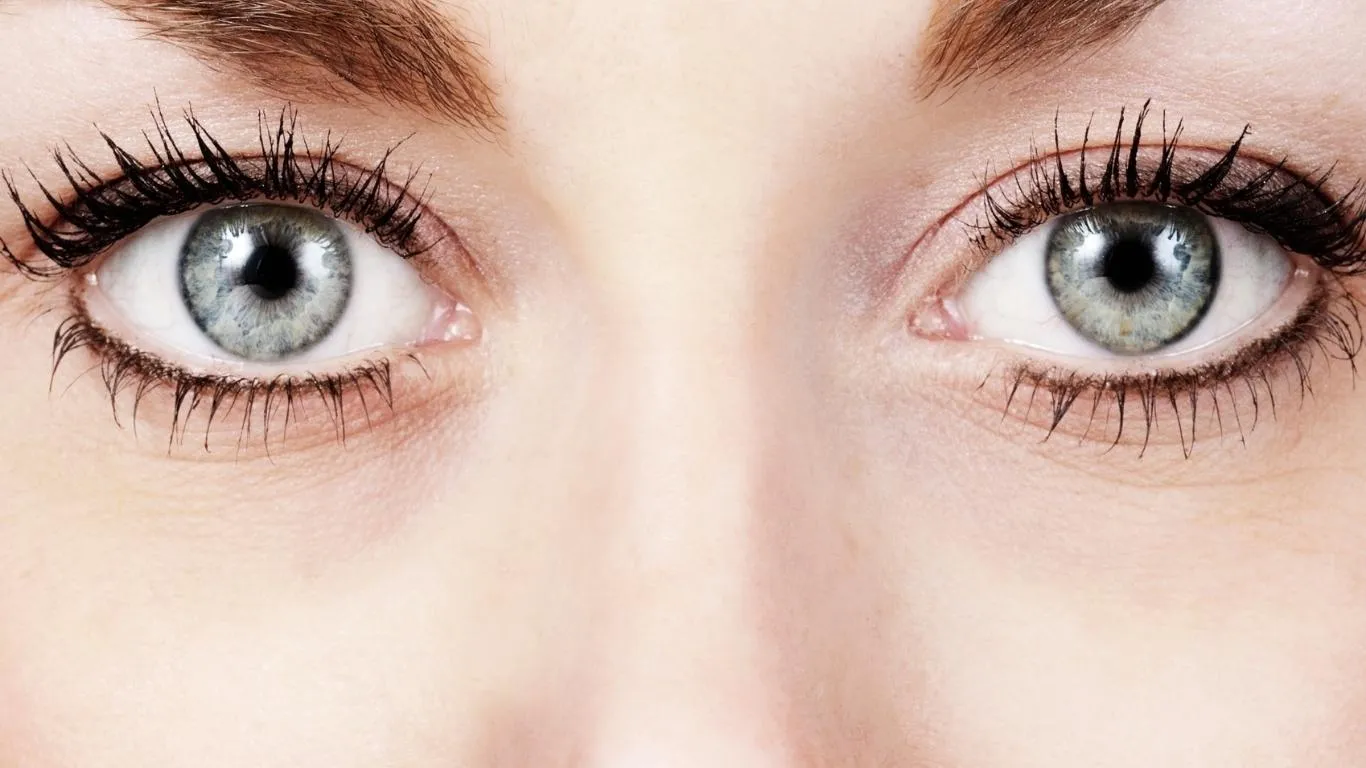
I used to think it was just me, but after speaking with a few yoga friends, it turns out that prolonged sessions in low-lit environments really do seem to amplify floater awareness. Candle-lit studios create stark contrasts between light sources and shadows, which in turn makes floaters more prominent. It’s not that the floaters are increasing in number, but the environmental lighting plays a trick on how your eyes perceive them.
If you’re the type who prefers a dimly lit practice, this can be frustrating. But it’s important to understand that it’s a visibility issue, not a progression of an eye condition. As we age, floaters may naturally increase, but the rate at which we notice them is often linked to our visual environment. There’s an excellent resource discussing how floaters evolve with age.
Natural Methods to Manage Floaters During Yoga
While medical treatments like vitrectomy or laser therapy exist, many floaters don’t warrant such invasive approaches. So what can you do, right there on your yoga mat, to make them less bothersome?
- Soft Focus Gaze: Instead of fixating on a single candle flame, allow your gaze to soften and blur slightly. This diffused vision helps minimize floater visibility.
- Mindful Eye Movements: Between poses, gently roll your eyes in circular motions. This can redistribute floaters to less intrusive spots.
- Breath Awareness: During pranayama, synchronize slow eye shifts with your breath. It’s not scientifically proven to move floaters, but focusing on the breath distracts you from their presence.
For those seeking alternative approaches, you might be intrigued by the debate around natural remedies for floaters. Though not all methods have clinical backing, many practitioners swear by them for improving visual comfort.
When Floaters Shouldn’t Be Ignored in Your Yoga Practice

While floaters are usually just a harmless part of aging, certain red flags should prompt immediate attention:
- Sudden appearance of dozens of new floaters in one eye
- Bright, flashing lights especially in darkened rooms
- Loss of peripheral vision or shadow-like obstructions
These could indicate serious conditions like retinal detachment, which demands urgent care. Practicing yoga with undiagnosed retinal issues can exacerbate problems. Be proactive—schedule regular eye check-ups if you’re noticing these visual anomalies more often.
Another lesser-known cause that’s often overlooked is how systemic inflammation might amplify floater symptoms. For those with autoimmune conditions, there’s a growing body of knowledge on autoimmune-related floaters that’s worth exploring.
Eye Floaters & Mindfulness: Turning a Distraction into a Focus Point
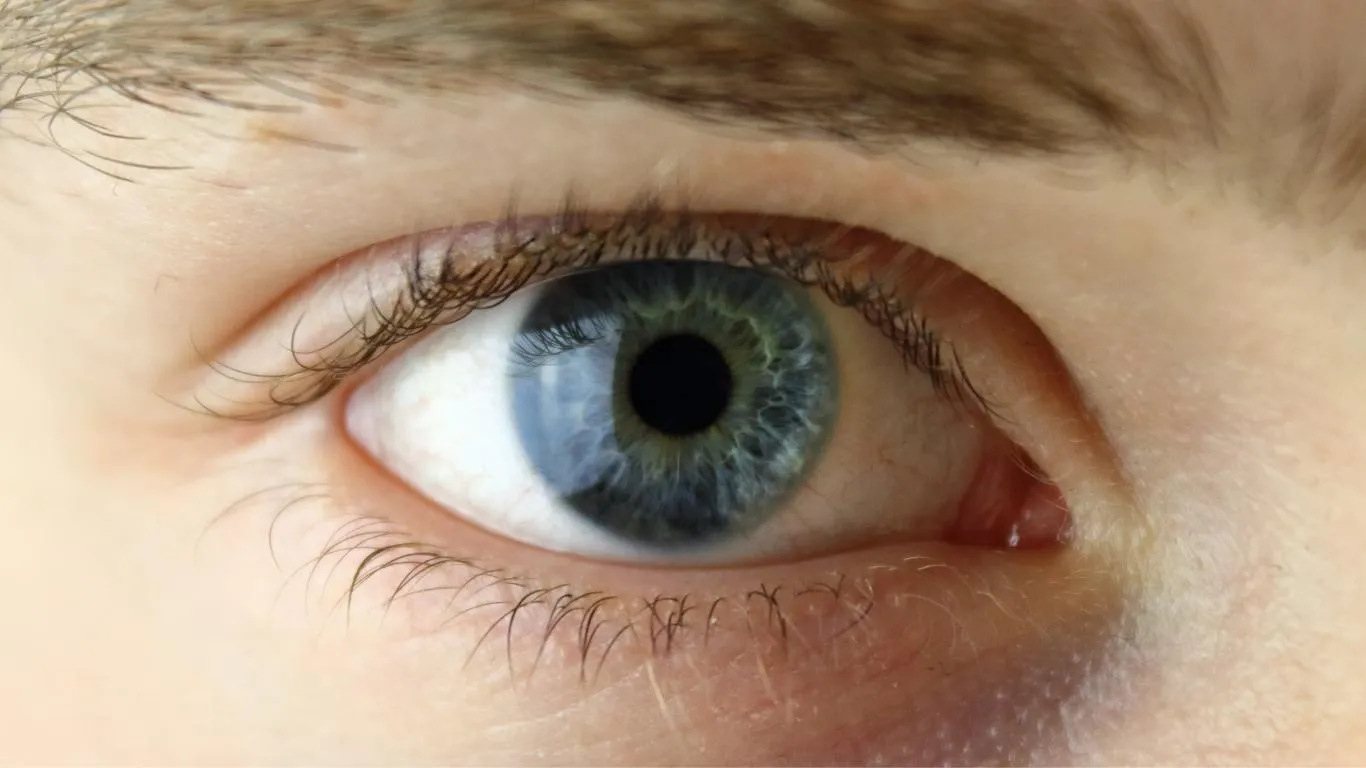
Here’s an interesting shift in perspective: instead of battling floaters during yoga, you could use them as a mindfulness anchor. Yes, seriously. In mindfulness practices, anything that captures your attention can become an object of focus. Instead of resisting the visual noise, acknowledge it, breathe through it, and allow it to pass like any transient thought.
I started doing this unconsciously during long-held restorative poses, and over time, it lessened the mental irritation they caused. It’s a practice in acceptance and impermanence—two pillars of yoga philosophy.
Proactive Eye Care Beyond the Yoga Studio
- Regular eye hydration: blink intentionally during sessions, especially in dry indoor studios
- Nutrition: ensure a diet rich in antioxidants and eye-friendly nutrients like lutein and zeaxanthin
- Lighting choices: softer, indirect lighting setups can minimize harsh contrast that highlights floaters
For a deeper understanding of effective treatment pathways beyond lifestyle changes, you can explore available floater treatments here. Staying informed ensures you’re balancing both mindful practice and proactive health care.
Explore More In-Depth Guides

Camellia Wulansari is a dedicated Medical Assistant at a local clinic and a passionate health writer at Healthusias.com. With years of hands-on experience in patient care and a deep interest in preventive medicine, she bridges the gap between clinical knowledge and accessible health information. Camellia specializes in writing about digestive health, chronic conditions like GERD and hypertension, respiratory issues, and autoimmune diseases, aiming to empower readers with practical, easy-to-understand insights. When she’s not assisting patients or writing, you’ll find her enjoying quiet mornings with coffee and a medical journal in hand—or jamming to her favorite metal band, Lamb of God.