Why You See Floaters Only When Talking Outdoors In Bright Light
Ever been mid-conversation outdoors, maybe talking with a friend on a sunny day, and suddenly these weird little specks or squiggly lines start drifting through your vision? You blink, you squint, maybe even try to wipe your eye, but they’re still there. You step into the shade—poof, gone. Back in the sunlight, there they are again. Yep, I’ve been there. At first, I thought it was just eye fatigue or something in the air. But after a few weeks of noticing these “floaters visible only when talking outdoors,” I realized it wasn’t just in my head. Turns out, a lot of people experience this—especially when there’s a bright sky or direct light behind whoever they’re talking to. Let’s dive into why this happens, what it could mean, and when (or if) you need to worry.
Why Do Floaters Show Up Outdoors?
Let’s get one thing straight—floaters are normal. Annoying? For sure. But for most people, they’re harmless. These floaters are little clumps of collagen inside your eye’s vitreous humor, and they drift around casting shadows on your retina. You don’t usually see them indoors because the lighting isn’t strong enough. But when you’re outside, especially on bright, cloudless days, the high contrast makes them pop out like unwanted guests at a party.
Why only when you’re talking to someone?
It’s not that the act of talking triggers floaters (thankfully), but rather where you’re looking when you’re mid-chat. Conversations outdoors tend to involve looking straight ahead—often toward a well-lit background like the sky or light-reflecting surfaces. That’s the perfect setup for floaters to become visible. Indoors, your environment is usually darker or more shaded, so they’re there—but invisible.
Eye positioning and awareness
Another weird trick floaters like to play is becoming more obvious when your eyes are relatively still. And what do we often do when we talk to people? We make eye contact or fixate on their face. That steady gaze makes those floaters swirl slowly into your line of vision. Move your eyes quickly? They shift. Stay still? Boom—front and center.
Can These Outdoor-Only Floaters Be a Warning Sign?
When I first Googled “floaters visible only when talking outdoors,” I landed in a rabbit hole of medical jargon and worst-case scenarios. Truth is, occasional floaters in bright conditions are usually nothing to lose sleep over. But there are a few red flags you should be aware of.
- Sudden shower of floaters
- Floaters accompanied by flashes of light
- Blurred vision or dark spots in peripheral vision
- Floaters that change drastically in size or shape
These could signal something more serious like posterior vitreous detachment (PVD) or even a retinal tear. If you’re noticing any of those along with your outdoor floaters, it’s smart to get checked for possible retinal issues.
Could it be an early sign of vitreous syneresis?
Floaters are often linked to a condition called vitreous syneresis—a natural part of aging where the gel-like vitreous starts to liquefy. When this happens, small fibers clump together, forming those little floaters. Seeing them mostly outside doesn’t mean it’s early or late-stage, it just means the lighting makes them more noticeable.
How Outdoor Lighting Plays a Role
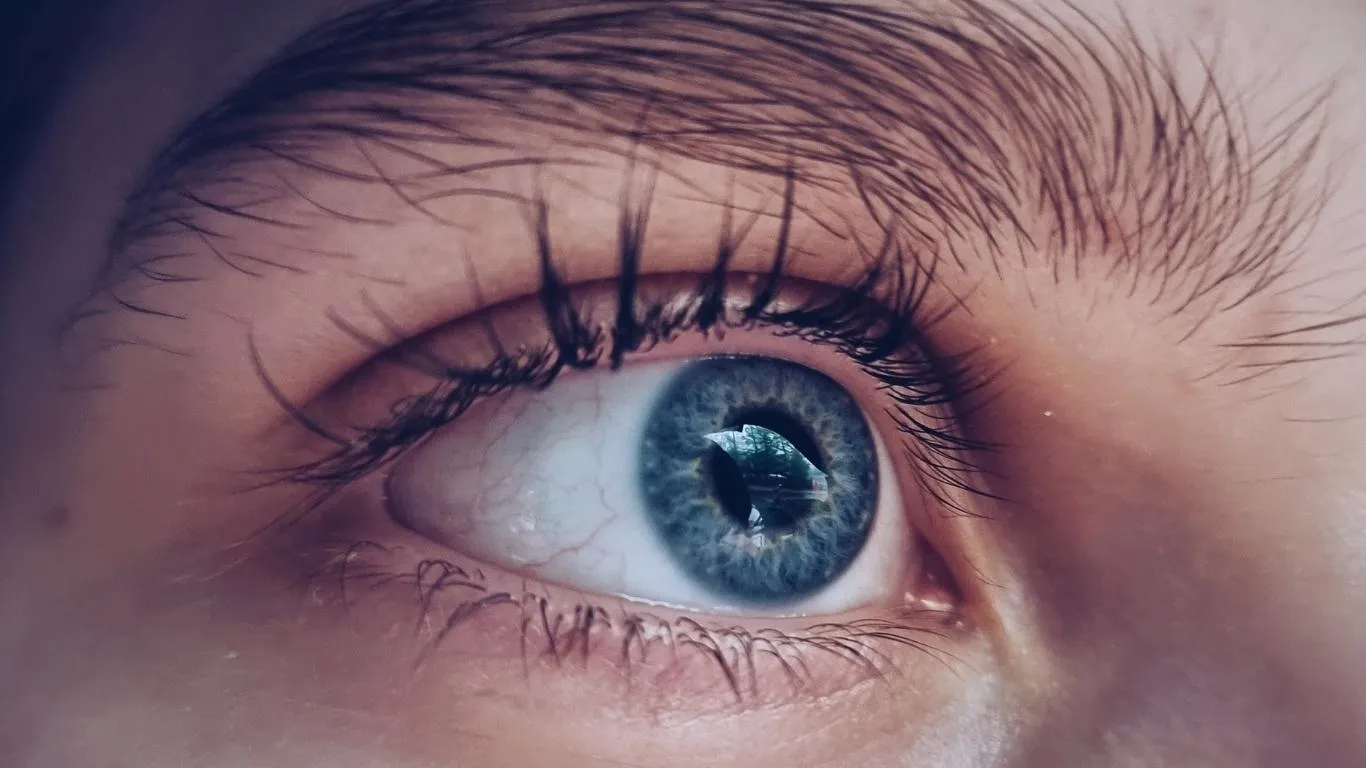
The contrast is everything here. Floaters don’t emit light—they block it. When you’re outside and the background is a bright blue sky, those shadows cast by floaters become crystal clear. The more intense the brightness, the more visible they appear. This is why so many people experience floaters only when they’re outside, especially in conversations where they’re staring straight ahead, not moving their eyes much.
Dehydration, Brightness, and Floaters
I didn’t believe this at first, but turns out dehydration can make floaters more noticeable. The less hydrated your eyes and vitreous are, the more prominent those floaters seem to be. Combine that with a high-contrast background and you’ve got the perfect storm. It’s something I noticed after long hikes—I’d see floaters more intensely after sweating in the sun all day. And I’m not alone—many people report the same.
Are There Any Quick Fixes or Preventive Steps?
Let’s be real—there’s no magic fix for floaters. But you can make a few small changes that may help keep them at bay, or at least make them less annoying when you’re outdoors.
- Wear polarized sunglasses: These help reduce glare and brightness, which tones down the contrast that makes floaters pop.
- Stay hydrated: Don’t underestimate what a few extra glasses of water a day can do for your eye health.
- Eye movement: Gently moving your eyes in circles or up/down can help shift floaters out of your direct line of sight.
- Limit caffeine: High doses may exacerbate floaters for some people. Learn more on caffeine’s impact on floaters.
When natural approaches help (and when they don’t)
There’s a lot of chatter about natural remedies for floaters—from herbal supplements to eye exercises. Some people swear by them. I’ve tried a few, and honestly, I noticed a mild difference with diet improvements and hydration. But if your floaters are growing in number or affecting your vision, it’s always better to consult a professional. You can explore more options in the natural remedies guide for floaters.
What If Floaters Are Only in One Eye While Outdoors?
This is where it gets a little trickier. Floaters that are more noticeable in one eye could mean there’s asymmetry in your vitreous condition, or one eye may have had more exposure to damage, such as mild trauma, past surgeries, or even eye strain from digital device overuse. It’s worth getting a routine eye exam just to make sure there’s no underlying issue.
To understand the broader context and how floaters differ from other common visual symptoms, check out this guide: Eye Floaters vs. Other Eye Problems.
For an in-depth breakdown of floaters, including causes, symptoms, and the full range of treatment options, the main floater pillar article is a must-read.
How to Tell If Your Floaters Are Changing
I didn’t pay much attention to my floaters at first, especially since they only popped up outdoors. But then I started to wonder—are they increasing? Are they darker? Bigger? More frequent? It’s subtle, but those questions matter. A shift in your floaters’ behavior might mean something more than just a quirky visual nuisance. You don’t need to obsessively journal each speck, but being aware of any noticeable increase is wise. One way I casually track them is by noticing if I see them in more environments—say, indoors under bright light, or while reading. If they’ve evolved from being outdoor-only, it might be time for a checkup.
Is it normal for floaters to come and go?
Absolutely. Floaters often shift position within your eye and may “settle” depending on how long you’ve been awake or what lighting you’re in. There were weeks when I hardly noticed mine, then days where they were front and center every time I stepped outside. According to this insight on recurring floaters, they can fluctuate with hydration, blood sugar, eye strain, or even lack of sleep. It’s wild how much our daily habits affect them.
Outdoor Conditions That Amplify Floaters
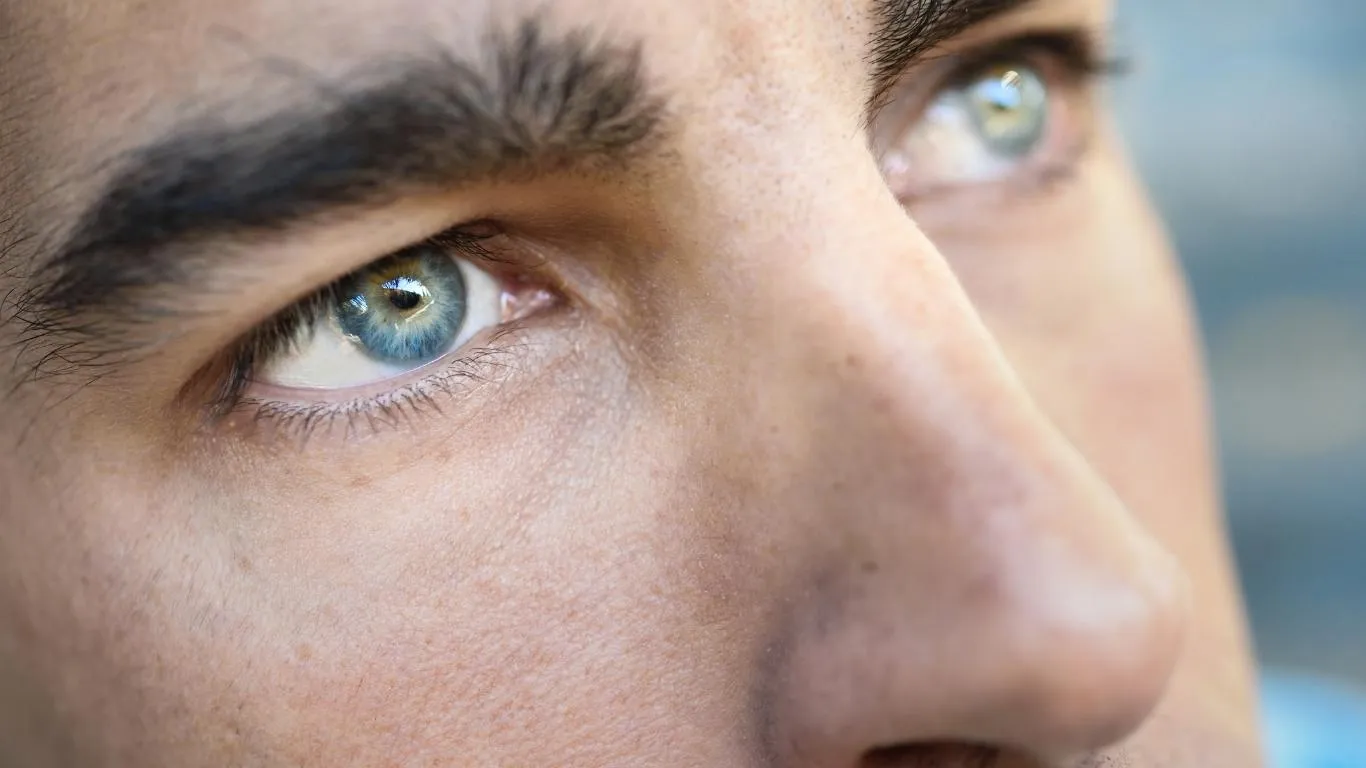
Here’s something I wish I’d known sooner—certain outdoor settings practically guarantee a floater show. Bright, cloudless skies are the obvious one. But I also noticed floaters became super visible while hiking on light-colored trails, being near white walls, or walking in wide open concrete spaces. Why? Because all of those reflect light straight back at your eyes, making shadows from floaters easier to detect.
- White or light-colored backgrounds: Think sidewalks, walls, or sunlit sand.
- Midday sun: The overhead lighting creates sharp contrasts inside your eye.
- High UV days: UV exposure doesn’t cause floaters, but it can intensify glare and visual contrast.
Some folks also find floaters more noticeable after intense outdoor activities. If you’ve ever experienced a sudden spike in floaters post-hike or workout, check out why floaters may appear after physical exertion.
Can weather affect floaters?
You wouldn’t think weather could influence something inside your eye, right? But it does. Dry, windy days often trigger more blinking and eye irritation, which can make floaters more distracting. Personally, I’ve noticed floaters seem sharper on cold, crisp mornings. There’s even some evidence that weather-linked eye pressure changes may affect floater visibility, especially when combined with squinting from bright reflections. More on this in this eye health article.
Do Floaters Worsen With Age?
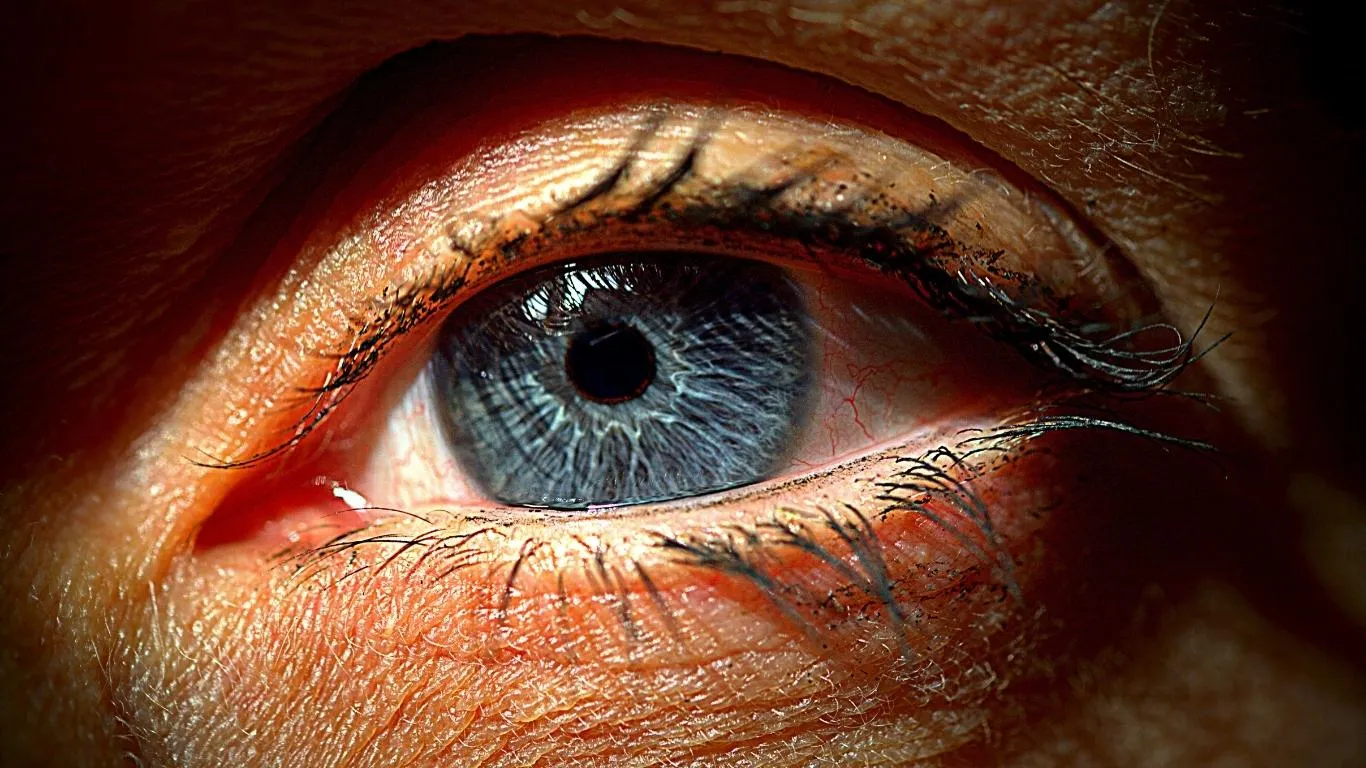
Sadly, yes. Floaters are often tied to the natural breakdown of the eye’s vitreous gel, which becomes more common as we get older. I started noticing mine in my early 30s, and honestly, I was surprised. I always thought they were an “over 60” problem. But according to eye floaters and aging, the degeneration can begin earlier—especially if you’re nearsighted (👋 that’s me), diabetic, or have had any past eye injuries.
Should you be worried about age-linked floaters?
Not necessarily. Most floaters are benign, even if they’re annoying. But if they become overwhelming or seem to suddenly multiply, it’s a good idea to rule out retinal detachment or PVD. A good way to monitor this is by understanding symptoms like flashes of light, or floaters that look like cobwebs covering part of your field of vision. You can learn more about this distinction in this in-depth comparison article.
Floaters or Something Else?
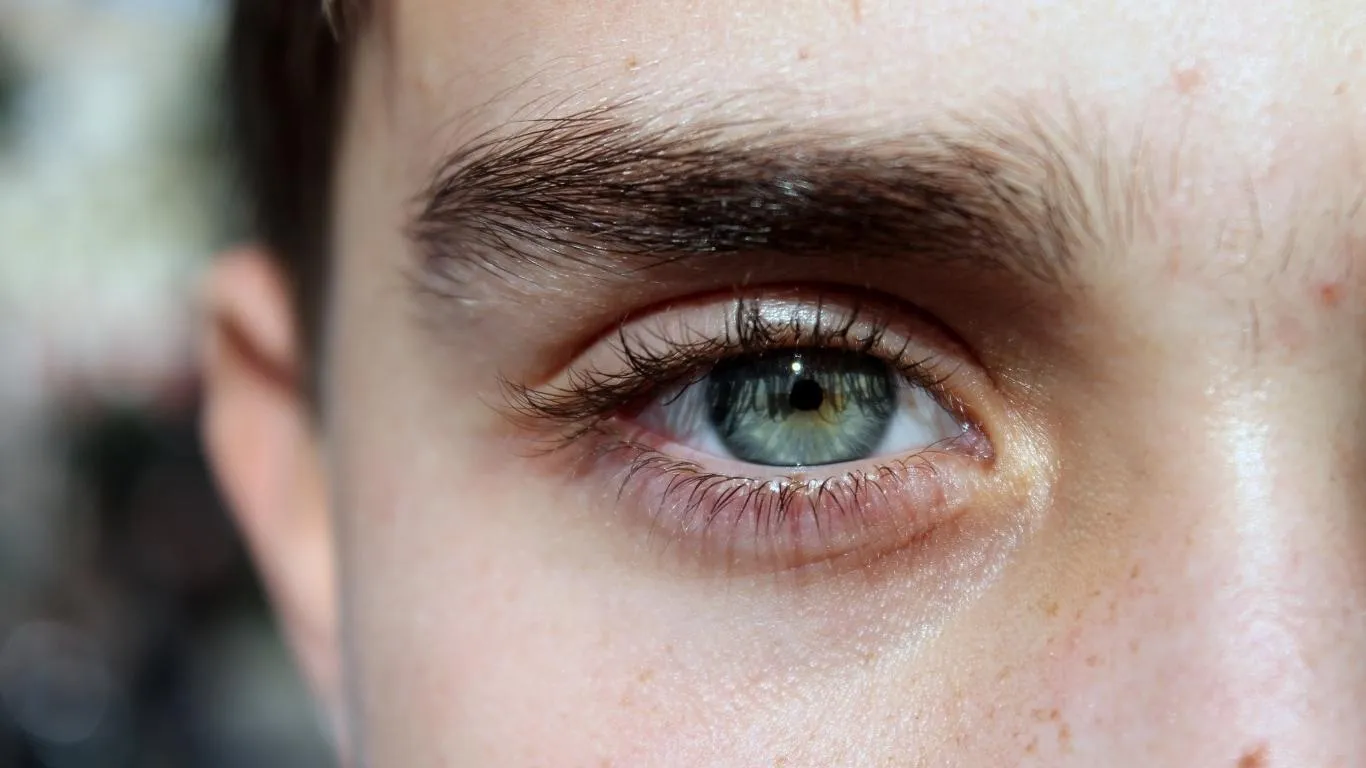
Ever worry you’re confusing floaters with something else? You’re not alone. There are a bunch of visual disturbances that masquerade as floaters. Visual auras from migraines, retinal flashes, or even migraine-related flickers can all look like floaters at a glance. But there are ways to tell the difference:
- Floaters: Drift slowly, move when your eyes move, and tend to stay in a consistent form.
- Flashes: Quick bursts of light, often in the peripheral vision.
- Migraine auras: Zig-zag lines or shimmering patterns, typically lasting 20–30 minutes.
If your “floaters” are flashing, pulsing, or appear only with headaches, it’s worth ruling out flashes vs floaters or even retinal tear symptoms.
Tips That Actually Help (I’ve Tried These!)
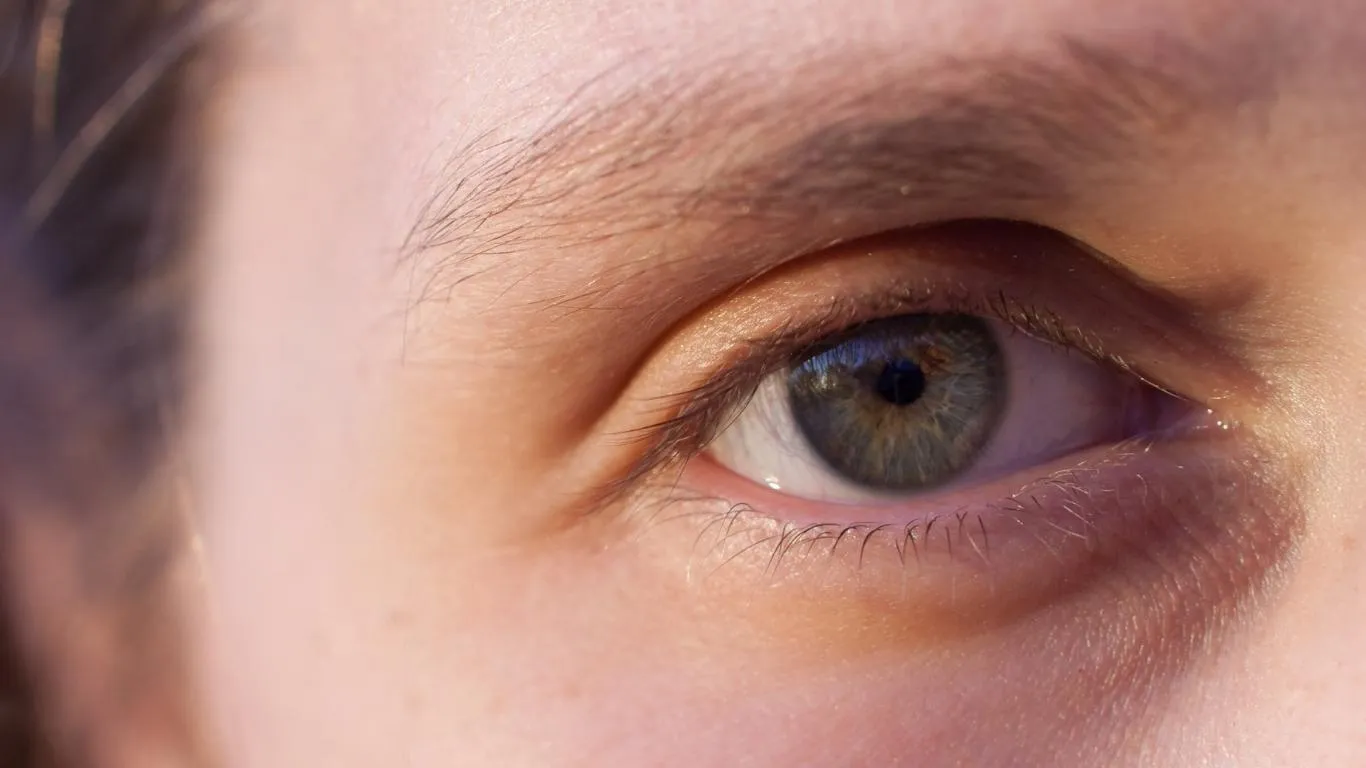
- Get moving—but gently: Eye exercises like slow figure-eights can help move floaters out of direct sight.
- Use contrast wisely: Avoid staring at white or bright surfaces for too long when outdoors.
- Omega-3s: Supplements rich in EPA and DHA seem to help maintain vitreous clarity for some people. I take them daily.
- Blue light filters: They help indoors, but outdoors? Go for UV-blocking sunglasses.
If floaters are interfering with your daily life, especially outdoors, there’s also the option of professional treatments. Laser vitreolysis and vitrectomy are discussed in this comprehensive floater treatment guide. They’re not for everyone, but it’s worth knowing what’s out there if natural approaches don’t cut it.
Lastly, if you’re seeing more floaters now than ever before—or if they’ve started appearing even indoors—you should revisit the main explanation and causes in this main floater resource. It breaks down the science without overwhelming you.

Camellia Wulansari is a dedicated Medical Assistant at a local clinic and a passionate health writer at Healthusias.com. With years of hands-on experience in patient care and a deep interest in preventive medicine, she bridges the gap between clinical knowledge and accessible health information. Camellia specializes in writing about digestive health, chronic conditions like GERD and hypertension, respiratory issues, and autoimmune diseases, aiming to empower readers with practical, easy-to-understand insights. When she’s not assisting patients or writing, you’ll find her enjoying quiet mornings with coffee and a medical journal in hand—or jamming to her favorite metal band, Lamb of God.