Why Floaters Become Worse When Adjusting to Warm Sunset Hue
You know that magical moment when the sun dips just enough, bathing everything in a golden glow? For most people, it’s serene. But for me, it’s the exact moment those annoying little floaters start dancing across my vision. Adjusting to that warm sunset hue often feels like trying to see through a snow globe someone shook a bit too hard. If you’ve been there, squinting and blinking, trying to clear those shadowy specks, you’re definitely not alone.
Why Do Floaters Become More Visible in Warm Sunset Lighting?
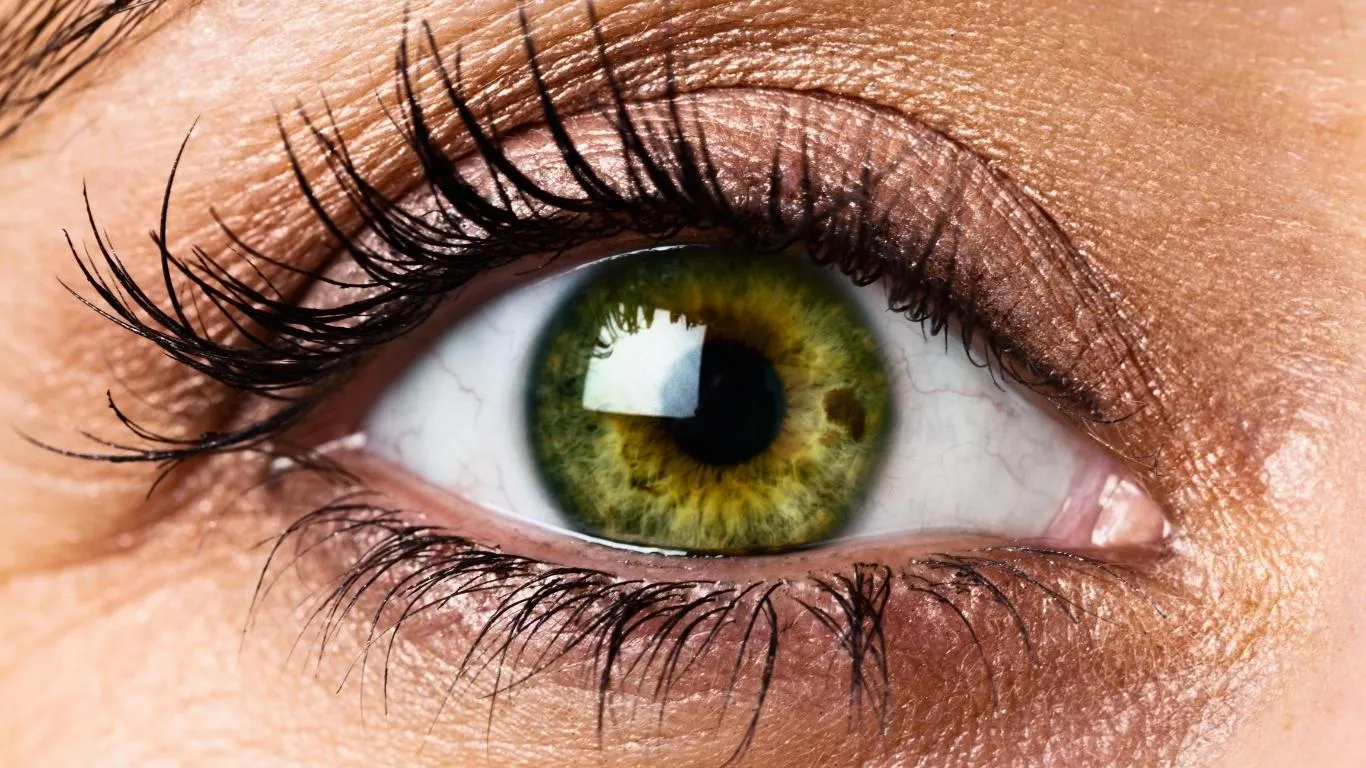
Eye floaters are those semi-transparent threads, spots, or cobweb-like shapes that drift in and out of your vision. While they’re usually harmless, their visibility tends to spike during certain lighting conditions, especially when the surroundings are softly illuminated with a warm sunset hue. But why does this happen?
It all comes down to contrast. The vitreous humor inside your eye—a gel-like substance—starts to liquefy and pull away from the retina as you age. Tiny collagen fibers clump together, casting shadows on your retina. In broad daylight, your pupils constrict, reducing the impact. But during sunset, when light gets softer and more diffused, your pupils dilate slightly, making these floaters pop against that amber-toned backdrop.
This lighting-triggered visibility is more than a nuisance—it’s an insight into how our eyes adapt to changing environments. It’s not surprising that so many people notice floaters intensifying during their evening walks or while driving home at dusk.
Are You More Likely to Notice Floaters at Sunset?
Some individuals are more prone to seeing floaters in sunset lighting. Here’s why:
- High Myopia (Nearsightedness): People with elongated eyeballs have a higher risk of vitreous degeneration.
- Recent Eye Strain: If you’ve been staring at screens or reading for long periods, your eyes may be hypersensitive to contrast changes.
- Aging Eyes: Vitreous syneresis is a natural aging process where the vitreous gel shrinks, pulling away from the retina and forming floaters.
It’s worth mentioning that floaters appearing during sunset are not always indicative of a severe problem. However, if they’re sudden or accompanied by flashes of light, it could point to a posterior vitreous detachment or retinal tear. This article on floaters signaling retinal tears explains the warning signs you should never ignore.
Personal Struggles: The Sunset Drive Dilemma
Let me tell you—driving during golden hour can be a visual battleground. I remember one particular evening when the floaters became so distracting, I had to pull over just to let my eyes recalibrate. Those softly glowing orange skies that Instagram loves? They amplify every little speck and strand floating across my view.
Even ophthalmologists acknowledge that sunset-induced floater visibility is common. According to the American Academy of Ophthalmology, floaters often become more prominent in bright or contrast-rich environments. The refractive index changes in the atmosphere at sunset, coupled with dilated pupils, create the perfect stage for floaters to make their appearance known.
Can You Reduce Floaters’ Impact During Sunset?
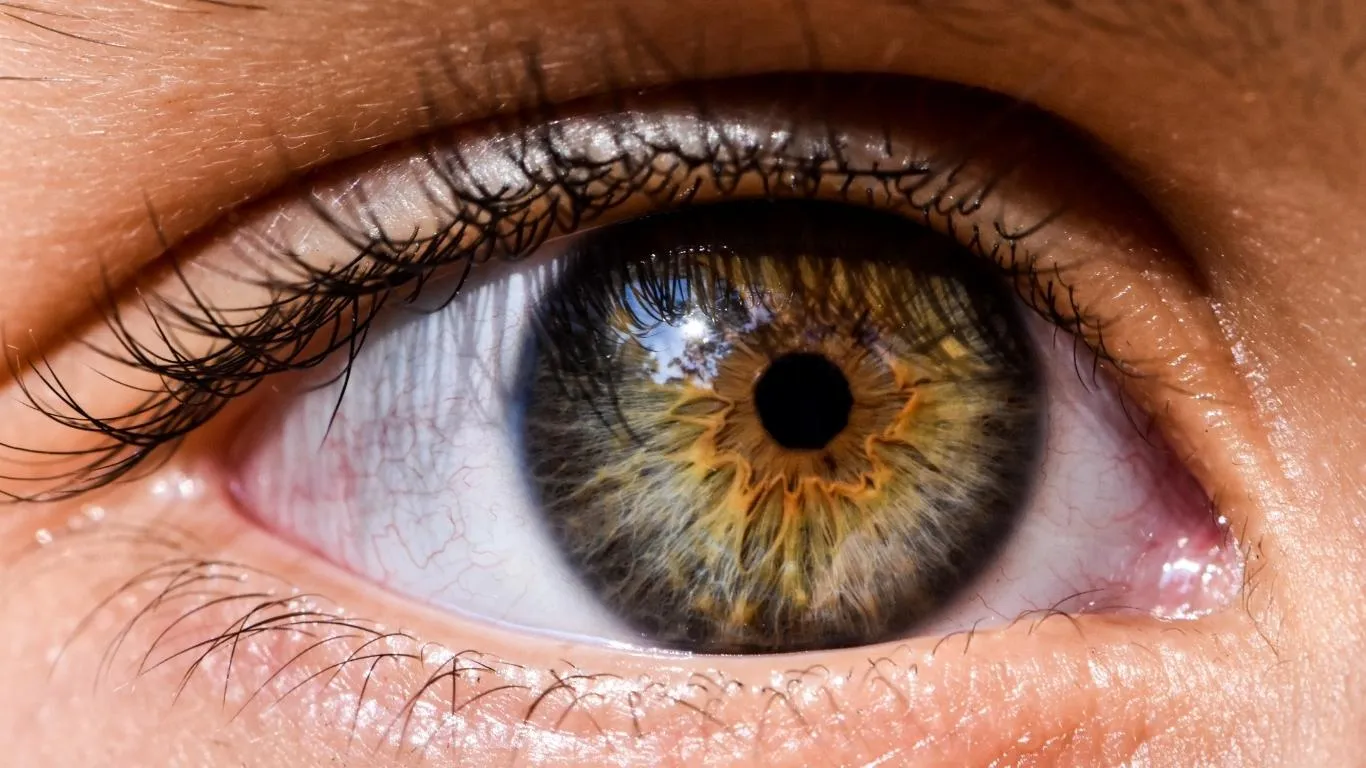
While you can’t make floaters disappear on demand, there are strategies that might help lessen their impact, especially during sunset transitions:
- Polarized Sunglasses: These can reduce glare and minimize contrast shifts that make floaters more noticeable.
- Eye Movement Tricks: Moving your eyes up and down quickly can sometimes shift floaters out of your central vision field.
- Hydration and Blink Rate: Believe it or not, being dehydrated can worsen vitreous clarity. A few mindful blinks can also help redistribute the vitreous gel momentarily.
If you’re keen on learning more practical ways to manage these vision intrusions, the article on natural ways to manage floaters offers a balanced view on what truly works and what’s just myth.
Are Floaters a Sign of a Bigger Issue or Just Annoying?
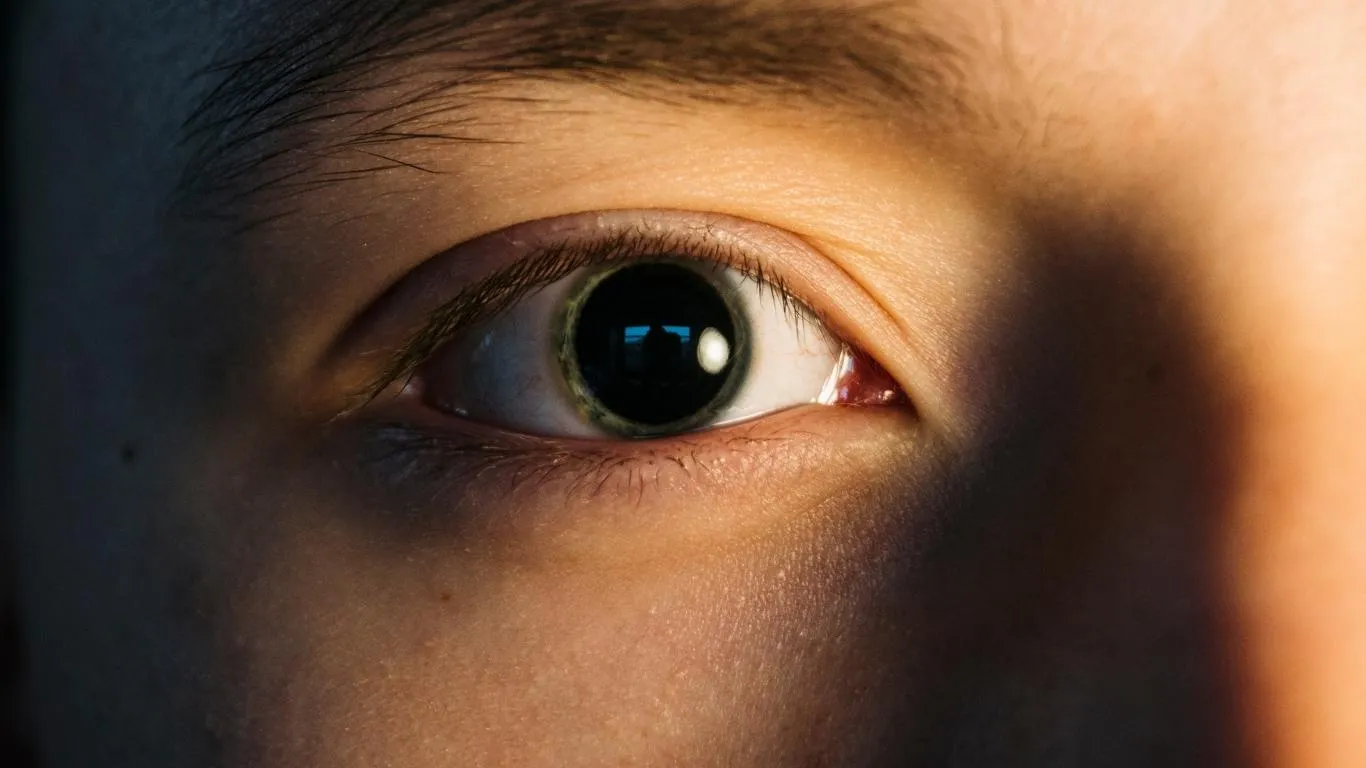
Floaters themselves are typically benign, especially if they’ve been lingering for months or years without changes. However, certain patterns—like a sudden shower of floaters, new shapes appearing rapidly, or accompanying light flashes—shouldn’t be dismissed. This could indicate retinal detachment or severe vitreous degeneration.
Recognizing when floaters signal serious conditions is vital to maintaining ocular health. I’ve had floaters for over a decade, and while they’ve been harmless, I still get an annual eye exam to stay on top of potential risks.
For an in-depth look at what causes floaters, including aging and eye injuries, visit this comprehensive guide on common causes of eye floaters. Additionally, Healthusias’ main resource on eye floaters symptoms and treatments is a must-read if you’re looking to understand this visual phenomenon in its entirety.
Living with Floaters: How I Adapt During Evening Activities
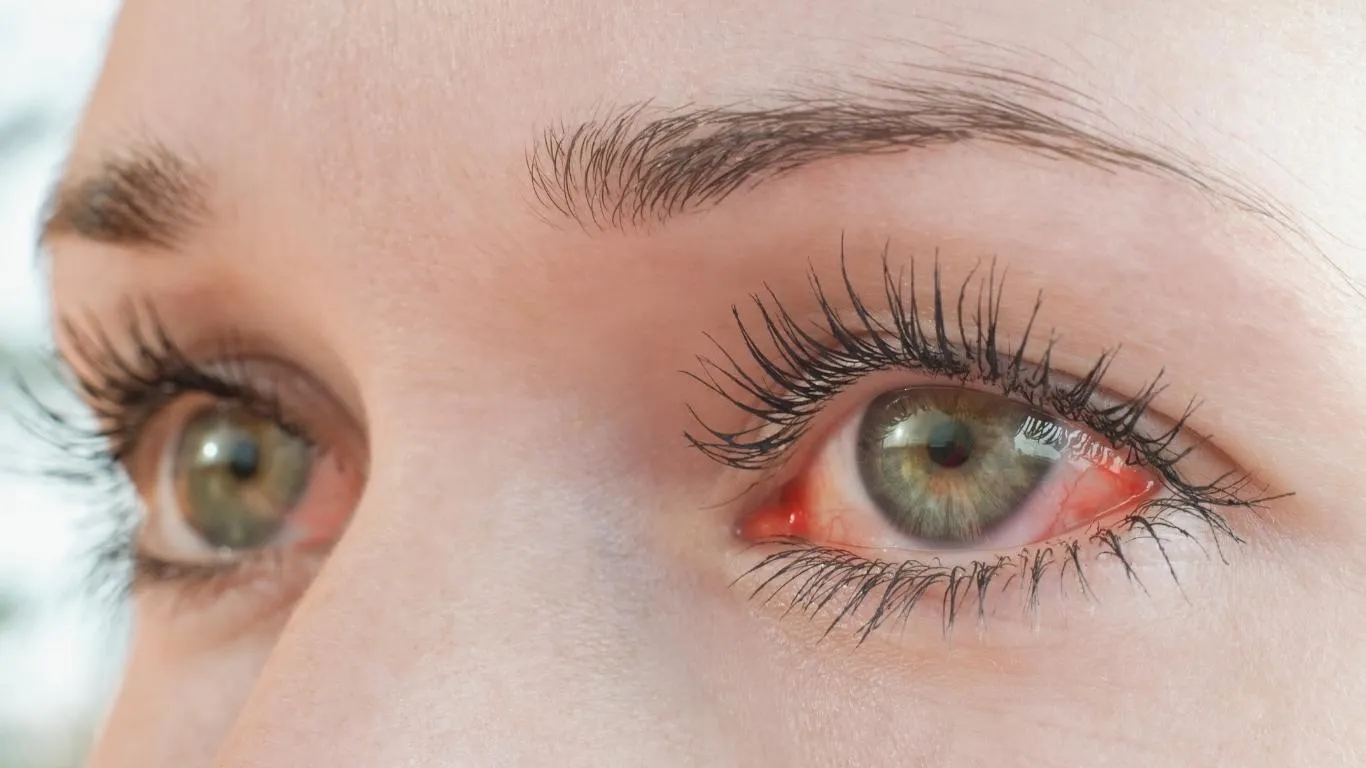
Over the years, I’ve developed a few personal routines that make dealing with floaters during those golden sunset hours a lot less frustrating. Whether it’s a casual evening walk or sitting on the patio watching the sun go down, small adjustments help keep my focus where it should be—on the experience, not the distractions in my vision.
- Positioning Matters: I avoid looking directly towards the setting sun. By adjusting my head angle slightly, I minimize direct light entering my eyes, which softens the contrast and reduces floater visibility.
- Soft Gaze Technique: Instead of focusing sharply, I practice a soft, relaxed gaze. This diffuses the visual interference and makes floaters less dominant in my field of vision.
- Strategic Breaks: During outdoor activities, I make it a habit to pause, close my eyes for a few seconds, and then reopen them slowly. This brief reset often helps realign my focus away from floaters.
These small adjustments may not eliminate floaters, but they’ve helped me enjoy sunsets without constantly battling those squiggly shadows. For those curious, simple eye exercises can further assist in managing floaters’ prominence.
When Should You Seek Professional Help?
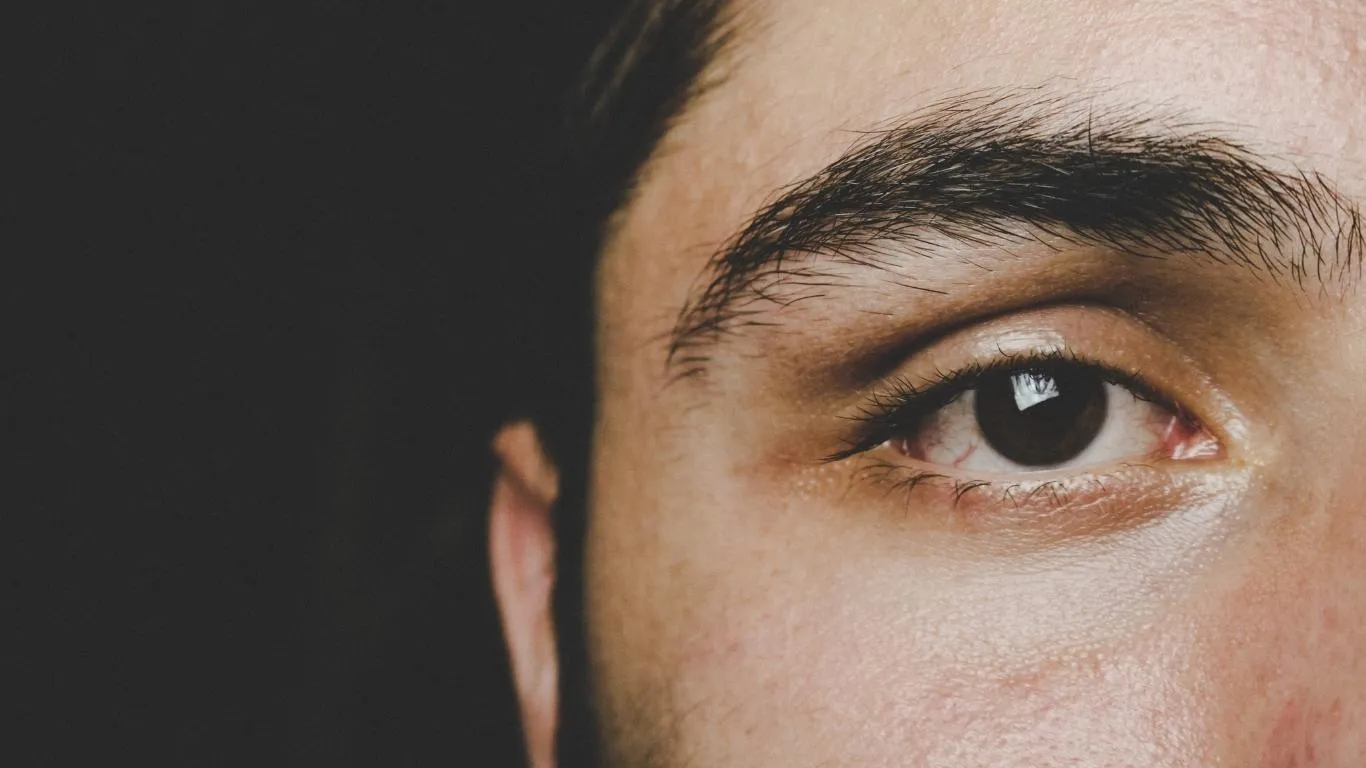
It’s easy to brush off floaters as a common annoyance, especially when they seem to fade after a while. However, certain red flags should prompt a visit to an eye specialist:
- Sudden Increase: A rapid onset of floaters, especially if it feels like a curtain has dropped across your vision.
- Light Flashes: Experiencing lightning-like flashes alongside floaters can be a sign of retinal detachment.
- Peripheral Shadowing: Loss of peripheral vision or darkened edges in your sightline may indicate more severe conditions.
Educating yourself on posterior vitreous detachment (PVD) is essential, as it’s one of the most common reasons floaters become suddenly more noticeable. Awareness is key; while many cases are harmless, swift medical attention is critical when symptoms escalate.
How Light Sensitivity and Eye Health Are Connected
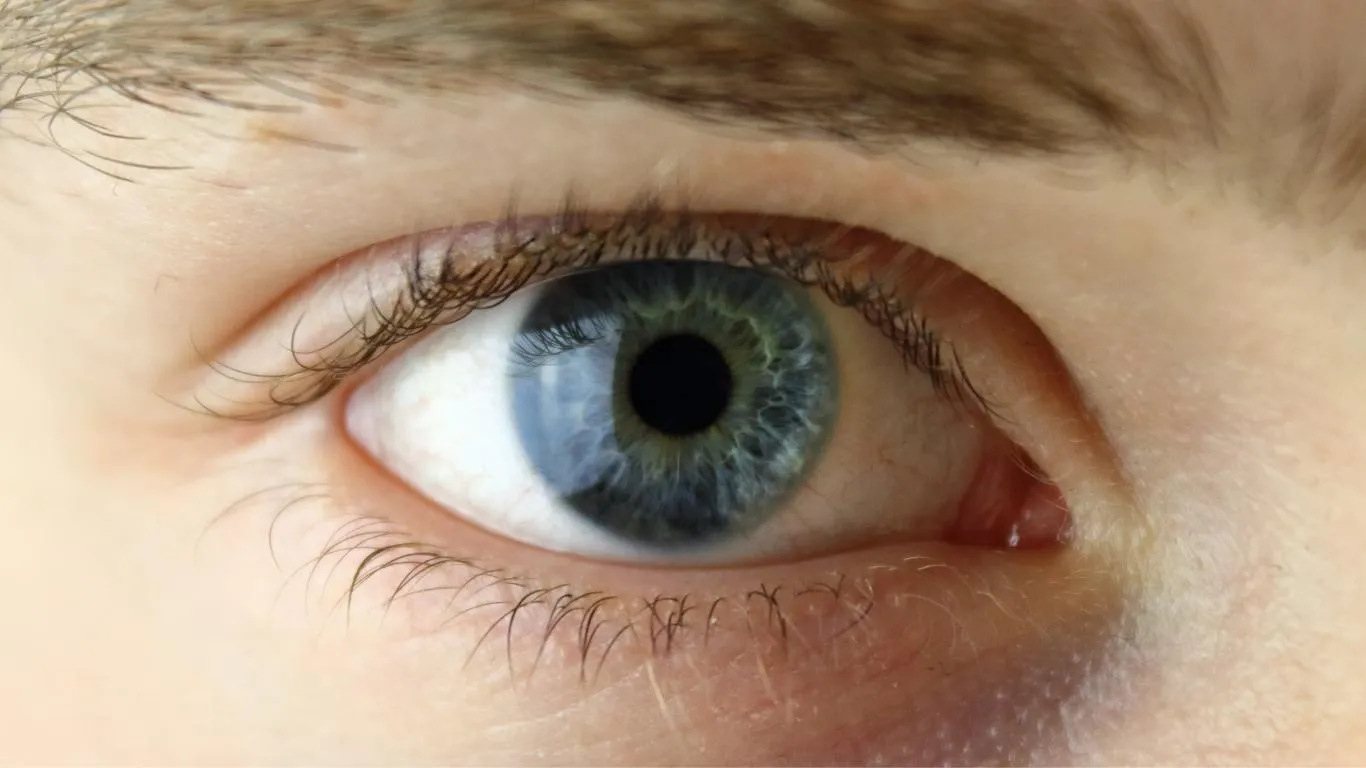
One aspect that often gets overlooked is how light sensitivity plays into the floater experience. Personally, after long hours on the computer or spending time in brightly lit environments, my eyes become hypersensitive to subtle lighting shifts—sunset being the most pronounced.
Increased photosensitivity can heighten floater visibility. Factors that contribute to this include:
- Screen Overexposure: Excessive blue light can strain the retina, making floaters more prominent in natural settings.
- Dehydration: A lack of fluid intake can affect vitreous clarity, worsening floater perception during lighting transitions.
- Eye Fatigue: Prolonged visual tasks reduce the eye’s ability to adjust swiftly to ambient light changes.
Adopting habits like taking regular screen breaks, staying well-hydrated, and using computer glasses to minimize glare has been a game changer for me. Also, eye drops designed to maintain vitreous hydration can offer temporary relief during dry, high-contrast environments.
Emerging Treatments and Their Realistic Expectations
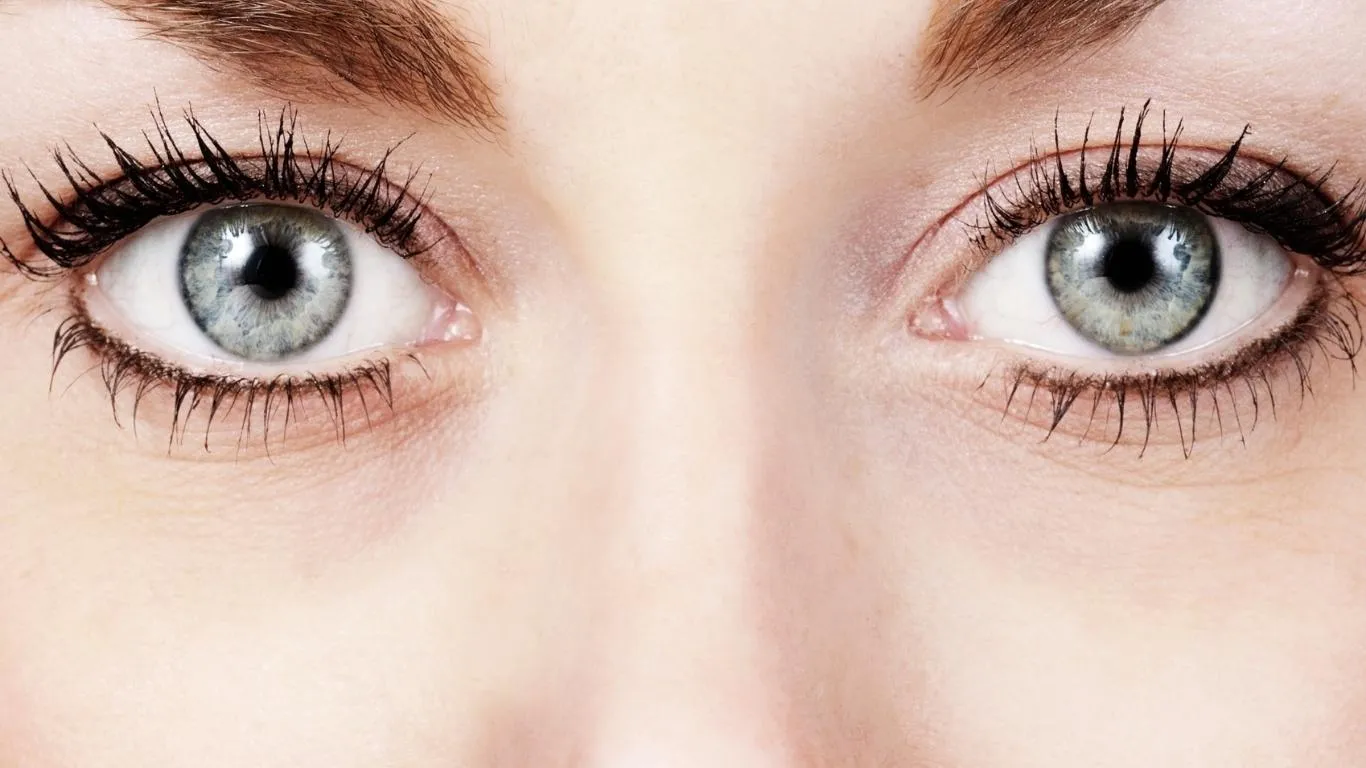
For those dealing with persistent, bothersome floaters, medical advancements have opened new avenues. However, it’s crucial to approach treatments with realistic expectations. Not every option guarantees floater removal, but some can significantly reduce their impact.
- YAG Laser Vitreolysis: A non-invasive procedure where lasers break up larger floaters into smaller, less noticeable fragments. It’s effective for some but may not work for floaters positioned too close to the retina.
- Pars Plana Vitrectomy (PPV): A more invasive surgical option where the vitreous gel is removed and replaced with a saline solution. Though effective, it carries risks like retinal detachment and cataracts.
Before opting for any medical procedure, reading comprehensive guides like treatment options for eye floaters can help set proper expectations. Not every floater needs to be treated, but for severe cases, informed decisions are crucial.
Daily Habits That Make a Difference
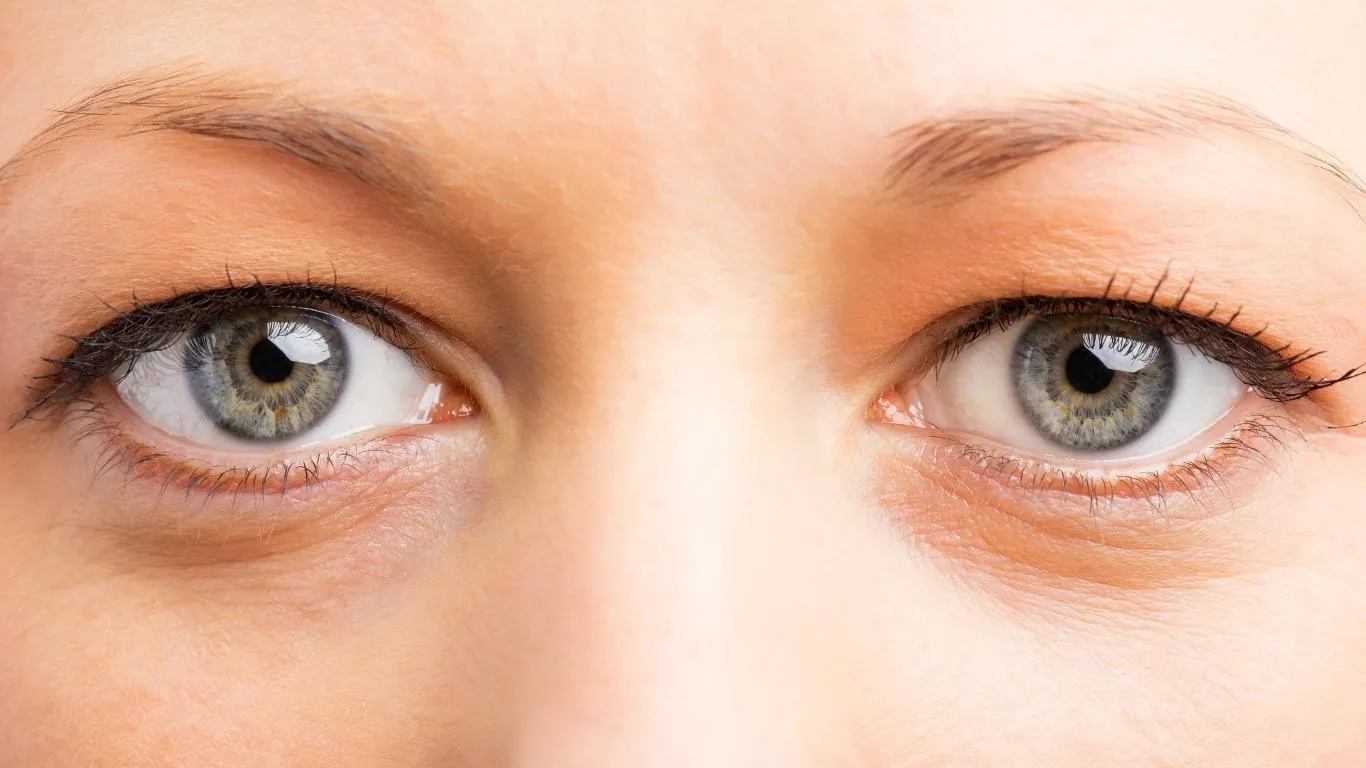
Living with floaters isn’t just about medical interventions; lifestyle plays a huge role. Over time, I’ve found that a few daily habits drastically reduce how often floaters interfere with my vision, especially during sunset:
- Hydration First: Starting my day with a large glass of water has become non-negotiable. It sounds basic, but it noticeably impacts vitreous clarity.
- Lighting Control: Using warm, ambient lighting indoors helps my eyes transition better to outdoor environments. Harsh, overhead lights only exacerbate the problem.
- Eye-Friendly Diet: Incorporating foods rich in lutein and zeaxanthin supports retinal health. A detailed list of beneficial foods can be found in this guide on diet changes for eye floaters.
Even small adjustments, like tilting screens to reduce glare or consciously taking visual breaks, make an impact. It’s these minor tweaks that compound over time to make floaters less intrusive during sensitive lighting conditions.
Balancing Awareness Without Obsession

One of the toughest lessons I’ve learned is not to fixate on floaters. The more I obsessed over them, the more they seemed to dominate my vision. Adopting a mindful approach helped shift my focus away from constant monitoring. Mindfulness exercises, light yoga, and even casual walks (avoiding direct sunset glare, of course) have been incredibly therapeutic.
Interestingly, there’s emerging discussion on how visual neuroplasticity allows the brain to ‘tune out’ certain floaters over time. It’s not magic—it’s simply the brain adjusting to persistent visual noise, akin to how we stop hearing background hums after a while.
For a broader understanding of how floaters differ from other visual phenomena, I highly recommend reading this guide on distinguishing floaters from other eye issues. Gaining clarity on what’s normal and what’s not can provide peace of mind amidst the visual chaos.

Camellia Wulansari is a dedicated Medical Assistant at a local clinic and a passionate health writer at Healthusias.com. With years of hands-on experience in patient care and a deep interest in preventive medicine, she bridges the gap between clinical knowledge and accessible health information. Camellia specializes in writing about digestive health, chronic conditions like GERD and hypertension, respiratory issues, and autoimmune diseases, aiming to empower readers with practical, easy-to-understand insights. When she’s not assisting patients or writing, you’ll find her enjoying quiet mornings with coffee and a medical journal in hand—or jamming to her favorite metal band, Lamb of God.