Why Floaters When Blinking Rapidly in Sunlight Feel Worse
If you’ve ever been out in the sun, blinked quickly, and noticed tiny shapes darting across your vision—kind of like specks, squiggles, or transparent threads—you’re not alone. I used to think it was just my eyes adjusting to brightness. Turns out, it’s a lot more interesting (and sometimes frustrating) than that. These visual disturbances are commonly known as eye floaters, and when they show up especially while blinking rapidly in sunlight, there’s a bit of science (and personal annoyance) behind it.
Why Do Floaters Seem Worse in Bright Sunlight?
Ever noticed how floaters seem to *magically* appear more when you’re staring at the blue sky or a white wall? It’s not magic—it’s the physics of light and your eye’s anatomy teaming up against your comfort.
In bright environments, especially under direct sunlight, your pupils constrict, making floaters more pronounced. The light enters your eyes more sharply, increasing the contrast between the vitreous floaters and your retina. When you blink rapidly, it disturbs the vitreous humor (the gel inside your eye), causing floaters to drift more visibly across your field of vision.
But Why Only When I Blink Fast?
Rapid blinking creates tiny shifts in eye pressure and movement, agitating the floaters. It’s similar to how shaking a snow globe makes the particles move around more. Those specks that were settled or barely noticeable? Now they’re dancing right across your vision.
- Sunlight creates high contrast, enhancing visibility of floaters
- Blinking stirs the vitreous gel, making floaters move more dramatically
- It’s usually worse if you’re dehydrated or fatigued
And yes, sometimes it feels like they know the worst possible time to show up—hello, driving at golden hour!
Common Reasons You See Floaters While Blinking in the Sun
While floaters can be harmless, recurring floaters that seem more pronounced during blinking and bright light exposure might have deeper underlying triggers.
- Age-Related Vitreous Changes – The gel inside your eye naturally shrinks and becomes stringy as you get older. These strands cast shadows on your retina and appear as floaters. Here’s how age-related vitreous changes work.
- Photophobia and Light Sensitivity – If you’re light-sensitive, you may perceive floaters more vividly. Combine that with fast blinking and it’s a recipe for daily visual disruptions.
- Dehydration – Not drinking enough water can mess with your eye’s fluid balance, making floaters seem worse. Read about dehydration’s role in floaters.
- Post-Eye Strain or Fatigue – After staring at a screen too long, blinking rapidly in the sun can reveal floaters hiding in plain sight.
What Does It Feel Like?
Floaters during blinking feel oddly specific. In my case, it was almost like catching a glimpse of something that wasn’t there—a shape that moved with my eye but didn’t go away when I focused. The sensation gets more annoying when you can’t “unsee” it once it shows up.
It’s not painful, but it can definitely mess with your focus. Especially if you’re outdoors doing something that requires sharp vision, like driving, cycling, or even just navigating a crowded place. A floater flicking across your central vision while you’re blinking rapidly? That can be more distracting than you’d expect.
When Should You Be Concerned?
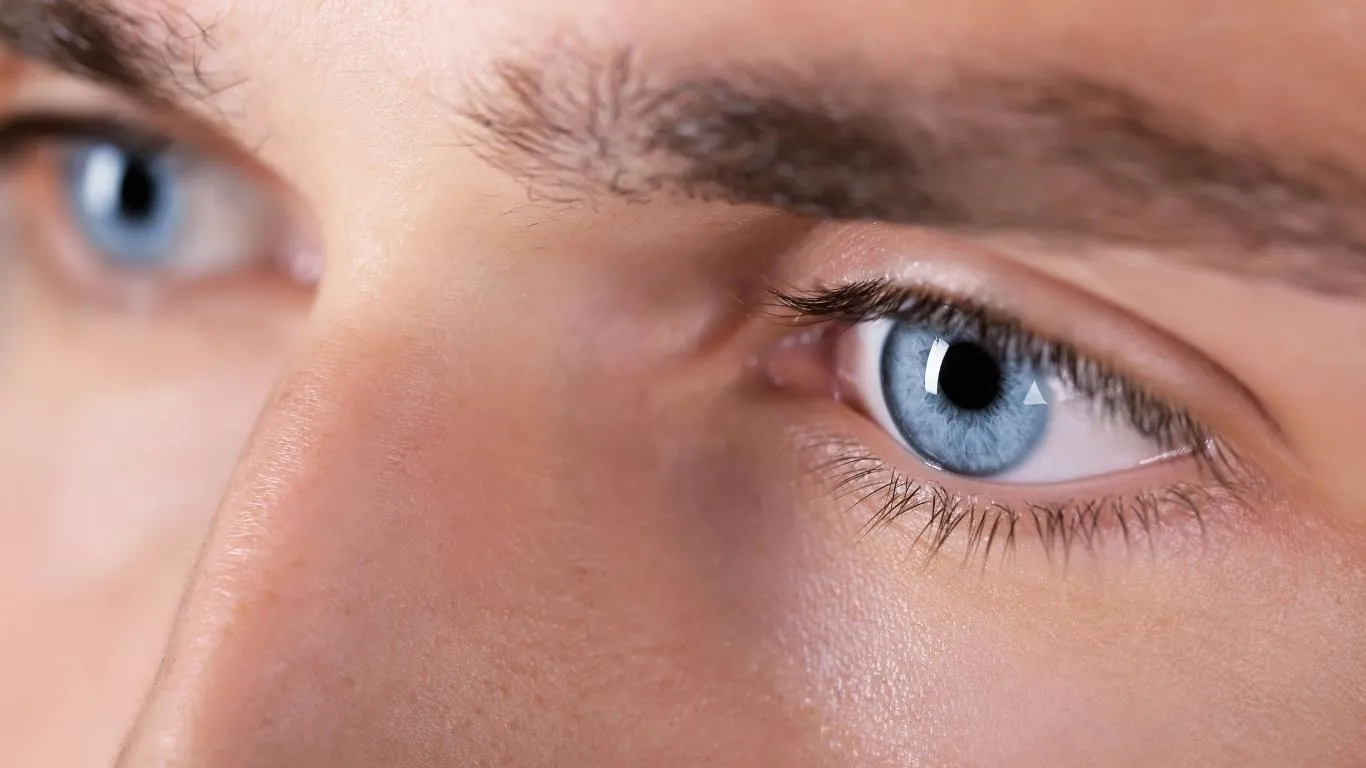
In most cases, floaters are benign. But if you suddenly notice a dramatic increase, or if they’re accompanied by flashes of light or a dark curtain-like shadow in your peripheral vision, don’t wait—those could be early warning signs of retinal detachment.
This guide explains how floaters can precede a retinal tear.
If you’ve had recent head trauma, eye surgery, or a sudden spike in floaters, you’ll want to get checked by an ophthalmologist ASAP. Retinal issues don’t wait—and neither should you.
What Helped Me Deal with It (and Might Help You Too)
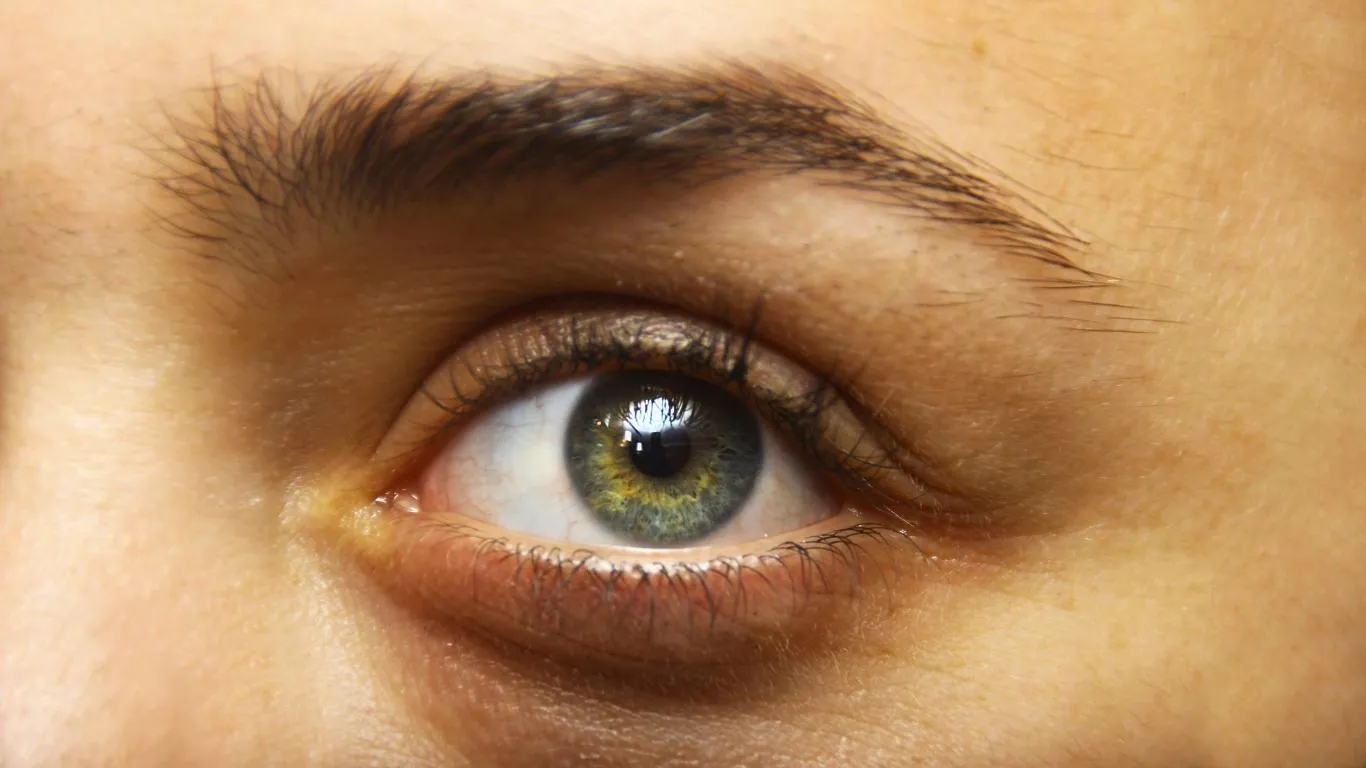
I’m not a doctor, but I am someone who’s spent an embarrassing number of hours Googling “why do I see floaters only when I blink fast in the sun?” Here’s what genuinely helped me get through the worst of it:
- Wearing polarized sunglasses – Cuts down glare, reduces strain, and makes floaters less obvious.
- Staying hydrated – Once I got into the habit of drinking more water, things noticeably improved.
- Eye-friendly nutrition – I added more lutein-rich foods and omega-3s to my diet. Here’s a list of foods that helped.
- Taking breaks from screens – Eye fatigue only made the floaters worse for me.
Interestingly, some floaters that used to annoy me daily have faded over time. Not all, but enough that I don’t notice them as much anymore. According to American Academy of Ophthalmology, floaters often settle below the line of sight or become less noticeable as the brain learns to ignore them.
For anyone who’s trying to figure out if what they’re seeing is even a floater or something else entirely, this guide on eye floaters vs. other eye problems really helped me narrow things down.
And if you’re curious about a deeper dive into all aspects of floaters—from causes to treatments—check out the main floaters article that lays out everything in one place. It was my go-to starting point.
Is There a Way to Get Rid of These Floaters?
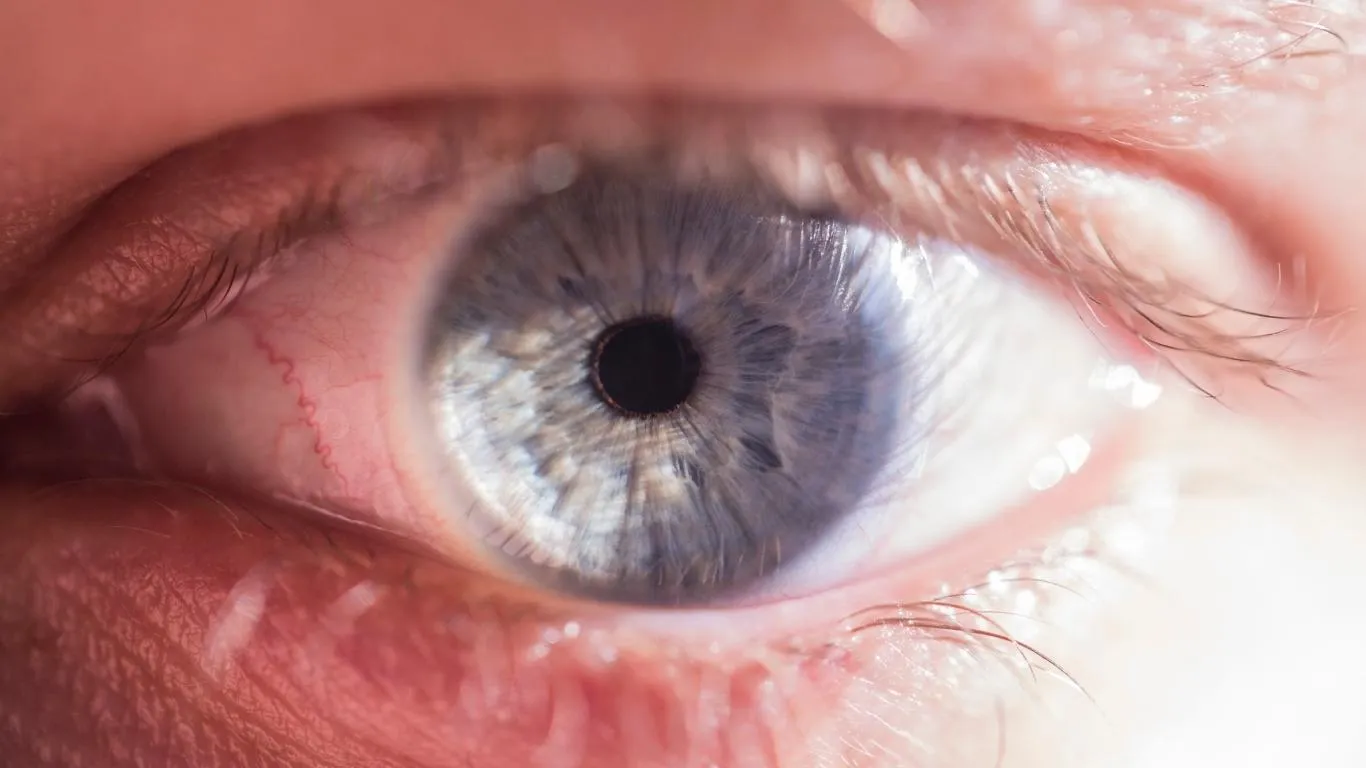
Here’s the honest truth I wish someone told me earlier: most floaters don’t go away completely. But they can become a lot less annoying. Over time, your brain gets better at tuning them out. I was skeptical about that idea—how can you unsee a stringy blob that darts across your vision every time you blink in the sun? But it’s true. Mine used to drive me crazy at the beach, but now I rarely notice them unless I’m actively thinking about it.
That said, if floaters are interfering with your life, there are actual medical treatments—some mild, some pretty intense. This breakdown of eye floater treatments helped me understand what’s really available beyond just “learn to live with it.”
Observation and Lifestyle First
If your doctor rules out serious causes, most of the time they’ll recommend a “wait and see” approach. Here’s what worked best for me during that stage:
- Eye yoga and movement exercises – gently shifting your gaze side to side or in circles can help move floaters out of your main field of view. I was surprised this helped with the rapid blinking situation.
- Reduce stress – I didn’t believe the stress-floaters connection until I lived it. They definitely flared up more during burnout phases. Stress relief made a noticeable difference.
- Keep your eyes moist – especially if you work under AC or spend long hours in front of screens. Dry eyes amplify floater visibility.
Medical Options (If You’re Really Struggling)
- Vitrectomy – This is a surgical option where part or all of the vitreous gel is removed and replaced with a saline solution. It’s effective, but not something to jump into lightly. There are risks like retinal detachment, bleeding, and cataracts.
- Laser Vitreolysis – A laser breaks up the floaters to make them less visible. Not everyone is a candidate, and results can vary. I considered it but decided to wait until my floaters got worse… which luckily, they didn’t.
Both of these treatments are covered more in-depth here: Comprehensive floater treatment options.
Can Sunlight Itself Cause Floaters?
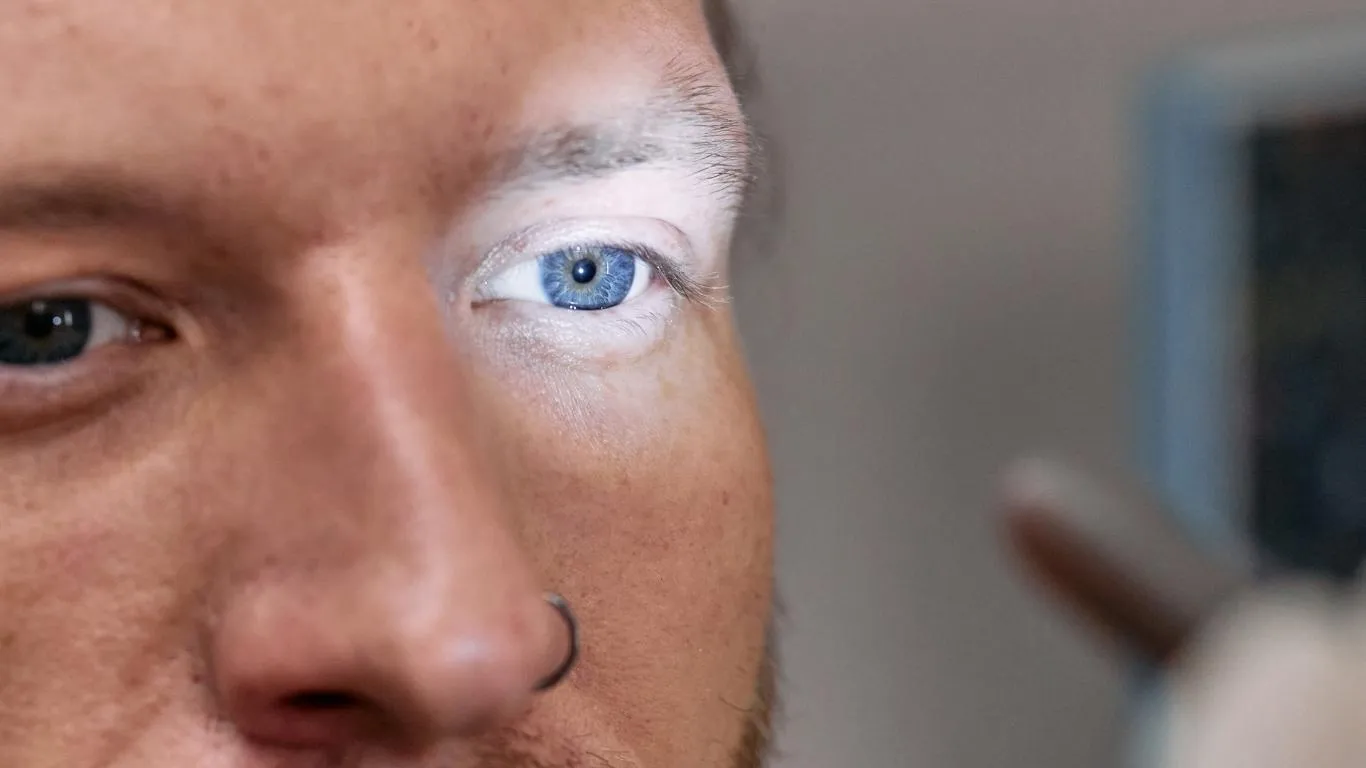
Nope, sunlight doesn’t create floaters—but it sure makes them look more intense. What it can do is contribute to overall eye strain and possibly accelerate certain conditions if you’re exposing your eyes to strong UV rays unprotected. That’s why I never skip wearing polarized lenses outdoors now.
If you’ve ever had floaters pop up suddenly after a long hike, beach day, or snowboarding trip, you’re not imagining it. The brightness and dryness play a role. And yes, bright light exposure can exaggerate the floater experience.
When Floaters Are More Than Just Floaters
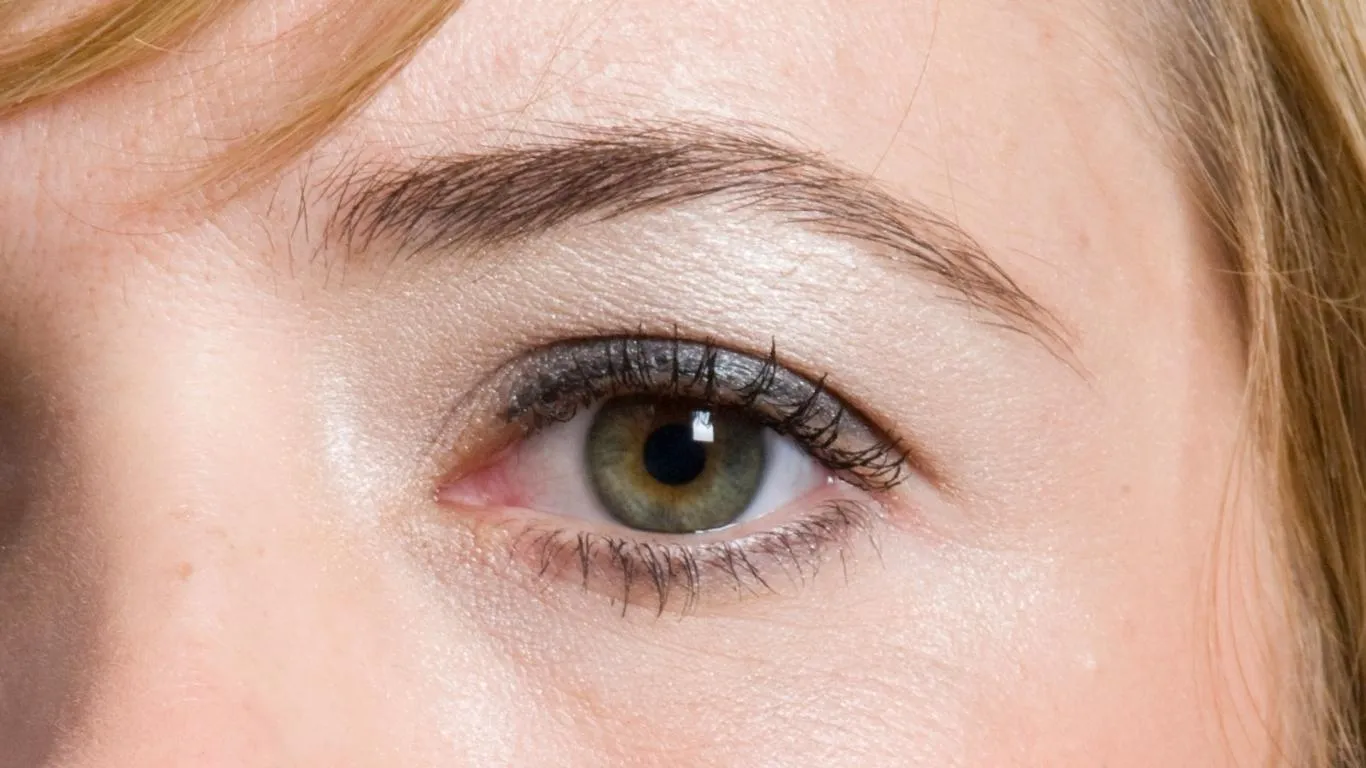
If blinking in sunlight suddenly makes you aware of a lot of floaters, especially paired with:
- Flashes of light (even in dark rooms)
- A sudden loss of part of your visual field
- Blurred or distorted vision
…then it’s time to talk to a doctor, stat. These could be signs of something more urgent, like a retinal tear or detachment. There’s a great breakdown of those red flags in this article on when floaters are dangerous.
I don’t mean to scare anyone, but floaters can be the canary in the coal mine when it comes to your eye health. Better safe than sorry.
Natural Things I Tried That Actually Helped (Sorta)

We all want the easy fix, right? I fell down a rabbit hole of “natural cures” for floaters. Most didn’t work (let’s just say castor oil drops aren’t for me), but some things helped in small but real ways:
- Omega-3 and antioxidant supplements – I stuck with these, and while floaters didn’t vanish, my eyes felt healthier overall. This guide explains which supplements are worth a try.
- Limiting screen time before sunlight exposure – Oddly, I noticed fewer floaters in the morning sun if I hadn’t been staring at a screen for hours beforehand.
- Eye exercises – These weren’t magic, but they seemed to improve eye fluid circulation. Here are a few that helped.
And yes, even small changes like cutting down caffeine or getting better sleep made a surprising difference. If you’re looking for ways to support your vision naturally, this piece on natural floater remedies offers an honest take on what’s legit and what’s hype.
Can It Happen to Young People Too?
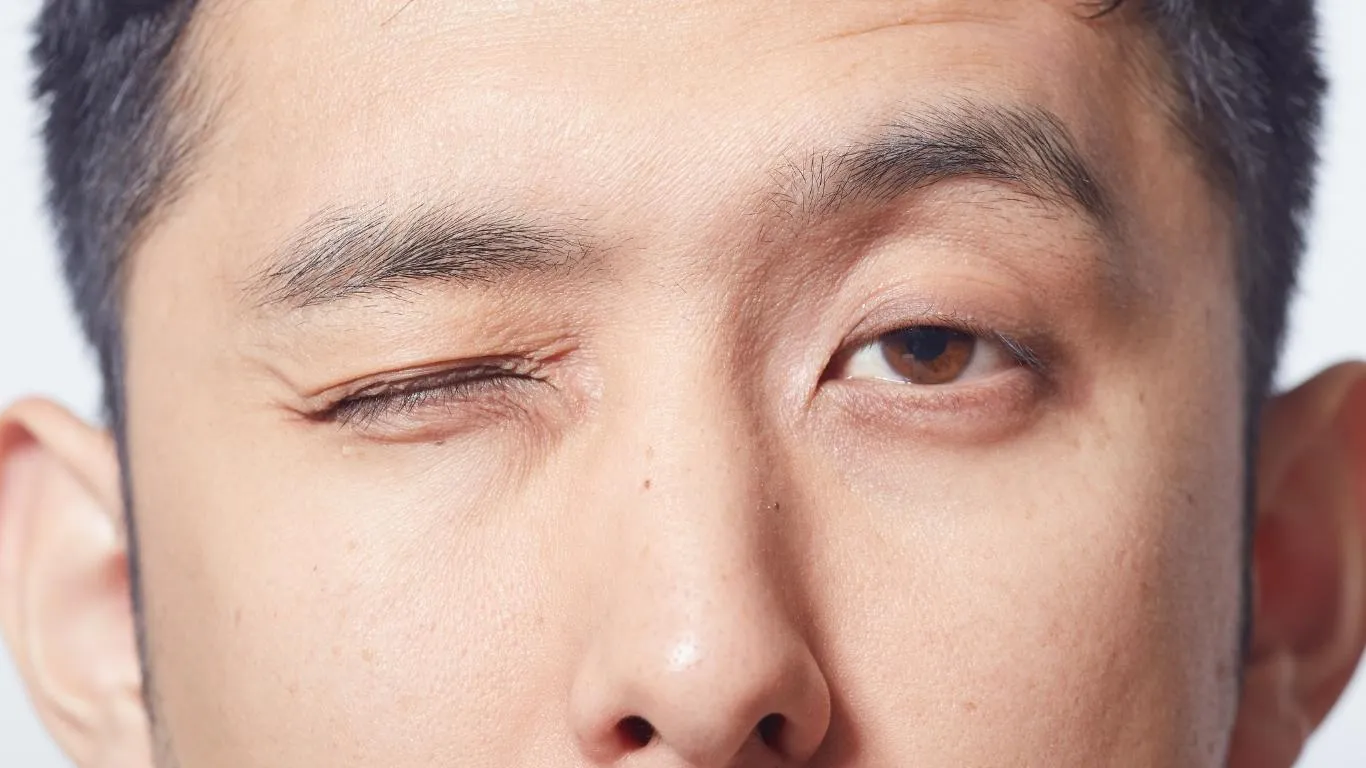
Absolutely. I was in my twenties when mine first showed up. And while most people associate floaters with aging, it’s not unusual for younger folks to get them—especially if you’re nearsighted, spend a ton of time on screens, or have dry eyes. Here’s a surprisingly insightful read on floaters in young adults that changed how I looked at the whole thing (no pun intended).
Also, if you’ve recently had LASIK or cataract surgery, floaters might show up afterward. It’s not always permanent, but it can be frustrating. There’s more info on that in this article about post-surgery floaters.
So, What’s the Bottom Line?
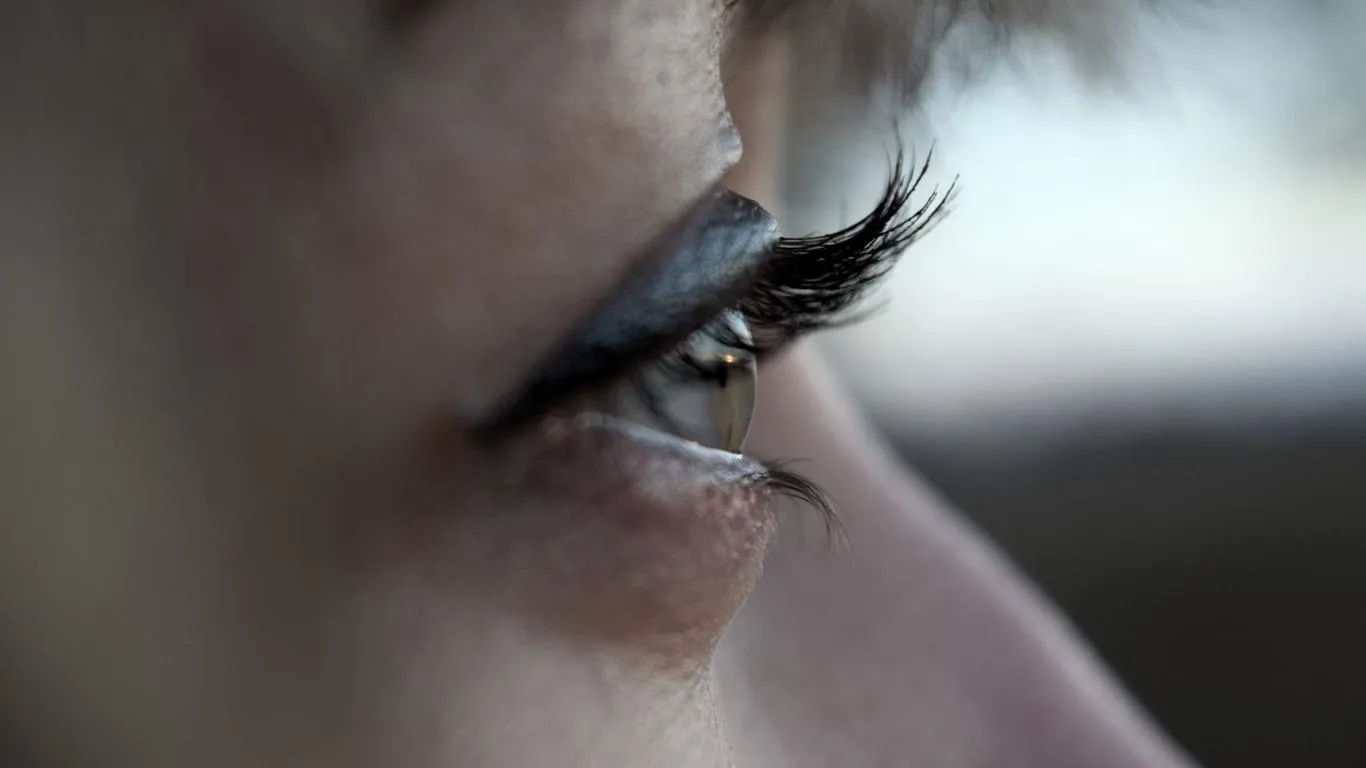
If you’re seeing floaters while blinking rapidly in sunlight, you’re not crazy, and you’re definitely not alone. I went through the spiral of Googling symptoms, panicking over tiny dots, and wondering if I was just being dramatic. Turns out, it’s a common but tricky visual annoyance—and there are ways to make it more manageable.
Start with the basics: hydration, nutrition, eye protection, and good screen habits. Then if things escalate, don’t wait too long to speak to a professional. Your vision’s too important.
Need a complete overview of everything floaters-related? This comprehensive guide covers all the ground, from causes to treatments to how to cope day-to-day.

Camellia Wulansari is a dedicated Medical Assistant at a local clinic and a passionate health writer at Healthusias.com. With years of hands-on experience in patient care and a deep interest in preventive medicine, she bridges the gap between clinical knowledge and accessible health information. Camellia specializes in writing about digestive health, chronic conditions like GERD and hypertension, respiratory issues, and autoimmune diseases, aiming to empower readers with practical, easy-to-understand insights. When she’s not assisting patients or writing, you’ll find her enjoying quiet mornings with coffee and a medical journal in hand—or jamming to her favorite metal band, Lamb of God.