Why Floaters Get Worse In Low-Light Parking Garages
Ever stepped into a dim parking garage and suddenly felt like a swarm of tiny specks started floating across your vision? It used to happen to me every evening after work, and honestly, I thought I was just tired. Turns out, there’s a little more science — and maybe a few concerns — behind those ghostly floaters when entering low-light parking garages.
Why Do Floaters Appear More in Low-Light Places Like Parking Garages?
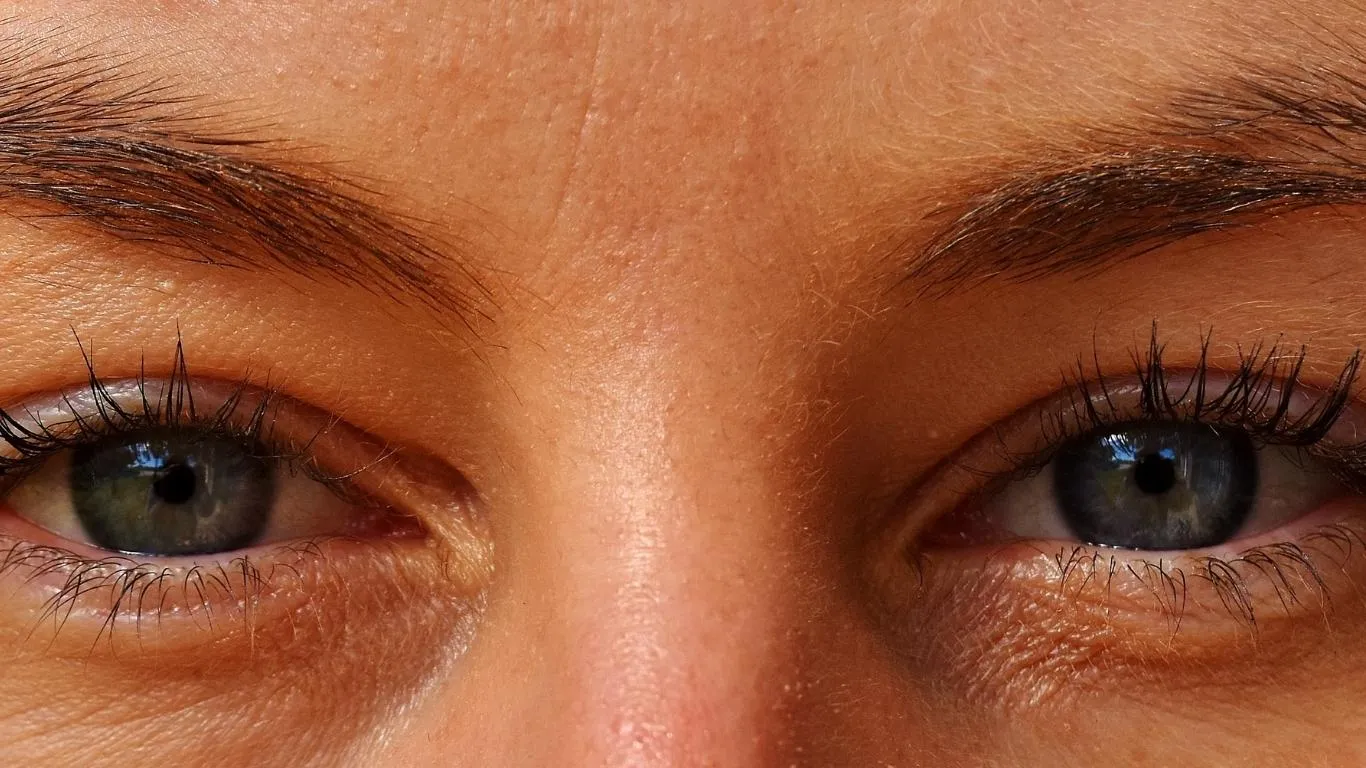
So here’s the deal — floaters are those shadowy, stringy shapes that seem to float in your line of vision. They’re actually tiny clumps or strands in the vitreous, the gel-like substance inside your eyes. In bright conditions, they’re easy to ignore. But step into a darker area — like a low-light parking garage — and boom, they suddenly become the main event.
The science behind this is pretty straightforward: your pupils dilate in the dark, letting more light into your eyes. This shift in lighting enhances the contrast between the floaters and the background, making them way more noticeable. It’s kind of like turning up the brightness on your phone in a pitch-black room — everything feels sharper, sometimes uncomfortably so.
Personal Note
When I first noticed this, I honestly thought something was wrong with my eyes. Every time I’d drive into a dim basement garage, these little ghost specks would dance across my field of view. My optometrist explained it’s common, but still, it doesn’t mean it should be ignored.
Could This Be a Warning Sign?
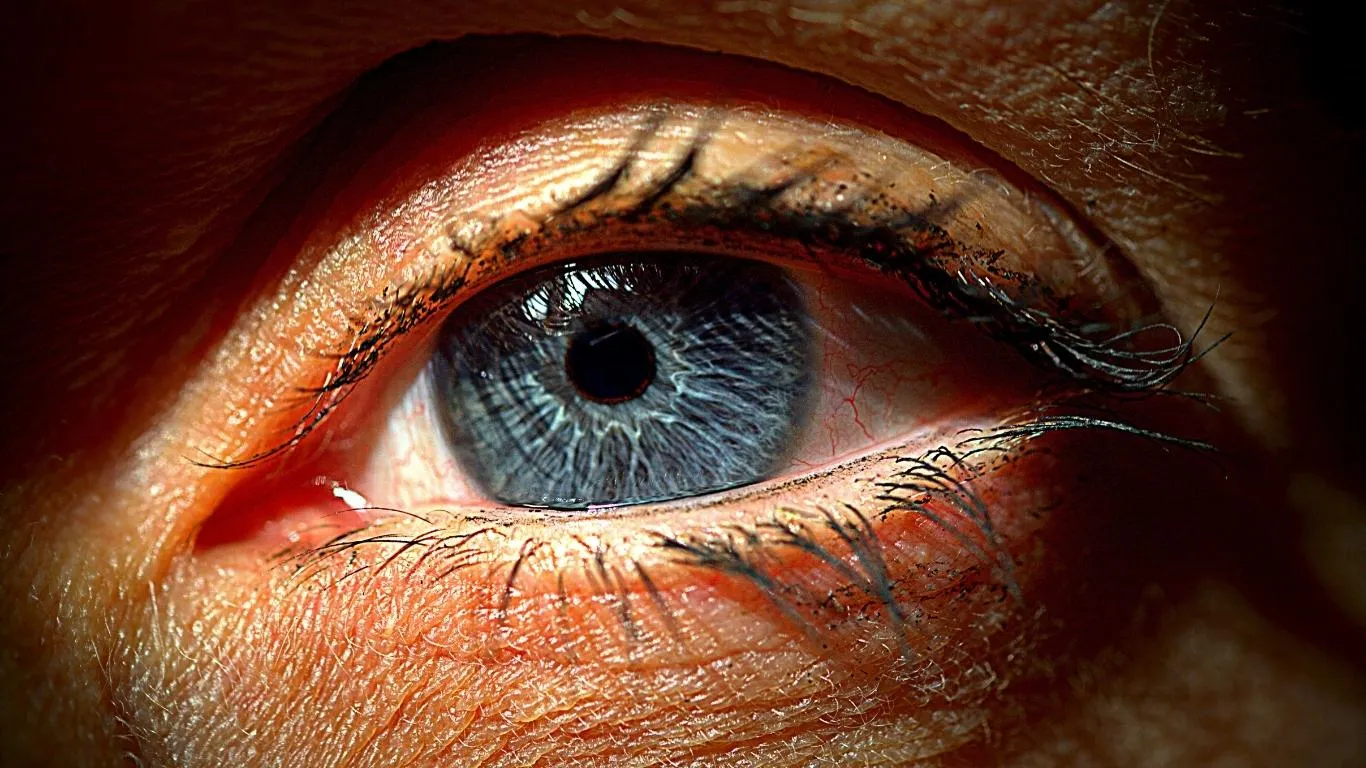
Seeing floaters more frequently or in specific lighting can actually be a subtle indicator of something going on beneath the surface. While most cases are harmless and part of the natural aging process, there are instances when floaters signal more serious issues — like retinal tears or detachment. One of the articles that really opened my eyes (pun intended) was this one on floaters before retinal tears. It made me realize that ignoring them just because they vanish in daylight might not be the best move.
Other conditions to consider:
- Eye discharge along with floaters
- Sudden increase or burst of floaters
- Floaters appearing with no other symptoms
If your floaters are joined by flashes of light, a sudden increase in quantity, or if they start obstructing your vision, don’t mess around. It’s best to consult an ophthalmologist immediately.
Why Parking Garages Specifically Make Floaters Pop
This isn’t just about “dark places” — parking garages are uniquely triggering. They often have artificial lighting that casts harsh shadows and uneven illumination. That kind of environment is prime territory for floaters to play visual tricks. Plus, the ceiling contrast, low color variation, and sudden light adjustment from outdoor brightness make them even more pronounced.
There’s also a psychological element. After a long day, when you’re fatigued and stepping into a quiet, dim garage, your brain’s sensory focus can shift to what’s most visually active — and in this case, that could be your floaters.
What You Might Mistake for Floaters
Low-light conditions can sometimes make it tricky to distinguish floaters from other visual disturbances. Things like migraine auras or dry-eye artifacts can be mistaken for floaters. If you’re not sure whether it’s actually a floater or something else, check this breakdown on floaters vs. flashes for some clarity.
Are These Floaters Age-Related or Something Else?

A lot of people — including me — first notice these floaters in their 30s or 40s. Mine became more frequent after I hit my mid-30s, and again, I chalked it up to stress. But here’s the truth: age-related changes in the vitreous are totally normal, and they can make floaters more visible. That doesn’t mean they’re nothing to pay attention to, though.
If you’re curious about how aging changes your eye’s internal gel, the common causes of eye floaters article lays it all out in simple, non-scary terms.
Interestingly, there’s also evidence that floaters do increase naturally with age, but it’s worth distinguishing between “normal” changes and ones that deserve follow-up care.
What Can You Actually Do About It?
This is the part most people care about, right? We’re not just here to understand floaters, we want to know how to make them less noticeable — especially in places like garages. Here’s what helped me:
- Practice quick eye movement shifts to push floaters out of central vision.
- Wear blue-light or contrast-reducing glasses in environments where lighting changes quickly.
- Stay hydrated — seriously, dehydration can make floaters worse.
- Avoid long periods of screen time before driving or entering dimly lit areas.
If floaters are starting to mess with your vision or peace of mind, there are medical solutions too. The treatment options for eye floaters are more varied than I expected, from simple observation to actual surgical procedures. Honestly, it’s reassuring to know that we have options if they ever go from annoying to debilitating.
Want to dig into the bigger picture on floaters? The main article on what causes eye floaters and how to treat them is a great resource for understanding the full spectrum.
Can Lighting Adjustments Help Manage Floaters?
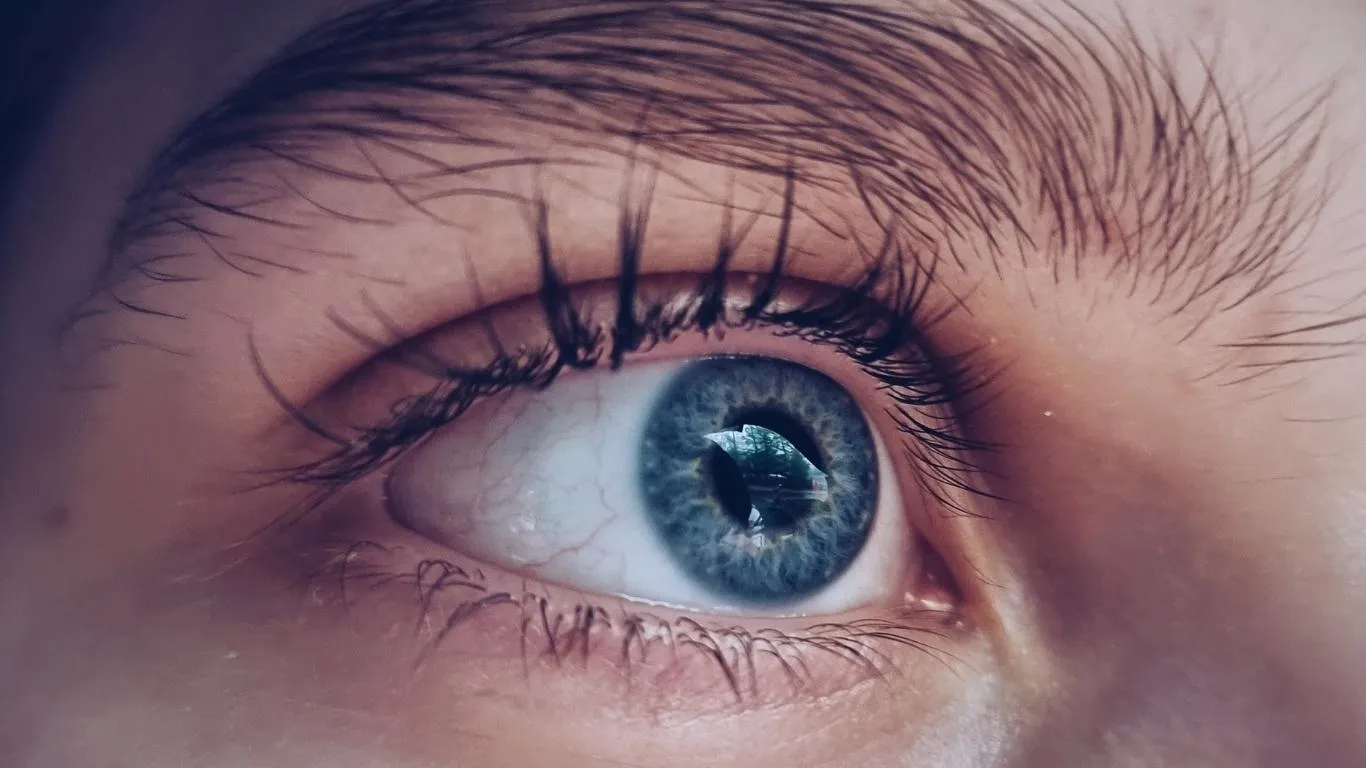
This might sound silly, but the type of lighting you surround yourself with really does impact how visible your floaters become — especially in transitional spaces like parking garages. One of the best things I did was start using diffused LED lights in my garage at home. That harsh spotlight effect? Gone. So were the annoying bursts of floaters right when I walked in from daylight.
Floaters thrive visually in high-contrast zones. If the ceiling is dark and the lights are bright white, your eyes scramble to adjust, and that’s when floaters take center stage. Using softer, warm-toned bulbs or even motion-sensitive lights with dim-up transitions can significantly lessen how often you notice them.
Lighting Tips That Helped Me Personally
- Switched to smart lighting with auto-brightness adjustment
- Avoided fluorescent lights in enclosed spaces
- Used anti-reflective coatings on glasses for night driving
If you’ve noticed your floaters spike when switching light conditions, you’re not alone. This post on floaters and lighting transitions dives into how our vision adapts and why floaters become hyper-visible during that period.
When Floaters Start Affecting Daily Life
If you’ve gotten to the point where floaters are impacting your day — say, you hesitate driving into your office garage or keep blinking to make them disappear — you’re not being dramatic. This is real. And it’s more common than we talk about.
There are even people who experience floaters exclusively in the morning, or in places with low, indirect sunlight — similar to how underground garages are lit. I remember reading this article about floaters being more visible in bright rooms and realizing that my eyes were overreacting to contrast shifts, not brightness itself. That changed how I approached my daily environments.
And let’s talk mental load — constantly seeing something “wrong” in your vision can be exhausting. Persistent floaters and mental health are more connected than we think. I didn’t realize how anxious I was getting until it started affecting my driving focus and confidence at night.
How to Track Floaters — Without Obsessing
One thing that helped me regain a sense of control was tracking my floater activity. Not obsessively, just jotting down when I noticed them more, what lighting I was in, and how I was feeling. Over a few weeks, I started to notice patterns — more floaters after long screen time, fewer after a good night’s sleep, and always worse in dim garages after daylight exposure.
This method helped me identify avoidable triggers. And it gave me better clarity when I finally spoke to an eye specialist about it. If you want a structured approach, here’s a great breakdown on how to track floaters the smart way.
Are There Natural Ways to Ease the Distraction?
Okay, so let’s say you’ve ruled out anything serious. Your retina’s in good shape, no tears, no detachment. You’re still left with the daily annoyance. This is where I dove into the whole “natural remedy” rabbit hole. And while there’s a lot of junk advice out there, a few things genuinely made a difference for me:
- Dietary tweaks — more leafy greens and omega-3s
- Supplements — lutein, vitamin C, magnesium
- Eye movement exercises — to shift floaters out of view
I won’t claim they made mine disappear, but they reduced the frequency and intensity — especially in those low-light spaces. There’s a certain reassurance in feeling proactive about it, too.
When to Get a Professional Opinion
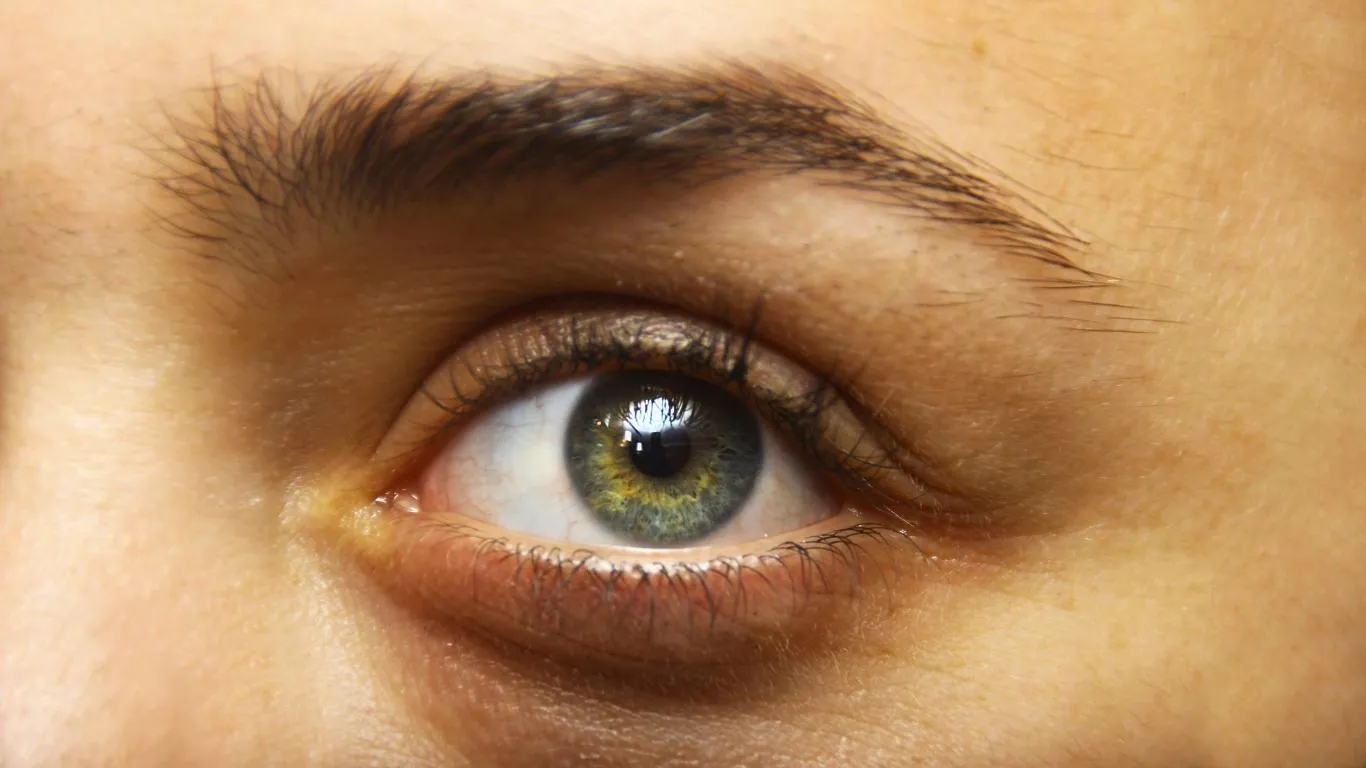
If floaters are starting to show up only in certain lighting but then linger, or if they begin to multiply, it’s probably time to see an ophthalmologist. Especially if they’re accompanied by flashes, peripheral shadows, or a curtain-like blur. These can be early signs of posterior vitreous detachment or worse, which you can read more about here.
Even if your eye doc says they’re harmless, it gives peace of mind — and sometimes, that’s worth more than the diagnosis itself. I remember feeling silly booking the appointment, but walking out, I felt 10 pounds lighter mentally.
Want to Dive Deeper into Floaters?
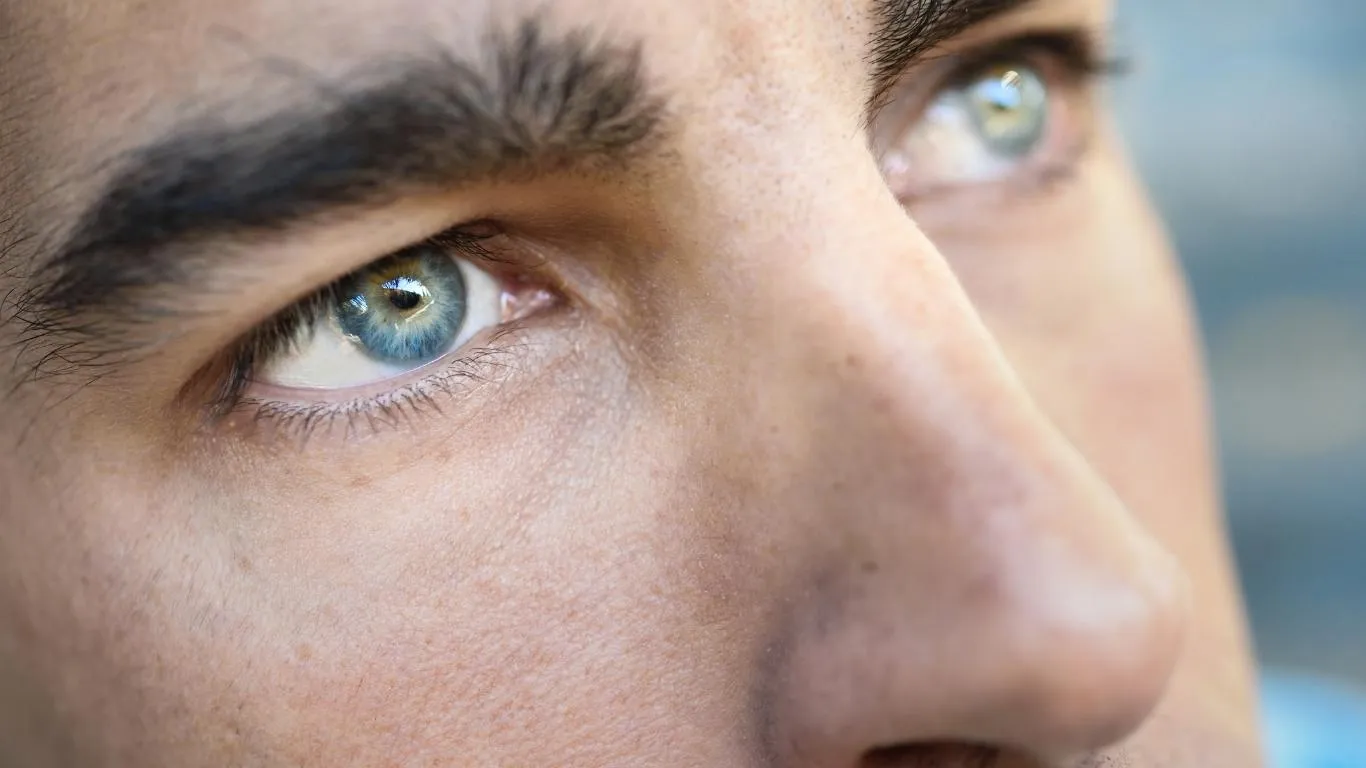
If you’re curious to explore more about how floaters tie into aging, eye structure, and treatment options, I found this comprehensive article a solid starting point: Eye Floaters: Causes, Symptoms, and Treatment Options. And if you’re trying to figure out whether your floaters are typical or linked to lighting quirks like I was, I highly recommend checking this deep dive on how floaters compare to other eye issues. It’s written in a no-fear, totally approachable way.
Bottom line: if you’re noticing floaters more in places like parking garages, you’re not imagining things — and it’s okay to look into it. Your eyes do a lot for you. Noticing what they’re telling you? That’s the least we can do in return.

Camellia Wulansari is a dedicated Medical Assistant at a local clinic and a passionate health writer at Healthusias.com. With years of hands-on experience in patient care and a deep interest in preventive medicine, she bridges the gap between clinical knowledge and accessible health information. Camellia specializes in writing about digestive health, chronic conditions like GERD and hypertension, respiratory issues, and autoimmune diseases, aiming to empower readers with practical, easy-to-understand insights. When she’s not assisting patients or writing, you’ll find her enjoying quiet mornings with coffee and a medical journal in hand—or jamming to her favorite metal band, Lamb of God.