Why You See More Floaters When Experiencing Intense Joy
I’ll never forget the first time I noticed them. I was at my graduation, tears of joy welling up as my name was called—and then, bam. Little threads or translucent squiggles dancing in my field of vision. At first, I thought it was just the lighting or maybe all the emotion. But nope, those were floaters. It’s weird, right? You’re at your happiest and your eyes suddenly decide to remind you they exist. If you’ve ever seen floaters when experiencing intense joy, you’re definitely not alone—and yes, there’s a surprisingly real explanation behind it.
Why Joyful Moments Can Trigger Eye Floaters
We usually associate eye floaters with aging or medical concerns, but they can pop up during emotionally charged moments too. And while happiness isn’t a “disease,” strong emotional shifts can subtly alter how your body—and eyes—function.
Increased Blood Flow and Pupil Dilation
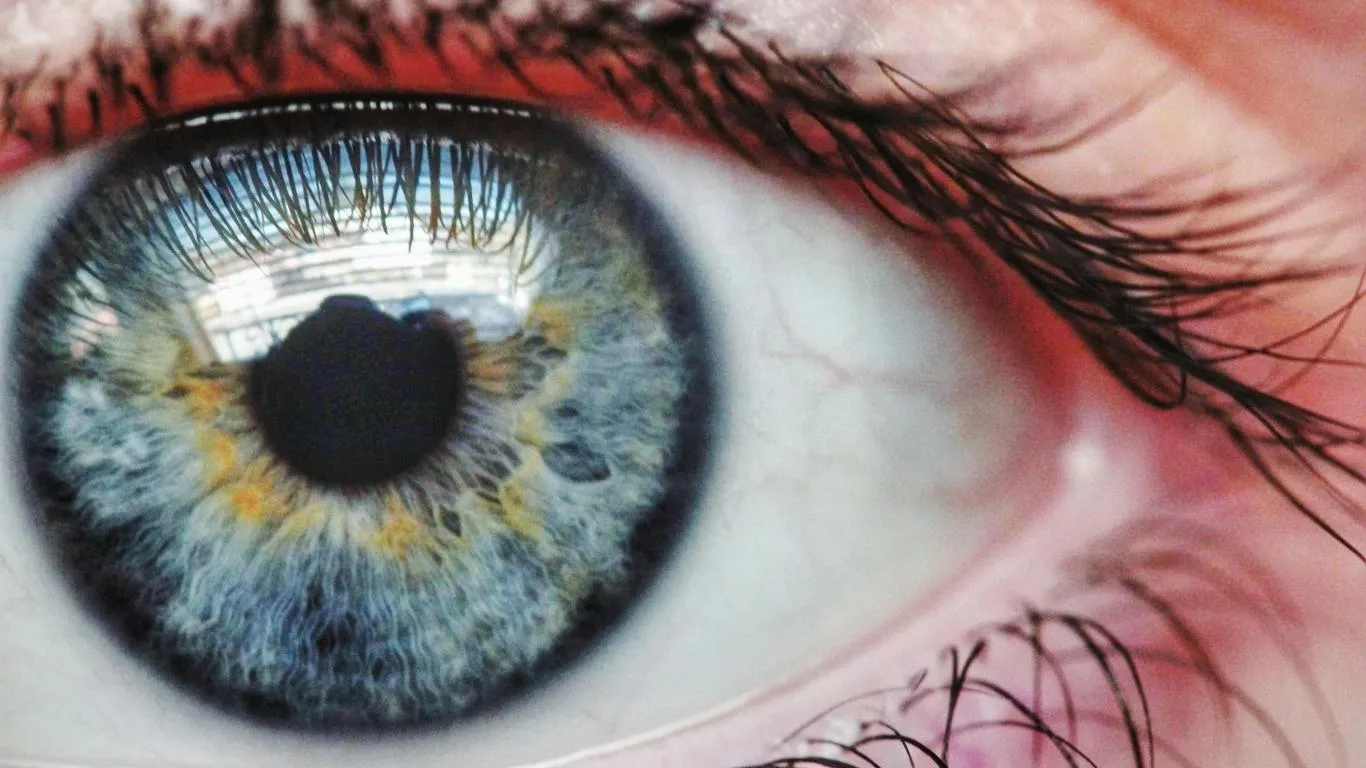
When you’re overwhelmed with joy, your body goes into what’s essentially a light version of the “fight or flight” mode. That rush of emotion boosts heart rate and blood flow, which may slightly dilate your pupils. As your pupils widen, more light floods your retina, making pre-existing floaters more visible.
And if you’ve ever noticed them dancing more vividly when you’re outside in bright light or staring at a blank wall, it’s the same idea. It’s like the emotional brightness brings them out of hiding.
Eye Movements During High Emotion
During moments of excitement or euphoria, our eyes dart around more than usual. We’re scanning faces, tearing up, looking at lights or people, and blinking faster. That rapid motion makes the shadow of floaters more noticeable.
Combine that with high contrast scenes—think of those dazzling stage lights at a concert or the sudden sparkle of a proposal—and floaters can make a surprise appearance right when you’re soaking in the moment.
Are Emotional Floaters Something to Worry About?
For the most part, floaters that show up during joy (or any intense feeling) aren’t inherently dangerous. But it’s important to understand your own baseline. If you already have floaters and they’re usually not bothersome, these occasional bursts during happy events are likely nothing new—just more noticeable.
However, if you experience floaters with no other vision symptoms most of the time, but notice a sudden storm of them after an emotional spike, it’s smart to pay attention.
Signs You Shouldn’t Ignore
- Sudden increase in floaters out of nowhere
- Floaters accompanied by flashes of light
- A dark curtain or shadow entering your vision
- Blurred vision that doesn’t clear up
If you see any of the above, regardless of how joyful the moment was, schedule an eye exam immediately. You could be looking at the early signs of retinal detachment or a vitreous issue that needs quick action.
How to Reduce the Visual Distraction During High Emotions
Okay, so floaters aren’t dangerous (usually), but let’s be real: they’re distracting as heck—especially when they hijack a joyful memory. Here’s what’s worked for me and others who’ve dealt with the same unexpected interference during happy moments.
- Blink consciously. Blinking can sometimes reposition the floater out of your direct line of sight.
- Avoid looking at blank or bright surfaces during high-emotion moments. They just make floaters stand out more.
- Practice eye rolling exercises or gentle eye rotations after the moment passes. This helps shift floaters.
- Hydration helps! Strange as it sounds, dehydration makes floaters worse. Keep a bottle nearby.
If you’ve ever gone on a happy crying spree and then noticed them afterward, that’s no coincidence. Crying can slightly alter eye pressure and hydration levels, triggering more visible floaters temporarily.
Emotional Health and Your Vision
This isn’t something many eye doctors talk about, but how you feel emotionally can impact your perception visually. Some researchers believe that floaters might become more visible during mood swings or high-adrenaline situations, even if nothing’s physically changing in the vitreous.
One recent conversation I had with a vision therapist even suggested that floaters may become more pronounced in people with a history of visual stress or light sensitivity. It’s not mainstream science yet, but it’s worth noting—especially if you notice these patterns too.
If this is something that concerns you, you might want to check out this piece on how to recognize floater symptoms you shouldn’t ignore. It’s a fantastic breakdown of when floaters are normal and when they deserve attention.
Also, the main explainer on what causes eye floaters and how they’re treated is a must-read if you’re just starting to notice them more frequently—whether during emotional highs or otherwise.
And if you’re wondering about other unexpected triggers, you might be surprised by what you find in this in-depth guide on how smoking increases eye floaters. It’s not just emotion that stirs them up.
What If Joyful Moments Keep Bringing Floaters?
Here’s where things get a little personal. After a few more episodes—like seeing floaters pop up while laughing uncontrollably with my friends or during a really uplifting song—it stopped being a random occurrence and started feeling like a pattern. It’s not that joy caused the floaters, but it sure seemed to bring them out more often than usual.
If this sounds familiar, the good news is: it doesn’t mean anything is wrong with your eyes. But it does mean your visual system is highly reactive to internal changes like adrenaline spikes, pupil dilation, or emotional arousal. That heightened awareness is actually a testament to how finely tuned your body is.
Can Floaters Become More Frequent Over Time?
They might. As we age—or if we’ve had a history of strain or trauma—the gel in our eye (vitreous) slowly breaks down, making floaters more likely. That said, emotional episodes don’t physically create floaters—they just make them more obvious in that moment.
There’s even a connection between floaters and subtle changes in your retinal environment that may flare up unpredictably. If joy seems to bring them out, don’t panic—it’s often just a reflection of what’s already floating in your field of view.
When Joy Turns into Visual Anxiety
Here’s where it gets real: noticing floaters during positive events can start to mess with your head. You begin to anticipate them. A moment that should be joyful becomes clouded—literally and emotionally. I’ve been there. You look up at the sky during a celebration and instead of fireworks, you’re tracking those annoying squiggly things again.
This low-key anxiety around floaters has a name—visual stress response. It’s not about fear of going blind. It’s more about losing the ability to stay present. That hyperawareness hijacks the moment.
Managing the Mental Side of Floaters
- Practice grounding techniques like slow blinking or deep breathing
- Remind yourself that floaters aren’t harmful, just annoying
- Focus on peripheral vision rather than directly looking for floaters
- Try stress-reduction techniques that ease floater anxiety
Some folks find relief in softening their gaze or avoiding over-analytical habits like staring at blank ceilings. Try being kinder to your eyes, especially during powerful emotional experiences.
Floaters + Joy + Screens: A Triple Combo
Ever gotten good news while on a video call or been surprised by a heartfelt message over text—and then bam, there they are again? Floaters love showing up when joy meets digital light.
The combination of emotional adrenaline, backlit screens, and eye movement is like a recipe for visual distraction. Add in the high contrast of a bright screen on dark mode, and those translucent floaters might feel impossible to ignore.
You’re not imagining it. Studies have hinted that long screen use without blinking can make floater perception worse, especially during high-stress or high-emotion interactions.
How to Handle Floaters During Digital Joy Moments
- Increase ambient lighting when on screens
- Use blue light filters or glasses to soften contrast
- Don’t stare into blank video call backgrounds for too long
- Pause for blinking breaks even during the best moments
Seriously, just a 5-second blink-and-breathe routine helped me stop associating joy with eye distraction. I even took breaks in Zoom calls right after big emotional updates. It works.
Supporting Your Eyes Long-Term
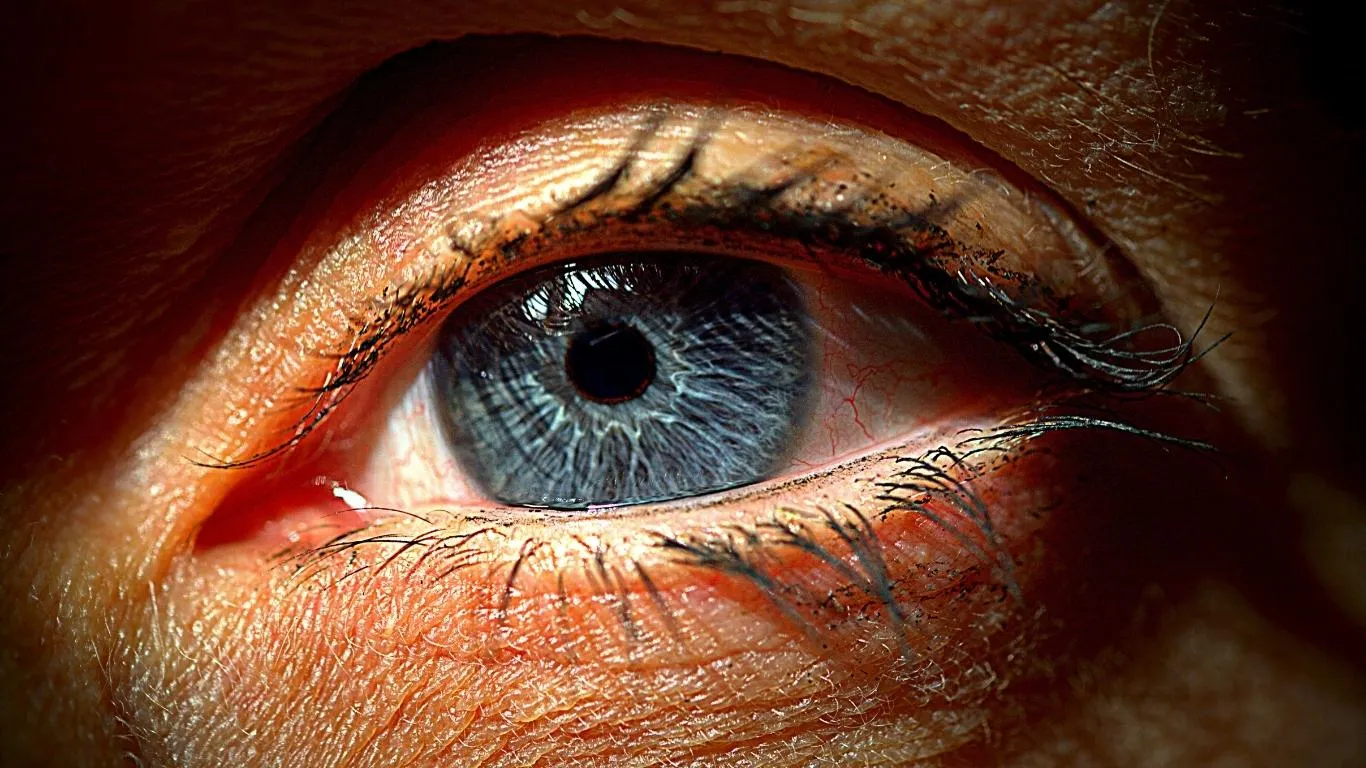
If joyful moments frequently bring floaters to the front of your vision, long-term strategies are key. There’s no magic cure for floaters, but there are ways to manage your eye health so they become less noticeable—or at least less annoying.
Lifestyle Tips That Actually Help
- Hydration: Helps maintain healthy vitreous gel
- Sleep: Floaters often feel worse when you’re tired or sleep-deprived
- Reduce blue light exposure—especially after sunset
- Omega-3s & Lutein: Found in foods that support eye health
You might also find value in the natural perspective offered here: natural ways to manage floaters. It breaks down what’s legit and what’s not—without selling miracle cures.
Floaters Don’t Have to Dim the Brightest Moments
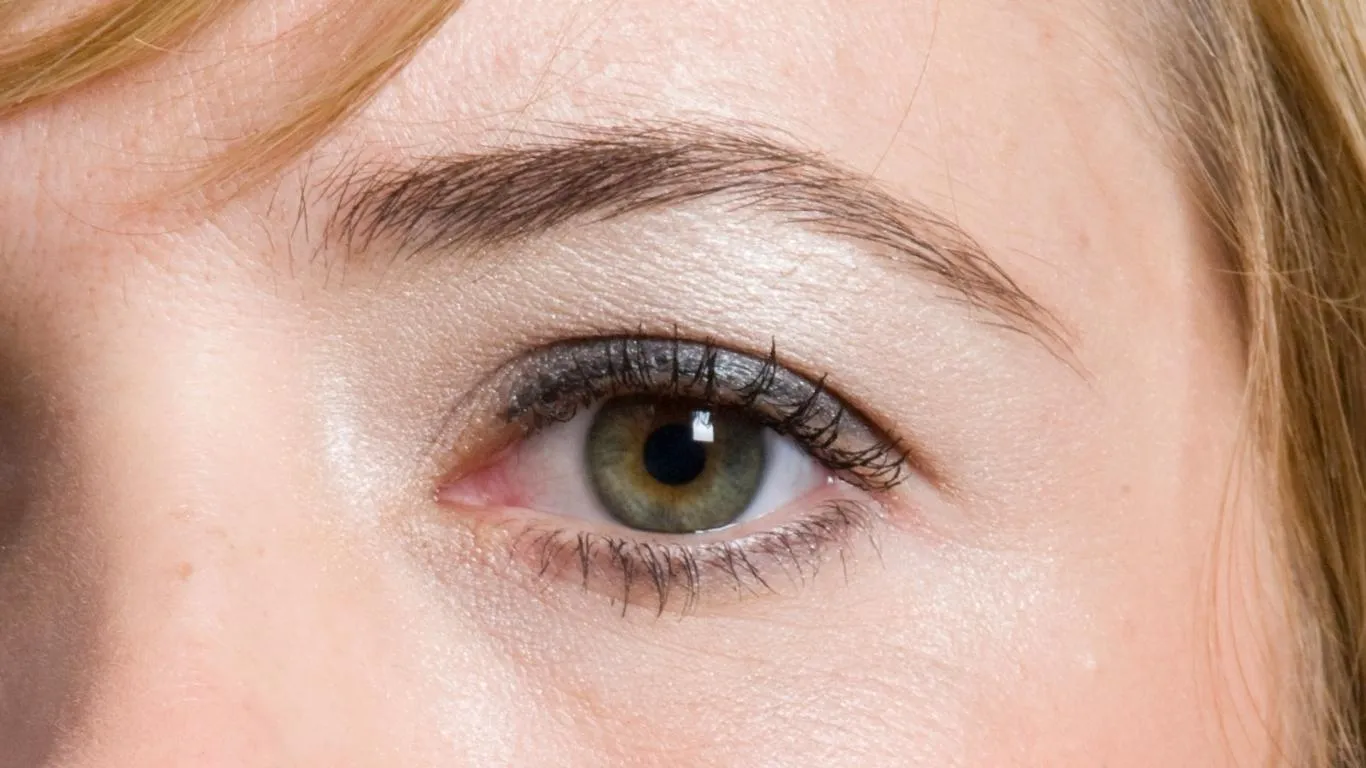
It’s ironic, isn’t it? Joy should be unfiltered—pure and present. And yet these tiny, floating distractions can pull you out of it. But here’s the thing: they don’t define the moment. With a little awareness and support, floaters become background noise, not the main character.
Whenever mine show up now—like during a good laugh, an emotional movie, or a surprise celebration—I blink, shift my gaze, and remind myself: this is just part of the experience. Not a flaw. Just… me, seeing life in full spectrum.
If your floaters feel different than usual or show signs of escalation, don’t hesitate to explore the full picture at this complete floaters guide. And if you’re curious about the overlap between emotions, symptoms, and eye health, there’s a must-read on when floaters might signal something more.

Camellia Wulansari is a dedicated Medical Assistant at a local clinic and a passionate health writer at Healthusias.com. With years of hands-on experience in patient care and a deep interest in preventive medicine, she bridges the gap between clinical knowledge and accessible health information. Camellia specializes in writing about digestive health, chronic conditions like GERD and hypertension, respiratory issues, and autoimmune diseases, aiming to empower readers with practical, easy-to-understand insights. When she’s not assisting patients or writing, you’ll find her enjoying quiet mornings with coffee and a medical journal in hand—or jamming to her favorite metal band, Lamb of God.