Why Floaters Get Worse When Eyes Are Exposed To Steam
So, this happened to me a few months ago—after a long, hot shower (you know, the kind where the mirror’s fully fogged up and it feels like a free spa day), I stepped out, blinked a few times, and noticed these weird floaty shapes drifting across my vision. I thought it was just my glasses fogging or leftover mist. But nope—they were still there hours later. That’s when I started digging into this strange link between steam exposure and floaters. If you’ve ever wondered whether hot steam from showers, saunas, or even facial steaming could mess with your eyes, you’re definitely not alone.
Can Steam Really Cause Floaters to Appear or Worsen?
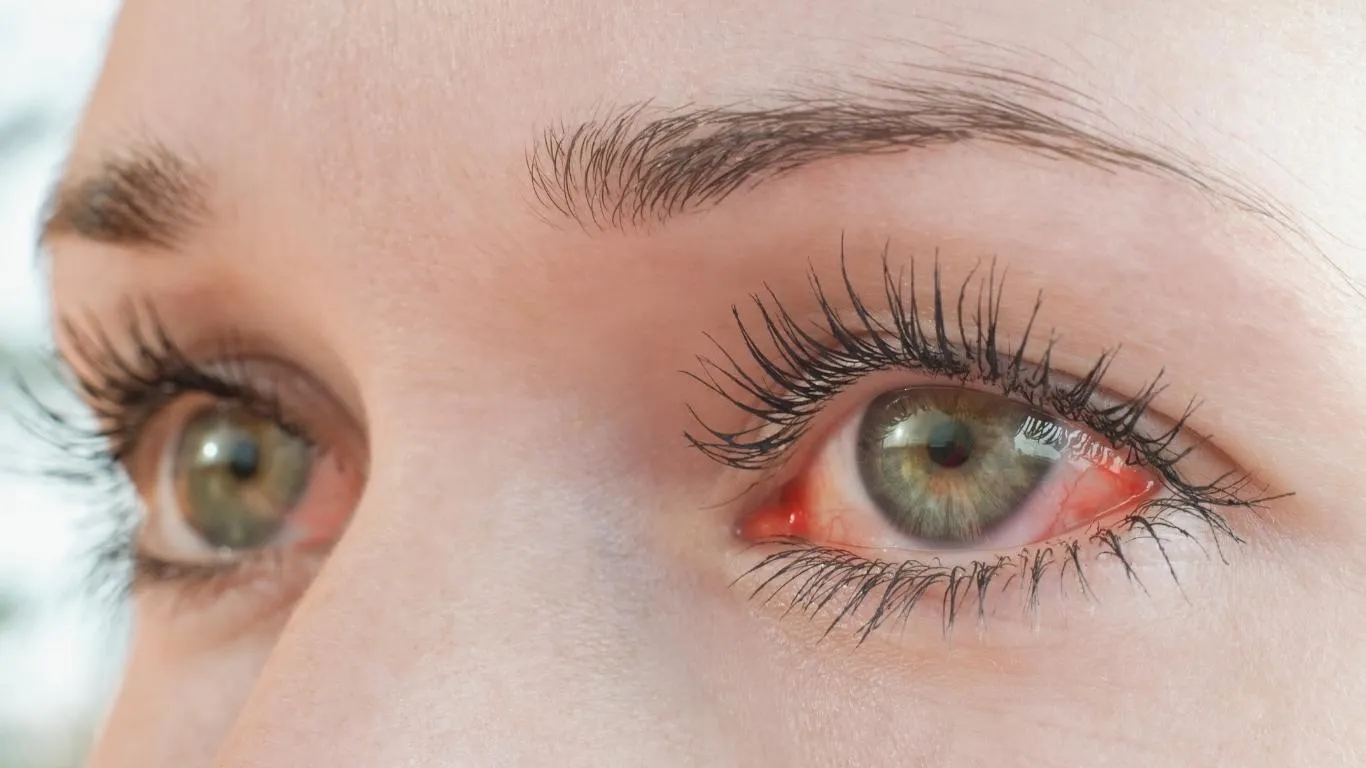
First things first: steam itself doesn’t *cause* floaters from scratch. But what it can do is make existing floaters more noticeable—or bring them out into your visual field when they were quietly lurking in the background. That’s because steam can create temporary changes in eye pressure, humidity levels, and even surface hydration of the eyes.
If you’ve ever stood over a boiling pot or sat in a steam room and suddenly felt your vision shift or blur slightly, it’s not your imagination. For people already prone to floaters, this can be the perfect storm (no pun intended) to make them flare up.
Why Does This Happen?
Steam raises the temperature and humidity in the environment surrounding your eyes. This may affect:
- Vitreous consistency: The gel-like substance inside your eye can shift slightly under heat and pressure changes.
- Light refraction: Water vapor can scatter light in a way that makes floaters stand out more.
- Eye strain: Heat may cause you to squint or adjust focus more often, enhancing floater perception.
One study published on ncbi.nlm.nih.gov even noted how sudden thermal changes might temporarily affect intraocular tension and peripheral vision sensitivity—making you more aware of things you usually ignore, like floaters.
Real Triggers in Steamy Situations
Not all steam is created equal. Here’s where you’re most likely to encounter issues with floaters popping up or intensifying:
- Hot showers – Especially when you let the bathroom fog up like a jungle. Been there, done that, floaters included.
- Facial steaming devices – These direct bursts of hot vapor very close to your eyes. Not great.
- Saunas & steam rooms – Your whole body’s relaxing, but your eyes might be screaming for help.
- Cooking over boiling pots – Watch out for pasta water and stock pots; even brief exposure can be enough to stir things up—literally.
People with prior eye trauma or surgery are even more likely to notice steam-triggered visual effects.
What’s Actually Going On Inside the Eye?

Here’s a simplified breakdown: the vitreous humor—the jelly-like stuff inside your eye—can become more fluid or mobile when subjected to heat. Think of it like Jell-O that’s been left out of the fridge. Not entirely melted, but a bit more wobbly. That subtle movement can shift collagen fibers or cellular debris in a way that casts shadows on your retina, which is what you actually perceive as floaters.
And if you’re already dealing with early-stage posterior vitreous detachment, which is super common in people over 40, then yeah—steam could be the spark that turns “barely noticeable” into “hey, what is THAT in my vision?”
Temporary or Long-Term: Should You Worry?
In most cases, floaters that appear after steam exposure are temporary in visibility, not new in formation. But if they hang around for days or start multiplying, it’s time to take them seriously. That might signal an underlying issue like post-surgical inflammation, early retinal issues, or vitreous degeneration.
I once tried using a steam facial device for a week straight (bad idea). By day five, I had these large, stringy floaters dancing around like little jellyfish. Took a break, upped hydration, used some natural anti-inflammatory drops, and they faded in about 10 days. Lesson learned.
When to Get Checked
- Floaters appear suddenly and are large or numerous
- They come with flashes of light or peripheral shadowing
- You’ve had recent eye surgery or trauma
- Vision is cloudy, distorted, or you see a “curtain” effect
If any of those sound familiar, don’t wait. Steam may have made them more visible, but something deeper might be at play. This guide breaks down when floaters are actually a red flag.
Other Little-Known Factors That Make Steam-Related Floaters Worse

Besides the heat itself, here are a few other culprits you might not have considered:
- Dehydration: Steam exposure makes you sweat, even if you don’t notice. Less hydration = less eye fluid balance.
- Allergic eye reactions: Steam can trigger allergies or flush allergens into the eyes, leading to inflammation.
- Prolonged eye focus: Like staring at yourself in the fogged mirror too long (we’ve all done it).
In fact, dehydration alone is a major floater risk, steam or no steam.
For those digging deeper, the comprehensive breakdown of eye floaters causes, symptoms, and treatment options from our main guide is a great place to explore more medical context.
And if you’re trying to tell whether what you’re seeing is even a floater or something more serious, here’s how to distinguish floaters from other eye issues like flashers or shadows.
So, Can You Prevent Steam-Triggered Floaters?
Yep, you totally can. Floaters may be sneaky little things, but managing the environment around your eyes makes a real difference. From my experience (and way too many steamy mistakes), it’s not about eliminating all heat or moisture—just making smarter choices about how and when you expose your eyes to it.
Simple Tweaks That Actually Help
- Keep bathroom doors open during showers to reduce steam buildup.
- Use cooler water more often—it’s a bonus for your skin too.
- Don’t aim steam devices directly at your face. Sounds obvious, but guilty as charged.
- Invest in an exhaust fan or ventilation upgrade if you’re a sauna addict.
These changes helped me go from noticing floaters every single shower to barely seeing them once a week. It’s not magic—it’s just minimizing steam concentration near your eyeballs.
What About Supplements and Diet?

While there’s no FDA-approved “floater fixer” in pill form, I’ll say this: certain nutrients made my eyes feel way less reactive to stress, strain, and even heat. Think of them as part of a vision-friendly lifestyle, not a cure-all.
Nutrients Worth Trying
- Omega-3s: Excellent for vitreous hydration and anti-inflammatory support.
- Vitamin C: Keeps collagen healthy, which is basically what your floaters are made of.
- Lutein & Zeaxanthin: Filters harmful light and supports retina health.
- Magnesium: Helps reduce eye strain and tension-related spasms.
There’s a full breakdown of what works and why in this guide to the best supplements for floaters—I recommend it to anyone fed up with visual debris.
When Is It Time for a Pro Opinion?
If you’ve ruled out dry air, poor lighting, allergies, and you’ve cut back on long steamy showers—but floaters are still crashing your vision party? That’s when an eye doc needs to step in.
Get your eyes checked if:
- You see floaters only in one eye (yep, it matters)
- There are “curtain” effects, flashes, or black spots
- Floaters increase rapidly over a few days
- Vision gets blurry or distorted at the same time
Sometimes, what looks like floater trouble is actually something more serious—like early retinal detachment or vitreous hemorrhage. And yes, both systemic infections and physical strain from steam exposure can trigger these if you’re already at risk.
What Eye Experts Say About Steam and Floaters
I asked my ophthalmologist during a regular checkup if steam could really mess with floaters. Her answer? “Steam doesn’t create floaters, but it can reveal them.” That stuck with me. Because it means what you’re seeing might’ve been there the whole time—just invisible until the right (or wrong) conditions brought them to light.
Also, she emphasized the importance of knowing whether what I was dealing with were true floaters or symptoms of another issue, like dry eye flare-ups, corneal spots, or migraines.
Tips That Actually Worked For Me
So here’s the short version of what I’ve personally tried and found useful over time:
- Shorter showers (less than 10 minutes, slightly cooler water)
- Anti-glare glasses to minimize refractive distortion in steamy environments
- Keeping a fan running even in the bathroom
- Hydration: Like seriously drinking water before and after sauna use
- Warm compress instead of facial steamers when pampering skin
If you’re looking to dig deeper into all the various common causes of eye floaters, you’ll find steam fits into the broader picture of lifestyle factors that subtly nudge your eye health off track.
One More Thing: Don’t Ignore Lighting
You may notice floaters more in certain lighting—and guess what? Steam diffuses light, often amplifying those little shadows on your retina. Bright, diffused lighting is a known trigger for many people. Try softer light bulbs or light-filtering blinds near your bathroom mirror or vanity.
Steam doesn’t just fog your mirror—it fogs your visual awareness. That’s why you may not even notice floaters until those warm, misty moments.
In Case You’re Wondering: Are Floaters Ever a Good Sign?
Strangely, yes. Sometimes floaters are your body’s way of saying, “Hey, slow down.” For me, they appeared most often when I was dehydrated, overworked, or sleeping poorly. They were like a warning signal—subtle, but real. Listening to them got me to adopt better habits that helped beyond just my eyes.
But again, don’t assume. The best thing you can do is notice the patterns, adapt, and always have your eyes checked if anything feels off.
If you’re new to floaters in general or you want the whole lowdown—symptoms, risk factors, and treatment options—the main floaters guide has everything you need to know in one place.

Camellia Wulansari is a dedicated Medical Assistant at a local clinic and a passionate health writer at Healthusias.com. With years of hands-on experience in patient care and a deep interest in preventive medicine, she bridges the gap between clinical knowledge and accessible health information. Camellia specializes in writing about digestive health, chronic conditions like GERD and hypertension, respiratory issues, and autoimmune diseases, aiming to empower readers with practical, easy-to-understand insights. When she’s not assisting patients or writing, you’ll find her enjoying quiet mornings with coffee and a medical journal in hand—or jamming to her favorite metal band, Lamb of God.