Why Floaters Get Worse When Facing LED TV in a Dark Room
Ever sat down for a late-night binge session, switched off the lights, and stared at your LED TV—only to notice these weird, squiggly things dancing across your vision? Yeah, me too. It’s like your eyes have their own private fireworks show the moment you relax. These mysterious “floaters” when facing an LED TV in a dark room aren’t just annoying—they can be seriously distracting. But what’s really going on?
Why Floaters Get Worse in a Dark Room with an LED Screen
There’s something oddly specific about how floaters seem to show up when you’re watching TV in the dark. The contrast between the bright LED screen and the surrounding darkness makes floaters more noticeable. This isn’t just anecdotal—it’s all about how your eye adapts to light and how your brain processes contrast. When your pupils dilate in a dim environment, floaters become more prominent as more light hits the vitreous floaters inside your eyes. They cast shadows on your retina, making them appear bolder and darker than usual.
LED TVs, by nature, produce sharp brightness that punches through low-light settings. That stark contrast? It’s like a spotlight for those translucent squiggles. If you’ve ever noticed floaters while using your phone in a dark room, the mechanism is the same.
What’s Really Causing Those Floaters?
In short, floaters are tiny clumps of collagen or gel that form inside your vitreous—the jelly-like substance filling the middle of your eye. Over time (or sometimes suddenly), the vitreous begins to shrink or liquefy, pulling away from the retina and leaving behind these floating particles.
But Why Do They Appear So Vivid on Screens?
It’s all about contrast and ambient light. When you’re looking at an LED screen in a pitch-dark room, your retina is flooded with bright light from a single source. Everything else is in deep shadow, so even the smallest shadow cast by a floater becomes crystal clear. That’s why floaters seem invisible in daylight but come alive in the dark.
It’s Not Just You
Turns out, this is a lot more common than you’d think. According to American Academy of Ophthalmology, floaters are a normal part of the aging process. But they can also happen after eye injury, surgery, or even extreme fatigue. I used to think I was overworking my eyes or just seeing things—but after my third episode during a late-night movie, I started digging into the science behind it.
Are LED Screens Making the Problem Worse?
Not directly—but indirectly, yes. Prolonged exposure to intense LED brightness in a dim room can cause eye strain, which doesn’t cause floaters per se but makes you hyperaware of them. When your eyes are tired, and you’re focusing on a luminous screen, you become far more sensitive to minor disturbances in your visual field.
In fact, people often confuse this with digital eye strain, but if the floaters persist even when you blink or shift your eyes, it’s likely a floater issue. In extreme cases, eye strain might even lead to temporary dry eye or fatigue, which further amplifies how floaters are perceived. If this sounds familiar, check out this guide on post-screen-time floaters.
When Should You Be Concerned?
If you suddenly see a shower of new floaters, flashes of light, or a curtain-like shadow creeping into your vision, that’s not normal. That could be a sign of a retinal tear or detachment, which is a medical emergency. Floaters that stay consistent and don’t come with other symptoms are usually benign—but a sudden change in pattern deserves a professional look.
For more on how to differentiate floaters from other eye issues, you’ll want to check out this comparison guide.
What Helps? Tips to Minimize Floaters During LED Screen Time
- Turn on ambient lighting: Don’t watch in pitch dark. A soft lamp behind your TV can reduce contrast.
- Adjust screen brightness: Lower the brightness so the contrast with your dark room isn’t as sharp.
- Take breaks: Follow the 20-20-20 rule. Every 20 minutes, look at something 20 feet away for 20 seconds.
- Eye exercises: Gentle circular motion and focus-shifting exercises might not remove floaters, but they can reduce strain and increase eye fluid circulation. See these proven exercises.
Some people swear by using screen filters or blue-light-blocking glasses, but keep in mind these don’t eliminate floaters—they just make screen time more comfortable.
Want to Know What Else Could Be Behind Your Floaters?
There’s a surprisingly wide range of possible causes—from diabetes-related changes to stress-induced symptoms and even inflammation after viral infections. My floaters were pretty mild until I started noticing them getting worse after back-to-back Zoom calls or intense scrolling in bed.
To dive deeper into common causes and whether your case is something to monitor or act on, read this breakdown of eye floater causes.
And for a broader understanding of how floaters develop, when they signal something serious, and the full range of treatments (from doing nothing to surgery), the guide on what are eye floaters covers it all in plain English.
Natural Ways to Ease Floaters—Do They Really Work?
If you’ve Googled this even once, you’ve probably seen a flood of home remedies and supplements that claim to clear floaters. I’ve personally tried a few out of desperation—some felt like they helped, others were just wishful thinking. But let’s talk facts. While there’s no scientific “cure” for floaters at home, certain habits and nutrients may improve how you perceive them or slow down their progression.
Here’s what might actually make a difference:
- Hydration: This sounds basic, but staying hydrated helps maintain the consistency of the vitreous humor, potentially reducing the density of floaters. Dehydration might make them appear darker or more frequent. That’s exactly what this article on dehydration and floaters dives into.
- Lutein and Zeaxanthin: Found in leafy greens and supplements, these antioxidants may protect your retina and overall eye health.
- Omega-3s: I started taking these for dry eye relief but noticed my floaters weren’t as intrusive during screen time. Coincidence? Maybe, maybe not. There’s growing research around Omega-3s and floaters.
- Blue light filters: While not a cure, they make screens easier on the eyes and can reduce perceived floater activity, especially during night use.
If you’re interested in digging into what the science says versus what’s just Internet noise, this breakdown is refreshingly honest.
How Lighting Conditions Affect Floaters
Let’s get something straight: floaters aren’t more numerous at night—they’re just easier to see. Especially when you’re watching a bright screen in a pitch-black room. That’s why floaters are most commonly noticed in these situations:
- Looking at bright, plain surfaces: Like white walls or the sky. Or yep, an LED TV in a dark room.
- When your pupils are dilated: Darkness causes dilation, making even small floaters more visible.
- With extreme contrast: Think black background with white subtitles or a bright screen against a dark room. I used to think my floaters were multiplying—turns out, I was just watching too much true crime with subtitles at night.
There’s also a subtle shift during seasonal lighting. Floaters tend to stand out more during long, dark winter evenings. That might explain why I barely noticed them all summer, but come November? Boom—right there dancing across the screen again.
When LED Screens Could Be a Red Flag
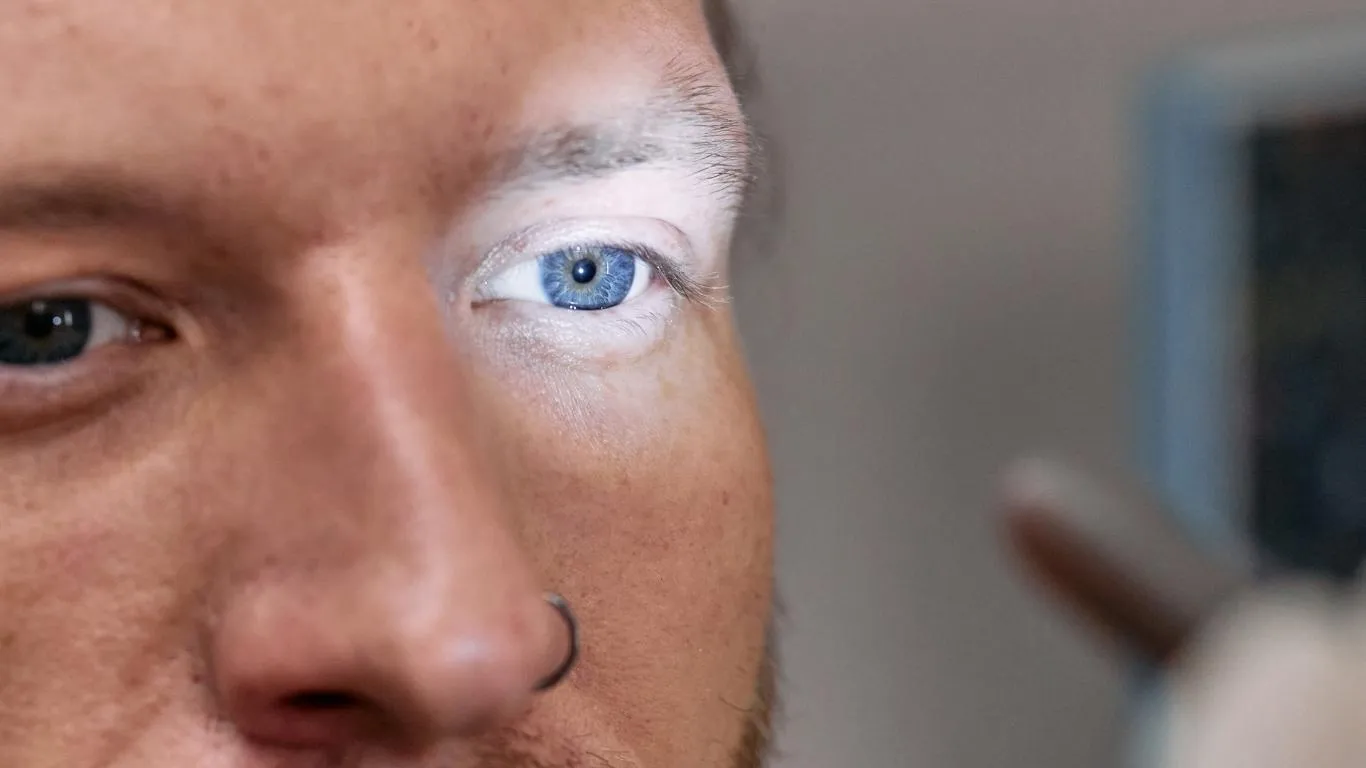
Most floaters are harmless. Annoying, yes. Dangerous? Usually not. But if your floaters seem to intensify only when watching LED screens—or if they start coming with sharp pain, light flashes, or side vision loss—it’s time to pay attention.
Issues like posterior vitreous detachment or retinal tears can sneak up on people who write off symptoms for too long. I almost ignored mine until the floaters turned into big blotchy shapes I couldn’t “unsee.” Thankfully, a retinal scan caught the issue early.
So yes, a trip to the eye doc might feel like overkill—but if your floaters suddenly start flashing, moving faster, or get darker after screen time, don’t brush it off.
Medical Treatments If Floaters Take Over Your Life
For the 1% of us who just can’t cope with floaters—especially if they interfere with reading, driving, or watching TV—there are more aggressive options:
Vitrectomy
This is the big one. A surgery where the vitreous is removed and replaced with a clear solution. It’s effective, but it’s also invasive and carries risks like retinal detachment or infection. Most docs won’t recommend this unless floaters are truly debilitating.
Laser Vitreolysis
A less invasive option that uses laser to break up floaters. It’s not widely available and doesn’t work for all types of floaters, but some patients report dramatic improvements. For more on treatment options and what’s safe versus hype, I’d highly recommend this medical guide.
Daily Habits That Can Keep Floaters from Getting Worse
Even if you’re not ready for surgery or even supplements, there’s a lot you can do to manage your floaters, especially when using LED screens in low-light conditions.
- Keep your eyes moist: Artificial tears can help reduce the intensity of visual floaters in dry eyes.
- Avoid rubbing your eyes: This seems innocent, but chronic eye rubbing is linked to worsening floaters.
- Watch your lighting setup: A backlit TV setup or ambient lamp can make all the difference when it comes to comfort and floater visibility.
- Get regular eye exams: Floaters might not need treatment, but that doesn’t mean they shouldn’t be monitored.
And if you’re wondering whether the floaters will go away—some do. I’ve had a few that disappeared completely after a few months. Others faded into the background as my brain learned to ignore them. That mental adaptation is a real thing, by the way, and often overlooked.
For a better understanding of how these visual gremlins evolve over time, check out the full guide on what are eye floaters.

Camellia Wulansari is a dedicated Medical Assistant at a local clinic and a passionate health writer at Healthusias.com. With years of hands-on experience in patient care and a deep interest in preventive medicine, she bridges the gap between clinical knowledge and accessible health information. Camellia specializes in writing about digestive health, chronic conditions like GERD and hypertension, respiratory issues, and autoimmune diseases, aiming to empower readers with practical, easy-to-understand insights. When she’s not assisting patients or writing, you’ll find her enjoying quiet mornings with coffee and a medical journal in hand—or jamming to her favorite metal band, Lamb of God.