Why Floaters When Holding Breath Feel Worse And How To Manage
Ever noticed how when you’re holding your breath, those annoying specks or threads start floating across your vision? I’ve been there too — it’s like they wait for that moment of stillness to make their grand entrance. These little floaters when holding breath aren’t just some random trick of the eye; there’s an actual reason your vision pulls this sneaky move. Let’s dive into why this happens, what’s going on inside your eyes, and whether you should be worried (or just mildly annoyed, like me).
What Are Eye Floaters and Why They Get Noticed When Holding Your Breath?
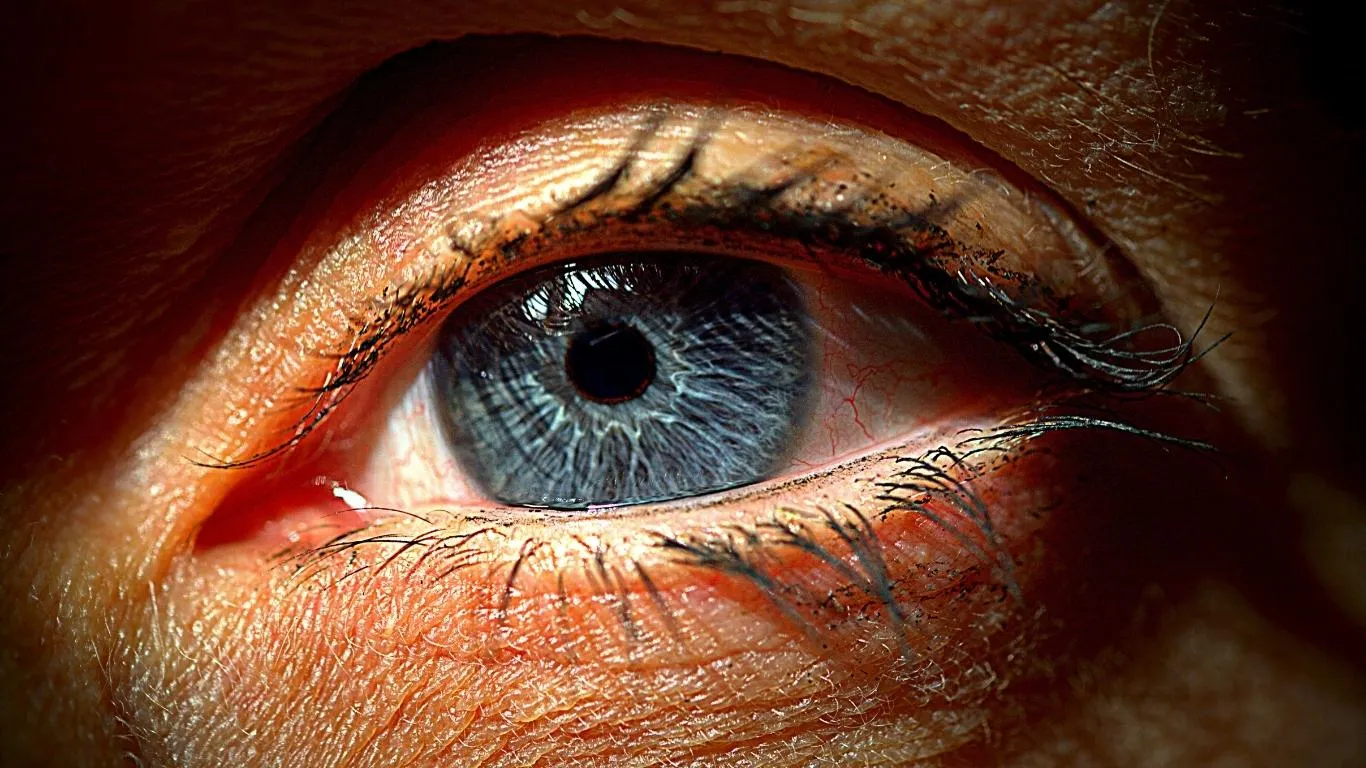
First things first, eye floaters are those shadowy specks, cobwebs, or string-like shapes that drift around your field of vision. They’re caused by tiny clumps of gel or cells inside the vitreous — the clear, jelly-like substance filling your eyeball. Normally, your brain filters them out, but certain conditions (like holding your breath) make them super noticeable.
Here’s where it gets interesting. When you hold your breath, your body reacts with subtle changes in oxygen levels and intraocular pressure. This slight disruption can cause your floaters to become more visible. It’s not that new floaters are forming in that instant, but rather the existing ones get highlighted because of how light enters the eye and interacts with the vitreous.
The Connection Between Breath Holding, Oxygen Flow, and Eye Floaters
Holding your breath reduces the oxygen supply momentarily. This isn’t a huge problem unless you’re doing it for extended periods, but even short holds can affect how the light reflects off particles floating in your vitreous. The result? You suddenly see those floaters that are usually hiding in the background.
I first noticed this while practicing yoga breathwork — every time I paused in the breath-hold, boom! There they were, parading across my line of sight. After a bit of panicking (and a deep dive into how age-related vitreous changes cause floaters), I learned it’s quite a common phenomenon.
Why Does It Happen Only Sometimes?
Not everyone will notice floaters every time they hold their breath. A few factors play a role here:
- Lighting Conditions: Floaters are more noticeable against bright, plain backgrounds — like looking at the sky or a white wall.
- Hydration Levels: Dehydration makes vitreous shrink, making floaters worse. (Read more about dehydration’s impact on floaters.)
- Individual Sensitivity: Some people’s eyes are just more sensitive to these changes.
Is It a Sign of a More Serious Problem?
The good news? In most cases, floaters when holding breath are harmless and more of an annoyance than a red flag. However, if you experience a sudden burst of new floaters, flashes of light, or any form of curtain-like vision loss, it’s time to see a doctor immediately. These can be symptoms of retinal detachment — a serious condition.
Understanding the difference is crucial, and I found this guide on eye floaters versus other eye problems to be extremely helpful when I was freaking out about my symptoms.
Common Triggers That Amplify Floaters During Breath Holding
- Straining or Tensing Up: When you hold your breath while lifting or during intense focus, eye pressure subtly shifts.
- Stress and Fatigue: Already tired eyes are more likely to reveal floaters. (Yes, they love to show up when you’re already stressed out!)
- Posture and Blood Flow: Slouching or certain yoga poses can restrict blood flow, accentuating floater visibility.
Fun fact: breath holding during activities like swimming or meditation tends to bring floaters to the surface more. I found an insightful article explaining why floaters during breath-hold underwater feel more prominent — it’s all linked to pressure dynamics inside the eye.
Simple Habits That Help Reduce Floater Distractions
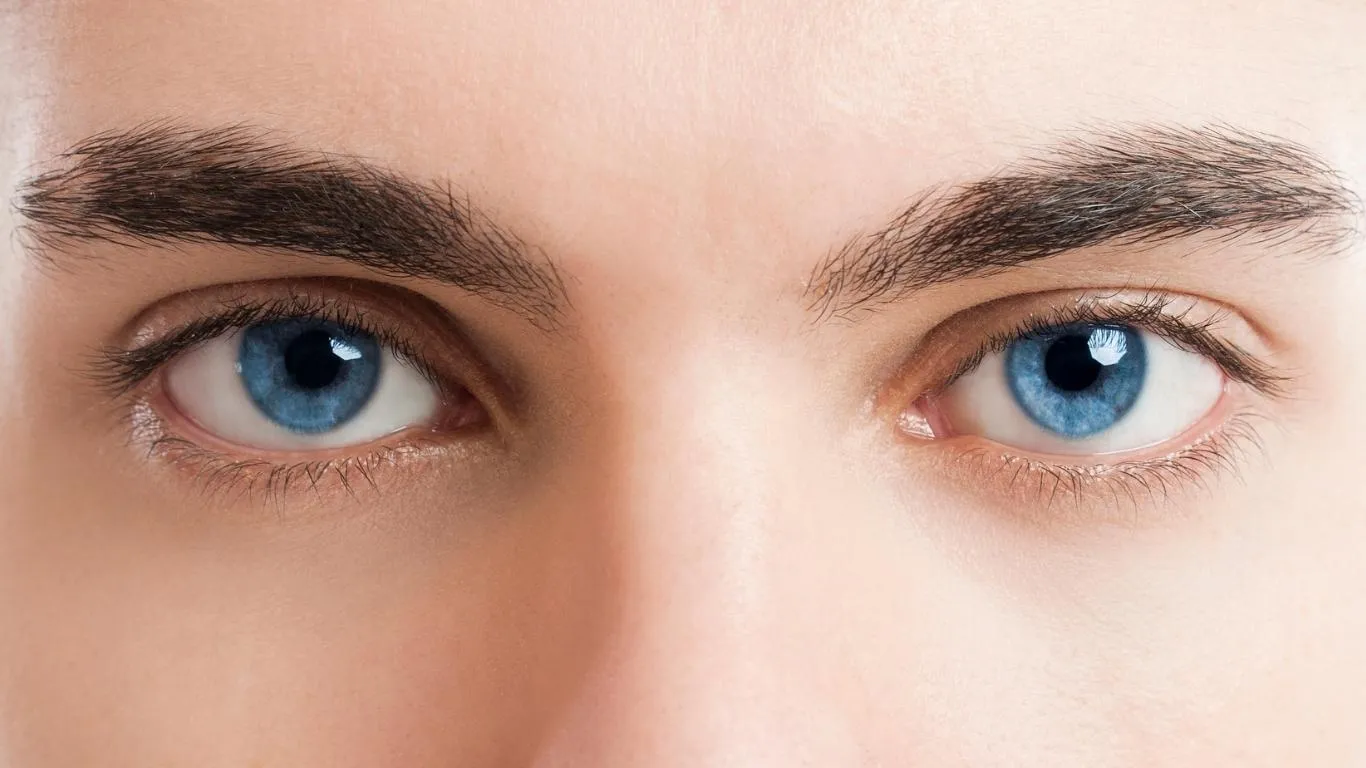
While there’s no magic cure to erase floaters (yet!), some habits can help minimize their appearance, especially during breath-holding moments:
- Stay Hydrated: I can’t stress this enough. Keeping your body hydrated helps maintain vitreous consistency.
- Practice Smooth Eye Movements: Quick eye movements can shift floaters out of your line of sight.
- Avoid Holding Your Breath Excessively: Especially during stressful activities. Breathe naturally.
- Eye Nutrition Matters: A diet rich in antioxidants supports overall eye health. You can check out some diet changes that help with floaters.
If you’re looking for more structured treatments or need to know when floaters cross the line into “call the doctor” territory, the detailed guide on eye floater treatments is a solid resource. For a complete understanding of floaters — causes, symptoms, and treatments — I highly recommend this comprehensive overview: Eye Floaters: Causes, Symptoms, and Treatment Options.
Why Do Floaters Feel Worse During Breathwork, Meditation, or Yoga?
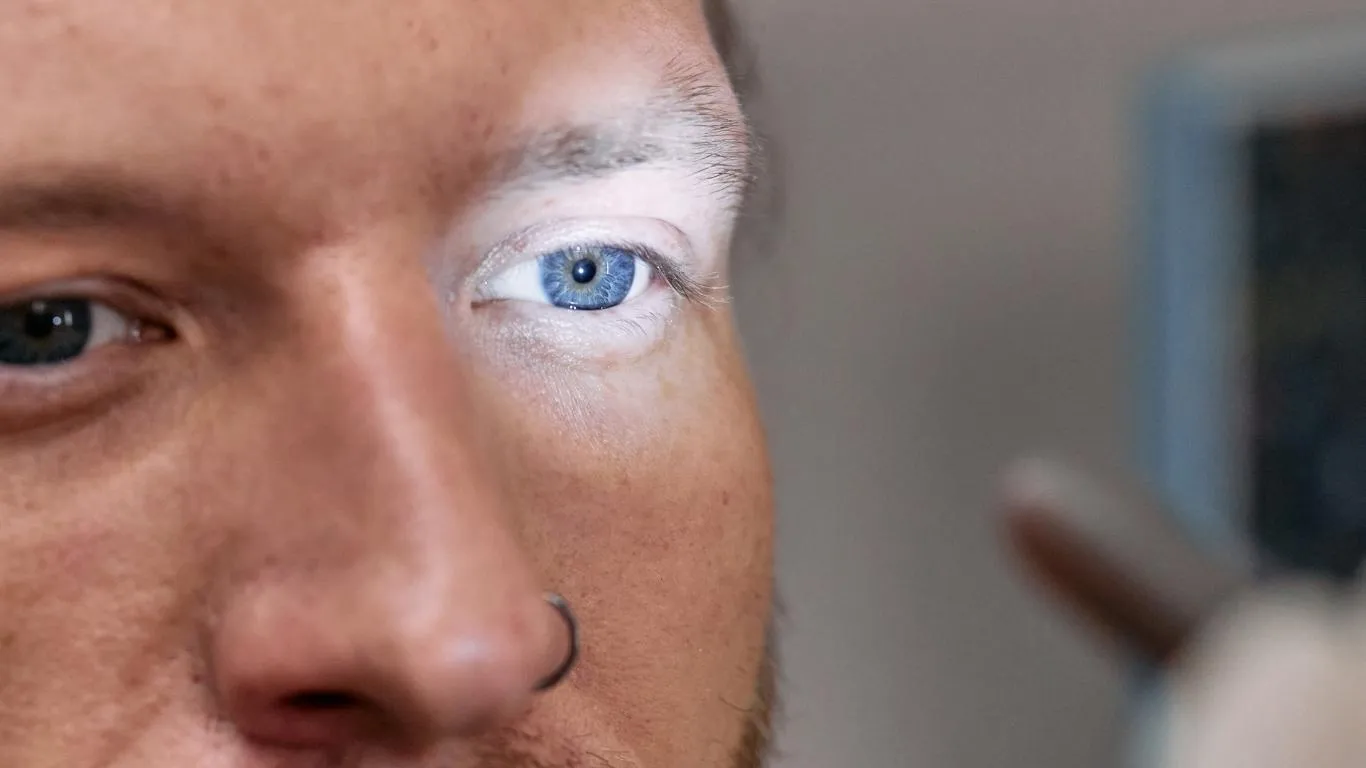
If you’ve ever been mid-meditation, focusing on your breath, and suddenly distracted by those drifting specks, you’re not alone. Floaters love calm moments. Why? Because when your surroundings are still and your breathing slows, your brain’s usual ability to filter out those minor visual “blemishes” weakens. That’s exactly why they feel more pronounced during breathwork and meditative practices.
Another layer to this is ocular circulation. Slow, controlled breathing — especially deep breath holds — can subtly alter the blood flow within the tiny vessels of the eye. This temporary shift doesn’t harm your eyes but can tweak how light refracts through the vitreous, highlighting floaters you usually don’t notice.
I stumbled across this phenomenon while practicing Pranayama. Initially, I thought it was a sign of eye strain or worse, but after reading through resources like how light conditions amplify floaters, it became clear it’s a pretty normal visual quirk. Still annoying, though.
When Should Floaters During Breath Holding Be Taken Seriously?
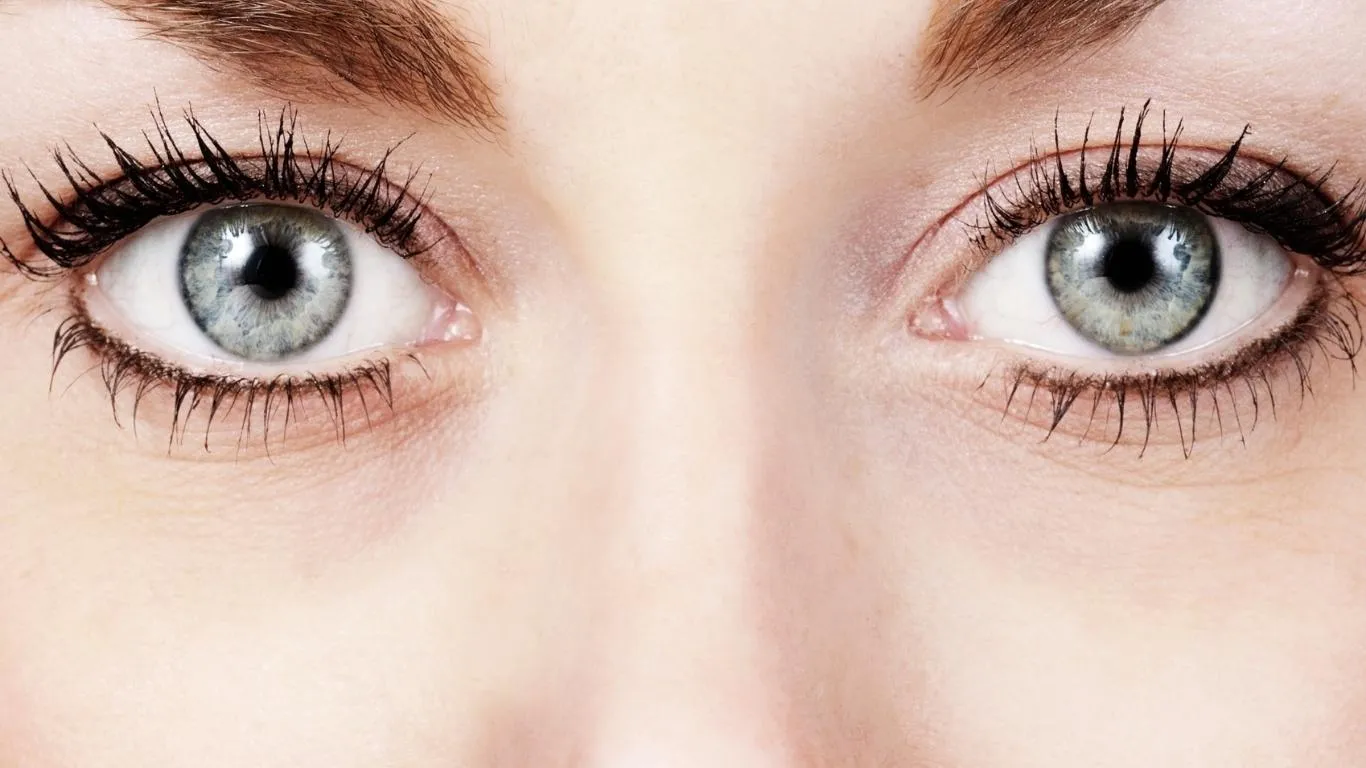
While occasional floaters showing up during breath-holding exercises are common, there are red flags you should never ignore. If you notice:
- A sudden shower of new floaters
- Bright flashes of light
- Dark shadows or a curtain effect drifting over your vision
These could be signs of a retinal tear or detachment, a condition that requires immediate medical attention. I had a friend who brushed off sudden floaters after an intense yoga session, only to find out later she had a minor retinal issue. Thankfully, it was caught in time.
If your floaters appear alongside discomfort, headaches, or visual disturbances like shimmering light waves, it’s worth reading up on differentiating floaters from more serious visual issues, like this comprehensive guide on floaters versus retinal detachment.
But What About Breath-Related Pressure? Is It Dangerous?
Good question. When you hold your breath (especially while tensing muscles), your intraocular pressure might increase temporarily. It’s not typically dangerous unless you already have pre-existing eye conditions like glaucoma. If floaters suddenly appear or worsen during these moments, it’s more often a result of enhanced visual awareness, not a sign of ocular damage.
For those of us diving into breath-hold training or even frequent meditation, it’s essential to remain mindful of these visual cues without overreacting. Awareness is good. Panic, not so much.
Effective Techniques to Minimize Floater Distraction During Breathwork
Through trial and error, I’ve found a few handy tricks to keep floaters from hijacking my focus during breath-holding or meditation:
- Shift Your Gaze Softly: Instead of darting your eyes, gently move them in slow circles. This helps reposition floaters outside your central vision.
- Choose Ambient Lighting: Harsh light makes floaters pop. Soft, diffused lighting is a game-changer during breathwork.
- Blink Slowly: A slow, mindful blink can “reset” your visual field, pushing floaters aside momentarily.
- Stay Consistent with Hydration: This tip seems basic, but I’ve noticed a real difference. A well-hydrated vitreous is a calmer vitreous.
If you’re battling persistent distractions from floaters during your wellness routines, some natural management strategies are discussed in this interesting article on natural floater remedies. While there’s no guaranteed fix, these methods have made my practice a lot less irritating.
Is Breath Control Training (Apnea, Pranayama) Risky for People with Eye Floaters?
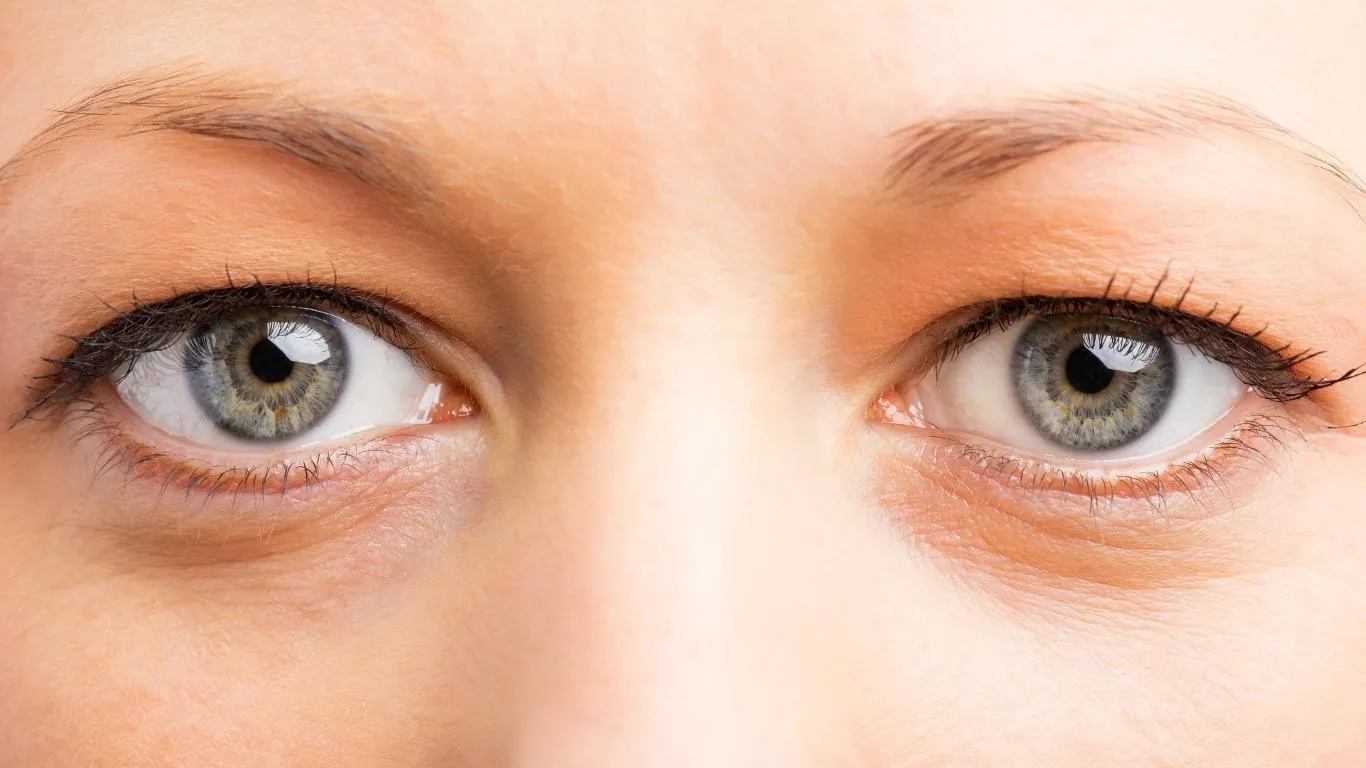
Breath-holding exercises, whether in the form of static apnea training or deep yogic breathing, are generally safe. However, if you’re prone to anxiety about your vision (guilty as charged!), it’s worth approaching these practices mindfully. The key is to avoid excessive strain. If your breath-holding sessions involve significant muscle tension or valsalva-like maneuvers (bearing down), you’re more likely to notice floaters swirling into view.
But floaters themselves aren’t a reason to avoid breath control practices. It’s about how you approach it. Focus on gentle, controlled holds and avoid combining breath-holding with high-pressure activities like heavy lifting or inverted yoga poses unless you’re comfortable with how your eyes respond.
For those who’ve recently undergone eye surgeries or laser treatments, consult a professional first. Articles like this on post-surgery floaters are good reads to understand what’s considered normal versus concerning.
What If Floaters Are Increasing Over Time?

If you’ve noticed a gradual increase in floater density, even outside of breath-holding situations, it’s a sign your vitreous might be undergoing natural degenerative changes. This is common with age, but other factors like dehydration, excessive screen time, and poor nutrition can accelerate this.
One overlooked culprit is posture and ergonomics. Sitting for long hours with improper alignment affects not just your neck and spine but also impacts ocular circulation, which can worsen floater visibility. I found this out the hard way during a long work-from-home stint.
If you want to take a proactive approach, here’s a solid read on how screen time affects floaters.
When Should You Consider Medical Treatment?
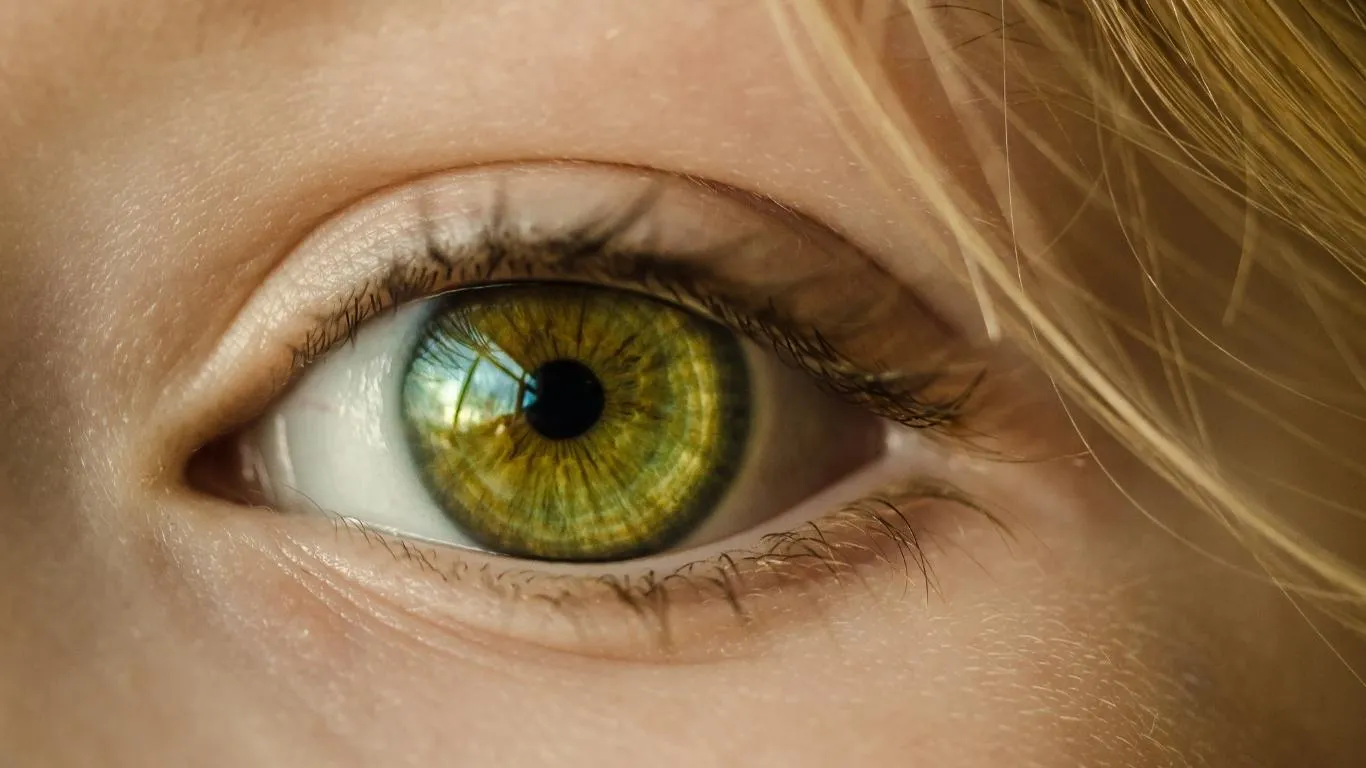
For most people, floaters are a harmless annoyance. But if they start interfering with daily activities — reading, driving, or even meditating — it may be worth exploring treatment options. While surgeries like vitrectomy are considered in severe cases, newer laser procedures offer less invasive solutions.
I had a long chat with my ophthalmologist about this, and while I wasn’t a candidate for treatment yet, understanding the options was reassuring. If you’re curious, this detailed floater treatment guide is a great place to start.
For a broader understanding of how floaters develop and the medical options available, don’t miss this thorough overview: Eye Floaters: Causes, Symptoms, and Treatment Options.

Camellia Wulansari is a dedicated Medical Assistant at a local clinic and a passionate health writer at Healthusias.com. With years of hands-on experience in patient care and a deep interest in preventive medicine, she bridges the gap between clinical knowledge and accessible health information. Camellia specializes in writing about digestive health, chronic conditions like GERD and hypertension, respiratory issues, and autoimmune diseases, aiming to empower readers with practical, easy-to-understand insights. When she’s not assisting patients or writing, you’ll find her enjoying quiet mornings with coffee and a medical journal in hand—or jamming to her favorite metal band, Lamb of God.