Why Floaters When Looking at Lace Curtains Feel More Noticeable
Ever found yourself staring at delicate lace curtains, only to notice those pesky floating specks dancing across your vision? Yeah, me too. It’s almost as if the intricate patterns of the lace somehow bring these floaters into sharper focus. I remember thinking, “Is this normal? Or is my eyesight playing tricks on me?” Well, turns out, it’s a lot more common than you might think.
Why Do Floaters Stand Out Against Lace Curtains?
Floaters are those tiny clumps of collagen or cells that drift through the vitreous humor of your eye. Under regular circumstances, they might be subtle or barely noticeable. But when you gaze at a bright, patterned background like lace curtains, boom—they pop into view. The high contrast and fine details create the perfect canvas to spotlight every floater in your visual field.
I used to think it was just me being hyper-aware, but ophthalmologists confirm that this is a classic scenario where floaters reveal themselves. It’s the interplay of light, shadow, and your eye’s internal “glass-like” structure that turns simple lace into a floater detector.
Is This a Sign of Eye Problems?
Let’s get this straight—floaters when looking at lace curtains don’t automatically spell trouble. For most people, they’re a harmless sign of the aging vitreous. But there are moments when they could be waving a red flag. If you suddenly see a flurry of floaters, or they come with flashes of light or peripheral shadows, it could indicate a retinal tear. You can dive deeper into these warning signs in this detailed article.
However, occasional floaters, especially visible in high-contrast scenarios, are typically benign. I had a phase when I was constantly worried—every lace curtain, every white wall, and I’d be hyper-fixated on those floating specks. An eye specialist reassured me, saying it’s incredibly common, especially if you’ve crossed into your 30s or 40s.
Common Causes of Floaters Becoming More Noticeable
Aging and Vitreous Detachment
A natural part of aging is the gradual shrinking of the vitreous gel inside your eyes. As it pulls away from the retina, floaters become more apparent. It’s called Posterior Vitreous Detachment (PVD). Curious how this process unfolds? Here’s a deeper dive into Posterior Vitreous Detachment.
Lighting and Background Patterns
Ever noticed floaters are invisible when you’re watching TV in a dim room but glaringly obvious when you look at a patterned curtain under bright daylight? That’s not a coincidence. Floaters are best “revealed” against uniform, bright, or complex patterns—think white ceilings, computer screens, or… you guessed it, lace curtains.
Eye Fatigue and Dryness
When your eyes are tired or dry, the sensitivity to floaters can heighten. If you’re someone who stares at screens for hours, you might experience floaters more often in such textured backgrounds. This can also tie into habits like rubbing your eyes or poor hydration. There’s an excellent breakdown on how dry eyes amplify floater visibility here.
When Should You Worry About Floaters?
Truthfully, floaters are usually harmless, but it’s good to stay vigilant. Sudden bursts of new floaters, especially if they look like a “shower” of tiny dots, should prompt a quick visit to your eye doctor. Retinal tears and detachments aren’t common, but they do happen. I remember a friend who brushed off a sudden onset of floaters, only to find out weeks later it was a retinal tear that needed urgent laser treatment.
Most of the time, however, if floaters are mild and only show up against things like lace curtains, it’s just a quirk of vision. Still, you can explore more about when floaters might indicate something serious.
Can You Reduce Floaters When Looking at Patterns?
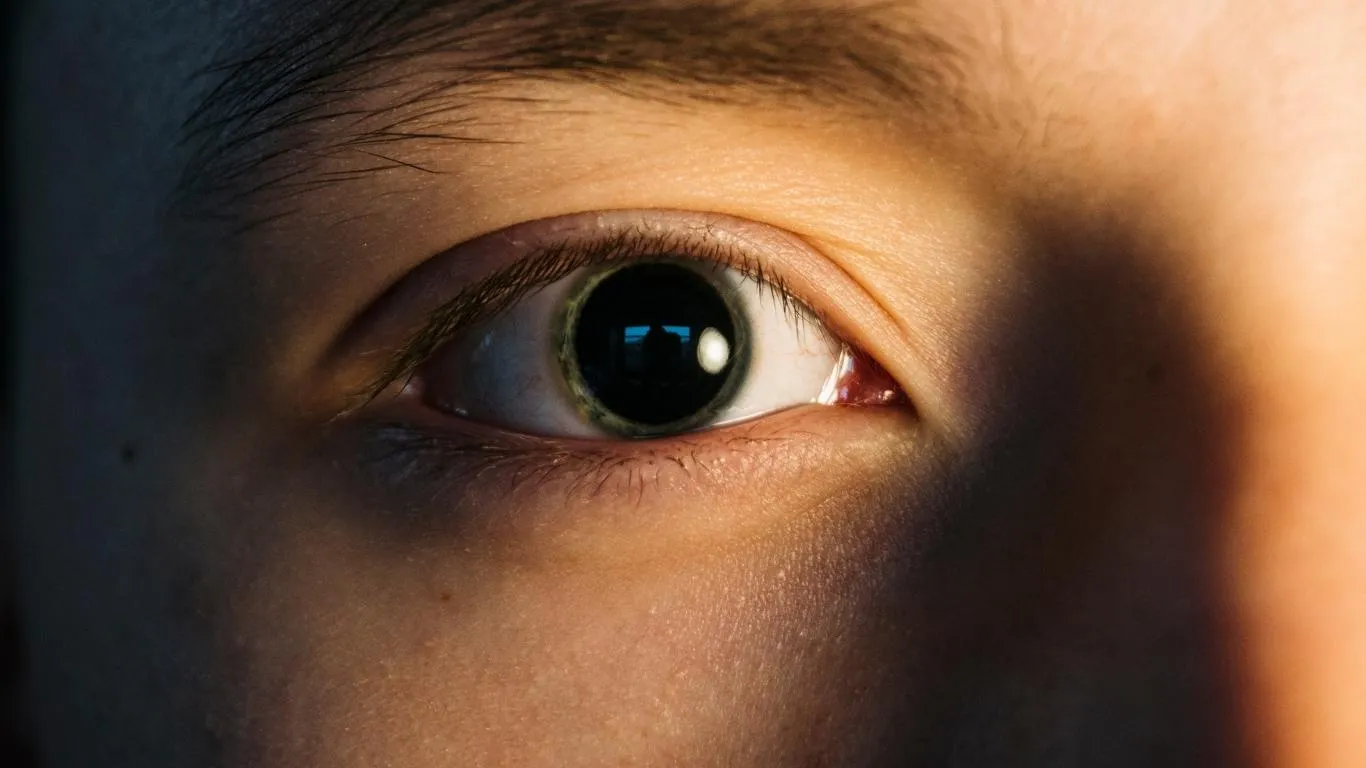
Now, here’s the golden question—can you actually do anything to reduce floaters? While floaters themselves might not “disappear,” you can certainly make them less noticeable. Small tweaks like adjusting your lighting, keeping your eyes moist, and reducing screen time can make a big difference.
I personally found that shifting my gaze slightly or blinking a few times reduces the “floating” annoyance. Some people even swear by specific eye exercises to minimize how much floaters bother them in high-contrast settings. You can read more on practical floater relief strategies in this floater management guide.
Explore More on Eye Floaters
If you’re curious to understand the root causes of floaters—whether from aging, eye strain, or injuries—check out this detailed explainer that covers it all. And for a comprehensive overview of floaters, their causes, symptoms, and treatment options, the main resource hub is right here.
Do Lace Curtains “Magnify” Floaters?

It’s a funny optical illusion, but lace curtains don’t actually increase the number of floaters you have — they just make them more visible. The combination of intricate patterns, natural daylight streaming in, and the delicate movement of the fabric can amplify your perception of floaters. I’ve noticed this every time I visit my grandmother’s house. She’s had these vintage lace curtains for decades, and every visit, my floaters make a surprise appearance.
One possible reason? The “texture-overload” effect. Our eyes naturally try to adjust focus amidst patterns, and in that process, floaters come into clearer view. It’s very similar to how floaters become prominent when you look up at a clear blue sky or stare at a plain white wall.
Can Environmental Factors Make It Worse?
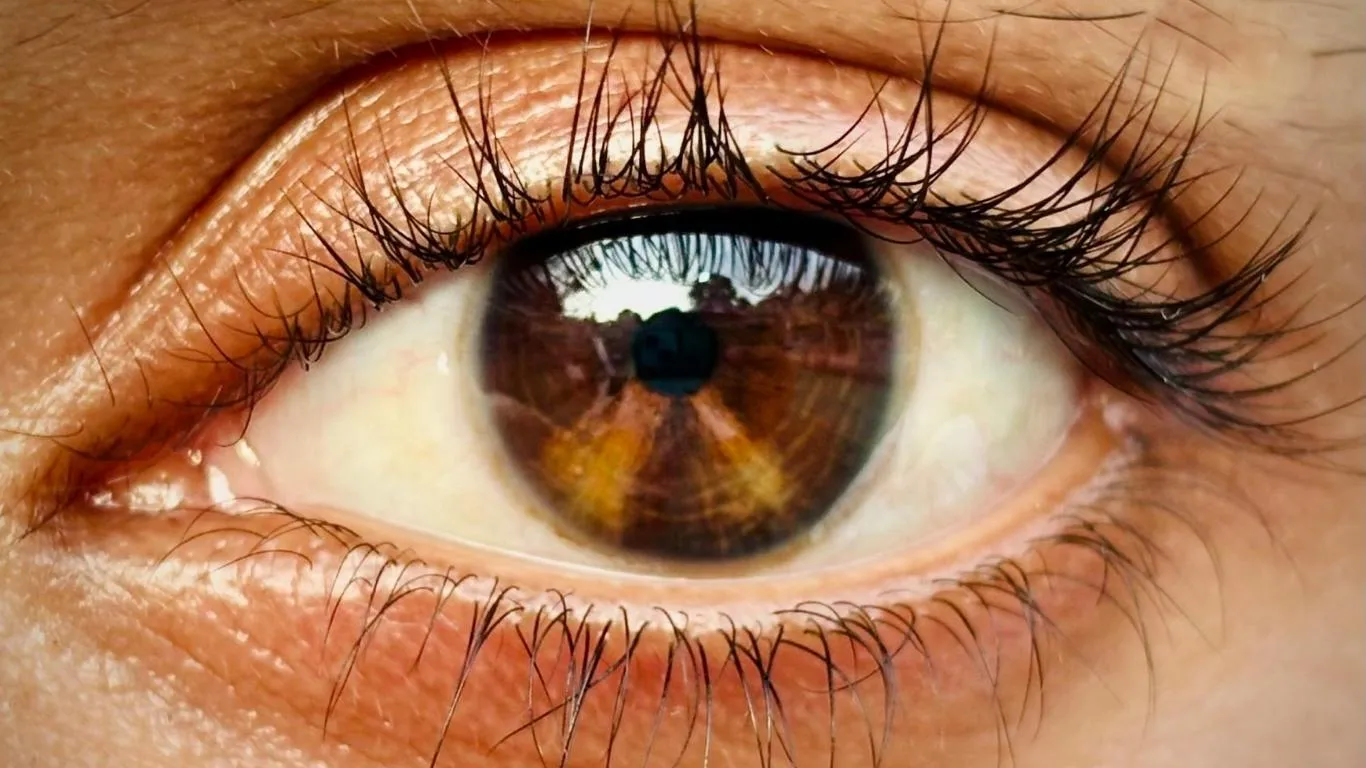
Absolutely. Lighting, humidity, and even air quality can subtly influence how floaters appear. For instance, bright midday sunlight filtering through sheer lace can sharply highlight floaters that you might not notice otherwise. If you’re sitting in a dry, air-conditioned room, your eyes are more prone to dryness, which can further intensify floater visibility.
There’s also an interesting correlation between visual overstimulation and floater awareness. After long periods of screen time or being in environments with detailed patterns, the eyes tend to “catch” on floaters more easily. You can read more about this sensory overload effect here.
Simple Tricks to Distract from Floaters in Patterned Settings
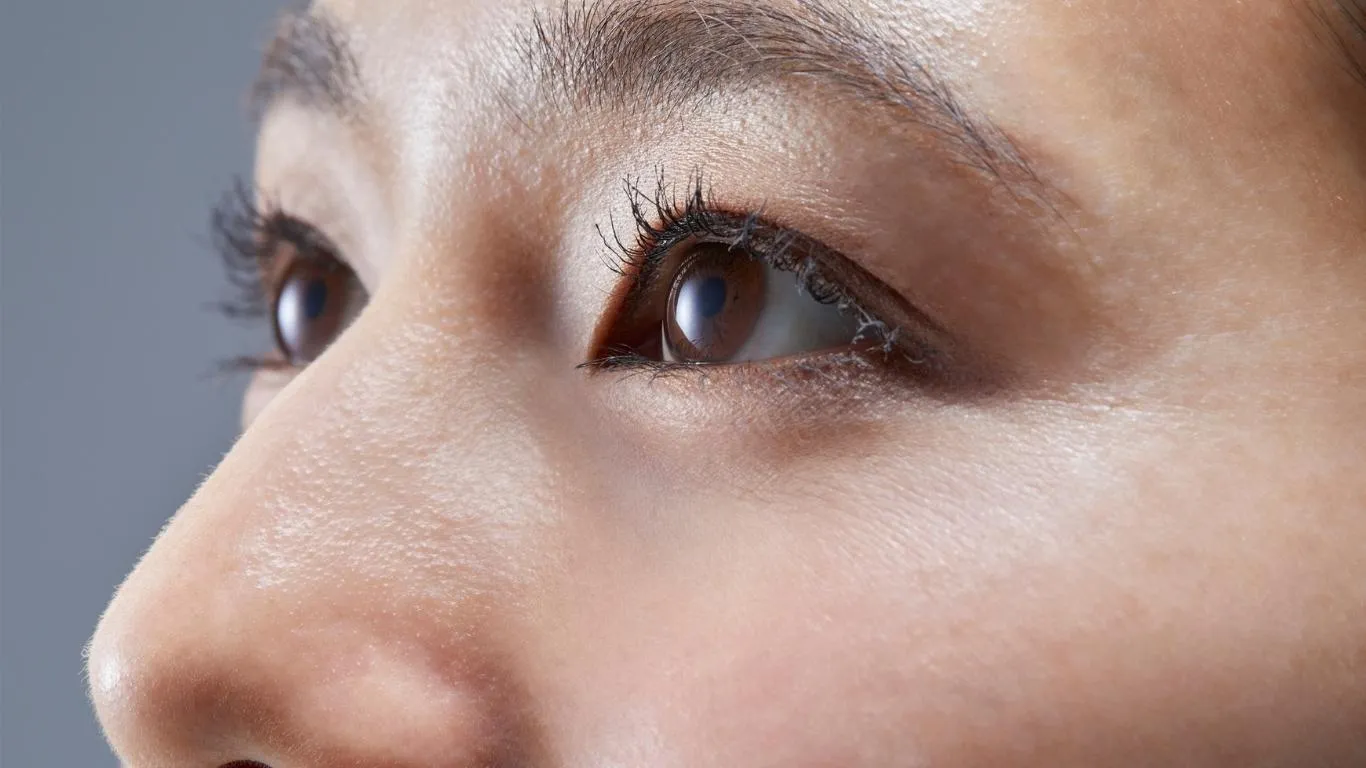
- Shift Your Focus: Instead of staring at the lace curtain itself, try focusing on an object beyond the curtain, like a tree or building outside. This forces your eye muscles to adjust, often pushing floaters out of your central vision.
- Change Your Angle: Slightly adjusting your position or the curtain’s angle to the light can reduce floater visibility.
- Use Ambient Lighting: Soft, diffused light reduces the harsh contrasts that make floaters stand out.
- Blink and Rehydrate: Frequent blinking and using lubricating eye drops can minimize dryness, which often makes floaters more pronounced.
Are There Long-term Solutions?
Managing floaters is often about patience and adaptation. But for those truly bothered by them, medical interventions do exist. Procedures like laser vitreolysis and vitrectomy are available, though they come with risks and are reserved for severe cases.
Most ophthalmologists, including mine, lean towards observation and self-management unless floaters are severely impacting vision. If you’re curious about the full spectrum of treatment options, this guide on eye floater treatments breaks down everything from natural management to surgical procedures.
Floaters and Eye Health Awareness
I’ll admit, I used to brush off floaters as just an annoying visual quirk. But after doing more research (and experiencing a few eye strain episodes myself), I’ve learned how important it is to monitor changes. Floaters can sometimes be the first subtle hint that something deeper, like vitreous syneresis or even systemic health issues, might be going on. Here’s a great breakdown on how vitreous changes contribute to floaters.
Regular eye exams aren’t just for checking prescriptions. They’re crucial in tracking the health of your retina and vitreous—especially as we age.
Is There a Way to Prevent Floaters from Getting Worse?
While you can’t stop the natural aging of your eyes, there are habits that can support vitreous health and potentially reduce floater impact:
- Stay Hydrated: Dehydration can worsen floater visibility. Aiming for 8+ glasses of water daily keeps your eyes lubricated.
- Limit Screen Time: Take regular breaks using the 20-20-20 rule—every 20 minutes, look at something 20 feet away for 20 seconds.
- Protect Your Eyes from UV Exposure: Quality sunglasses help reduce cumulative UV damage that affects your eye’s internal structures.
- Nutrition Matters: Incorporating lutein-rich foods (like spinach and kale) can support overall eye health. Curious about the best diet for floaters? Check out this nutrition guide.
The Bottom Line: Living with Lace Curtain Floaters
Floaters when looking at lace curtains are a surprisingly universal experience. While they can be a bit annoying, most of the time they’re a harmless part of life. For me, learning to adjust my focus, manage eye strain, and simply understanding that they’re not a sign of impending blindness has made all the difference.
If you want to explore how to distinguish floaters from other visual disturbances, there’s a handy comparison guide on eye floaters vs. other eye problems. For a broader understanding of eye floaters, including when to seek treatment, refer to this in-depth pillar article.

Camellia Wulansari is a dedicated Medical Assistant at a local clinic and a passionate health writer at Healthusias.com. With years of hands-on experience in patient care and a deep interest in preventive medicine, she bridges the gap between clinical knowledge and accessible health information. Camellia specializes in writing about digestive health, chronic conditions like GERD and hypertension, respiratory issues, and autoimmune diseases, aiming to empower readers with practical, easy-to-understand insights. When she’s not assisting patients or writing, you’ll find her enjoying quiet mornings with coffee and a medical journal in hand—or jamming to her favorite metal band, Lamb of God.