Why Floaters Get Worse When Wearing Sunglasses Indoors
If you’ve ever slipped on your sunglasses indoors—maybe just running into a shop or walking through a parking garage—and suddenly noticed strange specks, threads, or cobweb-like shadows floating in your vision, you’re not alone. It happened to me the first time in a coffee shop. The lighting was weird, and those dark floaty things seemed to pop out of nowhere. I blinked, moved my eyes, tried cleaning the lenses—nothing. Turns out, I was getting a clearer look at something that had been there all along: eye floaters.
What Are Eye Floaters, Really?
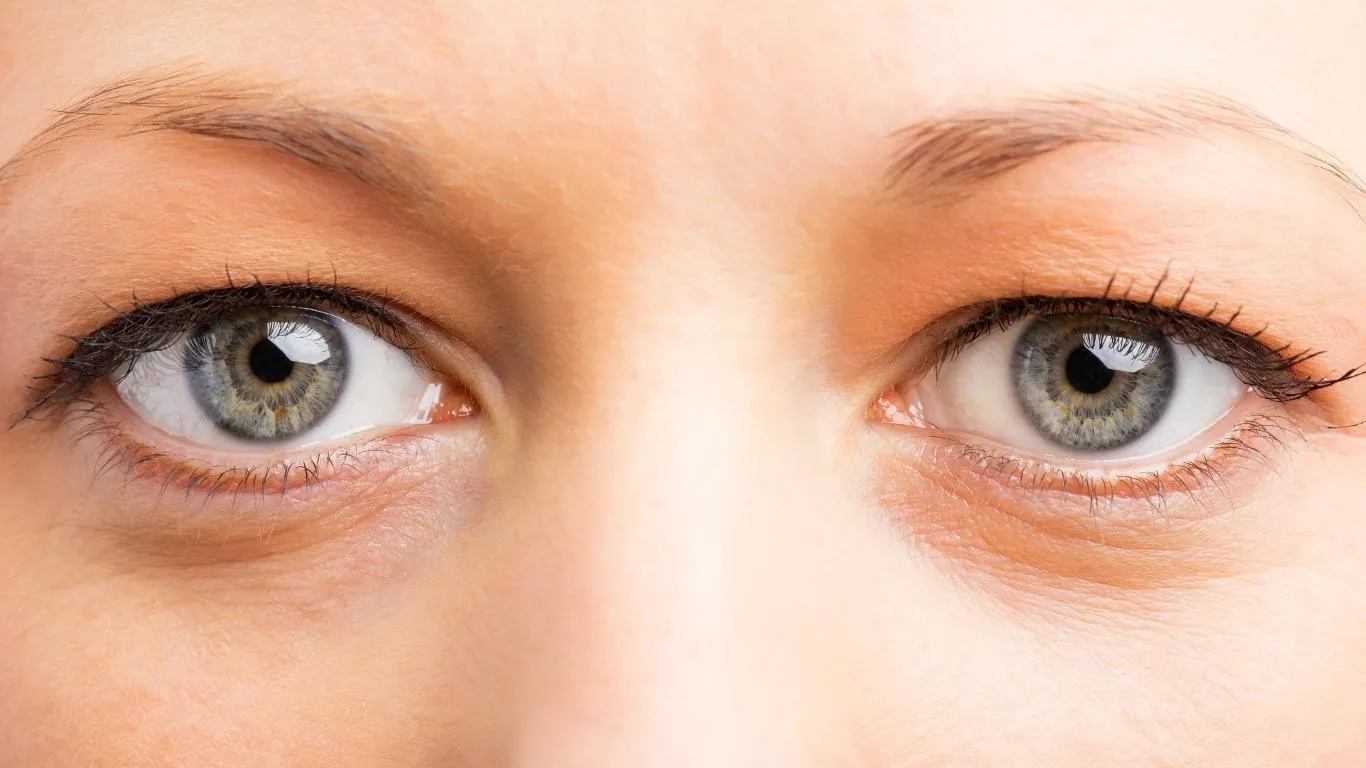
Eye floaters are these tiny bits of collagen or cells that float in the vitreous—the gel-like substance in the back of your eye. They cast shadows on your retina, and that’s what you see dancing around when you move your eyes. Most of the time, they’re harmless. But under the right lighting—especially with sunglasses indoors—they become way more noticeable.
Why Sunglasses Indoors Bring Floaters Into Focus
This was a game-changer for me. I always thought sunglasses just made things dimmer, but they actually change how light enters your eyes. Certain tints, especially darker polarized lenses, reduce the amount of ambient light, increase contrast, and make floaters more visible.
Also, when you wear sunglasses indoors, your pupils dilate to let in more light. That makes the shadows from floaters sharper and more defined—boom, suddenly you’re seeing what looks like a spider web floating across your field of vision.
- High contrast lighting – dim room + sunglasses = floaters galore
- Dilated pupils – more shadow detail on the retina
- Cleaner background – darker tints make floaters stand out more
Is It Something to Worry About?
For most people, probably not. If your floaters are stable—meaning they’re not increasing in number or size—you’re likely just seeing them more clearly because of the lighting conditions. I did a deep dive after my own experience (and a minor panic). According to the National Eye Institute, floaters are very common, especially as we age. However, certain symptoms could mean something more serious:
- Sudden burst of new floaters
- Flashes of light in your vision
- Dark curtain or shadow over part of your vision
If you’re seeing any of those, it’s time to see an eye doctor. For others, it’s probably just normal vitreous changes catching the spotlight—literally—under your shades.
There’s a really helpful breakdown in this article about when eye floaters are dangerous that I found when I was freaking out a bit. Definitely worth a read if you’re unsure.
Could Sunglasses Be the Problem?
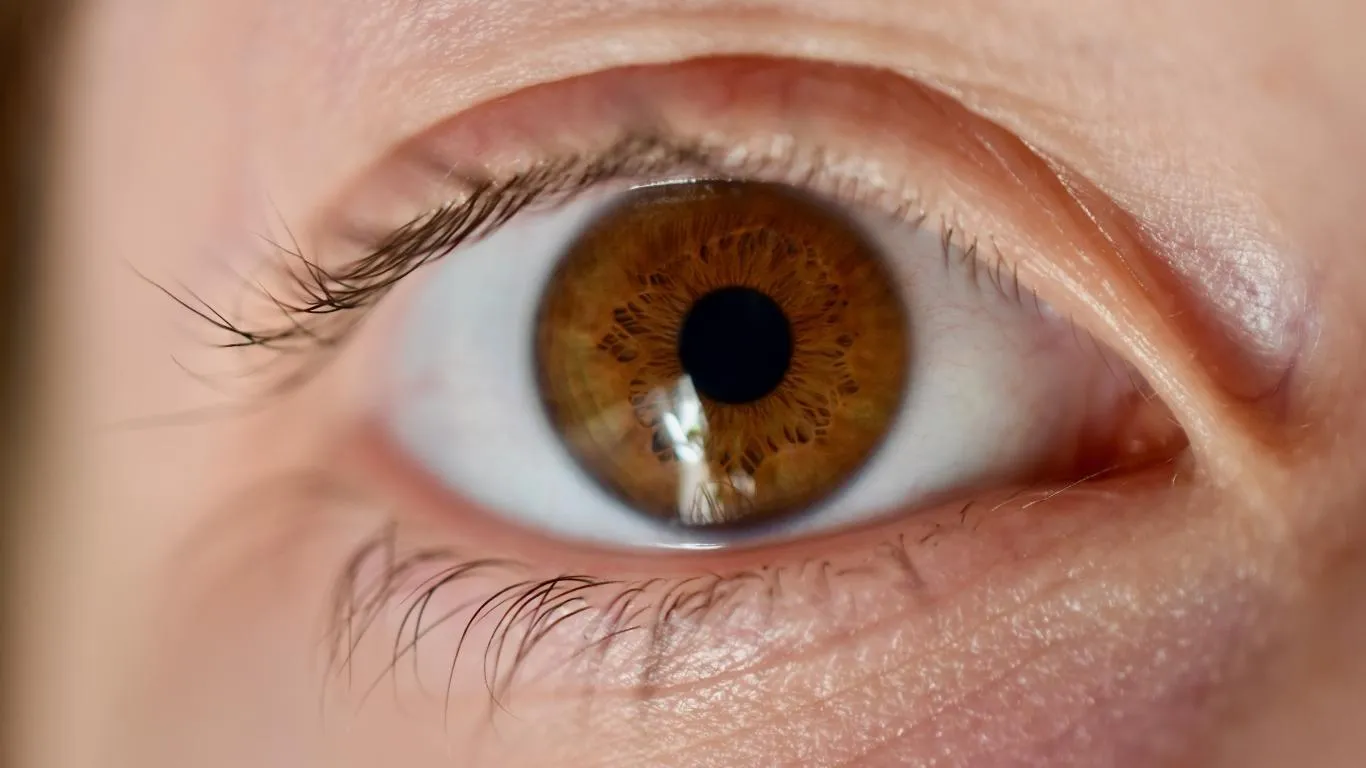
Well, not directly. Sunglasses aren’t causing the floaters, but they highlight what’s already there. Some lenses, especially high-contrast or polarized ones, sharpen your vision but also enhance shadows. And floaters are basically moving shadows.
I tried switching to different lens colors—gray, amber, even mirrored ones. And honestly, the visibility of floaters varied a lot. What worked best for me was using sunglasses that weren’t too dark and avoiding high-contrast lighting indoors altogether.
One interesting thing I came across? Artificial lighting can play tricks on your perception. That overhead LED in your office or the harsh halogen bulbs in stores can exaggerate the contrast, making floaters more annoying than they really are.
When It’s More Than Just Floaters
Floaters are usually harmless, but they can sometimes signal underlying issues. Wearing sunglasses indoors can make you notice them for the first time, but if it’s happening regularly and in specific settings, it’s worth investigating further.
For example, changes in blood sugar levels, dehydration, or even cataract surgery can all impact floaters. I didn’t realize how dehydration affected my eyes until I started tracking when mine flared up. Afternoon coffee + indoor sunglasses + dry air = the perfect floater storm.
It might also be worth looking into how floaters differ from other vision issues. Sometimes people confuse them with migraine auras, dust particles on glasses, or even flashes from retinal issues.
Other Possible Triggers You Might Be Overlooking
- Long screen time with low ambient light
- Eye strain from reading with sunglasses on
- Hormonal changes (yes, really)
- Recent LASIK or PRK procedures
So What Can You Do About It?
Here’s what helped me, and might help you too:
- Switch to lighter-tinted sunglasses when going indoors briefly
- Stay hydrated—your eyes need fluid just like the rest of your body
- Reduce high-contrast lighting where possible
- Get your eyes checked regularly, especially if anything changes
More advanced treatment options exist if floaters seriously disrupt your daily life, ranging from laser therapy to vitrectomy. But for most of us, it’s about managing triggers and knowing what to expect. This guide on eye floater treatments really breaks down all your options.
And if you want a solid foundation on what causes floaters and how to manage them naturally, definitely explore the main article: What Are Eye Floaters?
Can Wearing Sunglasses Indoors Regularly Make Floaters Worse?
This is the question I kept circling back to. The short answer? No, sunglasses don’t make floaters worse. But they can train your brain to notice them more often. It’s kind of like that phenomenon where once you’re aware of a sound—like a dripping faucet—it becomes impossible to unhear. Floaters work the same way. Sunglasses create ideal conditions (low light, increased contrast) that highlight those tiny shadows, and over time, you get hyper-aware of them.
In my case, I wore tinted lenses for weeks during an indoor work renovation. By the third week, I couldn’t stop noticing floaters, even without the shades. It’s like my brain had locked onto them. This is actually a known psychological loop some people fall into—visual hyperawareness. It doesn’t mean the floaters are worse. It just means your focus on them has sharpened.
When It Becomes a Daily Distraction
Some days, they were all I could see. I even started adjusting my work monitor brightness and avoiding certain rooms with harsh lighting. That’s when I realized floaters were interfering with my routine—not medically dangerous, but mentally distracting. I wasn’t alone. A surprising number of people experience what I did, and there’s even a term for it in eye care circles: floater-induced visual stress.
There’s no shame in admitting that these little annoyances can impact quality of life. It’s not always about the severity—it’s about the frequency, visibility, and how much they dominate your visual field.
Natural Ways to Reduce Their Impact
Look, I’m not against clinical solutions—but I wasn’t quite ready to leap into laser treatments or surgery. I started with what felt safer: lifestyle and eye care changes. Here’s what genuinely helped me, and a few of these come straight from this practical piece on managing floaters naturally:
- Hydration: I upped my water intake significantly. Dry vitreous = more noticeable floaters.
- Eye exercises: Circular eye movements, looking far then near—helped shift focus.
- Less screen glare: Blue light filters made a surprising difference during long screen sessions.
- Lutein-rich foods: I started eating more spinach, kale, and added a supplement with bilberry extract (on my eye doctor’s recommendation).
Some even report benefits from adding magnesium to their diet. I’m no nutritionist, but after a few weeks of incorporating these changes, the floaters didn’t vanish—but I noticed them way less. That alone was a win.
What If They’re Worse in Just One Eye?
This is something that tripped me up. One of my eyes seemed to have it worse. Turns out, that’s not uncommon. If your dominant eye (for me, it’s the right one) has a slightly more liquified vitreous or a prior injury, it might have more floaters—or they might just be more visible. This excellent breakdown from this article goes into detail about that.
Bottom line: If one eye suddenly has more floaters, it’s not always a red flag, but it’s worth getting checked—especially if accompanied by flashes or dark shadows. Most doctors recommend a dilated eye exam just to be sure everything’s stable.
When to See a Doctor About Floaters

If you’re like me and only see floaters under certain conditions—like wearing sunglasses indoors—you might be tempted to brush it off. But there are a few scenarios where medical attention is a must:
- Sudden storm of new floaters in one or both eyes
- Flashes of light (especially in dark settings)
- A shadow or curtain creeping over your vision
These could indicate a retinal tear or detachment—which this article covers thoroughly. Early diagnosis makes a huge difference in preventing permanent vision loss. It’s not about overreacting—it’s about knowing when to act.
Can Floaters Go Away on Their Own?
This was my biggest question. Spoiler: they don’t always go away—but they often become less noticeable. Your brain is an amazing filter. Once it realizes the floaters aren’t harmful, it starts ignoring them. This process is called neuroadaptation. Think of it like getting used to background noise.
However, if you want a technical breakdown of how long this can take and what you can realistically expect, I highly recommend reading this comprehensive guide on how long floaters last.
For me, it took about three months before I stopped obsessing. These days, I barely notice them—even indoors with sunglasses on. And when I do, I just take a deep breath, blink a few times, and move on.
Wrapping Up: Floaters, Sunglasses & Your Sanity
Wearing sunglasses indoors isn’t a crime—and noticing floaters because of it isn’t a crisis. What helped me the most was understanding why it was happening. That awareness turned anxiety into acceptance, and from there, I found control.
If this is a regular problem for you, I highly recommend reading through the foundational article on common causes of eye floaters. And if you’re curious about more treatment options, prevention strategies, or symptoms to watch, don’t miss the main resource here: What Are Eye Floaters?
Just know you’re not imagining things—and you’re definitely not alone.

Camellia Wulansari is a dedicated Medical Assistant at a local clinic and a passionate health writer at Healthusias.com. With years of hands-on experience in patient care and a deep interest in preventive medicine, she bridges the gap between clinical knowledge and accessible health information. Camellia specializes in writing about digestive health, chronic conditions like GERD and hypertension, respiratory issues, and autoimmune diseases, aiming to empower readers with practical, easy-to-understand insights. When she’s not assisting patients or writing, you’ll find her enjoying quiet mornings with coffee and a medical journal in hand—or jamming to her favorite metal band, Lamb of God.