Why Floaters Get Worse When Seated Under Round Ceiling Lamps
If you’ve ever noticed strange specks, wispy strands, or translucent blobs drifting across your vision while sitting under bright, round ceiling lamps, you’re not alone. I’ve had those moments in conference rooms and cafés where the lighting above seemed to make these little “floaters” dance in plain sight. It’s both distracting and a bit concerning, especially if you’re not sure why it happens. Let’s dig into what’s going on — and no, you’re not imagining it.
Why Floaters Appear More Under Round Ceiling Lamps
Floaters are tiny clumps of collagen or other debris inside the vitreous — the clear gel that fills your eye. Under normal conditions, they’re not always noticeable. But when you sit beneath a bright, evenly lit, circular light source, the background contrast makes them pop into focus.
Round ceiling lamps often have a uniform, high-intensity light distribution. This makes the shadows of floaters sharper against your retina, similar to how dust becomes more visible in a sunbeam. The optical effect is even stronger when your gaze is steady and the background is plain, like a white ceiling or smooth painted surface.
My First “Floater and Lamp” Moment
I first realized how much lighting mattered during a late-night work session. The round LED panel above my desk lit up the room perfectly, but it also made me hyper-aware of a little translucent string drifting around in my vision. I blinked, rubbed my eyes (a mistake — as I later learned), and it was still there. That was my cue to start learning more about this phenomenon.
How Lighting Triggers Floater Visibility
Floaters are always in your eye, but light conditions determine how much you notice them. Here’s why round ceiling lamps in particular make them stand out:
- Uniform Illumination: Bright, even lighting reduces shadows and contrast in the room, which ironically makes the shadows in your eye more visible.
- Central Positioning: Lamps directly overhead match the axis of your gaze, keeping floaters in your central vision longer.
- Reflective Ceiling Surfaces: White or glossy ceilings amplify brightness and highlight fine visual obstructions.
Medical experts note that floaters are a normal part of aging, especially after 40, when the vitreous begins to shrink and clump (source). However, they can also be linked to other causes, from eye strain to underlying conditions like posterior vitreous detachment (learn more).
Situations That Make Floaters Under Lamps Worse
Not everyone experiences floaters the same way, and even for the same person, they might appear more noticeable on certain days. Based on both research and my own encounters, these factors tend to intensify them:
- Extended Staring: Looking up for long periods without blinking lets floaters linger in one spot.
- Eye Dryness: Sitting in air-conditioned rooms under ceiling lamps can reduce tear film quality, making vision less smooth (details here).
- High-Contrast Backgrounds: White or cream-colored ceilings paired with intense lighting bring floaters into sharper relief.
- Pupil Constriction: Bright light shrinks your pupil, increasing depth of focus and making vitreous debris more apparent.
Are They Harmless or a Warning Sign?
Most of the time, floaters are benign. But a sudden shower of new floaters, especially if accompanied by flashes of light or a shadow in your vision, could indicate something more serious like a retinal tear (read this). The safe move is always to get an eye exam if you notice sudden changes.
Reducing the Impact of Floaters Under Lamps

While you can’t eliminate floaters without medical intervention, you can make them less distracting under round ceiling lamps. Here are practical adjustments that have worked for me and are supported by optometrists:
- Change Lighting Angle: Use side lamps or indirect lighting to avoid direct overhead glare.
- Soften the Glow: Install a diffuser or lampshade to reduce intensity and spread the light.
- Rest Your Eyes: Follow the 20-20-20 rule — every 20 minutes, look at something 20 feet away for 20 seconds (American Academy of Ophthalmology).
- Stay Hydrated: Proper hydration can improve tear film and comfort (more info).
When to Seek Professional Advice
If your floaters become significantly more noticeable only under certain lighting, it may simply be a perception issue. But if you experience them alongside blurred vision, light flashes, or a curtain-like shadow, see an ophthalmologist immediately. For a deeper understanding of common causes, visit this guide or check the comprehensive overview on eye floaters.
Can Certain Health Factors Make Floaters Worse Under Lamps?
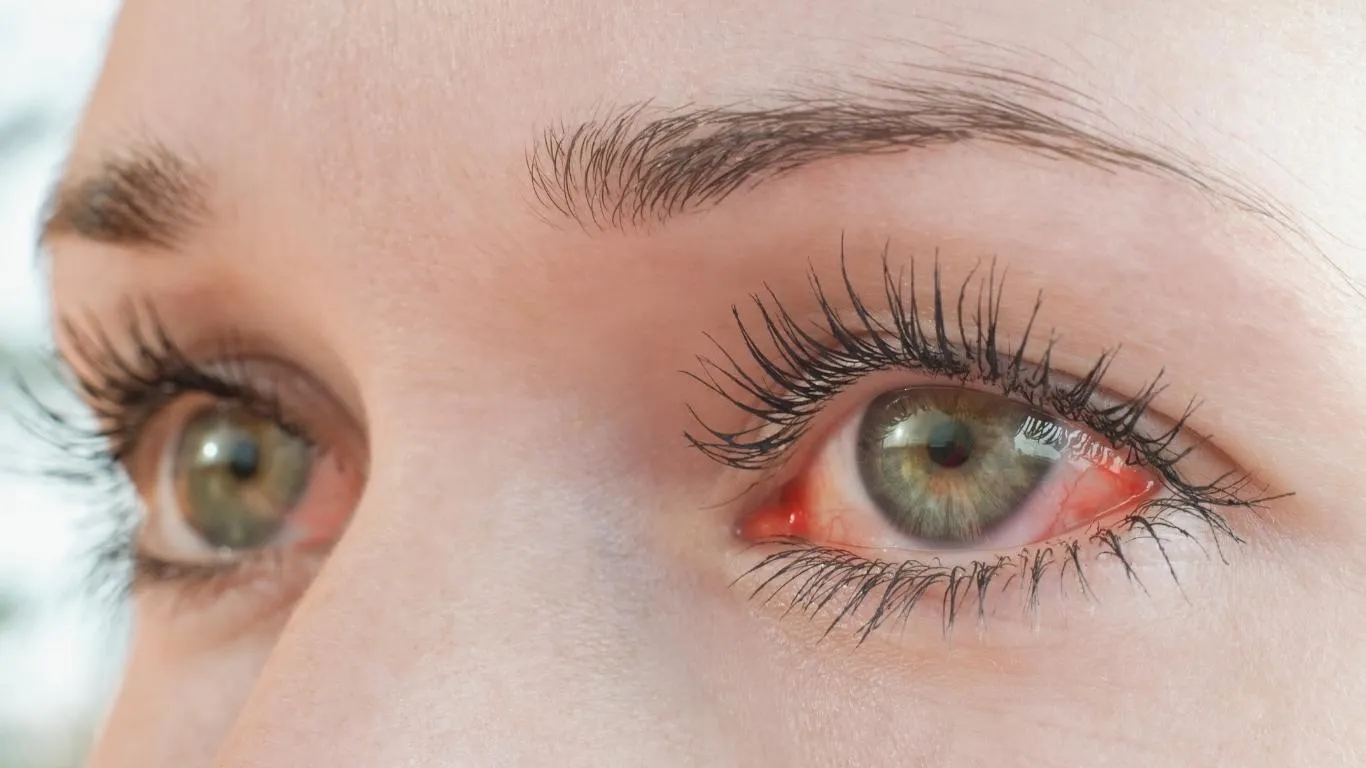
Absolutely — your body’s overall condition can influence how noticeable floaters are in specific lighting. I’ve noticed mine spike in visibility when I’m tired, dehydrated, or dealing with seasonal allergies. Medical literature supports this, noting that inflammation, blood pressure changes, and eye strain can all affect floater perception (source).
Some common contributing factors include:
- Chronic Eye Strain: Long hours on screens before looking up at a lamp can prime your eyes to notice visual interference.
- Systemic Conditions: Diabetes and autoimmune diseases can change the vitreous structure, making floaters more prevalent (read more).
- Post-Surgical Changes: Procedures like LASIK or cataract surgery sometimes trigger new floaters (details).
Lighting Environment Tweaks That Really Help
Over the years, I’ve experimented with small changes that made a big difference. You might be surprised how effective some of these are:
- Switch to Warm Light Bulbs: Cooler, bluish light tends to highlight floaters more than warm tones.
- Dimmer Switches: Adjust brightness until the floaters fade from attention.
- Light Positioning: Move seating away from the direct center under the lamp.
- Patterned Ceilings: Soft patterns can break the visual uniformity that accentuates floaters.
These adjustments don’t remove the floaters, but they change your visual environment in a way that makes them less obvious. A well-planned room setup can almost eliminate that “ceiling lamp floater spotlight” effect.
When the Change Is Sudden or Severe
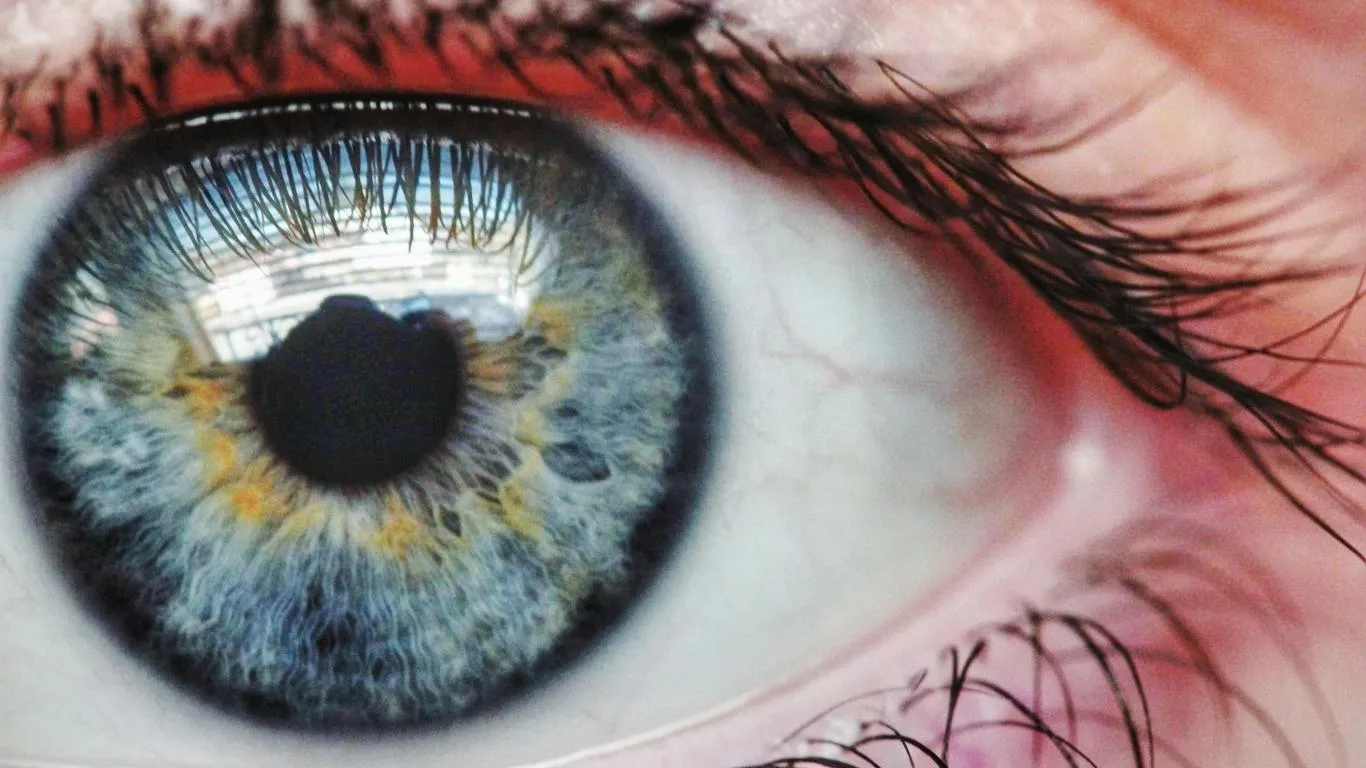
While floaters under lamps are usually just a lighting quirk, a sudden spike in number, shape change, or combination with symptoms like flashes of light should never be brushed aside. These could be early warnings of retinal detachment or hemorrhage (learn more).
Don’t hesitate to get checked — a simple eye exam can rule out or catch something before it progresses. Even if you think it’s “just the lamp,” it’s better to be sure.
Natural Approaches People Try
Though there’s no proven at-home cure for floaters, some individuals swear by habits that seem to reduce how much they notice them under lights:
- Regular Eye Exercises: Gentle eye movements can shift floaters out of your central vision (guide here).
- Hydration and Diet: Lutein-rich foods and omega-3s are linked to overall eye health (see list).
- Stress Reduction: Since tension can heighten visual awareness, calming routines may help.
Just remember: while these may improve comfort, they won’t remove floaters physically. Always align lifestyle changes with professional advice.
Medical Treatments If Floaters Affect Daily Life
If you find floaters under lamps so distracting that they interfere with reading, working, or simply relaxing, there are clinical options. Ophthalmologists might suggest:
- Laser Vitreolysis: Uses laser pulses to break up or vaporize floaters.
- Vitrectomy: Surgical removal of the vitreous (and floaters within it).
These are typically reserved for severe cases due to risks involved (full overview). Most patients do well by adapting to their floaters rather than removing them.
Linking Lighting Awareness to Eye Health
Understanding why floaters stand out under round ceiling lamps is more than just a curiosity — it’s a reminder that lighting plays a huge role in visual comfort. By learning what triggers your floater awareness, you can adjust your surroundings and habits to keep them from stealing focus from your day.
For more on recognizing floater patterns that shouldn’t be ignored, this guide covers symptom red flags in depth. And if you want the broader picture, the main eye floater overview explains causes, risks, and all available treatment paths.

Camellia Wulansari is a dedicated Medical Assistant at a local clinic and a passionate health writer at Healthusias.com. With years of hands-on experience in patient care and a deep interest in preventive medicine, she bridges the gap between clinical knowledge and accessible health information. Camellia specializes in writing about digestive health, chronic conditions like GERD and hypertension, respiratory issues, and autoimmune diseases, aiming to empower readers with practical, easy-to-understand insights. When she’s not assisting patients or writing, you’ll find her enjoying quiet mornings with coffee and a medical journal in hand—or jamming to her favorite metal band, Lamb of God.