How To Reduce Floaters When Using Ring Lights For Video Calls
You know that moment when you’re setting up for a video call, adjusting your ring light to get that perfect glow, and then — bam — you start noticing those annoying squiggly floaters drifting across your vision? Yep, I’ve been there. It’s incredibly distracting, especially when you’re trying to focus on the meeting but your eyes are busy following these translucent threads. Turns out, it’s not just you and me. There’s a real reason why floaters seem more obvious when using ring lights for video calls, and it’s more common than you might think.
Why Do Floaters Become More Visible Under Ring Lights?
The way ring lights are designed — even light distribution, high brightness, and direct focus towards the face — unintentionally creates the perfect environment for floaters to steal the show. Eye floaters are tiny clumps of collagen or cells floating in the vitreous, the gel-like substance in your eye. Normally, we don’t notice them because our brains filter them out. But, when you stare into a bright, uniform light source like a ring light, they suddenly become glaringly obvious.
Light, Contrast, and the ‘Floaters Spotlight Effect’
One thing I quickly learned (after panicking and booking an eye exam) is that the reason floaters pop out so aggressively in these settings is due to light contrast. When your background is dark and your face is brightly lit, it intensifies the shadows those floaters cast on your retina. This phenomenon is similar to what people experience when looking at a bright sky or a white wall. Now imagine that contrast effect amplified by a ring light’s focused beam — that’s the ‘Floaters Spotlight Effect’.
Are Ring Lights Making Floaters Worse Over Time?
This is a tricky one. The good news? Ring lights themselves don’t create new floaters. However, extended screen time, exposure to intense light sources, and visual fatigue from long video calls can exacerbate the perception of floaters. I noticed my floaters became more frequent after marathon video sessions, which isn’t surprising considering how screen-related eye strain can aggravate underlying vitreous issues.
It’s essential to differentiate between floaters triggered by screen exposure and those linked to more serious conditions. The key is frequency and severity. If floaters start appearing with light flashes or sudden visual obstructions, it could be a warning sign of something more serious, like a retinal tear.
Eye Strain and Floaters: The Underestimated Connection
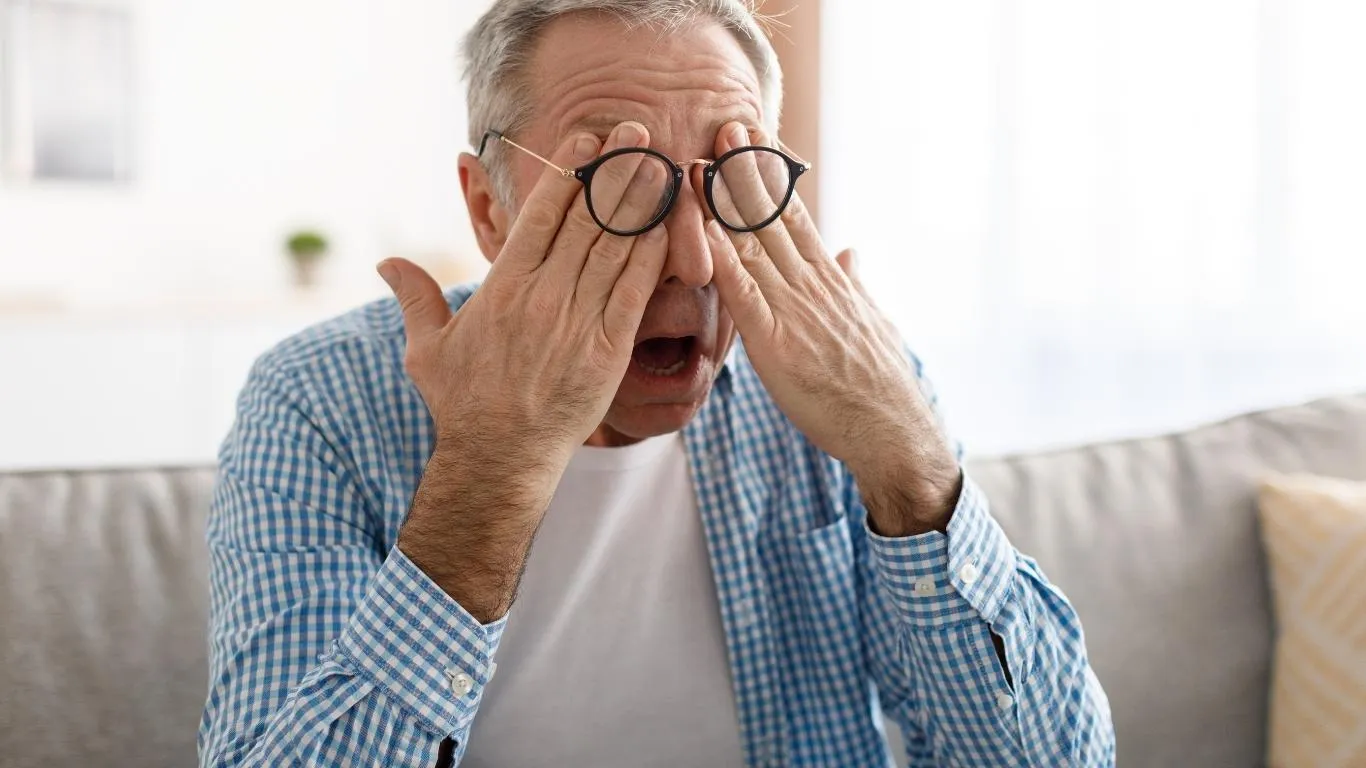
Extended periods of focusing on screens — coupled with ring light glare — can lead to digital eye strain. Symptoms include dryness, blurred vision, and, yes, increased floater visibility. While the floaters aren’t necessarily increasing in number, your strained eyes become more sensitive to noticing them. It’s a subtle, yet frustrating loop.
Best Adjustments to Reduce Floaters Visibility in Video Calls
- Position Your Ring Light Above Eye Level: Instead of placing it directly in front of your face, raise it slightly above eye level. This reduces direct glare and the contrast that highlights floaters.
- Lower Light Intensity: You don’t need full brightness. A dimmer setting often provides sufficient illumination without overexposing your eyes.
- Use Ambient Lighting: Balancing the ring light with soft room lighting can reduce sharp contrasts that make floaters pop.
These tweaks significantly helped me during my own video calls, making floaters less of a distraction and more of a background nuisance rather than a center-stage performer.
Could Underlying Conditions Be Making Your Floaters Worse?
While most floaters are harmless, it’s important to stay aware of the bigger picture. Conditions like vitreous syneresis or posterior vitreous detachment (PVD) are natural aging processes that make floaters more prevalent. However, certain situations — like trauma, inflammation, or underlying systemic diseases — can lead to a sudden surge in floater activity.
I once brushed off an increase in floaters, assuming it was due to excessive screen time. Turns out, it was early signs of posterior vitreous detachment. Luckily, it wasn’t serious, but it was a wake-up call. If you’re noticing floaters that come with flashes of light or a curtain-like shadow, you should definitely read this important guide about when floaters could signal a serious condition.
Don’t Ignore the Role of Eye Fatigue
Chronic eye strain can also worsen floater perception. Continuous near-work tasks, like reading scripts on-screen or scrutinizing detailed presentations during video calls, can stress your eyes further. This is why people working long hours on video calls under intense lighting often report a sudden spike in floaters visibility.
Simple Eye Exercises That Help During Video Call Breaks

- 20-20-20 Rule: Every 20 minutes, look at something 20 feet away for at least 20 seconds. It’s a simple yet effective reset for your eyes.
- Gentle Eye Rolls: Slowly rolling your eyes in a circular motion helps in relaxing strained ocular muscles.
- Focus Shifts: Hold your thumb a few inches from your face, focus on it, then shift focus to a distant object. Repeat a few times to stimulate the eye muscles.
These aren’t magic cures, but from my own experience, they definitely ease the irritation and bring floaters back to a tolerable level during extended calls.
For a deeper understanding of how floaters form and the various treatment options available, you can refer to our main guide on eye floaters: causes, symptoms, and treatments.
How Ring Light Positioning Can Trick Your Eyes Into Seeing More Floaters
One mistake I used to make was placing the ring light dead center, right at eye level. It seemed like the obvious setup for flattering lighting — but every time, I’d get distracted by a swarm of floaters swirling in my peripheral vision. Here’s why it happens: when light enters your eyes from a flat, frontal angle, it increases the visual noise by casting clearer shadows of floaters onto your retina. These shadows are what we end up “seeing.”
Tilting the ring light just slightly — even a 10-degree upward or side angle — changes how light interacts with the vitreous, reducing those sharp floater shadows. Since making that minor adjustment, my video calls have been far less of a floater parade.
Don’t Forget Screen Brightness
Another underestimated culprit is screen brightness. Pair a high-intensity ring light with a monitor set to full brightness, and you’re basically inviting every floater to come forward. Lowering screen brightness, or enabling a warmer display mode, reduces the harsh contrast that makes floaters more pronounced. Simple, but incredibly effective.
When Should You Worry About Floaters During Video Calls?
Let’s get real. For most of us, floaters are an annoying yet benign part of life. However, there are red flags you shouldn’t ignore. Sudden onset of numerous floaters, especially if accompanied by light flashes, peripheral vision loss, or a dark curtain effect, can be signs of a retinal tear or detachment.
If you’re curious about how specific triggers, like infections, injuries, or systemic conditions, can escalate floater activity, I highly recommend reading this deep dive into floaters as early warnings for retinal issues.
Visual Disturbances That Mimic Floaters
Not everything you see floating in your vision is a floater. Eye dryness, ocular migraines, and even certain medications can cause visual disturbances that mimic floaters. During one late-night call, I thought my floaters were multiplying, only to realize it was dry eye halos from staring too long without blinking. The symptoms felt similar, but the solutions were different.
If you find yourself second-guessing whether you’re dealing with actual floaters or other vision quirks, this guide on how to tell the difference between floaters and other eye problems is a must-read.
Long-Term Habits to Keep Floaters at Bay During Screen Time
Floaters won’t magically vanish, but certain habits can make them less intrusive during video calls:
- Hydrate consistently: Dehydration affects vitreous consistency, making floaters more prominent. Drinking water throughout the day helps keep your eyes lubricated and reduces floaters’ sharpness.
- Take micro-breaks: Beyond the 20-20-20 rule, incorporate 2-minute breaks every hour to let your eyes relax away from intense light sources.
- Invest in anti-reflective glasses: If you wear glasses, anti-glare coatings can significantly cut down ring light reflections that amplify floater perception.
- Consider screen filters: Blue-light filters, both physical and digital, ease visual fatigue, which in turn reduces your sensitivity to floaters.
Could Nutrition and Supplements Make a Difference?
While scientific evidence on supplements dissolving floaters is limited, I noticed that staying on top of my eye health with lutein, zeaxanthin, and omega-3 rich foods (think leafy greens and fatty fish) made a subtle but real difference in how often I noticed floaters during calls. Supporting vitreous health from the inside out is a slow game, but one worth playing.
For those curious about whether supplements can genuinely help with floaters, I found this piece on effective supplements for eye floaters incredibly insightful.
Stress and Floaters: A Surprisingly Strong Link
One of the most overlooked aspects? Stress. During a particularly hectic project, my floaters became constant companions during Zoom calls. Elevated cortisol levels can influence ocular fluid dynamics, making floaters feel more prominent. Finding small ways to manage stress, whether through mindfulness breaks or light stretching, had a noticeable effect on how much I noticed them.
Professional Treatments: When Is It Time to See a Specialist?
For the vast majority, floaters are more of an irritation than a medical emergency. However, if floaters begin affecting your quality of life — especially if they disrupt your ability to focus during work — discussing advanced treatment options like laser vitreolysis or vitrectomy with a specialist might be worth considering. These procedures aren’t without risks, so they’re usually recommended only when floaters severely interfere with daily function.
A balanced perspective on treatment options can be found in this comprehensive article about eye floater treatments, from observation to surgery. It’s a valuable read if you’re at the point of weighing medical interventions.

Camellia Wulansari is a dedicated Medical Assistant at a local clinic and a passionate health writer at Healthusias.com. With years of hands-on experience in patient care and a deep interest in preventive medicine, she bridges the gap between clinical knowledge and accessible health information. Camellia specializes in writing about digestive health, chronic conditions like GERD and hypertension, respiratory issues, and autoimmune diseases, aiming to empower readers with practical, easy-to-understand insights. When she’s not assisting patients or writing, you’ll find her enjoying quiet mornings with coffee and a medical journal in hand—or jamming to her favorite metal band, Lamb of God.