Why Floaters Appear When Viewing Bright Artwork
If you’ve ever walked into a gallery or glanced at a vibrant mural and suddenly noticed strange drifting shapes in your vision—like cobwebs, specks, or translucent threads—you’re not alone. I’ve had this odd experience more than once, especially when staring at bright or color-heavy pieces. It always made me wonder: was it the lighting, my eyes, or something else? Turns out, those little floaty things are more common than we think—especially when viewing bright artwork. Let’s break down why this happens and what it really means for our vision.
Why Floaters Are More Noticeable Around Bright Artwork
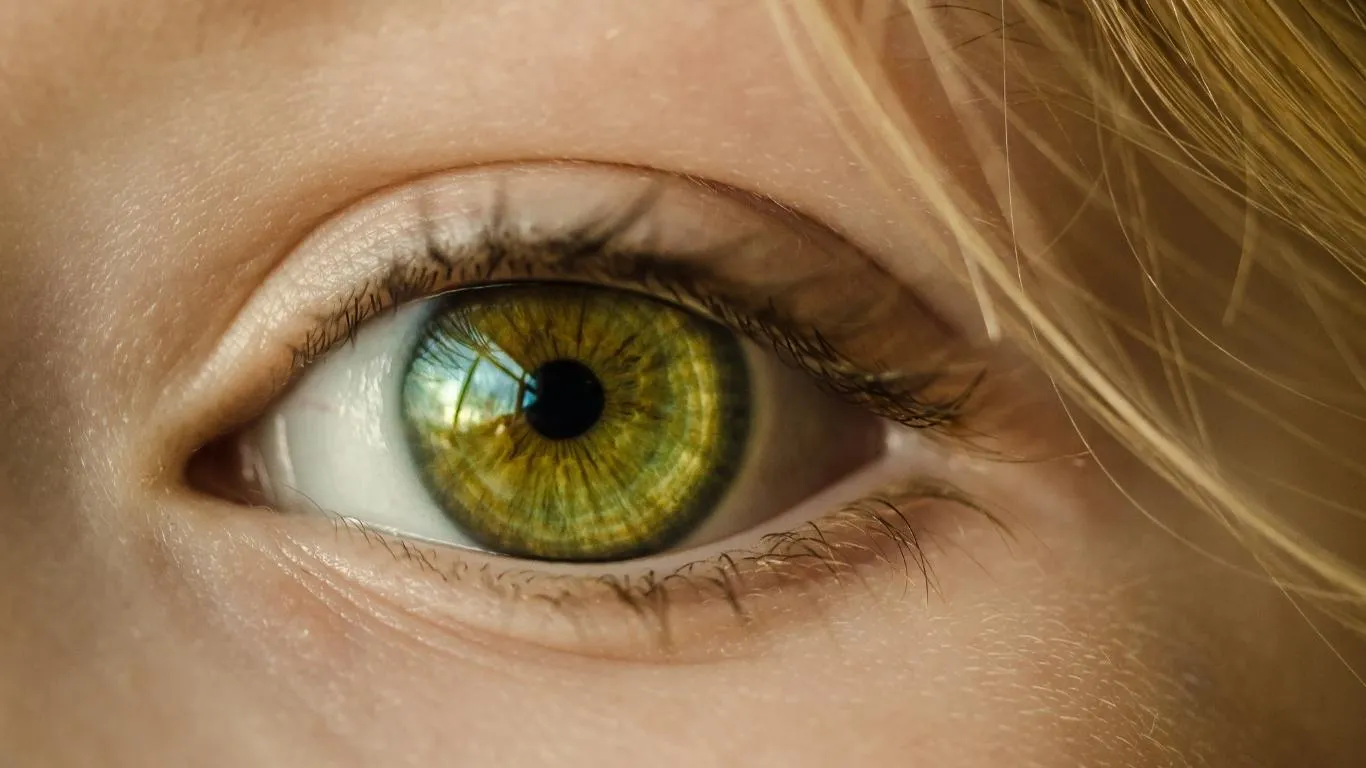
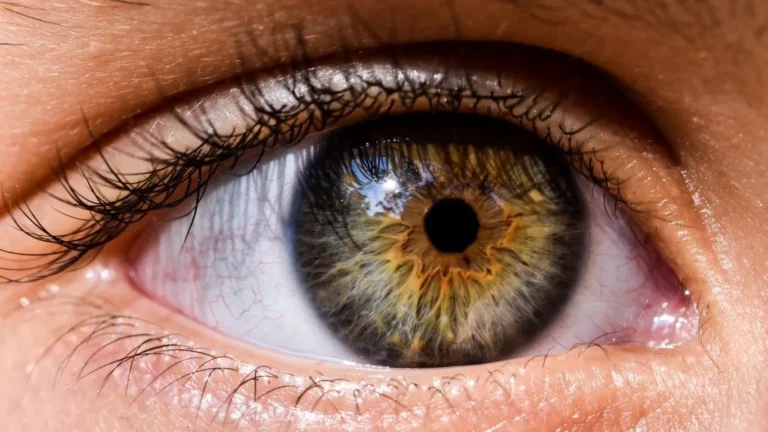
Eye floaters are tiny clumps of collagen or cellular debris drifting inside the vitreous humor of your eye. Normally, you might not notice them. But when you’re looking at something with bright contrast—like a bold abstract painting with a white background or strong lighting—they seem to leap into your field of vision.
Personally, I tend to notice mine most when I’m in a well-lit space with minimalist or white-themed art. It’s as if the floaters just love to dance in the spotlight.
The Science Behind the Brightness
Floaters cast tiny shadows on the retina, and under standard conditions, those shadows are barely noticeable. However, when the background is bright and evenly lit—like many modern art pieces or gallery walls—the contrast is just right for your eyes to pick up on those tiny floaters. It’s not that they suddenly appear; it’s that they’re easier to detect.
If you’re noticing floaters more often, especially in one eye, it’s smart to understand the risks and how they could indicate something more serious.
Who Is Most Likely to Experience This?
Not everyone notices floaters the same way. There are some specific groups of people more likely to see them when engaging with bright artwork:
- Nearsighted individuals (like myself)
- People over 40
- Those with recent eye surgery
- Anyone who spends a lot of time in bright digital or studio lighting
In fact, there’s a growing number of young, healthy adults who also report seeing floaters—especially those who work in creative industries or spend time under intense visual stimuli.
Is It a Sign of Eye Damage?
Not always. Seeing floaters doesn’t automatically mean something’s wrong. But a sudden spike, especially when paired with flashes or blurred vision, can signal something like a retinal tear or detachment. That’s a medical emergency.
If you’re unsure whether what you’re seeing are floaters or something else entirely, check out this helpful guide on distinguishing floaters from other eye issues.
Can Bright Artwork Make Them Worse Over Time?
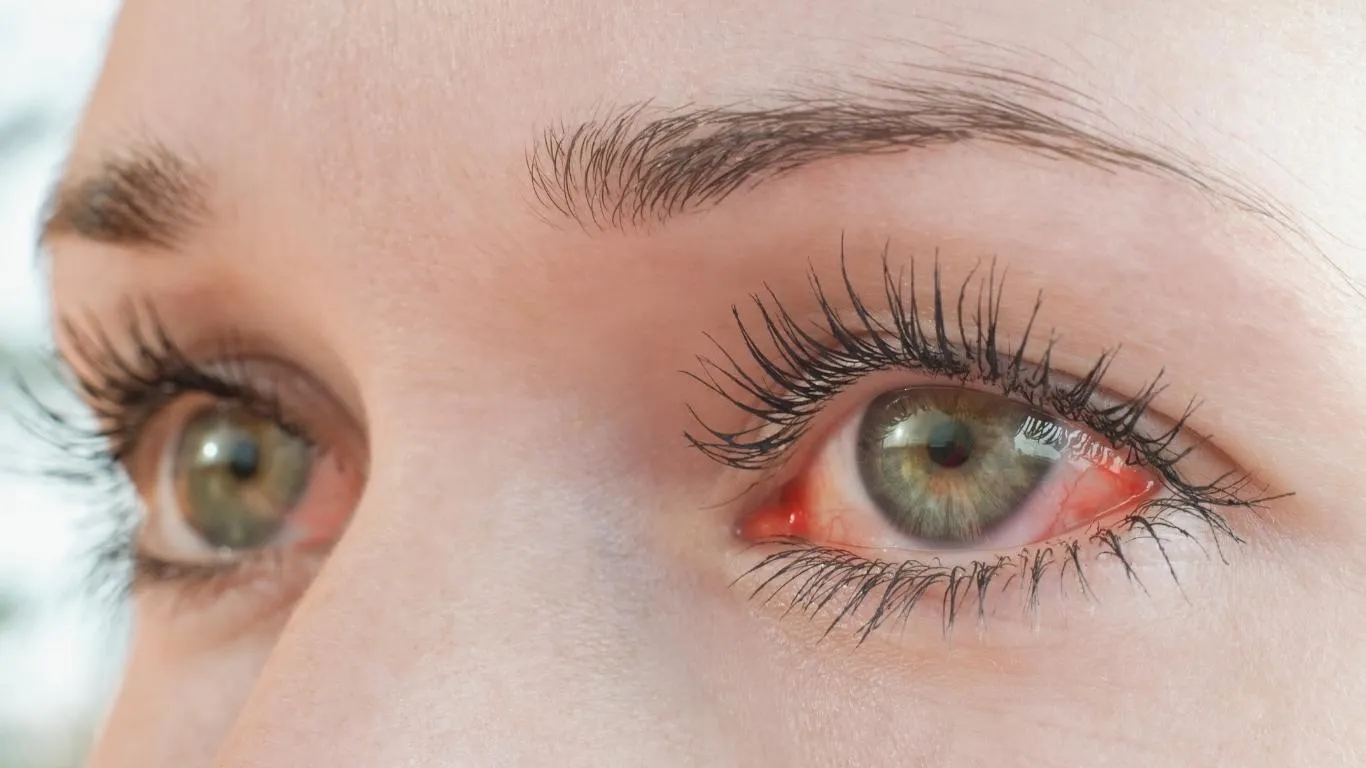
The short answer? Not directly. But frequently exposing your eyes to harsh or bright light (especially from overhead gallery lamps or direct sunlight on paintings) may make floaters more noticeable more often. This doesn’t worsen the floaters physically but can make your brain more aware of them.
In my case, after a few days of curating a local art event under bright white LEDs, my floaters felt almost persistent. They eventually faded from awareness again, but it was a reminder to take eye breaks and blink more often during extended focus.
Other Visual Triggers You Might Not Realize
- Bright screens with white backgrounds (hello, design software!)
- Sunlight bouncing off glossy surfaces
- Light-colored walls in minimalist office settings
- Photography editing sessions under high-contrast settings
There’s also evidence that intense visual tasks can amplify your perception of floaters, especially when done for long hours without rest.
Tips to Minimize Floaters When Viewing Bright Artwork
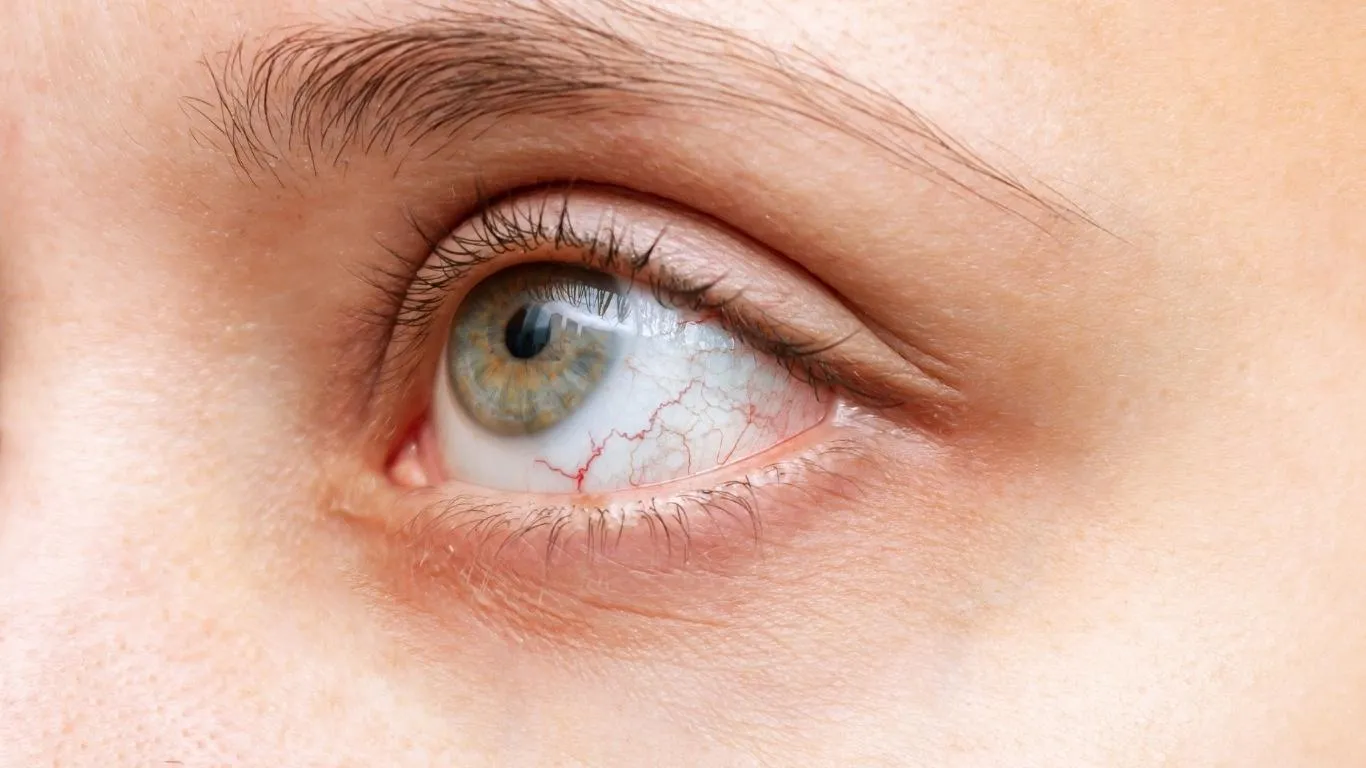
Over the years, I’ve found a few tricks that help reduce the distraction when viewing or working around high-contrast visuals:
- Avoid staring at white canvases or brightly lit walls for long stretches
- Blink frequently—it refreshes the tear film and shifts floaters
- Use warmer, diffused lighting in creative spaces when possible
- Try blue light filters if you’re also dealing with screen glare
And yes, while floaters may not disappear entirely, minimizing visual strain can make a world of difference. Some people also report that using proper computer glasses helps reduce how floaters show up during digital art sessions or editing.
But When Should You Be Concerned?
If floaters are suddenly more frequent, come with pain, or are accompanied by a curtain-like shadow in your vision, you should absolutely seek immediate care. You can read more about those red flags in our main guide on what eye floaters are and how to deal with them.
For a focused dive into the signs you shouldn’t ignore, this resource on dangerous floaters is especially valuable.
Do Floaters Get Worse with More Exposure to Bright Artwork?
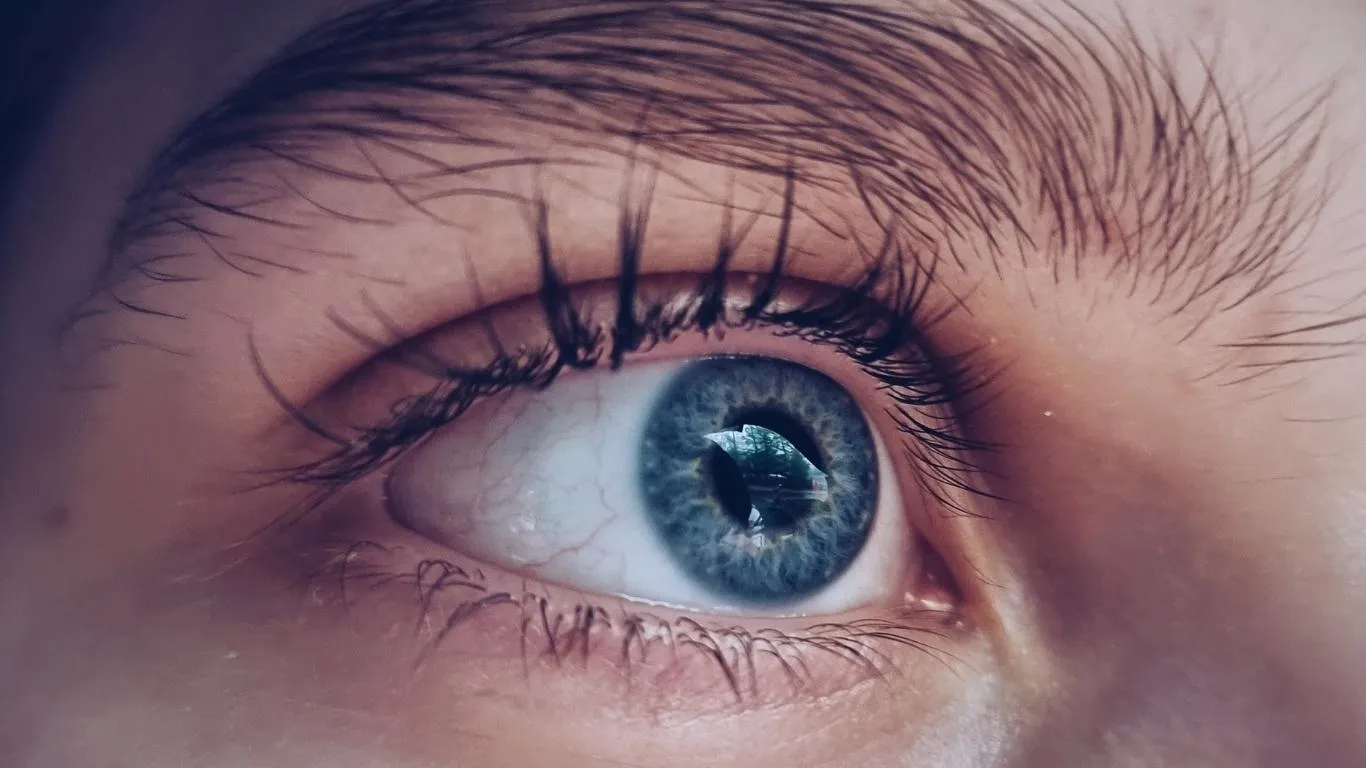
Let’s be clear—bright artwork doesn’t cause floaters. But it can absolutely highlight them. I’ve noticed that after spending hours surrounded by bright walls or artworks with high contrast and backlighting, my floaters seem to move more or become more defined. That doesn’t mean there are more of them; it just means my eyes are picking them up more easily in those conditions.
In fact, this effect is similar to what people report when they experience floaters more often in sunlight or while reading on white paper. It’s not about quantity—it’s about visibility.
If you’re in the habit of long hours under bright light (especially in studios, galleries, or on-screen editing), your experience may resemble those who see floaters after intense visual tasks.
What If the Floaters Suddenly Change?
This happened to me once after a stressful week of preparing for an art exhibition. I began seeing floaters in a different shape—more like strands than dots—and they didn’t go away even after a break. I ended up visiting an eye specialist who ruled out anything serious, but it was a wake-up call. Sudden changes? They’re never worth brushing off.
Changes in floaters can point to issues like a posterior vitreous detachment (PVD) or even early signs of retinal problems. If your floaters go from occasionally annoying to suddenly flashing, clumping, or multiplying, that’s not a quirk of bright art—it’s a reason to get checked.
Here’s a quick list of red flags you shouldn’t ignore:
- Sudden burst of new floaters
- Flashing lights in your peripheral vision
- Dark shadows or ‘curtain’ effect in your field of view
- Blurred or distorted central vision
These may signal something more serious. For more on that, check this deep dive on floaters that could be early signs of retinal tears.
Are There Any Remedies for Brightness-Induced Floater Awareness?
Let’s manage expectations: no supplement, drop, or yoga pose is going to “erase” floaters completely. That said, there are practical ways to reduce their presence—or your awareness of them—especially when working around bright artwork.
- Try tinted lenses or blue-light filter glasses: These help diffuse light and soften contrast, especially in white-heavy environments.
- Keep hydrated: Vitreous fluid changes with dehydration. Staying hydrated might lessen the density of floaters or prevent worsening symptoms.
- Eye rest cycles: Use the 20-20-20 rule. Every 20 minutes, look at something 20 feet away for at least 20 seconds.
- Control lighting: Warm, indirect lighting can reduce the contrast that makes floaters pop out.
And if you’re someone who experiences stress-induced floaters (yes, that’s a thing), this guide on managing stress-induced floaters might offer some relief strategies that don’t involve a prescription.
What Eye Experts Say About Floaters and Bright Visual Environments
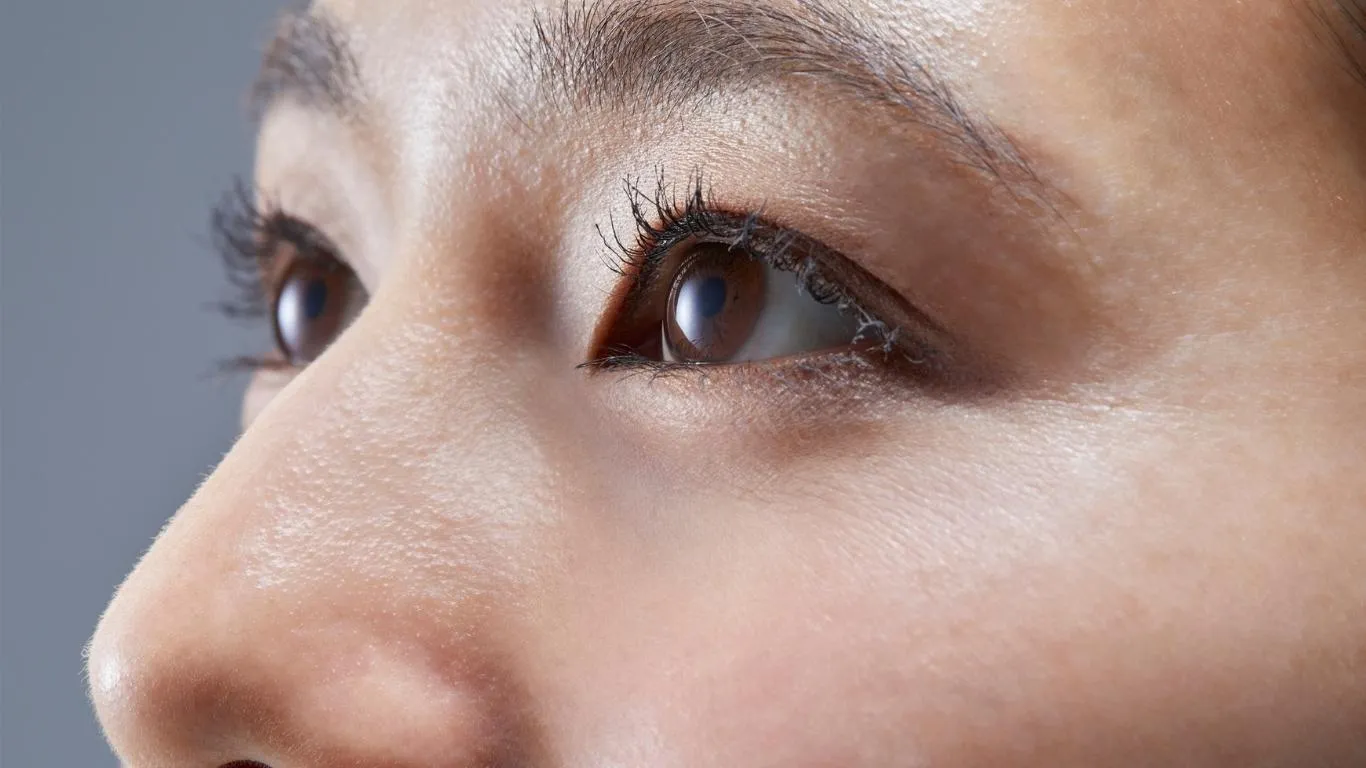
According to ophthalmologists from aao.org and nei.nih.gov, floaters are generally a benign part of aging, especially for those over 40. But the key is context. If they stay the same in size and frequency, they’re mostly harmless. If they evolve suddenly, there’s reason for concern.
In brightly lit or high-contrast environments, floaters are simply more visible—not more dangerous. However, it’s still crucial to distinguish between what’s normal and what’s not.
If you’ve ever wondered whether your floaters are harmless or a warning sign, bookmark this comprehensive guide on treatments and options for managing eye floaters. It covers everything from observation and natural remedies to surgical interventions like vitrectomy or laser therapy.
What Artists, Designers, and Creatives Can Do
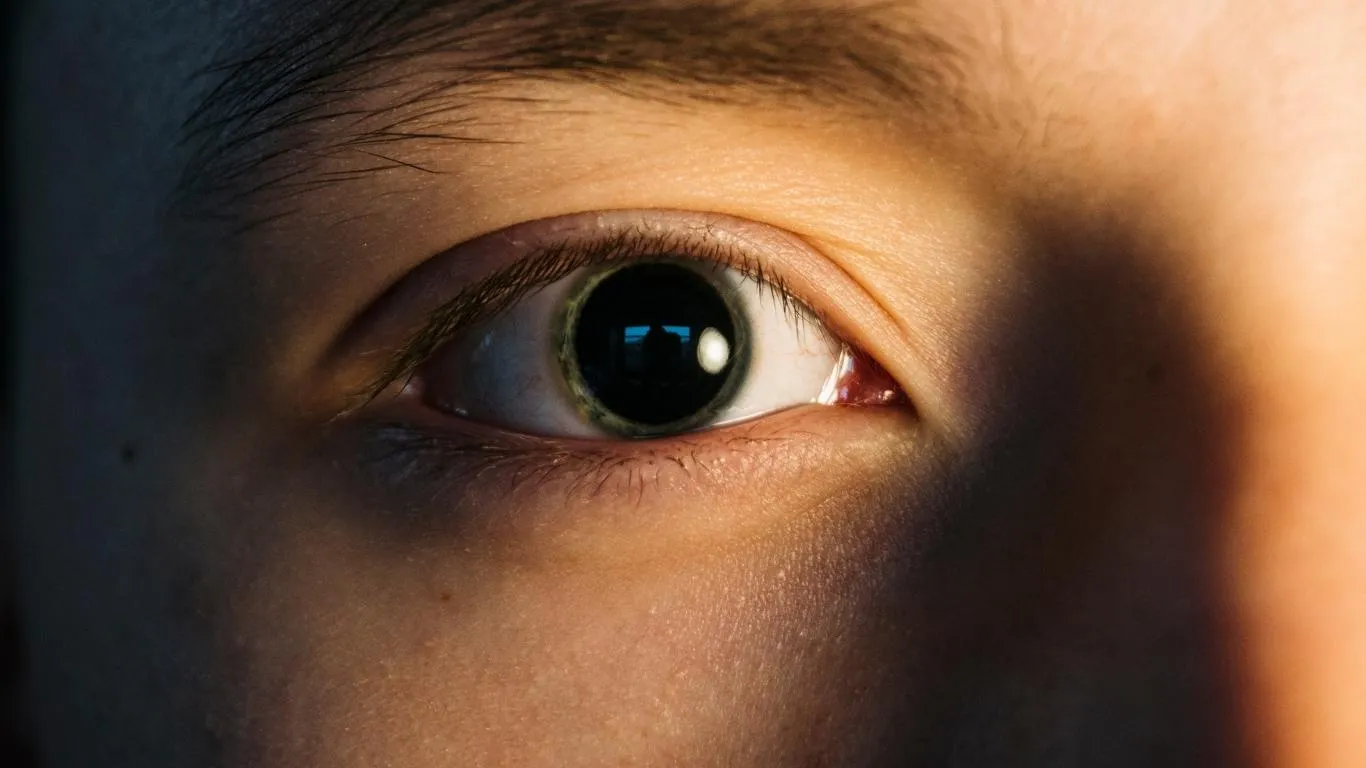
As someone who often works in studio settings, I know the visual struggle all too well. A few years ago, I even had to rearrange my workspace lighting after a particularly annoying stretch of floater sensitivity. Here’s what helped me—and what I’d recommend to fellow creatives:
- Diffuse your workspace lighting: Use shaded lamps or indirect LED lighting instead of harsh overhead lights.
- Paint studio walls in soft tones: Whites or bold brights amplify floater visibility. Off-whites or grays help reduce this effect.
- Switch between light and dark mode when designing: Constant exposure to white backgrounds can strain the eyes.
- Adjust contrast levels in digital workstations: Tools like F.lux or built-in monitor settings make a noticeable difference.
If you’re still unsure whether you’re dealing with harmless floaters or something worth deeper medical attention, check this excellent resource on what causes floaters and when to worry.
When It’s Time to Talk to a Doctor
Last year, I met someone who ignored floaters in their left eye for months—until they started seeing flashes. By the time they sought help, they were diagnosed with a partial retinal tear. Floaters are easy to ignore, especially in creative or visually stimulating professions, but sometimes they’re trying to tell us something.
Getting an annual eye exam, especially if you’re noticing floaters more frequently under certain lighting conditions, is never a bad idea. In fact, many floaters can be early indicators of systemic conditions like diabetes or autoimmune issues.
For a complete overview of what causes, worsens, and alleviates floaters, check out our main guide on eye floater causes and treatments.

Camellia Wulansari is a dedicated Medical Assistant at a local clinic and a passionate health writer at Healthusias.com. With years of hands-on experience in patient care and a deep interest in preventive medicine, she bridges the gap between clinical knowledge and accessible health information. Camellia specializes in writing about digestive health, chronic conditions like GERD and hypertension, respiratory issues, and autoimmune diseases, aiming to empower readers with practical, easy-to-understand insights. When she’s not assisting patients or writing, you’ll find her enjoying quiet mornings with coffee and a medical journal in hand—or jamming to her favorite metal band, Lamb of God.