Why You Notice More Floaters When Walking Under Tree Canopies
It’s one of those oddly specific experiences that had me second-guessing my vision—walking under a tree canopy on a sunny day and suddenly noticing little specks, threads, or shadowy blobs drifting around in my line of sight. I used to brush it off as just “sunlight playing tricks.” But it kept happening—more often than I’d like to admit—and that’s when I realized I wasn’t alone. If you’ve ever noticed floaters when walking under tree canopies, you’re definitely not imagining things.
Why Do Floaters Show Up So Vividly Under Tree Canopies?
Let’s talk lighting. Tree canopies filter sunlight in such a way that it creates this dappled, high-contrast background. That environment is perfect for exposing those transparent clumps in your vitreous—also known as floaters. The same floaters that go unnoticed while you’re indoors or during cloudy weather suddenly become ultra-visible when you’re under shifting light patterns.
From my own experience, the contrast between the leaves and sunrays almost “highlights” floaters like they’re on display. According to the Healthusias article on outdoor-only floaters, that’s incredibly common—especially for those over 30 or with mild nearsightedness.
It’s Not Just in Your Head—There’s a Visual Science Behind It
Your retina picks up on movement and contrast exceptionally well. Floaters, which are technically shadows cast by protein fibers or debris inside your eye, are nearly invisible in uniform lighting. But under dappled sunlight, the movement of your eyes—and the shifting of light between leaves—makes those shadows more noticeable.
Could Tree Canopy Floaters Signal Something Worse?
This is the question I eventually found myself asking. While floaters are usually benign, there are situations where a sudden increase or a shift in floater behavior could be a red flag. If walking under tree canopies makes you suddenly see more floaters than usual—or if they’re accompanied by light flashes—you might want to read this in-depth guide on when floaters become dangerous.
In rare cases, sudden floaters might be tied to issues like retinal tears, inflammation, or posterior vitreous detachment (PVD). According to the American Academy of Ophthalmology (https://aao.org), floaters that appear suddenly or seem to “shower” across your field of vision warrant immediate medical attention.
When I Decided to See an Eye Specialist
I remember one afternoon hike under thick canopy—floaters seemed to be “following” me more persistently than usual. I chalked it up to fatigue at first, but curiosity (and a bit of anxiety) drove me to see an optometrist. Turns out, I had early vitreous degeneration. Not serious, but definitely something that needed monitoring. That peace of mind? Totally worth it.
Tips to Make Tree-Canopy Walks More Comfortable
If your floaters feel more aggressive during wooded walks, you’re not powerless. A few practical tricks helped me ease the experience:
- Polarized sunglasses: These reduce glare and can dampen contrast, making floaters less noticeable.
- Adjust your gaze: Looking slightly downward or changing your head tilt reduces floater interference in some cases.
- Hydrate: Dehydration might make floaters worse for some people. I noticed mine were more intense on dry days.
- Keep track: I started noting floater intensity on different walks, which actually helped identify triggers—like fatigue, screen exposure before the walk, or lack of sleep.
Could Lifestyle or Habits Be Making It Worse?
Absolutely. Floaters can become more prominent due to things like stress, dehydration, long screen time, and even caffeine overload. I stumbled across this useful article on caffeine and floaters that made me cut back on coffee before hikes—and believe it or not, that helped.
Also, floaters are more noticeable when your eyes are already strained. Prolonged screen use can dry out your eyes and aggravate the problem when you finally step outside.
Are Eye Floaters Inevitable as We Age?
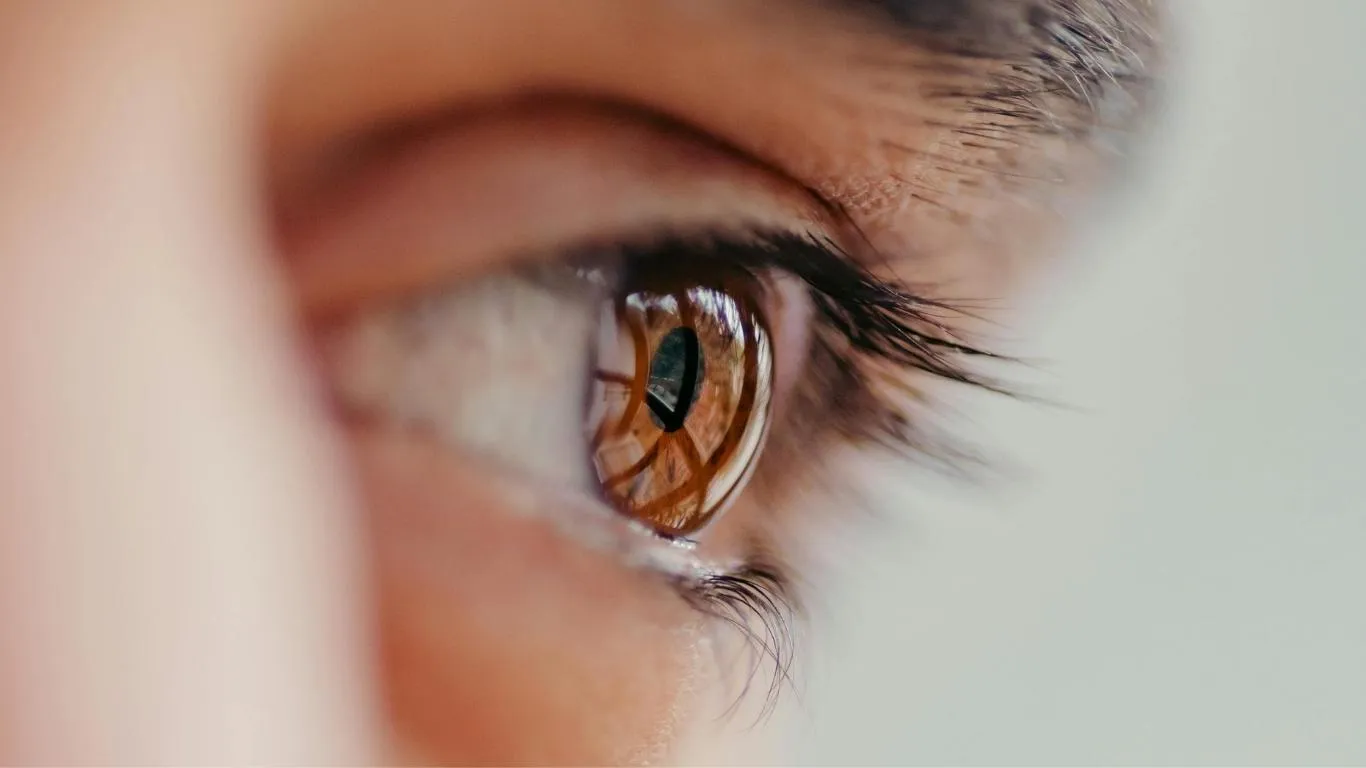
While age is a major factor, not everyone experiences floaters the same way. In fact, the causes of eye floaters range from natural aging to trauma and chronic conditions like diabetes or autoimmune issues. Floaters can begin appearing as early as your 20s, and yes, they often become more noticeable with time, especially during outdoor activities.
Floaters caused by vitreous syneresis—that’s the natural shrinking of the gel-like substance in our eyes—tend to be most visible against bright, uneven backgrounds like tree canopies, sandy beaches, or snow-covered trails.
Understanding the Bigger Picture
If you’re seeing floaters under tree canopies, that’s not just a quirk of nature—it might be the only time you actually notice them. That doesn’t mean they’re new; they’re just finally standing out. So while the experience might seem random, the science behind it is surprisingly straightforward. I found this resource helpful in understanding the broader topic: What Are Eye Floaters?
Can You Prevent Floaters from Getting Worse During Outdoor Walks?
Now here’s the thing I wish I’d known earlier—there’s no magic fix to erase floaters completely (unless you’re going the surgical route, which I’ll touch on soon), but you can absolutely reduce how much they interfere with your life, especially under tree canopies. I started making small changes—adjusting my walk times, wearing better lenses, keeping my eyes hydrated—and it made a noticeable difference.
Timing Your Walks Can Help
Early mornings or late afternoons tend to offer softer lighting under trees. That harsh midday contrast, when the sun’s directly overhead and slicing through the leaves? Yeah, that’s floater city. I noticed my floaters were way less annoying when I walked before 10 AM or after 5 PM.
Eye Health Starts With…Your Gut?
Believe it or not, certain nutrients support the vitreous body—the gel inside your eye. I didn’t buy into this at first, but after consistently increasing my intake of collagen-boosting foods and lutein-rich greens, the “storm” of floaters calmed down. Might’ve been placebo, might’ve been real—but I’ll take it. If you’re curious, this post about eye-friendly nutrition is a good start.
- Vitamin C & E: Protect against oxidative damage in the eye.
- Lutein & Zeaxanthin: Found in leafy greens—great for retina support.
- Collagen & Hyaluronic acid: Help preserve the vitreous structure.
When to Worry About Floaters (and Not Just Under Trees)
Here’s the tricky part—just because floaters are more noticeable outside doesn’t mean they’re getting worse. But if you’re suddenly seeing more of them indoors, or they come with other symptoms like blurry vision, peripheral darkness, or flashes of light, that’s when you need to get checked out fast.
According to the National Eye Institute, floaters can be early signs of retinal tears or detachments. I don’t say that to scare you—but staying aware of the patterns is important. I personally check for a few things when I notice a floater surge:
- Are they new or just more visible?
- Do they come with flashes or light streaks?
- Is there a curtain-like shadow in my peripheral vision?
If the answer is yes to any of those, it’s time to contact an eye specialist. The sooner, the better. For a deep dive into identifying serious red flags, this guide helps: Eye Floaters vs. Other Eye Issues.
Can Floaters Be Treated or Removed?
This question always comes up. Short answer: yes. Long answer? It depends. Most floaters don’t need treatment. But if they’re impacting your daily life, especially if they’re persistent and visually disruptive under bright outdoor conditions, you’ve got a couple of options.
Common Medical Options
- Observation: Most doctors recommend a “wait and see” approach unless symptoms change.
- Vitrectomy: A surgical removal of the vitreous gel—effective, but usually reserved for extreme cases due to risks like cataracts and retinal detachment.
- Laser Vitreolysis: Uses laser to break up larger floaters. Not always widely available and only works for specific types.
I haven’t personally opted for treatment, but I’ve spoken to two friends who did. One chose observation, and her floaters faded naturally over a year. The other tried laser vitreolysis with decent results, but only after consulting a retinal specialist who gave the green light. Their experiences reminded me—every case is wildly individual.
Read this breakdown of eye floater treatment options if you’re seriously considering your next steps.
Do Floaters Ever Fully Go Away?
In many cases, yes. But not always in the way you expect. Some floaters dissolve or “sink” to the bottom of your eye over time where they become less noticeable. Others stick around but fade into the background of your vision. I still see a few now and then—especially under tree canopies—but they no longer steal my focus like they used to.
If floaters feel new or alarming, it’s a good idea to start with this comprehensive guide on floaters to get a solid foundation on what’s normal—and what’s not.

Camellia Wulansari is a dedicated Medical Assistant at a local clinic and a passionate health writer at Healthusias.com. With years of hands-on experience in patient care and a deep interest in preventive medicine, she bridges the gap between clinical knowledge and accessible health information. Camellia specializes in writing about digestive health, chronic conditions like GERD and hypertension, respiratory issues, and autoimmune diseases, aiming to empower readers with practical, easy-to-understand insights. When she’s not assisting patients or writing, you’ll find her enjoying quiet mornings with coffee and a medical journal in hand—or jamming to her favorite metal band, Lamb of God.