Why Floaters While Looking at Mirror Tiles Seem Worse and How to Manage
Have you ever found yourself staring at your reflection in a bathroom mirror, only to be distracted by tiny specks or squiggly lines drifting across your vision? You blink, rub your eyes, even tilt your head — but those annoying floaters are still there. I know the feeling all too well. I used to think it was just dirt on my glasses or maybe a trick of the light, but it turns out, “floaters while looking at mirror tiles” is a real phenomenon that has a lot to do with how our eyes process light and reflections.
Why Mirror Tiles Make Eye Floaters More Noticeable
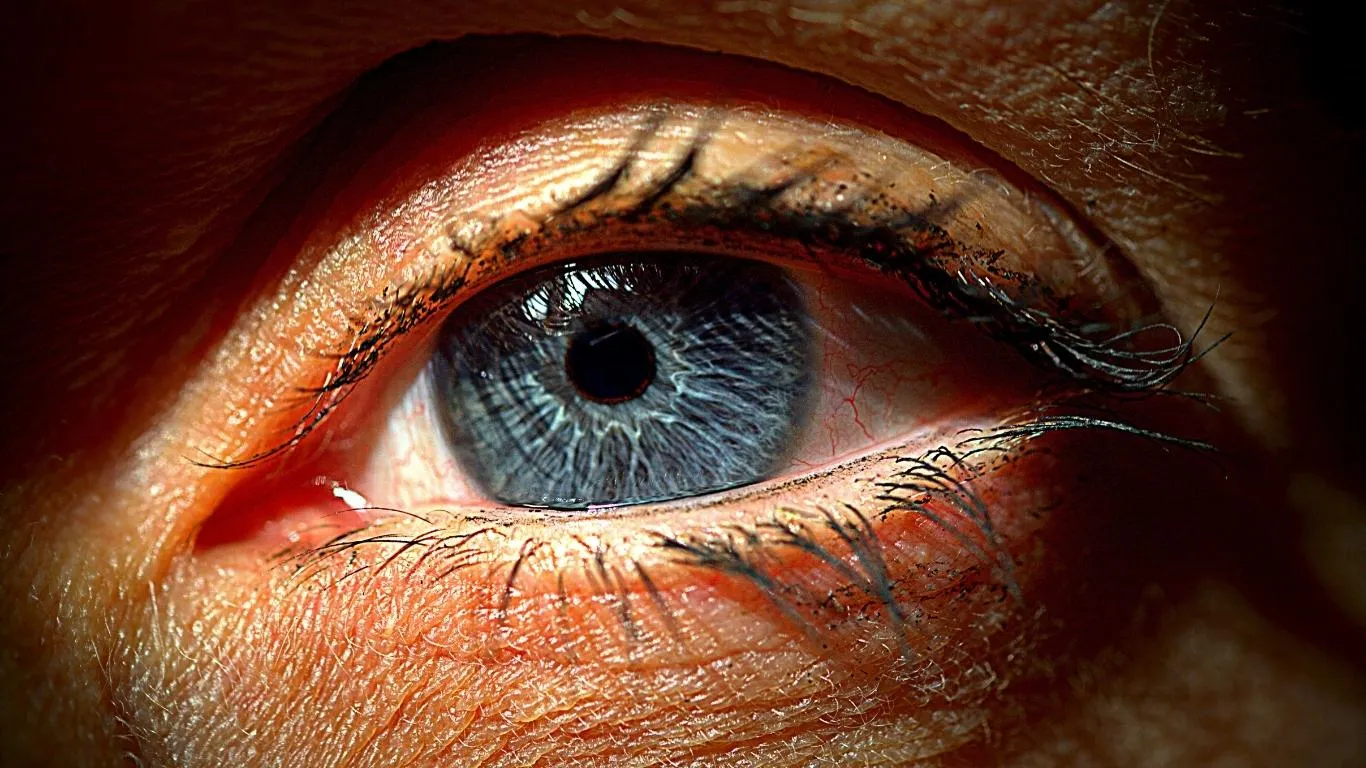
Mirror tiles, with their reflective surfaces and sharp lighting contrasts, often create the perfect backdrop for floaters to stand out. When natural or artificial light hits those mirrors, it bounces back with intensity, illuminating the microscopic collagen fibers floating in the vitreous humor of your eyes. What was previously subtle becomes glaringly obvious.
I’ve noticed this effect most when getting ready in brightly lit bathrooms. It’s as if those floaters suddenly become high-definition, floating ominously every time I glance sideways.
The Science Behind Why Reflections Highlight Floaters
Our eyes are filled with a gel-like substance called vitreous. Over time, this gel can develop tiny clumps or strands, which cast shadows on the retina. Normally, you might not notice them unless you’re looking at a clear sky or a white wall. However, mirror tiles amplify light in a way that creates stark visual fields, making these floaters pop out.
In fact, lighting plays a massive role. A study from American Academy of Ophthalmology explains how high contrast environments, like mirrors in bright rooms, make vitreous floaters more perceptible. That explains why you rarely notice them in dimly lit spaces.
Are Floaters in Mirrors a Sign of Eye Problems?
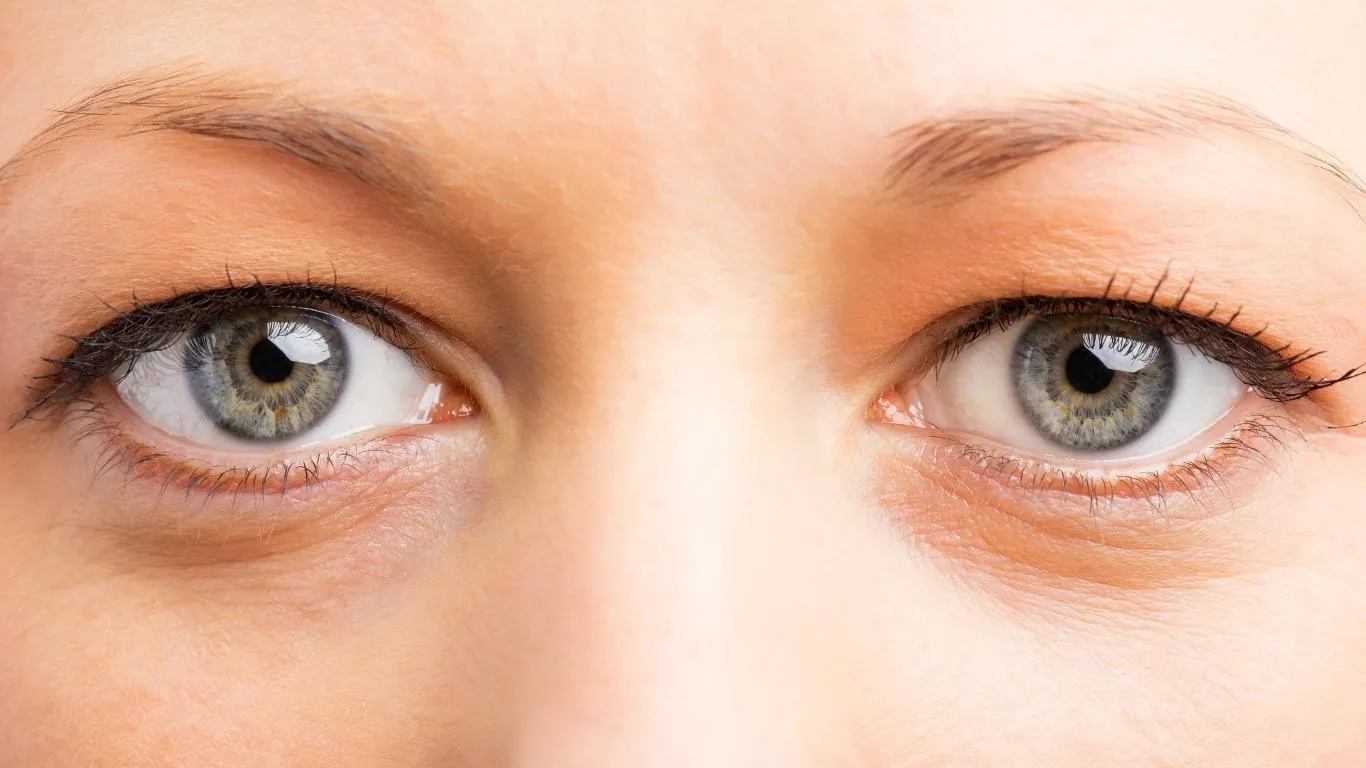
Seeing floaters while looking at mirror tiles doesn’t necessarily mean you have a serious eye condition. In most cases, floaters are a normal part of aging, especially after 40. However, if you suddenly experience a shower of floaters, flashing lights, or a dark curtain over your vision, it could indicate a retinal tear or detachment.
For more detailed signs you shouldn’t ignore, check out this guide on when floaters are dangerous. It helped me understand when it was time to consult an eye specialist and not just blame my bathroom lighting.
When Floaters Become a Warning Sign
- Sudden increase in number or size
- Flashes of light (photopsia)
- Peripheral vision loss (curtain effect)
If you notice any of these alongside your mirror floater episodes, seek medical attention promptly. Retinal detachments can progress quickly if untreated.
Can Lighting Adjustments Reduce Mirror Floaters?
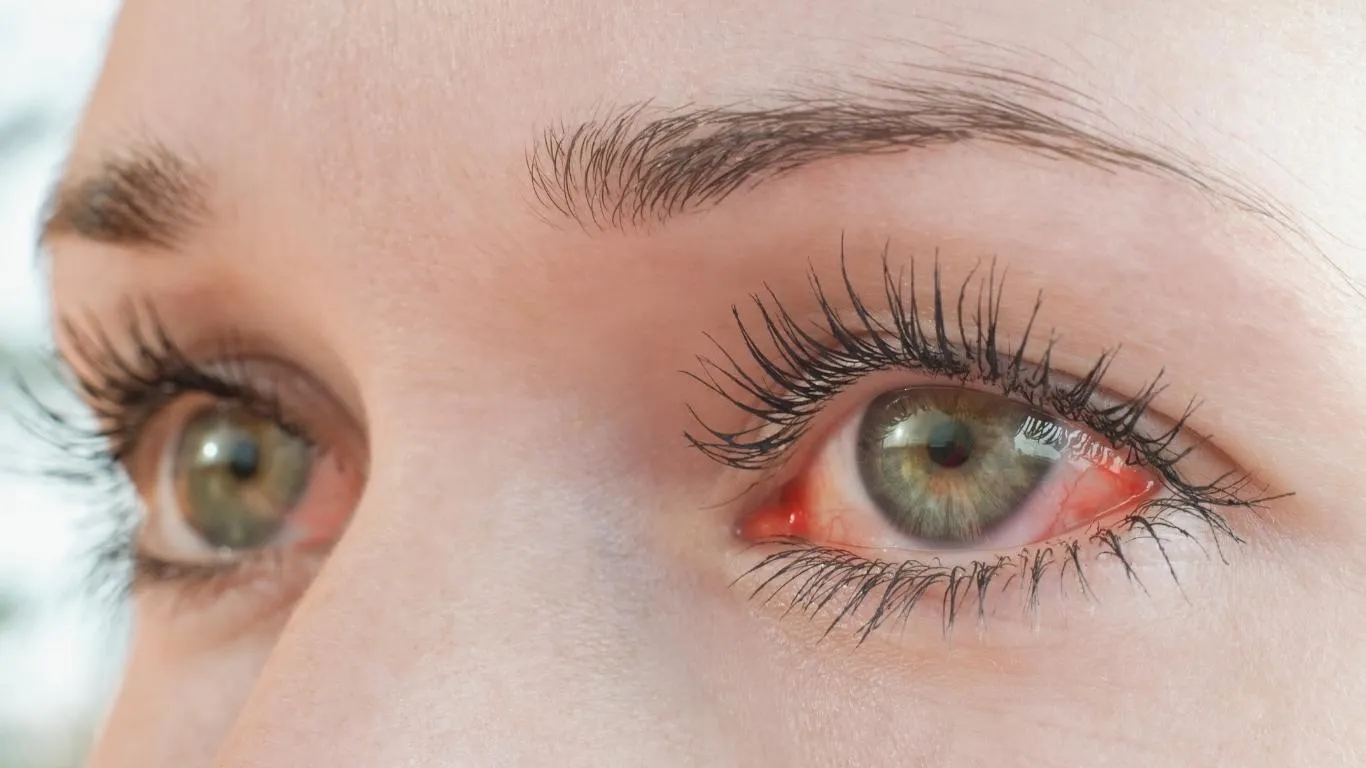
One personal hack I’ve found incredibly useful is tweaking the lighting around mirror tiles. Switching from intense white LEDs to softer, warmer tones can significantly reduce how often floaters jump into your visual field. Similarly, installing diffused lighting fixtures rather than direct overhead spots softens harsh reflections.
This approach isn’t just anecdotal. According to experts at Mayo Clinic, modifying visual environments can make floaters less intrusive. It’s a practical, non-invasive way to improve daily comfort without resorting to medical treatments.
Simple Home Adjustments to Manage Floater Visibility
- Use frosted or matte finish tiles to diffuse reflections.
- Opt for warm white bulbs instead of cool daylight LEDs.
- Install indirect lighting to reduce harsh glare on mirrors.
Ever since I dimmed the lights around my vanity mirror, my morning routines have felt a lot less “floaty”. It’s not a cure, but it definitely helps make them less annoying.
When Floaters While Looking at Mirrors Indicate Something More

While most floaters are benign, certain underlying conditions can make them worse. For instance, individuals with high myopia often report seeing floaters more vividly. Also, eye inflammation like uveitis can exacerbate the appearance of floaters in reflective environments. You can learn more about how uveitis triggers floaters here.
For me, a surprising trigger was dehydration. I discovered this after noticing floaters were worse after long days without proper hydration. A fascinating read on how dehydration affects floaters confirmed my experience.
Other Factors That Can Intensify Floaters in Mirrors
- High blood pressure spikes
- Post-cataract surgery changes
- Eye strain from prolonged screen time
If you fall into any of these categories, managing these factors may lessen how disruptive floaters feel when facing a mirror. For more general insights on what causes floaters, this comprehensive guide on eye floaters is an excellent resource.
Effective Remedies to Minimize Floaters While Looking at Mirror Tiles
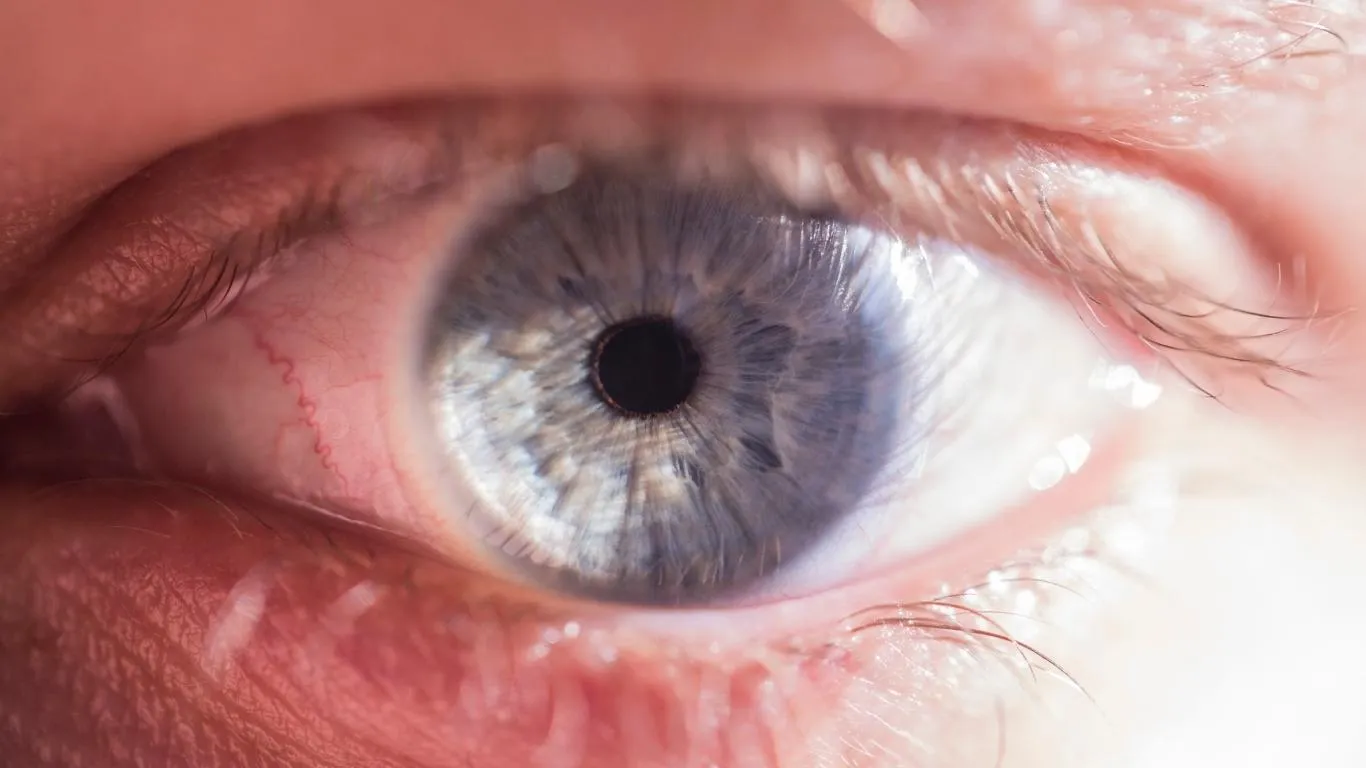
While there’s no magic cure to erase floaters completely, I’ve found a few strategies that genuinely help minimize their distraction—especially when dealing with mirror tiles. From simple eye exercises to lifestyle tweaks, managing floaters is more about adaptation than elimination.
One of the game-changers for me was learning about eye fluid circulation exercises. They sound fancy, but really, they’re just controlled eye movements designed to keep the vitreous humor more dynamic. You can explore practical steps in this exercise guide for floaters.
My Daily Routine to Keep Floaters Less Noticeable
- Morning Hydration: Start the day with 500ml of water to keep the vitreous gel hydrated.
- Eye Rolling Exercises: Slowly roll your eyes in circular motions for a few minutes. It helps shift floaters out of your central vision temporarily.
- 20-20-20 Rule: Every 20 minutes, look at something 20 feet away for at least 20 seconds to reduce strain.
These steps might seem basic, but in my experience, consistency is what makes the difference. Floaters don’t vanish, but their intrusion fades into the background of daily life.
Nutrition Adjustments That Support Vitreous Health
I’ll admit, I didn’t think what I ate had anything to do with the floaters in my eyes. But after diving into some research, I realized that certain nutrients can support eye health, making floaters less problematic over time. Omega-3 fatty acids, Vitamin C, and Lutein-rich foods are fantastic allies.
Curious about how diet impacts floaters? This dietary guide for floaters offers a breakdown of which foods genuinely make a difference.
Foods I Swear By to Support My Vision
- Spinach and kale (loaded with Lutein)
- Fatty fish like salmon (rich in Omega-3s)
- Citrus fruits for daily Vitamin C intake
After a few months of being mindful of these foods, I’ve noticed floaters are less intrusive—especially when facing brightly lit mirror tiles first thing in the morning.
When Medical Treatments Might Be Worth Considering
For some people, floaters become so dense or bothersome that lifestyle adjustments just aren’t enough. While I personally haven’t taken this route, I did explore medical options during one particularly frustrating month. Procedures like YAG laser vitreolysis or vitrectomy are more invasive solutions aimed at removing or breaking up floaters.
However, most ophthalmologists, including those at Cleveland Clinic, recommend these only for severe cases where floaters significantly impair vision. It’s worth having a detailed conversation with a specialist if floaters are affecting your quality of life in a big way.
Risks to Consider Before Opting for Treatment
- Possible retinal tears or detachment after vitrectomy
- Temporary or permanent changes in vision clarity
- Floaters might return or shift rather than disappear
Before jumping into treatments, I highly recommend reading this in-depth article on eye floater treatment options to weigh the pros and cons carefully.
Eye Strain & Screen Time: An Overlooked Trigger with Mirror Floaters
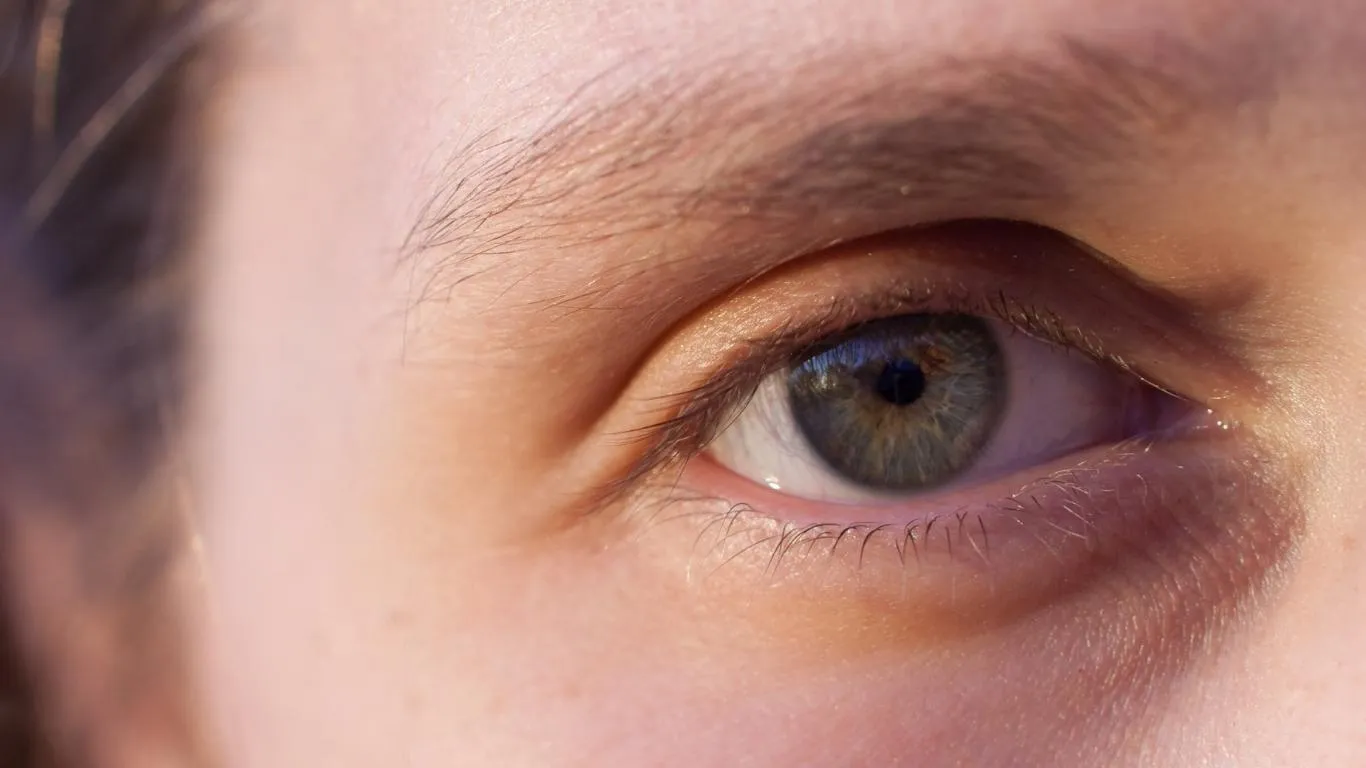
One thing that surprised me was how my floaters became worse after long hours of screen time. The visual fatigue from staring at digital devices seems to amplify the awareness of floaters, and when I’d move to a bathroom mirror post-laptop session, those floaters felt 10x worse.
If you’ve experienced something similar, this article on screen time floaters is a must-read.
Simple Ways to Reduce Screen-Induced Floater Sensitivity
- Use blue light filter glasses during extended screen use.
- Ensure proper monitor height and ergonomic positioning.
- Adopt digital minimalism strategies to reduce unnecessary screen time.
Could Stress Be Making Your Floaters Worse?
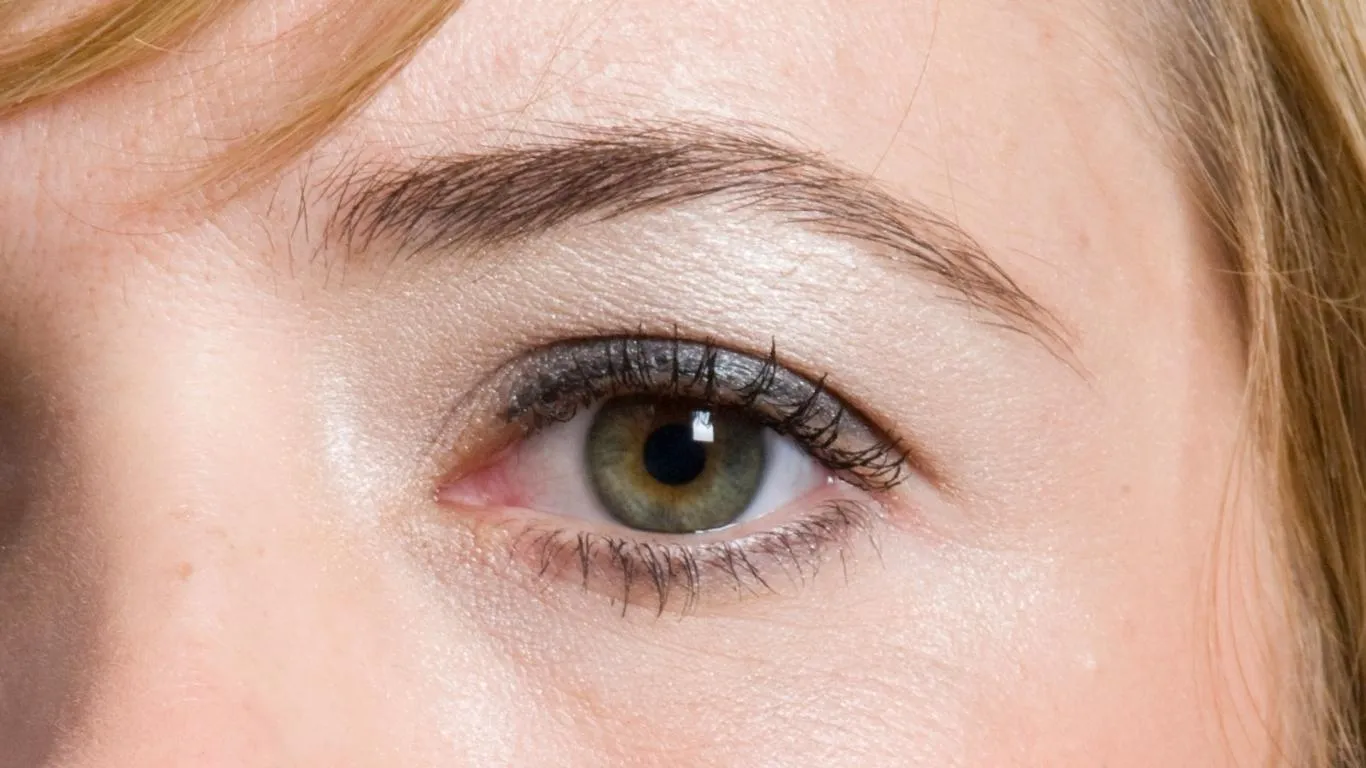
Stress is one of those sneaky triggers that can exacerbate floater perception. During high-stress periods, I found myself obsessing over every floater, especially when standing in front of reflective surfaces like mirrors. It’s a vicious cycle — the more you notice them, the more anxious you become, which in turn makes you hyper-aware of them again.
I stumbled upon a great piece on how stress links to floaters, and it provided practical relaxation techniques that genuinely helped me break that loop.
Stress-Relief Tips That Helped Me Stop Focusing on Floaters
- 5-minute mindful breathing exercises in the morning.
- Reducing caffeine intake, which amplified jittery vision for me.
- Daily 15-minute walks without digital distractions.
Managing stress won’t eliminate floaters, but it dramatically reduces how often they hijack your attention, especially in high-contrast settings like mirror tiles.
Don’t Mistake Floaters for More Serious Conditions
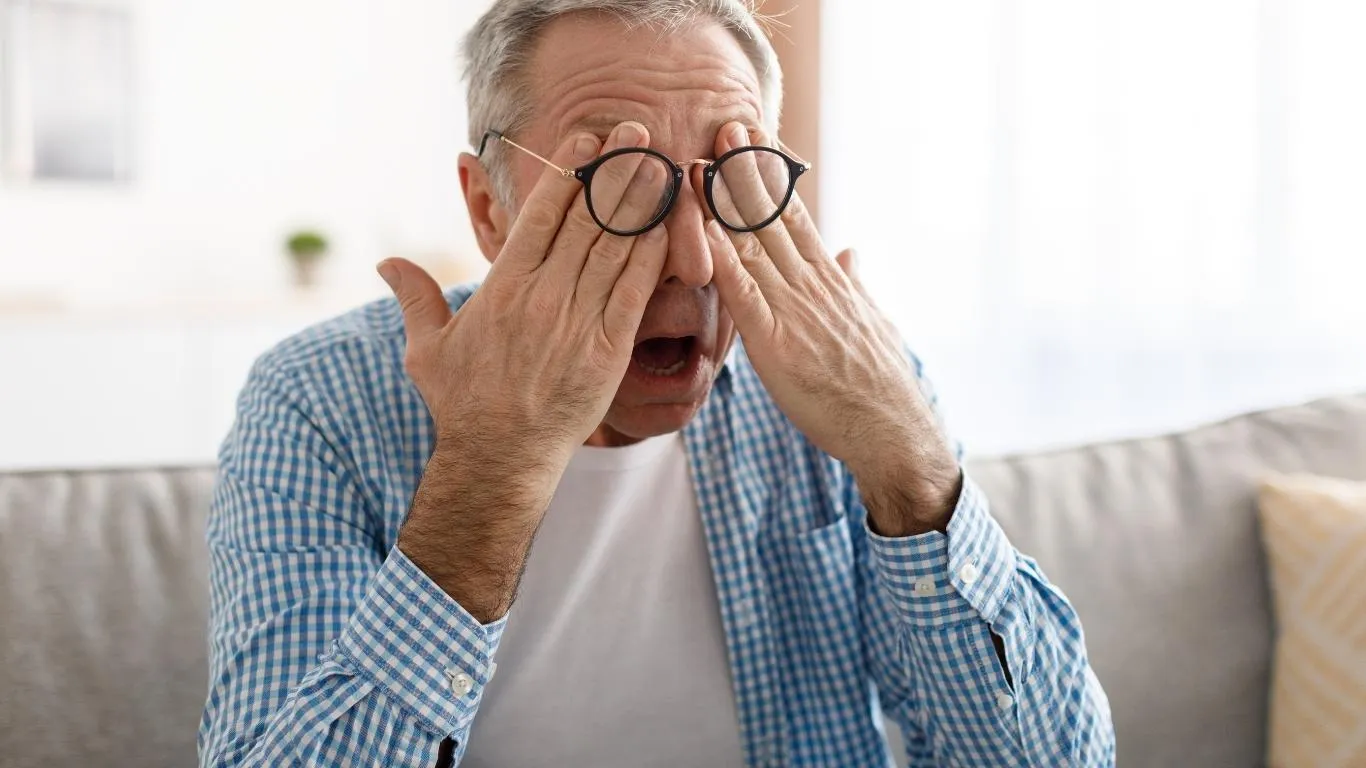
One critical takeaway I’ve learned is not to dismiss new or unusual floater patterns lightly. While many floaters are harmless, certain changes can indicate retinal issues. I once experienced floaters that resembled cobwebs, which turned out to be a sign of posterior vitreous detachment (PVD).
If you ever notice a sudden burst of floaters or a distinct change in their pattern, make sure to consult resources like this guide on PVD and contact an eye specialist immediately.
For a deep dive into how to differentiate floaters from other eye issues, I’d recommend this comprehensive article on eye floaters vs other eye problems.

Camellia Wulansari is a dedicated Medical Assistant at a local clinic and a passionate health writer at Healthusias.com. With years of hands-on experience in patient care and a deep interest in preventive medicine, she bridges the gap between clinical knowledge and accessible health information. Camellia specializes in writing about digestive health, chronic conditions like GERD and hypertension, respiratory issues, and autoimmune diseases, aiming to empower readers with practical, easy-to-understand insights. When she’s not assisting patients or writing, you’ll find her enjoying quiet mornings with coffee and a medical journal in hand—or jamming to her favorite metal band, Lamb of God.