Why Floaters Ruin City Lights at Night and How to Minimize Them
It always catches me off guard—the moment when city lights at night turn into a swirling mess of tiny floaters drifting across my vision. If you’ve experienced this, you know exactly what I mean. It’s not that the floaters weren’t there before, but against the backdrop of bright neon signs and street lamps, they suddenly become the main attraction. Let’s dive into why these floaters seem more noticeable when you’re out enjoying the cityscape, and what’s actually going on inside our eyes.
Why Floaters Stand Out Against Night City Lights
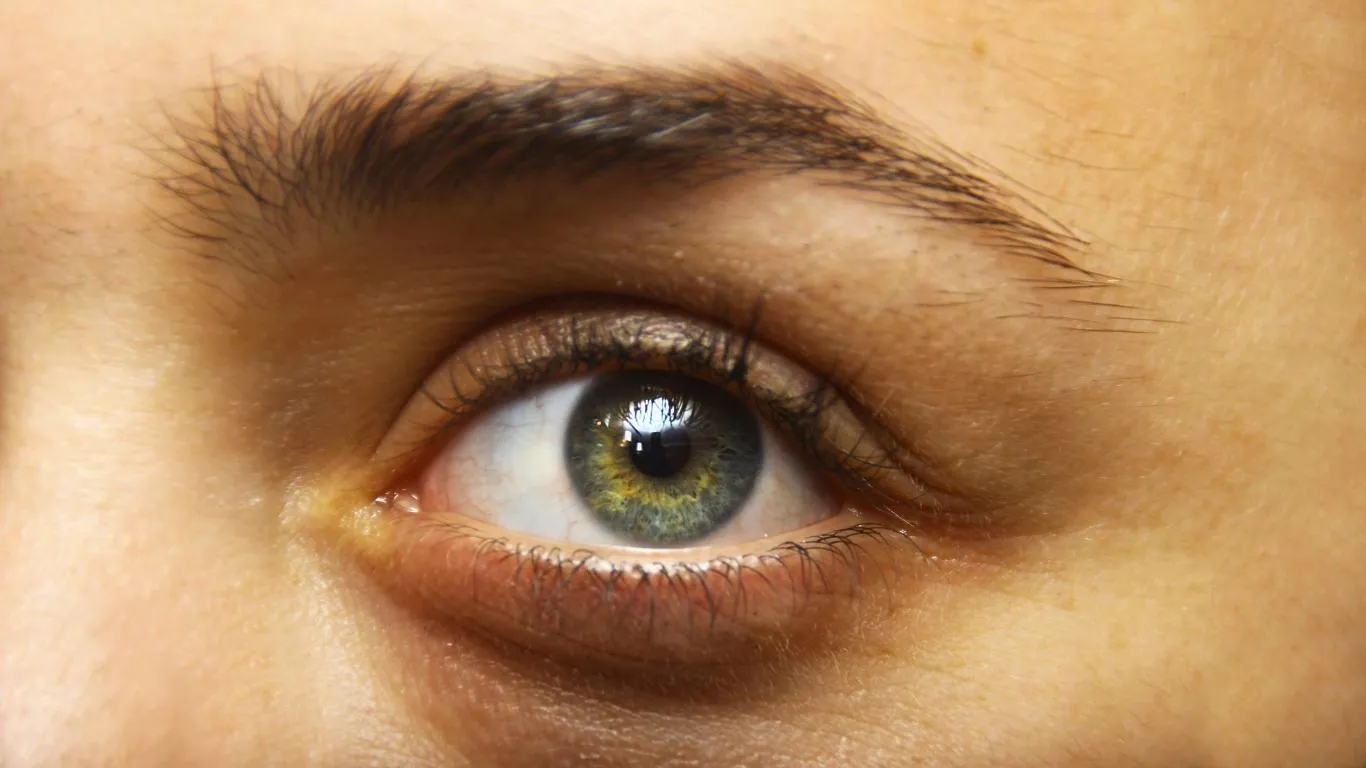
Floaters are those squiggly strands, dots, or cobweb-like shadows that drift lazily across your field of vision. They become exceptionally vivid when you’re looking at high-contrast backgrounds, like a bright sign glowing in the dark. The scientific reason? The vitreous gel inside our eyes shrinks and liquefies as we age, leaving behind microscopic collagen fibers that cast shadows on the retina.
When you’re strolling downtown, mesmerized by shimmering skyscraper lights, your pupils dilate in the low light. This pupil dilation intensifies the focus on internal visual “noise” like floaters. Plus, city lighting often has a flicker or glare effect, which makes these floaters pop even more.
My Personal Encounter: When Floaters Took Over the Night Skyline
A few months ago, while watching a rooftop light show, I noticed how floaters started dancing furiously across my view. It was frustrating. At first, I thought maybe my glasses were dirty. Nope. Turns out, it’s a common complaint. Floaters against bright backgrounds—whether it’s a computer screen or city lights—are often more pronounced simply because of contrast and pupil size dynamics.
Causes Behind Floaters Becoming Prominent at Night
1. Pupil Dilation in Low Light
At night, your pupils widen to let in more light. While this helps you see in darker environments, it also allows more peripheral light reflections inside the eye. This internal light scatter makes those tiny vitreous floaters stand out in sharp relief.
2. High-Contrast Lighting in Urban Areas
Cityscapes are full of sharp lighting contrasts. Bright signs against dark skies act like a spotlight for floaters. It’s the visual equivalent of dust motes being visible only when sunlight filters through a window.
3. Eye Fatigue & Dehydration
Ever noticed your floaters become worse after a long day or if you’re slightly dehydrated? That’s not your imagination. Fatigue can amplify the brain’s perception of floaters. Dehydration reduces vitreous fluid clarity, making floaters more obvious. Check this link about dehydration and floaters for deeper insights.
Are These Floaters a Sign of Something Serious?
While floaters are typically harmless, sudden increases in number, or floaters accompanied by flashes of light, could indicate a retinal tear. That’s a situation where you should not delay a trip to the eye doctor. Here’s a breakdown of when floaters might signal something serious.
Simple Tips to Minimize Floater Distraction While Enjoying City Lights
- Blink frequently to move the floaters out of your central vision field.
- Adjust your gaze angle slightly to redirect floaters to less distracting areas.
- Try to avoid looking directly at harsh neon lights; peripheral vision reduces floater prominence.
- Stay hydrated — you’d be surprised how much water clarity affects vitreous health.
In some cases, even adjusting the brightness level on your eyeglasses (if you use photochromic lenses) can ease the discomfort. But if floaters seem to be a nightly nuisance, it’s worth looking into current treatment options for eye floaters.
When to Consider a Professional Checkup
If you’re like me, you probably tried to ignore them at first. But after my floaters started interfering with night driving, I booked an eye exam. The doctor reassured me it wasn’t an emergency, but regular checkups are essential. Eye floaters, especially those noticeable against city lights, can sometimes hint at underlying conditions like posterior vitreous detachment. You can read more in this in-depth article about posterior vitreous detachment.
For a full understanding of floaters, including their common causes, symptoms, and treatments, I highly recommend checking out this comprehensive guide on eye floaters.
Can Lifestyle Changes Reduce Floater Visibility at Night?
I used to think floaters were just something I had to live with, but small tweaks in my daily routine made noticeable improvements. While there’s no magic pill to erase them, certain lifestyle changes can lessen their impact—especially when city lights make them unbearably obvious.
- Regular Eye Hydration: Using preservative-free lubricating drops can help keep the eye’s surface moist, reducing visual disturbances.
- Manage Screen Time: Excessive device usage, especially at night, worsens eye fatigue and floater perception. Take frequent screen breaks.
- Stay Active: Gentle activities like walking or yoga improve blood circulation, which can help with vitreous health. I noticed my floaters were less intrusive after switching from evening screen time to a light evening stroll.
- Mind Your Diet: Omega-3 fatty acids, antioxidants, and proper hydration can support eye health. Here’s a helpful guide on dietary changes that target floaters naturally.
What Are the Treatment Options If Floaters Impact Your Night Vision?
For those whose floaters severely disrupt their quality of life, medical interventions are available. However, most doctors recommend a watch-and-wait approach since many floaters become less noticeable over time. If they persistently interfere with activities like night driving or city sightseeing, you might want to explore these options:
Observation & Adaptation
Most floaters diminish in prominence as your brain learns to “tune them out.” This process, called neuroadaptation, has worked for many, myself included. Still, if you feel they’re progressing, you should keep an eye on it—pun intended.
Laser Vitreolysis
This non-invasive procedure uses laser pulses to break up larger floaters, making them less visible. It’s not suitable for every type of floater, so a specialist evaluation is necessary.
Vitrectomy
A surgical option where the vitreous gel (and the floaters within) is removed and replaced with a saline solution. This is generally a last-resort method due to potential risks.
You can explore more about these procedures in this detailed article on floater treatments.
Environmental Hacks: How to Enjoy City Lights Without Floater Distraction

Over time, I’ve picked up a few practical hacks to lessen floater annoyance during city strolls:
- Use Polarized Glasses at Night: Though unconventional, some people report that lightly tinted, low-glare lenses can cut down reflections that make floaters pop.
- Focus Shift Technique: Shift your gaze to peripheral city lights instead of staring directly into bright LED signs. This reduces the floater “shadow effect.”
- Optimize Your Walking Routes: Choose well-lit areas with softer, diffused lighting rather than streets with harsh neon or flickering lights.
While these won’t make floaters vanish, they definitely help in making night outings more enjoyable. And if floaters interfere with your comfort indoors too, here’s an interesting read on how artificial lighting impacts floater visibility.
Are There Supplements That Actually Help with Floaters?
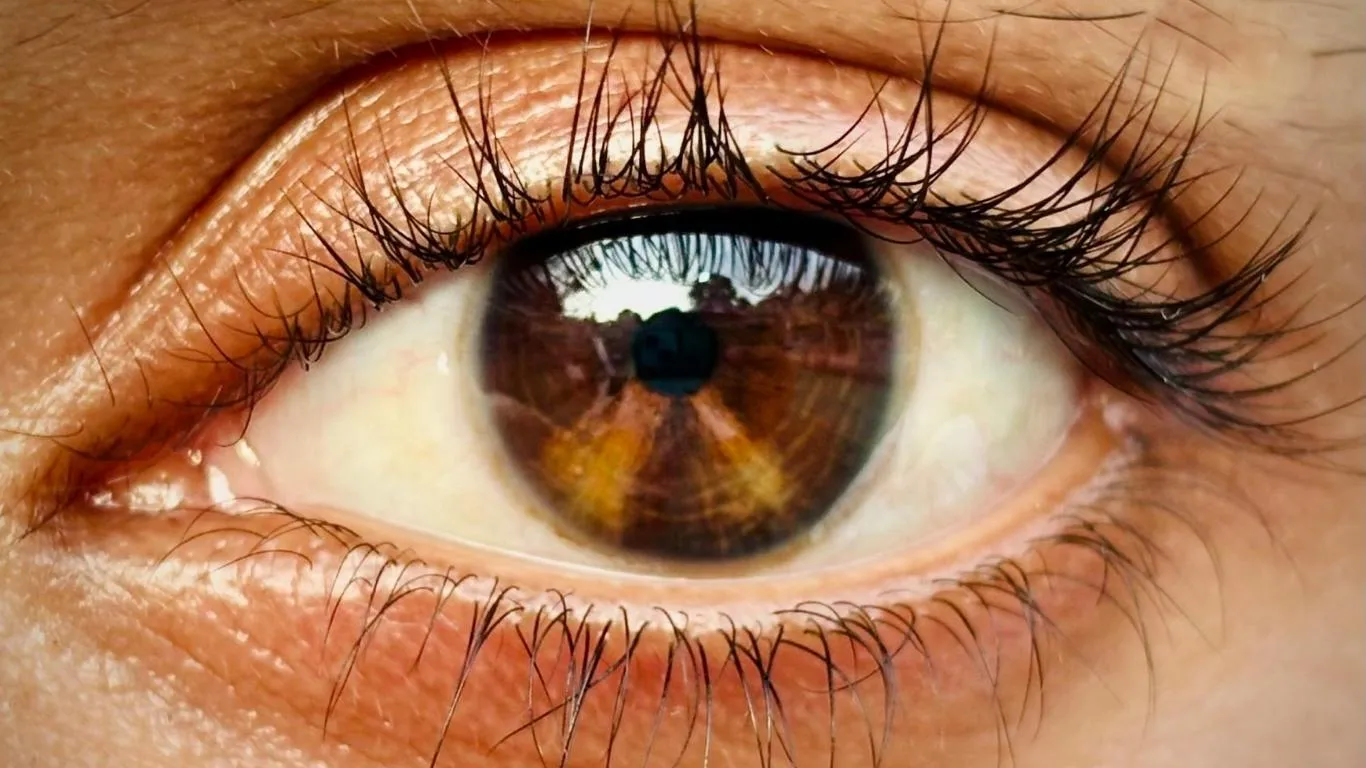
This is a hot topic, and frankly, I was skeptical at first. But after diving into research and trying a few, I found that certain supplements can indeed support eye health and reduce the perception of floaters:
- Lutein & Zeaxanthin: These carotenoids protect the retina and may reduce light scatter, indirectly reducing floater prominence.
- Omega-3 Fatty Acids: Known for anti-inflammatory properties that support vitreous clarity.
- Vitamin C & Collagen Support: Collagen deterioration is a core cause of floaters. Supporting collagen health can stabilize the vitreous gel.
Check out this trusted supplement list for floater management.
When Should You See an Eye Specialist?
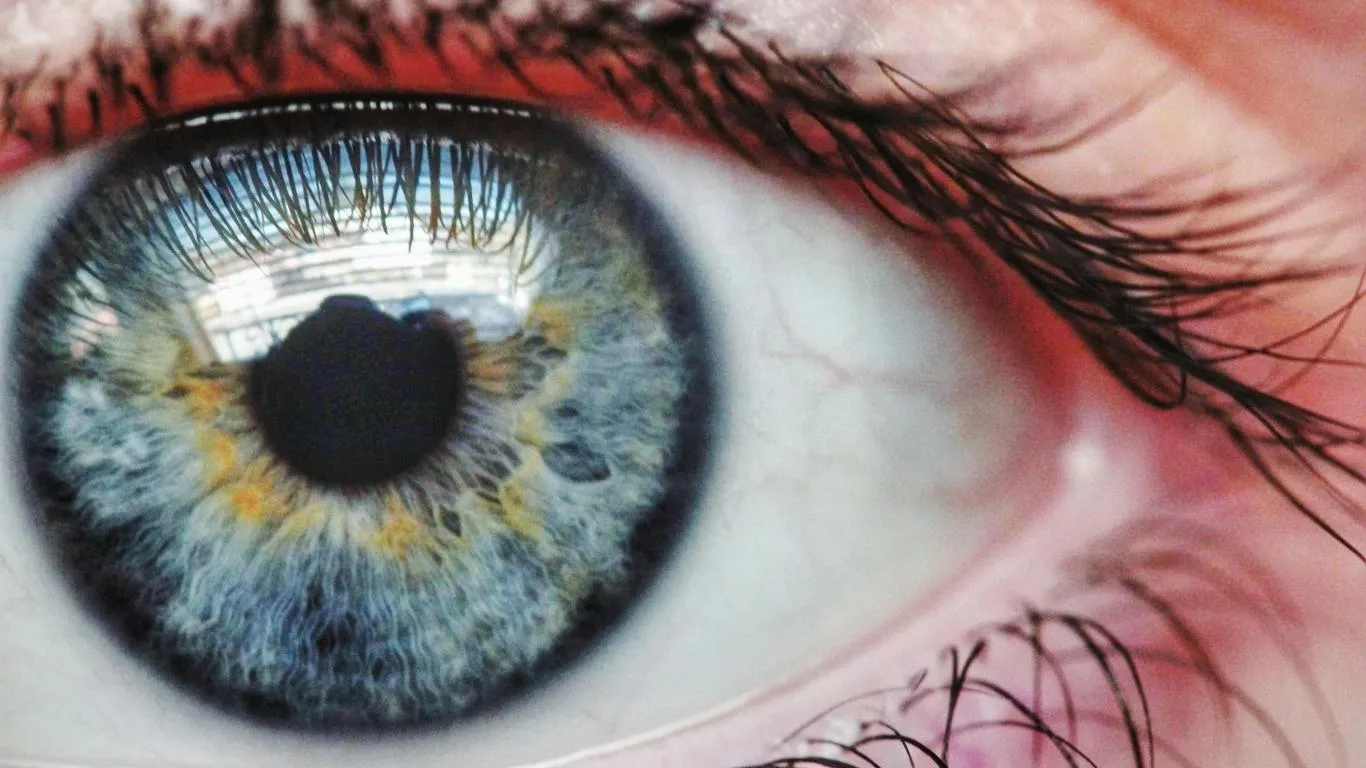
For most people, floaters are a nuisance, not an emergency. However, if you notice:
- A sudden burst of new floaters
- Flashes of light (like camera flashes)
- A shadow or curtain effect over part of your vision
—these are red flags. They may indicate a retinal tear or detachment, which requires immediate medical attention. Don’t second guess it. Here’s a detailed guide on how floaters can warn of retinal issues.
If you’re curious to learn how floaters differ from other visual disturbances, this article will help you distinguish them clearly.
Is There Hope? The Floaters I Barely Notice Anymore
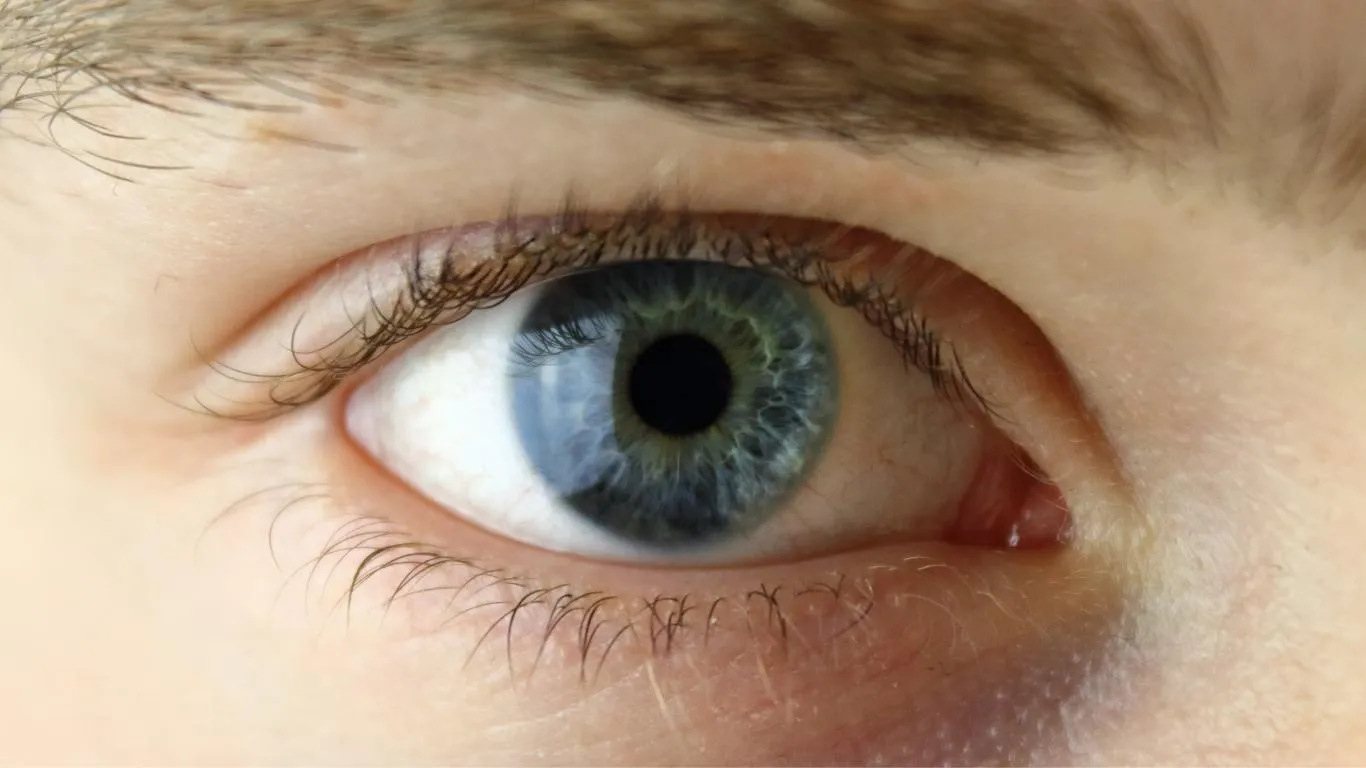
Here’s the silver lining—over time, your brain becomes incredibly good at ignoring floaters. Mine did. They’re still there, especially when I’m out enjoying city lights, but they no longer steal the show. With the right lifestyle tweaks, occasional supplements, and being mindful of when medical attention is necessary, floaters can fade into the background of your vision—just like any other visual quirk.
For a complete understanding of floaters, including their symptoms, causes, and treatments, I highly recommend visiting this comprehensive floater guide.

Camellia Wulansari is a dedicated Medical Assistant at a local clinic and a passionate health writer at Healthusias.com. With years of hands-on experience in patient care and a deep interest in preventive medicine, she bridges the gap between clinical knowledge and accessible health information. Camellia specializes in writing about digestive health, chronic conditions like GERD and hypertension, respiratory issues, and autoimmune diseases, aiming to empower readers with practical, easy-to-understand insights. When she’s not assisting patients or writing, you’ll find her enjoying quiet mornings with coffee and a medical journal in hand—or jamming to her favorite metal band, Lamb of God.