Why Floaters While Sipping Warm Herbal Drinks Can Be Worrying
It was one of those chilly Sunday mornings when I found myself staring out the window, hands wrapped around a mug of steaming chamomile tea, watching the soft steam rise in curls. That’s when I noticed them again — those little drifting specks in my vision, like tiny threads floating lazily across my line of sight. If you’ve ever had floaters while sipping warm herbal drinks, you’ll know exactly what I’m talking about. They can be oddly distracting, especially when the light hits just right. Over the years, I’ve learned that while the setting may feel peaceful, these floaters can sometimes be more than just a harmless visual quirk.
Why Floaters Show Up During Your Relaxing Drink Moments
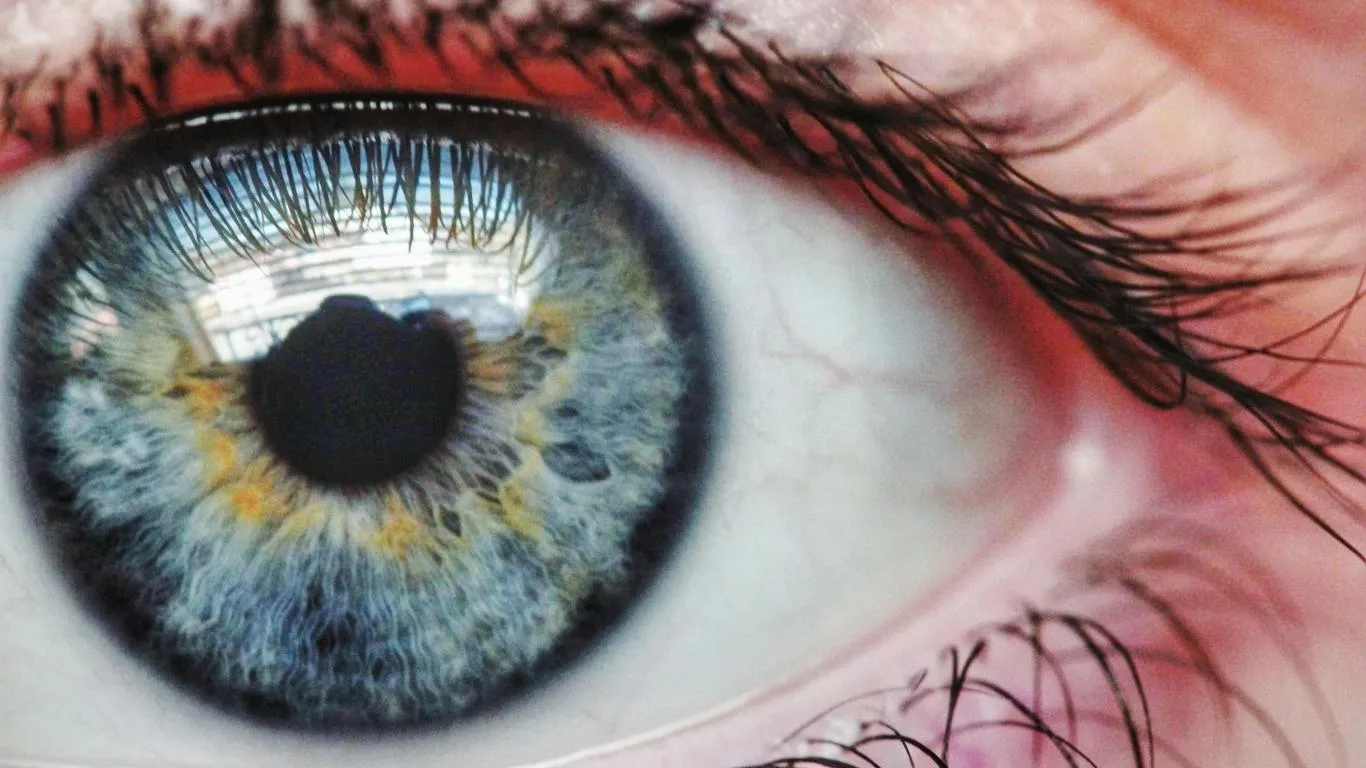
Many people first notice floaters when they’re in a calm, steady gaze — like watching the gentle swirl of steam from a cup of peppermint tea. When you’re relaxed and not darting your eyes around, the vitreous gel inside your eye allows these little specks, strings, or cobweb-like shapes to drift into clearer view. They tend to stand out more against bright, uniform backgrounds — which could be the cream-colored wall of your kitchen or even the pale foam of your drink.
From what I’ve gathered through both personal experience and ophthalmologists’ explanations, it’s the contrast and stillness that make them noticeable. The warmth of herbal drinks doesn’t cause floaters, but the setting creates the perfect stage for them to make an appearance.
The Science Behind the Specks
Floaters are typically tiny clumps of collagen fibers in the vitreous. With age, or due to certain conditions, the gel becomes more liquid and the fibers can clump together. When light passes through the eye, these clumps cast shadows on the retina, creating those moving specks. It’s similar to dust particles in a sunbeam — harmless in most cases, but sometimes a sign of something more serious.
If your floaters suddenly increase, especially if they’re accompanied by flashes of light or loss of peripheral vision, it’s worth reading about floaters before retinal tear and seeking urgent care.
Everyday Factors That Make Floaters More Noticeable
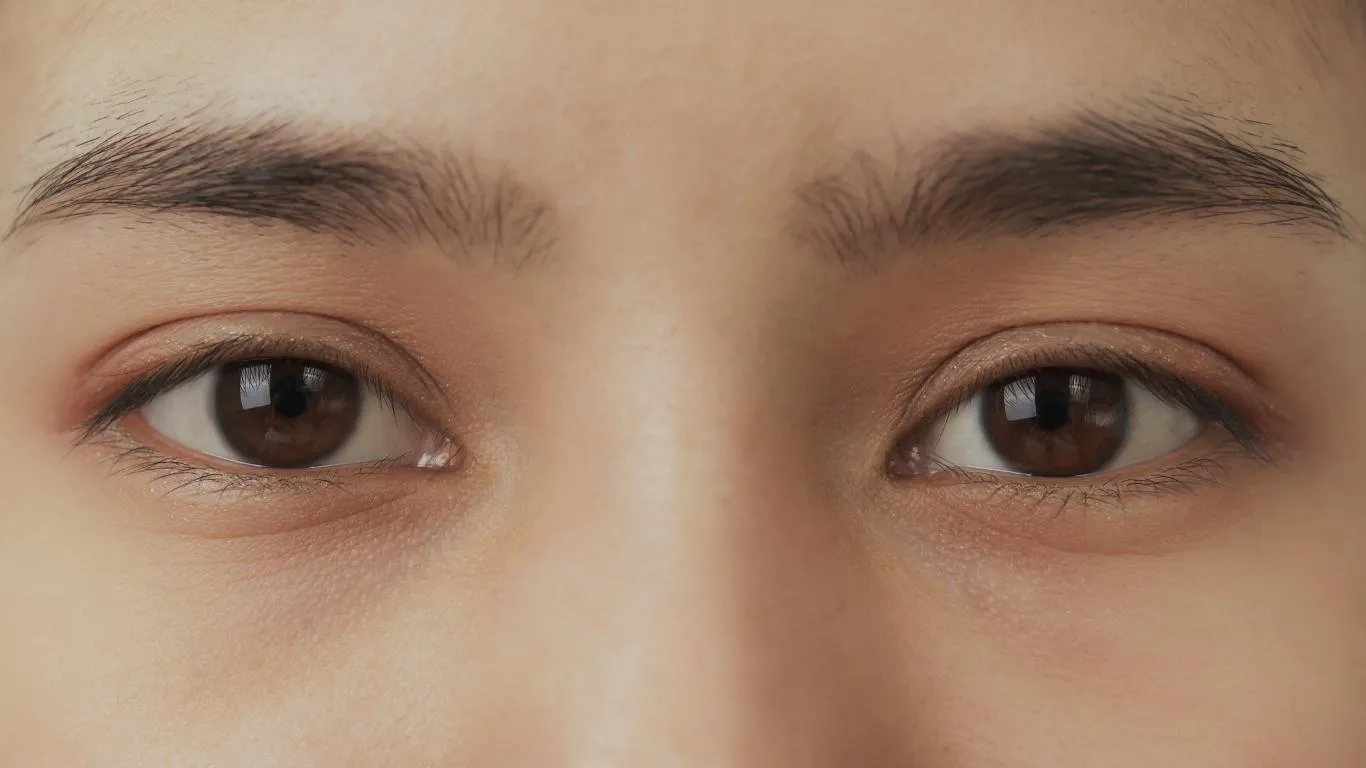
In my case, floaters seem to pop up more during moments of stillness and relaxation. But there are plenty of everyday triggers that make them stand out even when you’re not having tea:
- Bright light streaming in through a window or reflecting off a light surface
- Staring at uniform backgrounds like a pale sky, white paper, or a blank wall
- Fatigue or eye strain after a long day of screen time
- Dehydration, which can affect eye comfort and make floaters feel more intrusive — see how dehydration can make floaters worse
While sipping something warm might not directly trigger floaters, the cozy scenario often involves many of these visual conditions — especially bright morning light or softly lit indoor spaces.
Possible Underlying Causes Worth Knowing
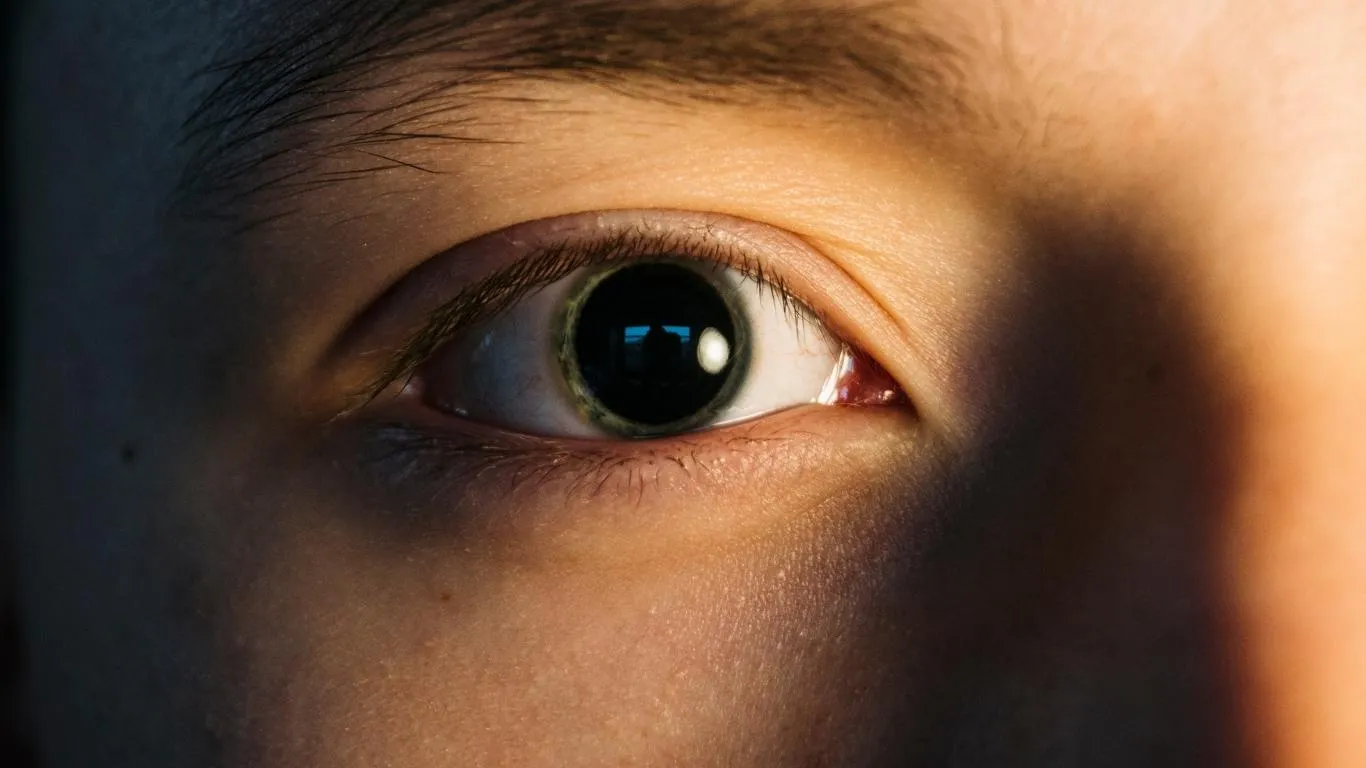
Most floaters are benign, but they can sometimes indicate an underlying eye issue. Based on years of speaking with both general eye doctors and retinal specialists, here are some causes to keep on your radar:
- Aging changes in the vitreous — Known as posterior vitreous detachment, this is the most common cause in adults over 40. The gel inside the eye naturally changes consistency over time (learn more here).
- Eye injuries — Even mild trauma can shift the vitreous gel and release new floaters into your vision.
- Inflammation or infection — Conditions like uveitis can release debris into the vitreous, which you’ll see as floaters.
- Systemic health conditions — Diabetes, high blood pressure, and autoimmune disorders can all affect eye health.
For a deeper dive into these causes, this detailed guide on common causes of eye floaters is worth bookmarking.
When to Take Floaters Seriously
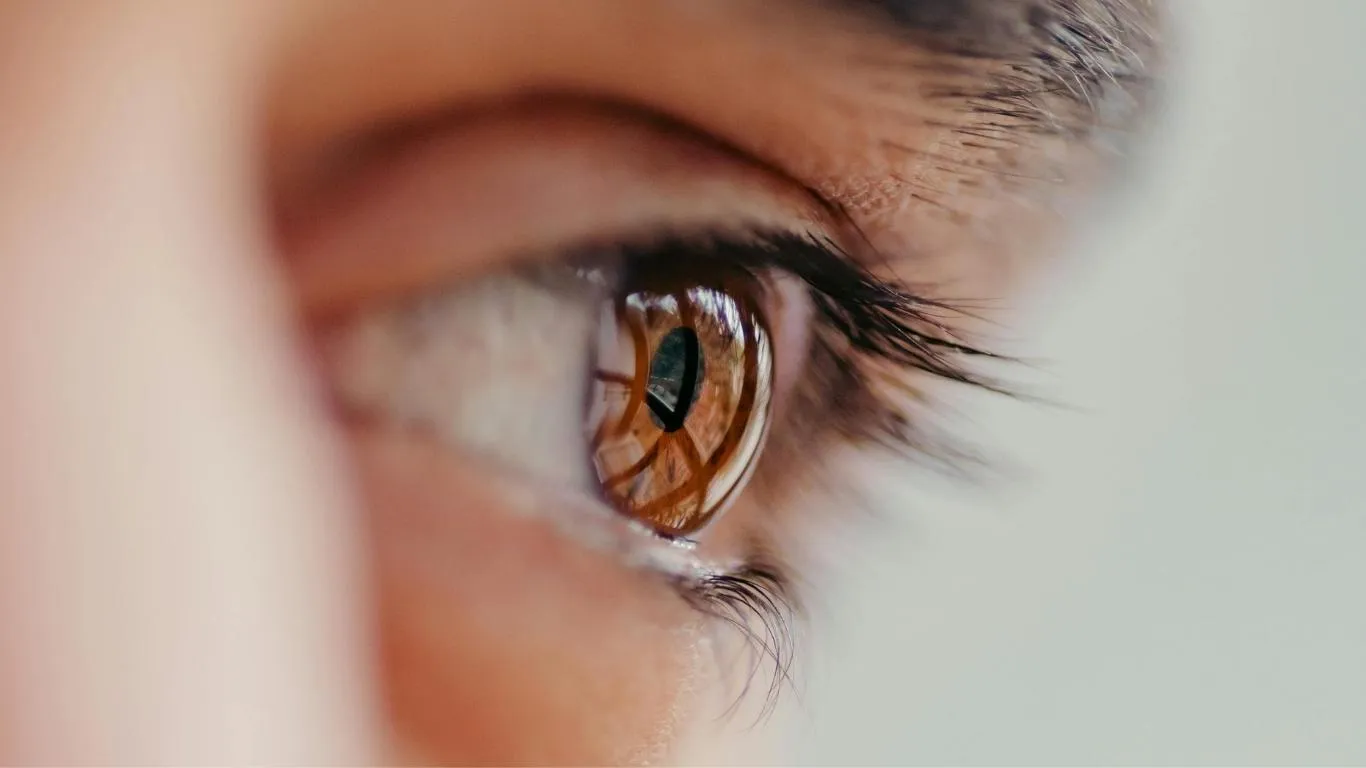
It’s tempting to dismiss floaters, especially when they’ve been around for years. But sudden changes can be a red flag. If you ever notice:
- A sudden burst of new floaters
- Flashes of light in your vision
- A shadow or curtain across part of your visual field
These symptoms could point to a retinal tear or detachment — conditions that need immediate medical attention to prevent vision loss. You can read about how floaters can signal retinal trouble for more insight.
Making Peace With Harmless Floaters
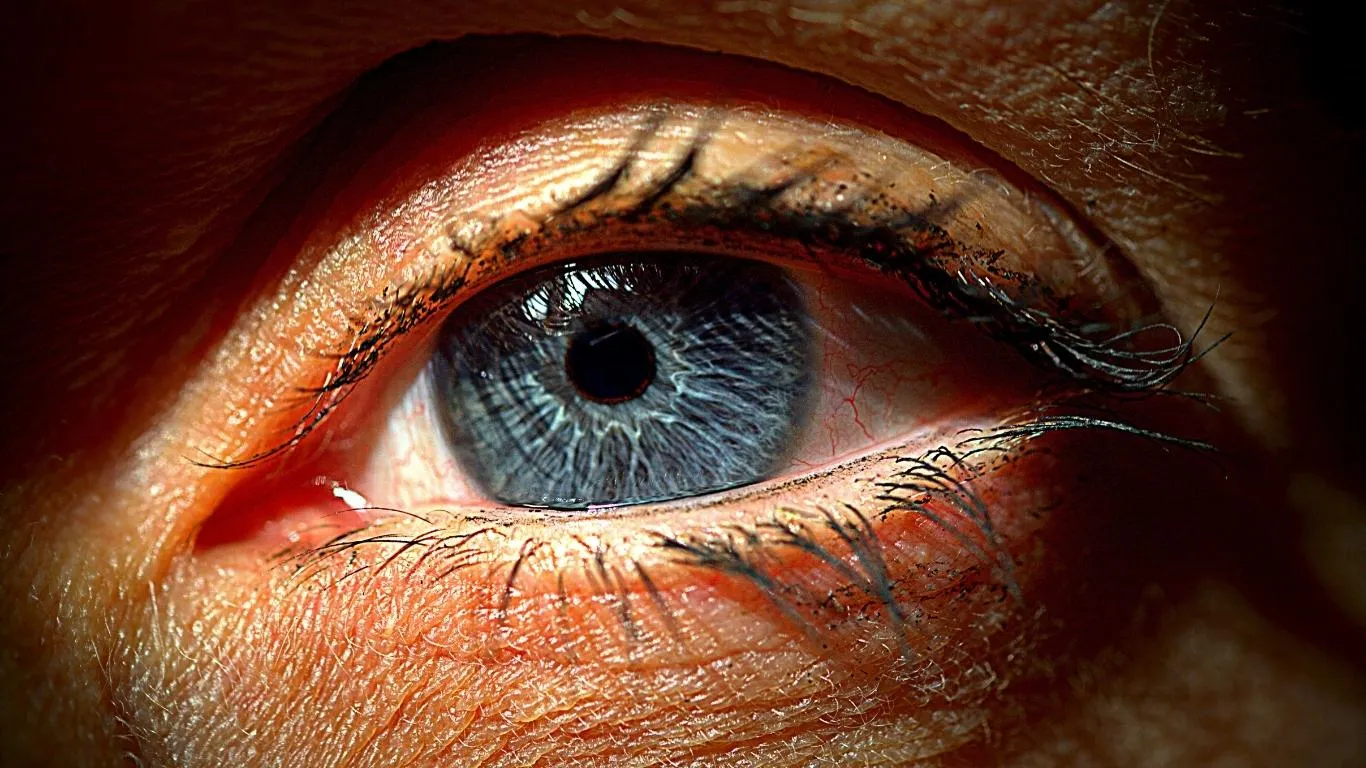
From personal experience, I’ve found that learning to live with mild floaters is part of maintaining peace of mind. Some days, I hardly notice them — even when I’m sipping a warm rooibos blend on a sunny porch. Other days, they seem more persistent. Simple habits help me keep them from becoming the focus of my day:
- Changing focus frequently while reading or working
- Adjusting lighting to reduce contrast against bright backgrounds
- Staying hydrated and taking regular screen breaks
- Practicing gentle eye movements to shift floaters out of the line of sight
While there’s no magic cure for benign floaters, lifestyle tweaks can make them less bothersome. If you’re curious about treatment possibilities — from observation to surgery — you can explore the options in this treatment guide and the broader overview on what eye floaters are.
Why Herbal Drink Moments Highlight Your Awareness
There’s something about the ritual of sipping herbal drinks — the warmth, the stillness, the light — that makes you more aware of subtle changes in your vision. For me, it’s become a reminder to pay attention to my eye health without letting it steal the calm of those moments. If your floaters remain stable and aren’t accompanied by other symptoms, they’re often just a normal part of how eyes age. But awareness is key, and knowing when to act can make all the difference.
There’s a quiet rhythm to those moments — hands cupped around a mug, steam brushing your face, and the faint dance of floaters across your vision. In a way, sipping warm herbal drinks has become my “built-in eye checkup.” While most of the time, these tiny shadows are harmless, I’ve learned they can also serve as subtle signals about what’s happening inside my eyes. Over time, understanding them has made those tea sessions feel less like idle time and more like a gentle wellness ritual.
How Lifestyle Plays Into Floater Visibility
The environment you create around your herbal drink ritual can make a big difference in how much you notice floaters. For example, I used to drink my green tea right next to a large south-facing window, bathing in bright natural light. As relaxing as it felt, it also made every little speck in my vision pop. Moving my chair slightly away from the direct light reduced how often I caught them drifting by.
Floaters often feel more pronounced when:
- You’re in high-contrast lighting — bright sunlight against a pale wall
- You’re tired or dealing with digital eye strain
- Your hydration levels are low, which can affect general eye comfort (here’s how hydration may help)
Simple changes like softer lighting, staying hydrated, and taking breaks from intense near work can go a long way in keeping them from dominating your view.
When Floaters Come With Other Subtle Symptoms
It’s not just the floaters themselves that matter — it’s the company they keep. If you start noticing things like flashes of light, hazy patches, or dimmed peripheral vision, it’s worth taking seriously. These can point to issues like retinal tears or detachments. I once had a friend who thought her sudden burst of floaters after a morning cup of hibiscus tea was just coincidence, only to find out it was an early sign of a retinal tear.
If you want to understand the risks better, the breakdown on differences between floaters and retinal detachment is a must-read. Acting early can mean the difference between quick recovery and long-term vision damage.
Nutrition and Eye Health During Your Herbal Ritual
One thing I’ve started doing during my herbal drink time is adding a little food pairing that’s kind to my eyes. Herbal teas don’t replace the need for nutrient-rich meals, but they can be part of a broader routine that supports healthy vision. Foods rich in lutein, zeaxanthin, vitamin C, and omega-3s can help maintain the integrity of the vitreous gel where floaters form.
Some of my favorite pairings include:
- A small handful of almonds or walnuts with chamomile tea
- Fresh orange slices with rooibos
- A spinach and egg breakfast wrap with mint tea
If you’re looking to dig deeper, there’s an excellent breakdown of foods rich in lutein for eye health that fits beautifully into this conversation.
Stress, Relaxation, and the Floater Connection
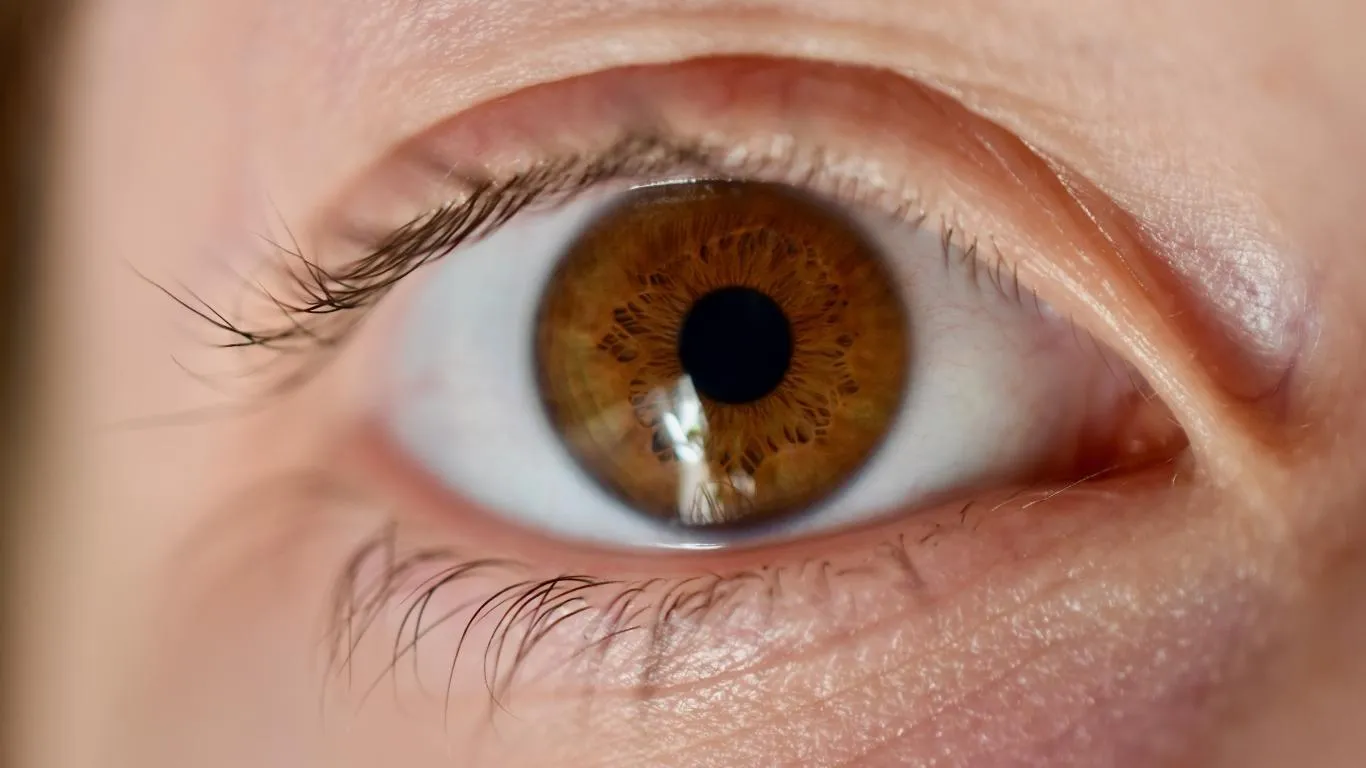
Oddly enough, stress and relaxation both play into how much you notice floaters. During high-stress periods, you might find yourself hyper-aware of every little detail in your vision. On the flip side, in moments of calm — like sitting with a warm herbal drink — you might also notice them because your gaze is steady. It’s a strange balance.
That’s where mindfulness practices help. I’ve found that focusing on the warmth of the cup, the aroma of the herbs, and the sound of the brewing water often shifts my attention away from the floaters. For some, this shift can help keep them from feeling intrusive.
If stress is making your floaters feel more noticeable, you might appreciate reading about the link between stress and floaters.
Exploring Natural and Medical Approaches
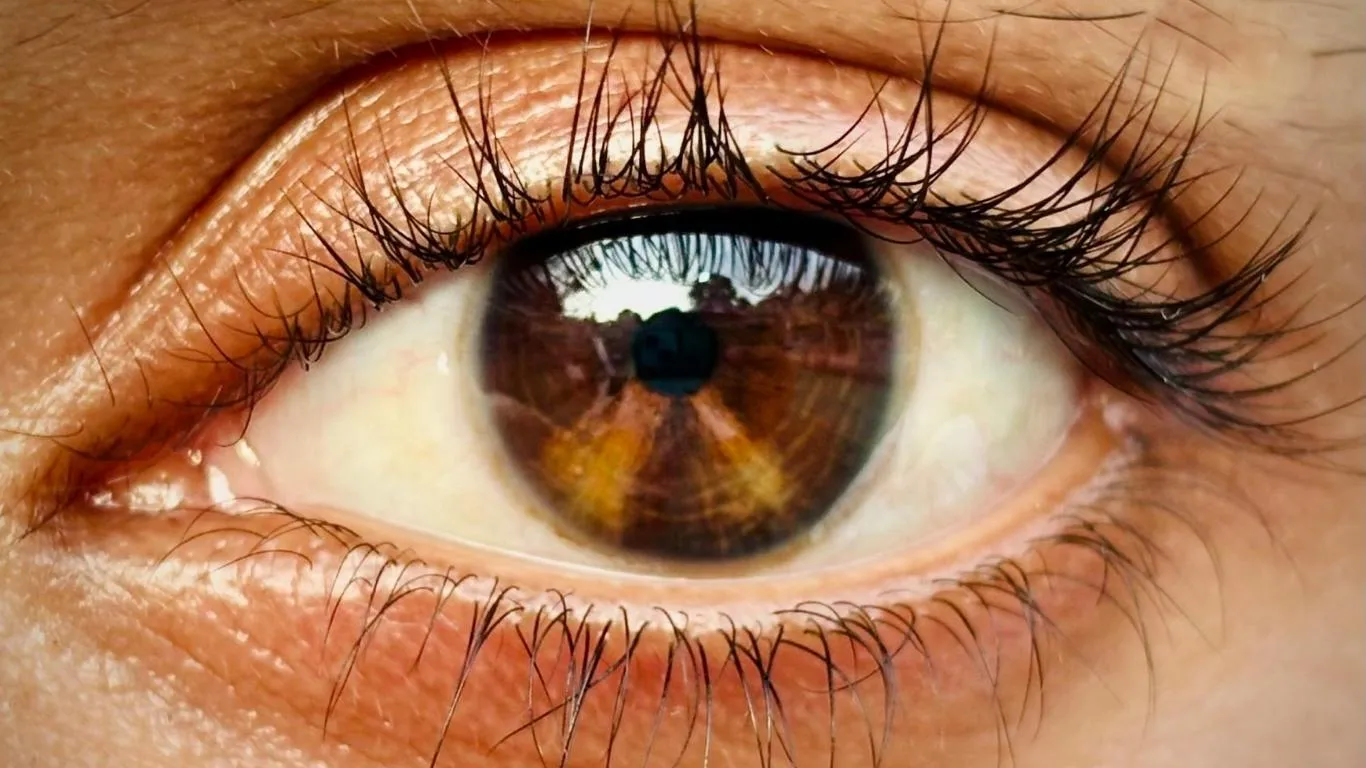
There’s a lot of talk about natural remedies for floaters — from herbal supplements to specific eye exercises. While some people swear by them, evidence is mixed. My approach has been to combine healthy lifestyle habits with regular eye checkups. That way, I’m not relying solely on unproven methods, but I’m also not ignoring the potential benefits of simple, low-risk strategies.
For anyone curious, there’s a balanced discussion on natural ways to manage floaters, alongside medically proven treatments like laser vitreolysis and vitrectomy.
Turning Tea Time Into a Gentle Vision Check-In
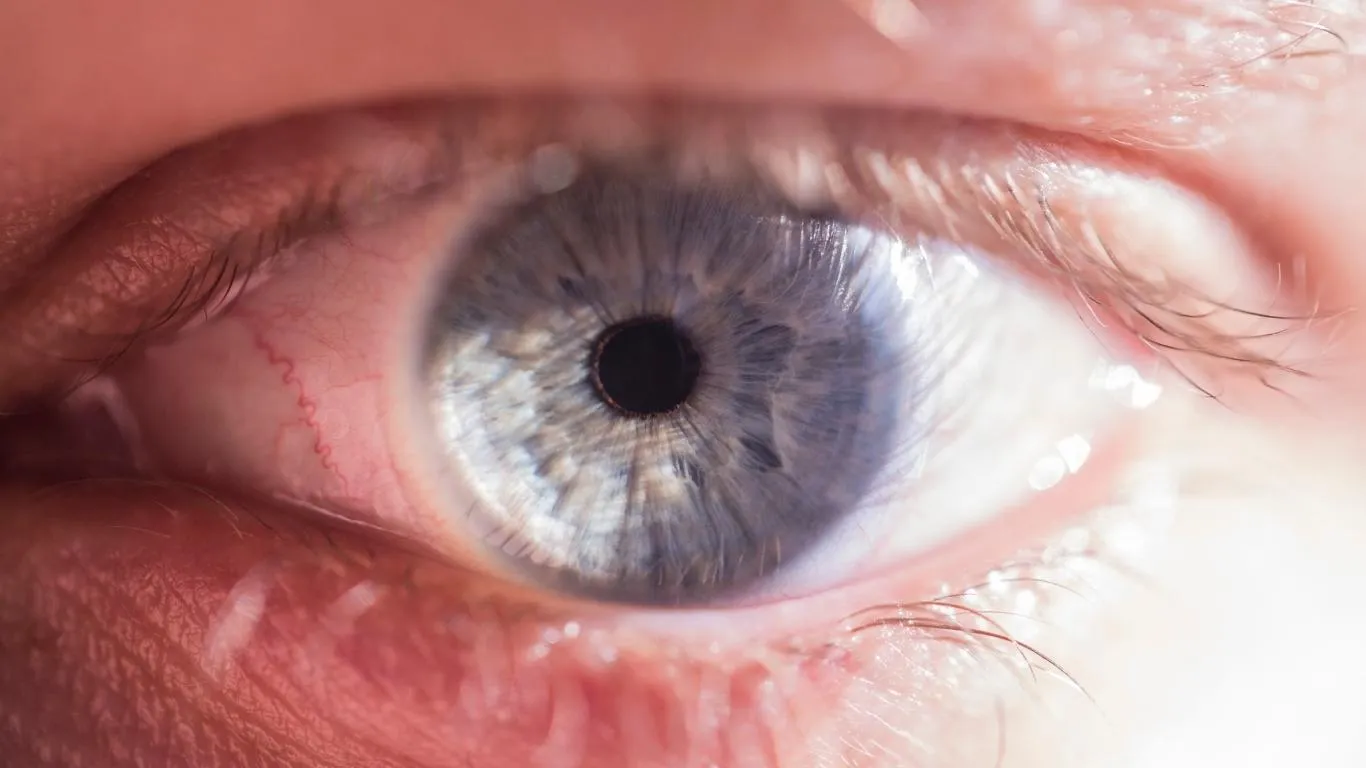
Now, each time I sit down with my favorite herbal blend — whether it’s calming chamomile or invigorating ginger — I take a few seconds to scan my vision. Are the floaters the same as last week? Is there anything new? It’s a habit that keeps me in tune with my eyes without feeling obsessive.
Floaters while sipping warm herbal drinks may never disappear completely, but that doesn’t mean they have to steal the joy of the moment. They can serve as gentle reminders to care for your vision, stay hydrated, and know the signs that call for professional advice.
For a comprehensive overview of what floaters are, their causes, and when to be concerned, the guide on eye floater causes, symptoms, and treatment is a valuable read alongside your next cup of tea.

Camellia Wulansari is a dedicated Medical Assistant at a local clinic and a passionate health writer at Healthusias.com. With years of hands-on experience in patient care and a deep interest in preventive medicine, she bridges the gap between clinical knowledge and accessible health information. Camellia specializes in writing about digestive health, chronic conditions like GERD and hypertension, respiratory issues, and autoimmune diseases, aiming to empower readers with practical, easy-to-understand insights. When she’s not assisting patients or writing, you’ll find her enjoying quiet mornings with coffee and a medical journal in hand—or jamming to her favorite metal band, Lamb of God.