How to Manage Floaters While Visualizing Affirmations Effectively
You’re lying back, visualizing your goals, repeating affirmations like “I am calm and focused,” and then—bam!—those annoying little floaters drift across your vision, pulling you out of your zen moment. If you’ve ever wondered why floaters seem to photobomb your affirmation sessions, trust me, you’re not alone. I’ve had countless mornings where my positive visualization was hijacked by tiny translucent squiggles floating around. Let’s talk about what’s really going on with these uninvited guests during your mindful moments.
What Exactly Are Floaters and Why Do They Appear When Visualizing?
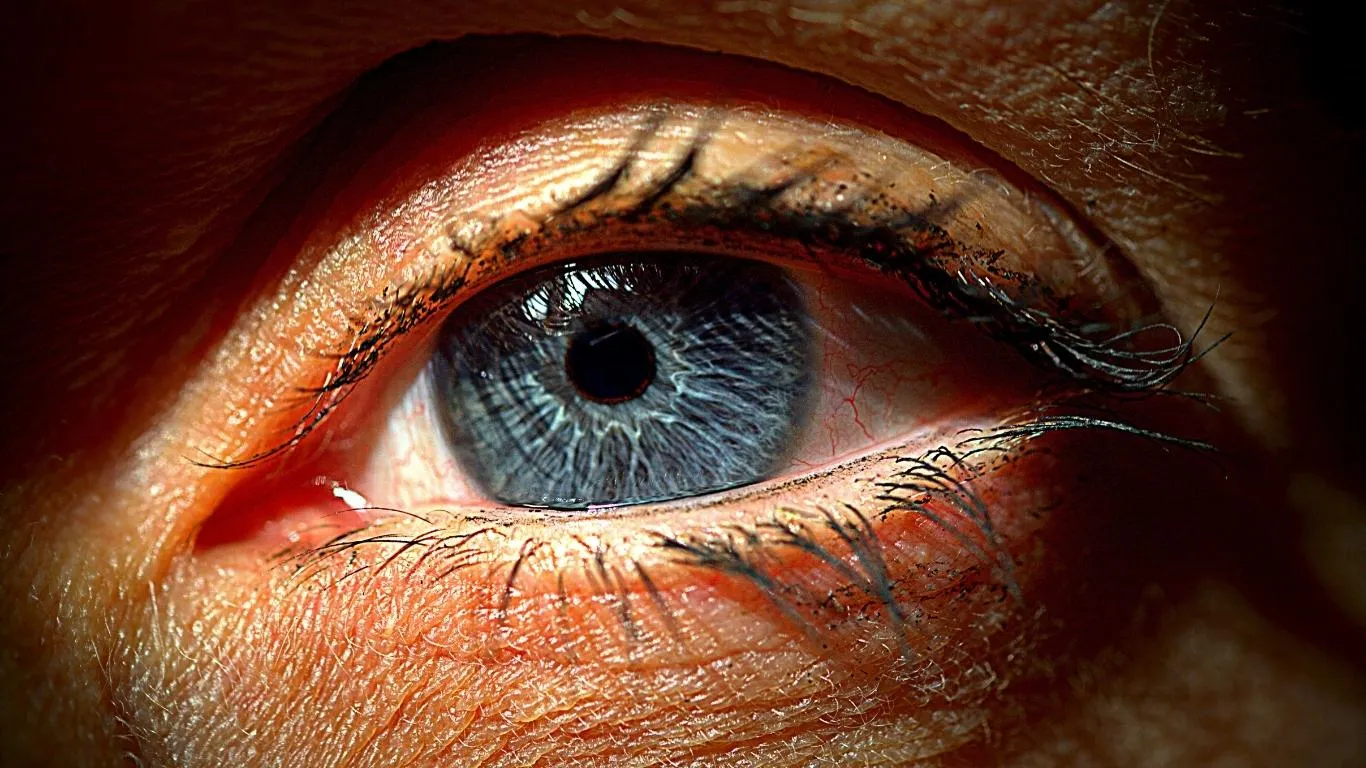
Floaters are small bits of collagen or other substances inside the vitreous humor—the jelly-like substance filling your eyeball. Normally, they just float around harmlessly, but when you’re focusing on a plain background or closing your eyes during visualization, they become a lot more noticeable.
I’ve found that the stillness of meditation or affirmations gives your brain fewer distractions, making these floaters stand out more against the blank “canvas” of your vision. It’s not that visualizing affirmations causes floaters—it’s just that you’re finally still enough to notice them. Annoying, right?
The Science Behind Floaters and Mindfulness Practices
When you engage in visualization, especially with affirmations, your pupils tend to adjust to soft lighting or closed eyelids. This adjustment, combined with a fixed gaze or lack of rapid eye movements, makes floaters appear to drift more lazily into your field of view. According to the American Academy of Ophthalmology, floaters are more visible when light enters the eye at specific angles—think of those moments when you’re looking at a bright wall while affirming your goals.
It’s no coincidence that floaters become bothersome during affirmations and not during a chaotic Zoom meeting. The serene, repetitive focus literally gives them the spotlight.
Are Floaters Distracting Your Visualization Practice?
Here’s where it gets personal. I used to think floaters were ruining my visualization practice. Every time I’d try to focus on my “ideal self” or manifest a calm mind, those annoying specks would float across my vision, pulling my attention back to frustration. It was a loop.
But here’s a mindset shift: floaters are part of your visual field’s current reality. Fighting them only amplifies their presence. I learned this after reading how mindfulness experts suggest treating floaters as just another passing thought. Acknowledge them, then gently bring your focus back to your affirmations.
Simple Techniques to Minimize Floater Distractions
- Adjust Your Lighting: Soft, diffused lighting reduces floater visibility. Sitting near a window with sheer curtains can be a game changer.
- Change Gaze Direction: Slightly shifting your gaze during affirmations can “move” floaters out of your central vision.
- Eye Movement Exercises: Slowly moving your eyes in a circular motion before visualizing can redistribute floaters, making them less intrusive.
For more on how visual habits and floaters interplay, you might find this deep-dive on screen time-induced floaters insightful. Although it’s about screens, the mechanisms are eerily similar.
When Floaters During Visualization Could Mean More
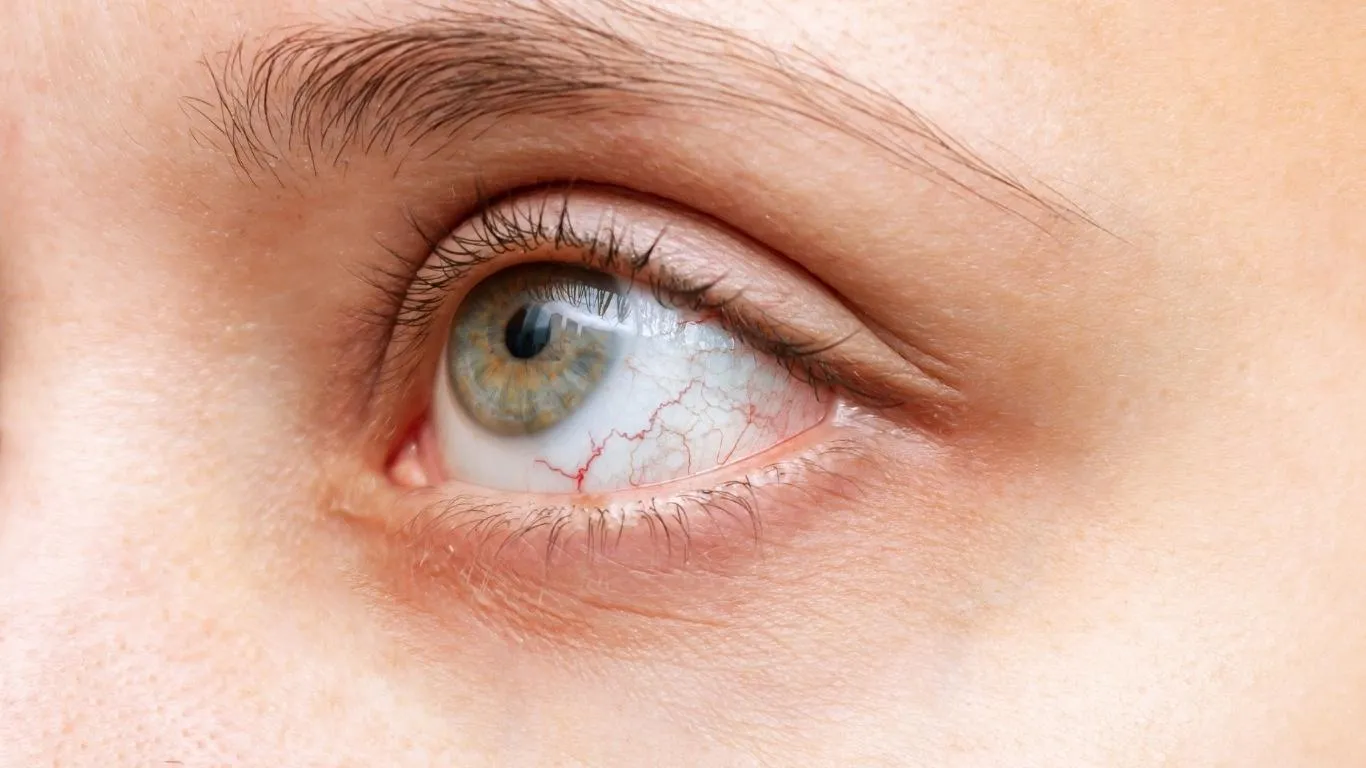
While most floaters are harmless, a sudden increase—especially during calm activities like visualization—might hint at underlying eye changes. I remember a phase where my floaters dramatically increased after a head injury; turns out, head trauma can cause vitreous shifts leading to more floaters. Here’s a detailed article I highly recommend: Can a Head Injury Cause Eye Floaters?
Similarly, if you notice floaters accompanied by flashes of light or peripheral vision loss, it’s time to consult an eye specialist. These could signal retinal issues you shouldn’t ignore.
Related Conditions Making Floaters More Pronounced
- Posterior Vitreous Detachment (PVD): A common condition after the age of 40 where the vitreous gel pulls away from the retina.
- Uveitis: An inflammation inside the eye that can cause dense floaters, often requiring medical attention.
- Diabetic Retinopathy: Floaters caused by bleeding within the eye—something diabetics should watch out for.
If you want to learn when floaters could signal something serious, check out this must-read: When Are Eye Floaters Dangerous?
Improving Your Visualization Experience Despite Floaters
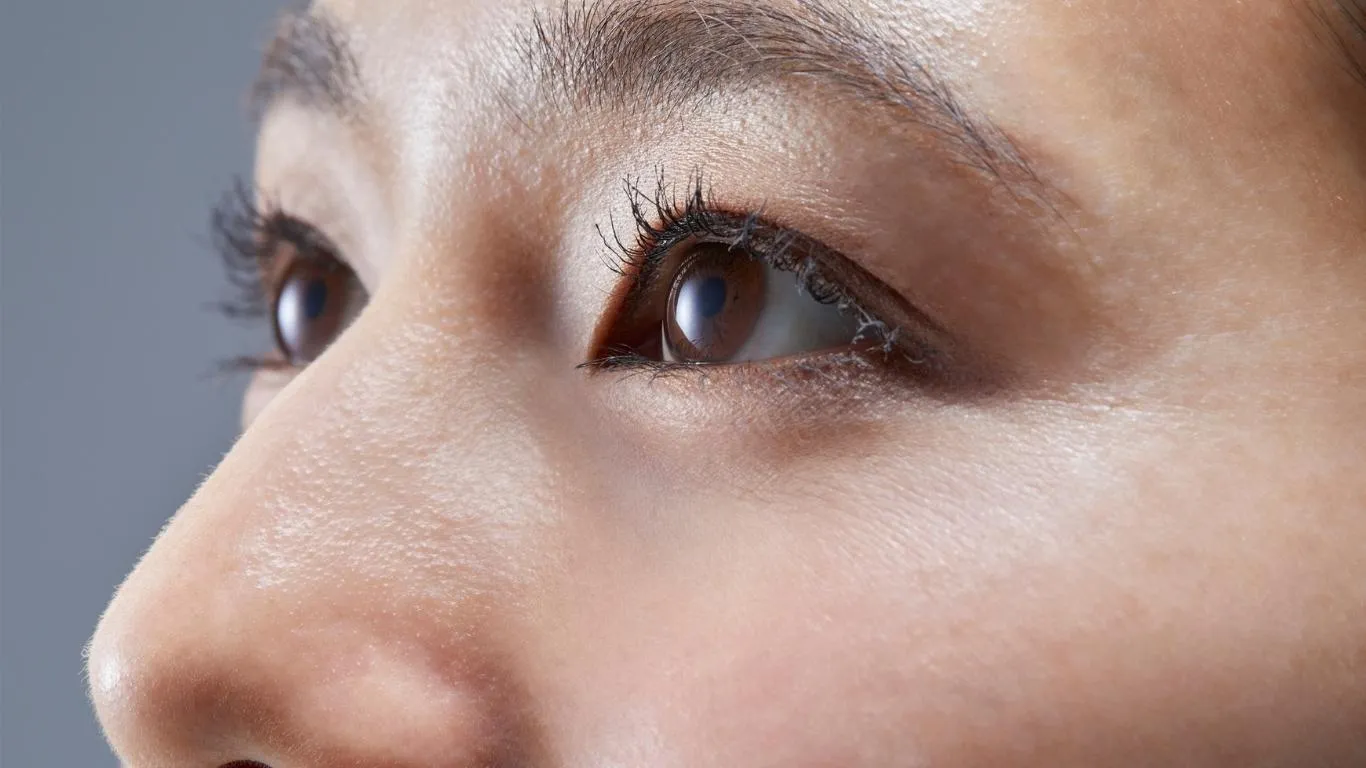
I get it, floaters during affirmations can feel like a cosmic joke. But trust me, there are practical tweaks you can make:
- Use Guided Audio Affirmations: Shifting focus from visual to auditory can reduce floater distractions significantly.
- Visualize with Open Eyes: Looking at a softly patterned wall instead of closing your eyes can “blend” floaters into the background.
- Incorporate Breathing Exercises: Slowing your breath can help realign focus and minimize how much you notice floaters.
There’s also the option of exploring natural management techniques. Some are myth, some are legit. Here’s a well-researched guide on Natural Ways to Manage Eye Floaters.
For a comprehensive breakdown of floaters, their causes, and treatments, visit our main eye floaters resource. It’s an essential read if floaters are starting to disrupt more than just your affirmation routine.
How Stress and Mental Focus Can Intensify Floaters
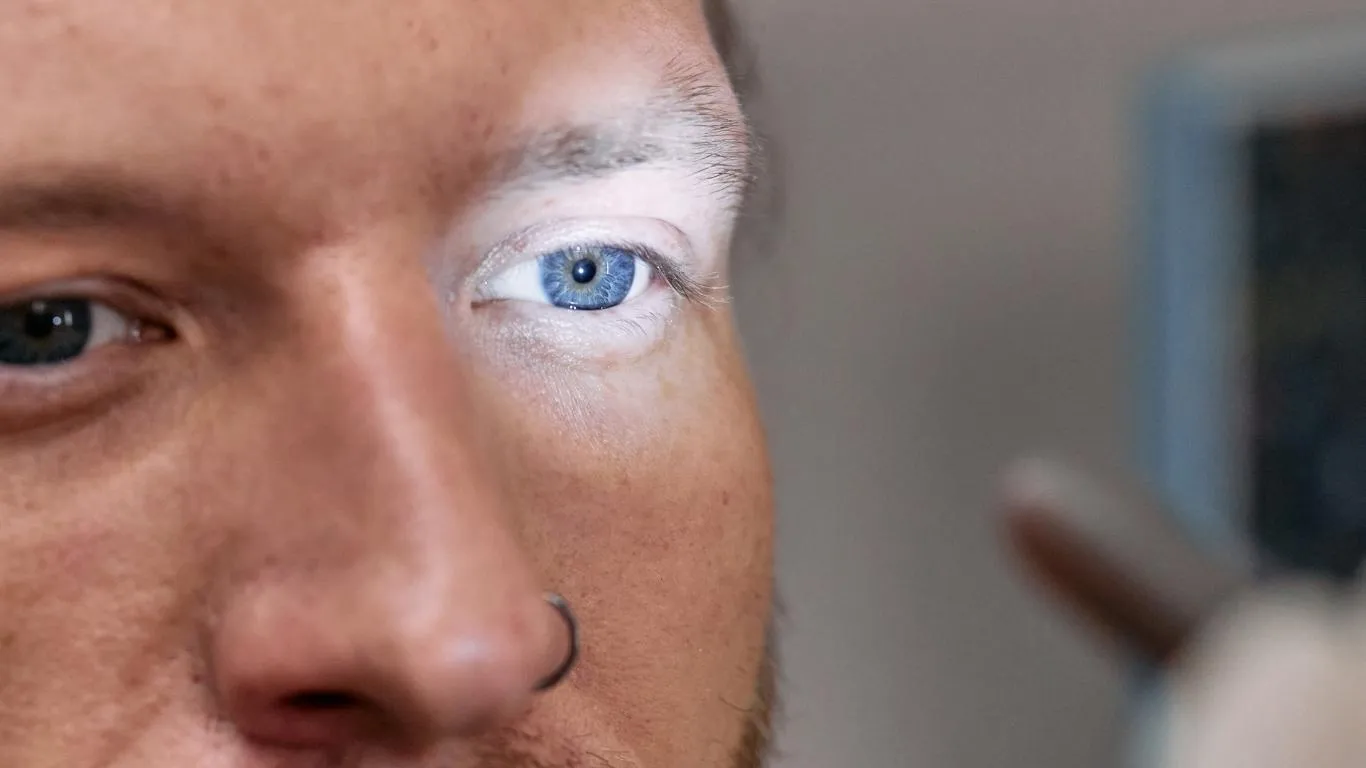
One thing I learned the hard way: the more I stressed about floaters while visualizing affirmations, the worse they seemed to get. It’s not just my imagination. High stress levels tighten neck and facial muscles, subtly changing eye pressure and how light scatters inside the eye. This makes those tiny floaters pop out even more, especially when you’re in a focused, quiet mental state.
If you’re pushing yourself too hard to “focus” during affirmations, you might unintentionally amplify how visible those floaters are. It becomes a vicious cycle. Floating specs → frustration → tighter focus → more specs.
Interestingly, this phenomenon overlaps with how floaters react to stress-induced eye strain. You can explore this further in this detailed guide on stress and floaters. It’s surprising how emotional tension can hijack our visual clarity.
Mindful Adjustments to Break the Cycle
- Set a Relaxed Visualization Goal: Instead of “focusing” on affirmations, allow your mind to wander gently around the positive ideas you’re affirming.
- Incorporate Gentle Eye Movements: Subtle horizontal eye glides during your session can shift floaters out of direct sight.
- Practice Visualization in Different Positions: Try sitting up instead of lying down to alter the vitreous floater’s position due to gravity.
Could Your Affirmation Practice Be Highlighting Underlying Eye Health?
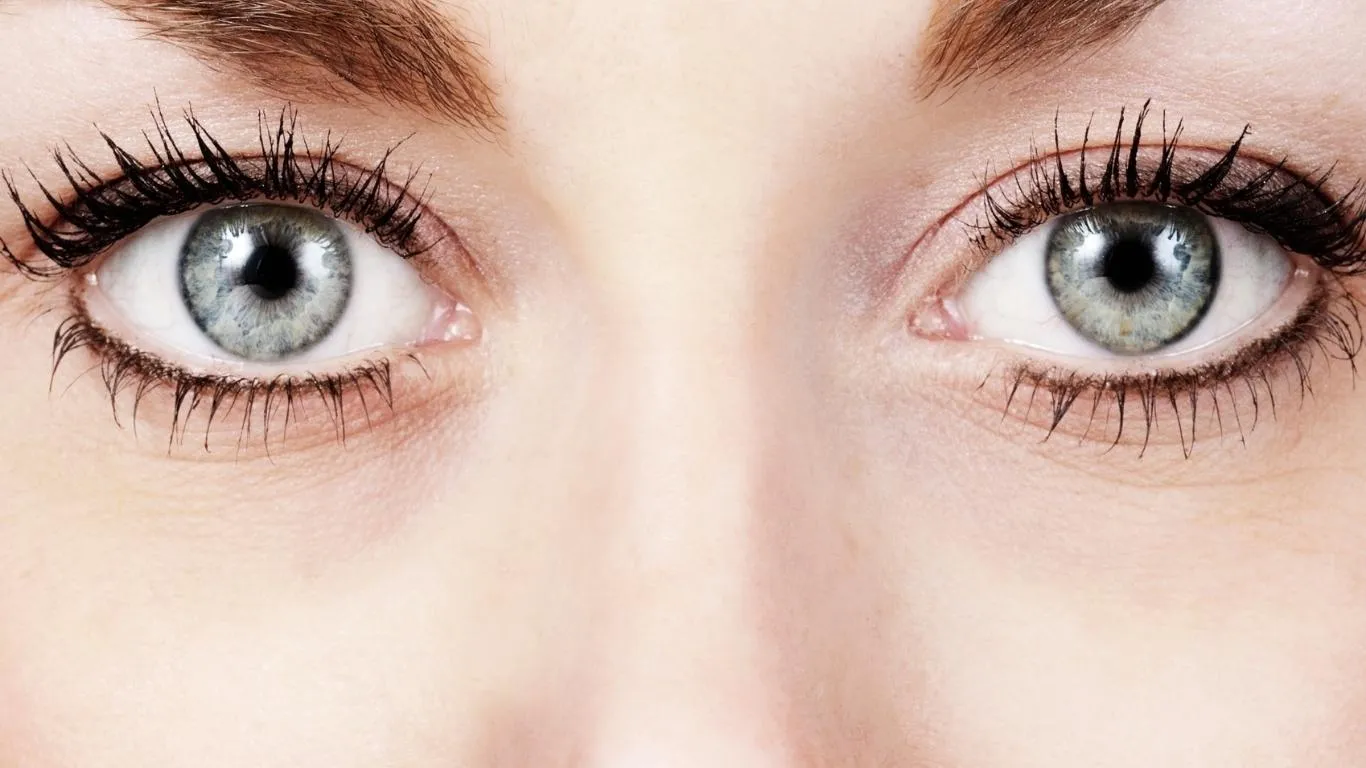
Sometimes, floaters during affirmations aren’t just a visual annoyance; they can be a subtle nudge from your body to pay attention. Prolonged periods of floaters getting more distinct might indicate minor vitreous degeneration or systemic factors like dehydration or blood sugar fluctuations.
I once noticed a spike in floaters after long hours of screen time combined with poor hydration. Turns out, dehydration thickens the vitreous humor slightly, making floaters more visible. A detailed read on dehydration and floaters really opened my eyes to how seemingly unrelated habits mess with vision clarity.
Other Hidden Triggers That Could Surface During Visualization
- Blood Sugar Swings: Fluctuating blood glucose can temporarily change the eye’s internal environment, intensifying floater visibility.
- Poor Sleep: Lack of restorative sleep affects eye lubrication and increases visual disturbances.
- Medication Side Effects: Certain medications, especially steroids and antihistamines, are known to exacerbate floaters. You can read more on this link.
Can Eye Exercises Reduce Floater Distractions During Visualization?
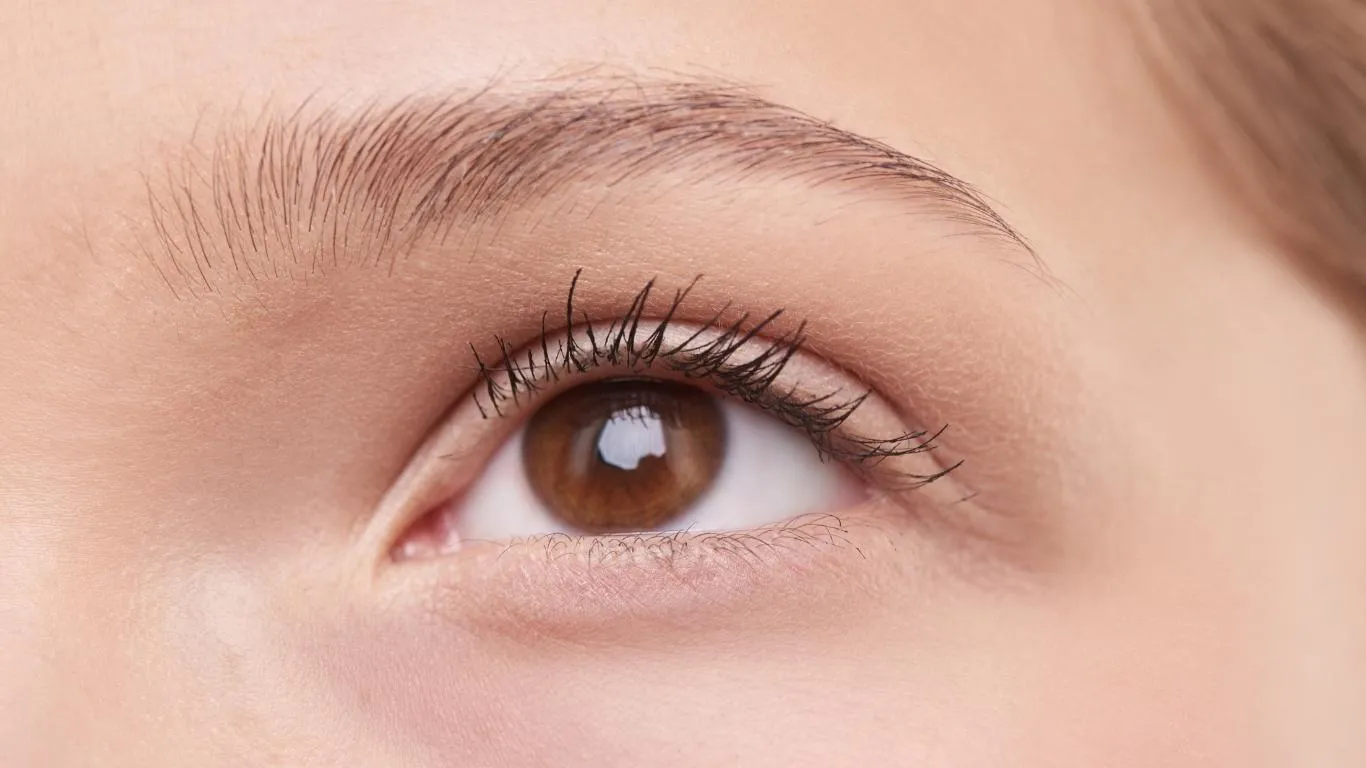
Eye exercises won’t “eliminate” floaters, but they can help shift them out of your central field of vision, making visualization smoother. Think of it as creating a mental buffer. Before starting my affirmation sessions, I do a quick 2-minute routine that includes:
- Gentle circular eye rolls (both directions)
- Soft blinking to refresh the tear film
- Alternating near-far focus to reset the eyes’ internal lens flexibility
Over time, these subtle exercises reduce the frequency of floaters drifting into focus during my visualization rituals. There’s a great resource on eye exercises for floaters that goes deeper into techniques you can try right now.
Dietary Adjustments That May Support Vitreous Clarity
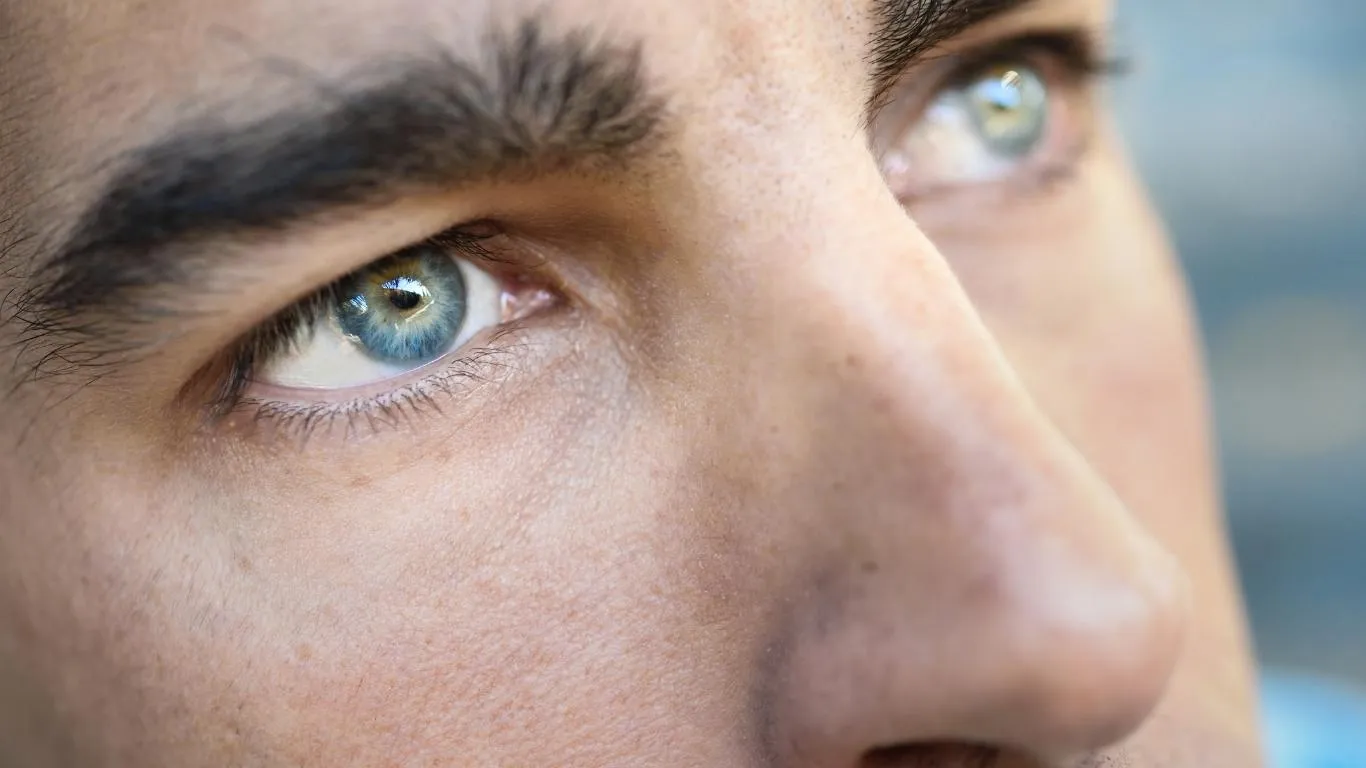
Okay, so no, there’s no magic smoothie that’ll banish floaters, but your diet does play a subtle role. I’ve noticed improvements in how bothersome my floaters feel after making some dietary tweaks. Foods rich in antioxidants, lutein, and collagen-supporting nutrients can promote overall eye health and potentially improve vitreous clarity over time.
Key additions to my meals:
- Leafy Greens: Spinach and kale are loaded with lutein and zeaxanthin.
- Citrus Fruits: High in Vitamin C, crucial for collagen maintenance in the eyes.
- Omega-3 Rich Fish: Supports ocular surface hydration and overall eye health.
If you’re interested in a food-based approach, check out this guide on diet changes for floaters.
Should You Be Concerned If Floaters Become a Constant Distraction?
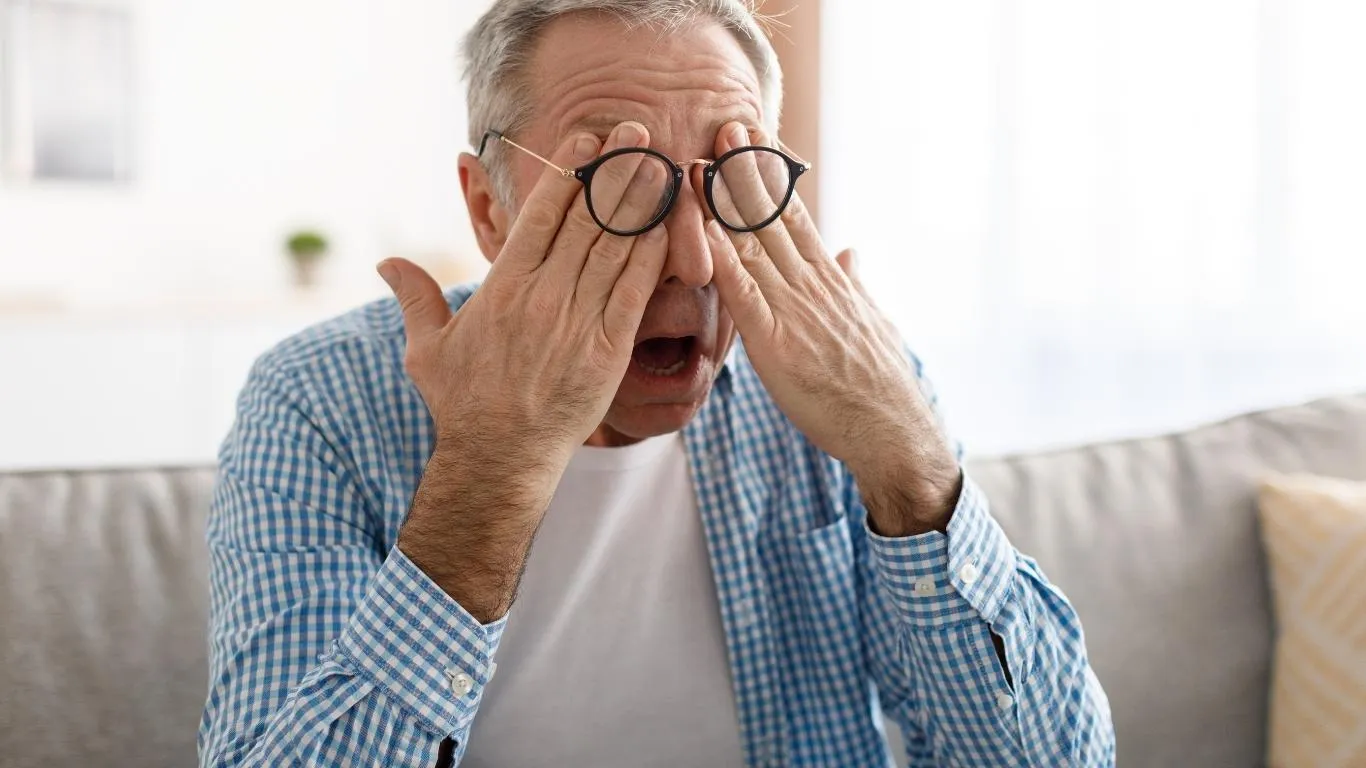
While most floaters are harmless, a sudden increase, or a noticeable change in shape or behavior (like rapid clustering), warrants attention. It’s rare, but sometimes floaters can signal retinal tears or more serious vitreous detachments.
If affirmations—especially those done in soft light or with closed eyes—are suddenly flooded with dark spots or “cobweb-like” floaters, don’t ignore it. This isn’t me trying to scare you; it’s just good eye hygiene to stay informed. You can get a thorough understanding of when floaters indicate deeper issues by reading this in-depth comparison guide.
For a full exploration of floaters’ causes, symptoms, and what treatments exist, our main eye floaters resource is a solid foundation.

Camellia Wulansari is a dedicated Medical Assistant at a local clinic and a passionate health writer at Healthusias.com. With years of hands-on experience in patient care and a deep interest in preventive medicine, she bridges the gap between clinical knowledge and accessible health information. Camellia specializes in writing about digestive health, chronic conditions like GERD and hypertension, respiratory issues, and autoimmune diseases, aiming to empower readers with practical, easy-to-understand insights. When she’s not assisting patients or writing, you’ll find her enjoying quiet mornings with coffee and a medical journal in hand—or jamming to her favorite metal band, Lamb of God.