Why Floaters While Watching Fireworks Can Disrupt Your View
If you’ve ever stared up at a brilliant fireworks display only to be distracted by strange, drifting shadows or squiggly lines in your vision, you’re definitely not alone. I remember watching fireworks on the Fourth of July with my family last year—bright colors bursting across the sky—when these little ghost-like specs started swirling around in my left eye. It wasn’t smoke. It wasn’t debris. It was something much weirder. That’s when I first learned about *eye floaters*. And wow, fireworks really bring them out, don’t they?
Why Do Floaters Stand Out During Fireworks?
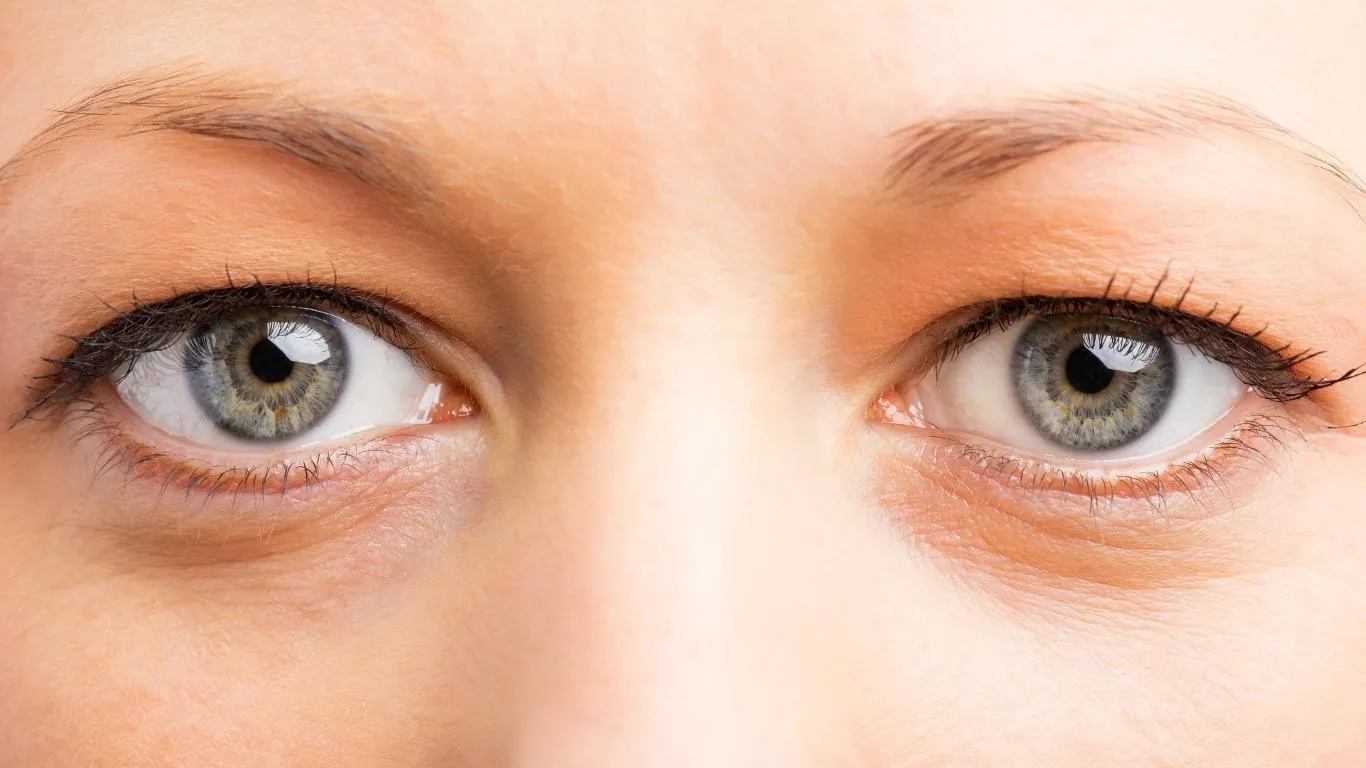
Fireworks shows are the perfect setup for floaters to make their unwelcome entrance. They’re set against dark skies, and the explosive flashes of light cause our pupils to dilate and constrict rapidly. This sudden contrast between darkness and brightness essentially highlights the floaters drifting inside your vitreous humor. It’s like someone turned on a flashlight behind a dusty window—you start noticing every speck.
And if you’re already dealing with visual fatigue or prolonged screen time, those floaters can become even more noticeable during nighttime events like fireworks shows.
What Are Eye Floaters, Really?
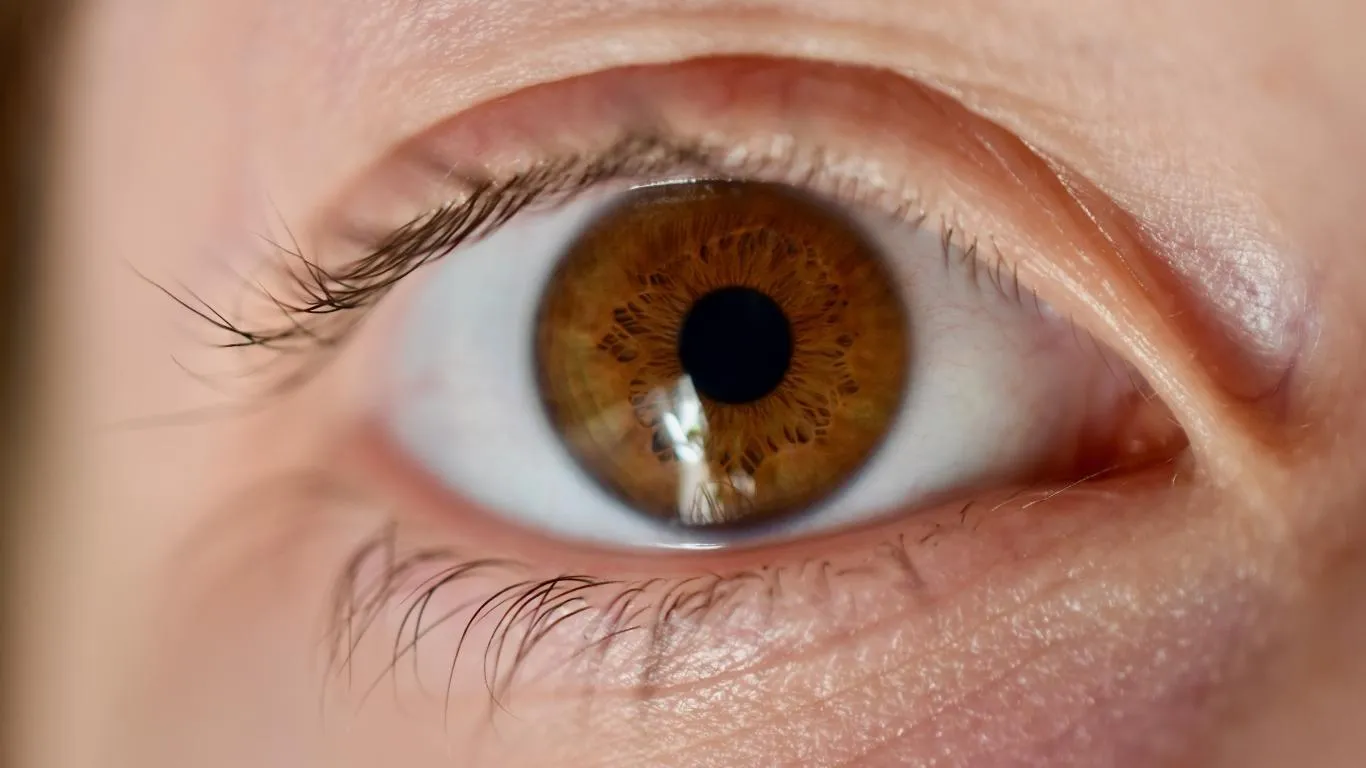
Floaters are tiny clumps of collagen that form inside the gel-like substance (the vitreous) in your eyes. They cast shadows on the retina, which your brain interprets as specks, strings, cobwebs—you name it. They tend to float around as your eye moves, hence the name. Most of the time, they’re harmless. Annoying? Definitely. Dangerous? Not usually. But it depends.
It’s especially common to notice them when looking at something bright—like fireworks against a pitch-black sky. I find it ironic that one of the most visually stunning experiences in life can be the perfect condition to notice something so aggravating.
Natural Causes vs. Warning Signs
While most floaters are just a part of aging (yes, even if you’re under 40), some can signal more serious issues. A sudden increase in floaters, especially if paired with flashes of light or partial vision loss, could mean you’re dealing with something like a retinal tear or detachment. And no, that’s not something to ignore.
Want a deep dive on serious signs? Check out this breakdown on when floaters might be dangerous. If your floaters are just an occasional annoyance during fireworks, you’re probably fine. But if you’ve noticed rapid changes or new patterns, it’s best to get checked.
Why Fireworks in Particular? The Visual Contrast Factor
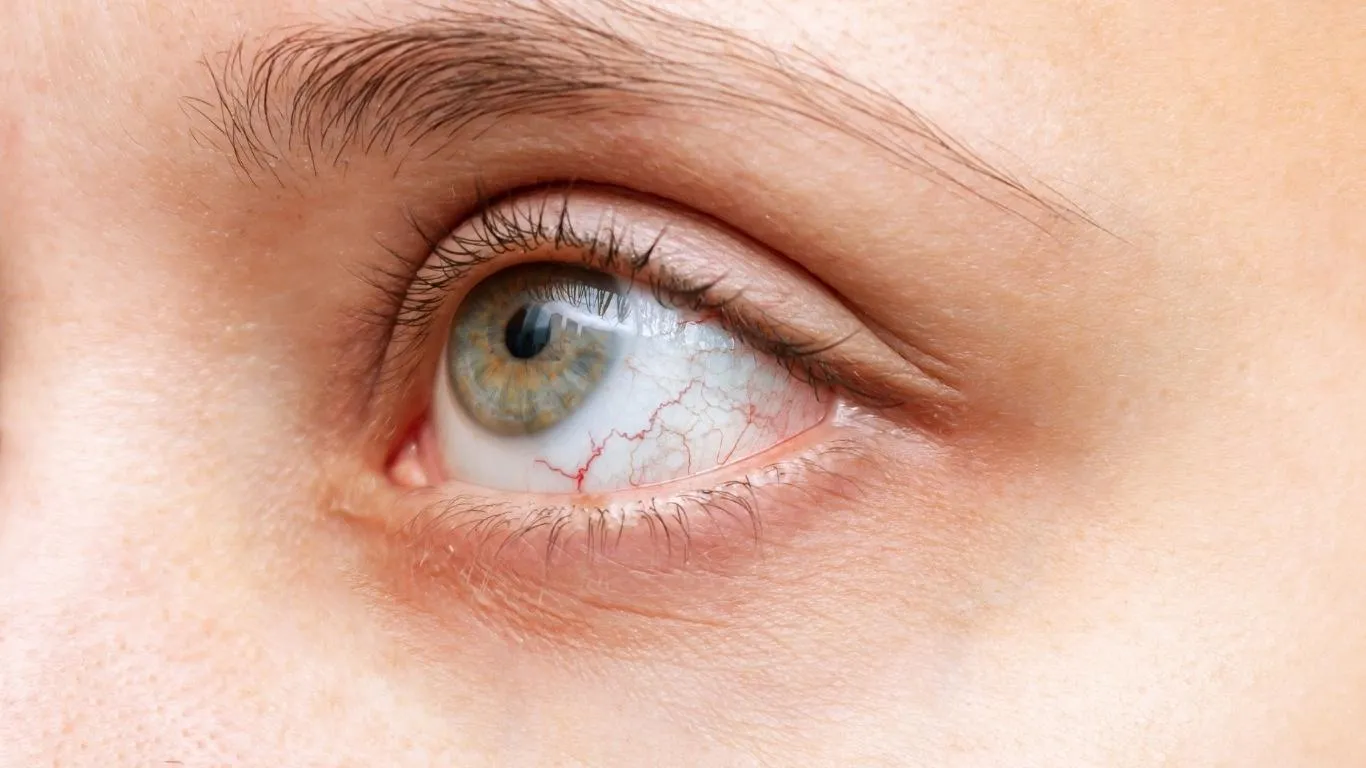
Ever wonder why you don’t notice floaters as much during the day but they suddenly appear when the fireworks start? It comes down to visual contrast and how the brain processes light in dark environments. The sudden bright flashes of fireworks, combined with your brain trying to adjust for the darkness, make floaters pop out like never before.
- Dark background + Bright lights = floater spotlight
- Increased eye strain from looking up for long periods
- Dry air or wind exposure during outdoor events can worsen eye irritation
If you’ve got mild dry eye syndrome like I do, staring at fireworks for too long can lead to floaters appearing more frequently. I usually bring lubricating drops to events now—makes a huge difference.
Does Age Play a Role in Firework Floaters?
It’s not just your imagination. Floaters are more common as you age, and yes, they tend to get worse with time. The vitreous gel inside the eye starts to shrink and become stringy, causing those shadows you see. So when people say things like, “Wait till you hit 40,” it’s not always about back pain—sometimes it’s just your eyes.
This helpful guide on why floaters are common in older adults breaks it down nicely.
But that doesn’t mean younger folks are immune. In fact, young, healthy adults can get floaters too—especially if they’re nearsighted, dehydrated, or under eye strain. Which, let’s face it, is like half the people watching fireworks these days.
Do Fireworks Cause Floaters to Appear or Get Worse?
Nope, fireworks themselves don’t create floaters. They just make the ones you already have more noticeable. That said, squinting into bright bursts of light for extended periods could fatigue your eyes and increase perception of floaters. So in a way, they don’t cause floaters, but they sure do make them front and center.
Interestingly, some people have reported floaters getting more intense after laser shows or other high-contrast visuals. There’s even some discussion around why bright light exposure worsens floater perception.
Can I Reduce the Annoyance During Fireworks?
Here’s what’s helped me personally, especially if you’re watching fireworks often (or shooting them off yourself):
- Use artificial tears before heading out to prevent eye dryness.
- Avoid caffeine or alcohol that day—both dehydrate and make floaters more obvious.
- Adjust your viewing position: Don’t stare straight up for 30 minutes. It strains your eyes and neck.
- Practice gentle eye movement exercises beforehand.
If floaters are becoming a regular nuisance, this main guide on what causes floaters and how to manage them is a solid starting point. You’ll find everything from causes to advanced treatment options.
For specific solutions and when to actually seek help, the article on eye floater treatments dives into observation, natural remedies, and even surgical options if they become a serious quality-of-life issue.
What If Floaters Suddenly Appear During Fireworks?
Now, here’s where things can get a little dicey. If you suddenly see a burst of new floaters during a fireworks display—especially if it looks like a shower of black dots or a gray curtain drifting across your vision—that’s not just your eyes reacting to light. That could be a sign of something urgent, like a retinal tear.
Trust me, I brushed it off once and ended up at an ophthalmologist the next morning. Luckily, mine wasn’t serious. But not everyone’s that fortunate. If you notice a change in floater size, shape, or volume during or after the event, get it checked. It’s covered in more detail right here.
Other Red Flags You Shouldn’t Ignore
- Floaters paired with flashing lights
- Sudden vision dimming or distortion
- Floaters that look like a “ring” or “arc”
- Loss of peripheral vision
These symptoms can point to something more serious, like retinal detachment or bleeding in the eye. There’s a helpful visual breakdown on how to spot the difference between harmless floaters and those linked to real trouble.
Can Stress From Fireworks Contribute to Floaters?
Absolutely. High excitement or stress—yes, even the good kind—can raise your cortisol levels. I’ve had nights where the floaters seemed worse just because I was already mentally overstimulated. Combine loud fireworks, crowds, and bright visuals, and it’s a recipe for heightened floater awareness.
If you’ve been pushing through anxiety or fatigue, it can make the visual “noise” more noticeable. There’s growing talk about how anxiety might trigger floater perception, and while not everyone experiences this, it’s something to watch for if your mental load is high.
What You Can Do Right After
If floaters linger long after the show or get worse the next morning, here are a few recovery tips that have helped me:
- Hydrate well—dehydration worsens vitreous clarity
- Give your eyes rest from screens and bright lights for a day
- Take a short nap with an eye mask to relax your optic nerves
- Use preservative-free eye drops to keep your eyes comfortable
If they’re still bugging you 24–48 hours later, it’s best to check with an eye specialist.
Should You Avoid Fireworks Altogether?
Not at all. I still watch fireworks every year—I just manage my expectations now. The trick is being proactive, not paranoid. I sit a little farther back, make sure my eyes are moisturized, and take breaks when needed. The best part? Once you know what’s going on, it’s easier to focus on the celebration instead of the squiggles drifting through your view.
If you really want to enjoy those stunning night displays without distractions, consider reading up on how to reduce floater visibility naturally. It offers realistic techniques without overpromising miracle cures.
Some Lifestyle Tweaks That Actually Help
- Diet rich in antioxidants and lutein – Think spinach, carrots, blueberries
- Reduce screen time before dark outings
- Wear polarized or photochromic lenses if the environment is too bright
- Track your floater patterns – Noting when they get worse helps you avoid triggers
There’s also some good science-backed support for trying targeted supplements, especially those containing hyaluronic acid or collagen peptides.
Can Fireworks Reveal Underlying Eye Issues?
Here’s an angle most people don’t consider: sometimes floaters during fireworks aren’t just floaters. They might be the first visible clue of a deeper eye condition. That burst of light you think triggered the floater might have simply spotlighted a problem that’s been there for weeks—or longer.
That’s why it’s worth learning about how to tell floaters apart from other visual issues. I had a friend whose sudden “floaters” were actually symptoms of uveitis, and she wouldn’t have caught it early without a freak experience during a summer firework show.
To dig deeper into these causes—beyond just the visual side—check out the resource on common floater causes, including trauma and internal eye inflammation.
Final Note: Fireworks Don’t Cause Floaters, But They Might Change Your Awareness
If there’s one thing I’ve learned from years of experiencing floaters during fireworks, it’s this: the shows don’t create the problem—they just make you notice it. In a weird way, it’s a helpful reality check for your eye health. Floaters during fireworks are more about contrast, lighting, and awareness than damage.
So don’t skip the celebration—just come prepared. Knowing your body’s signals, keeping your eyes hydrated, and being proactive can make all the difference. If you’re ever unsure whether what you’re seeing is normal, it’s never wrong to ask a professional. Better safe than sorry.
And if you’re new to floaters or want the complete lowdown on what they are and how to handle them, definitely visit our main guide on eye floaters: causes, symptoms, and treatment options.

Camellia Wulansari is a dedicated Medical Assistant at a local clinic and a passionate health writer at Healthusias.com. With years of hands-on experience in patient care and a deep interest in preventive medicine, she bridges the gap between clinical knowledge and accessible health information. Camellia specializes in writing about digestive health, chronic conditions like GERD and hypertension, respiratory issues, and autoimmune diseases, aiming to empower readers with practical, easy-to-understand insights. When she’s not assisting patients or writing, you’ll find her enjoying quiet mornings with coffee and a medical journal in hand—or jamming to her favorite metal band, Lamb of God.