How Floaters With Low Eyelid Pressure Can Quietly Disrupt Vision
Not long ago, I noticed something odd drifting across my vision — squiggly lines, dots, and shadowy specks that seemed to dance when I moved my eyes. They didn’t hurt, but they were persistent. If you’ve landed here, chances are you’re familiar with this bizarre phenomenon. And maybe, like me, you’ve wondered if something as seemingly minor as *low eyelid pressure* could be messing with your eyesight. Turns out, the answer isn’t so simple — but it’s definitely fascinating.
What Are Eye Floaters, Really?
Floaters are those ghost-like shapes that hover or dart around your field of vision. They’re usually caused by tiny clumps of collagen inside the vitreous, the jelly-like substance that fills your eyeball. As we age or experience shifts in eye health, that vitreous starts to change texture — and those clumps cast shadows on the retina.
But here’s the thing: not all floaters come from aging alone. I stumbled into this rabbit hole after a weird period of visual changes that coincided with chronic low tension in my lower eyelids — something I never thought could relate.
Turns out, eyelid pressure may play a sneaky role in how noticeable and frequent floaters become, especially if your eyes are prone to dryness, fatigue, or pressure fluctuations.
How Low Eyelid Pressure Can Amplify Floaters
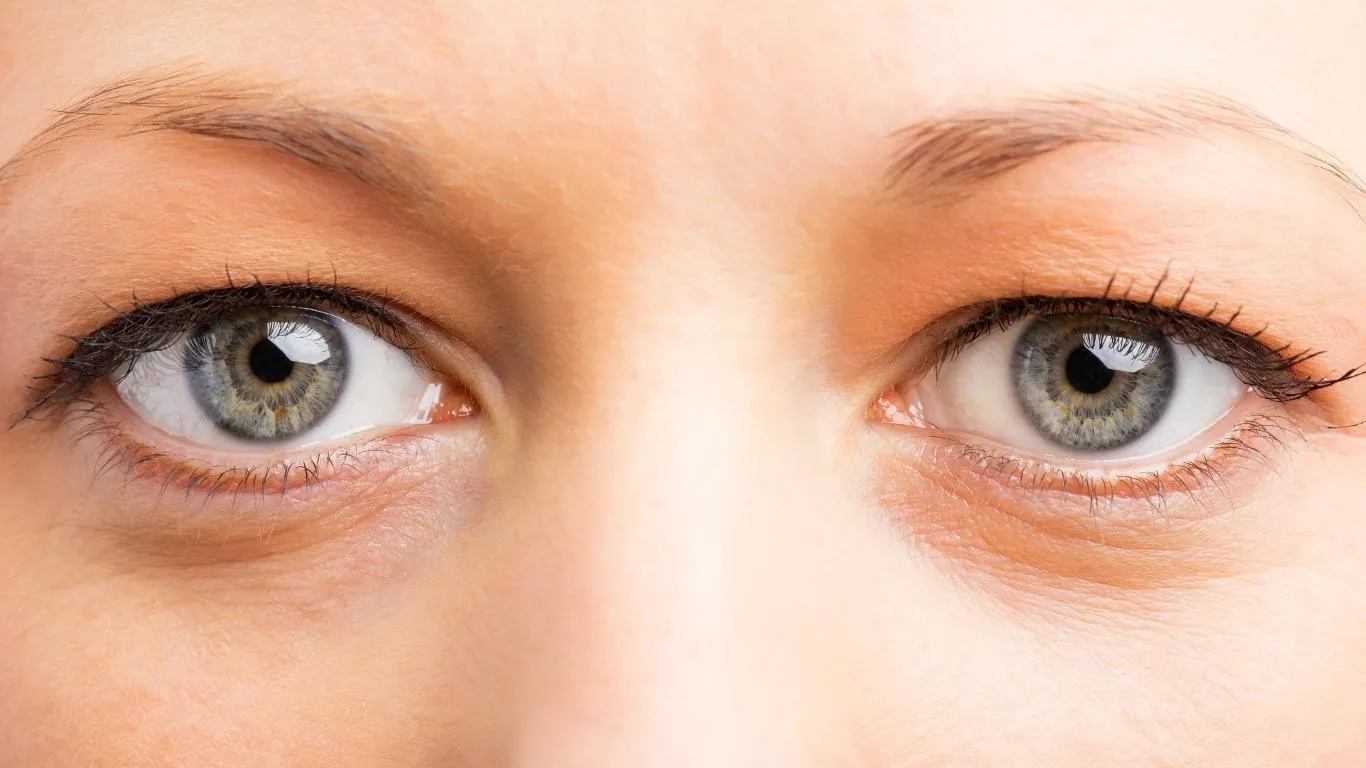
Let’s talk eyelid mechanics. The eyelids aren’t just cosmetic features — they’re critical for maintaining ocular health. Every blink spreads a thin layer of tear film across your eye, hydrating and protecting it. But when the lower lid doesn’t sit snugly against the eye — whether due to aging, fatigue, or facial muscle laxity — it can reduce that protective barrier and destabilize intraocular comfort.
This is where it gets interesting: lower eyelid laxity can disrupt fluid dynamics in the eye, possibly increasing how much light enters from certain angles or reducing the pressure balance that keeps floaters less visible.
Signs Your Eyelid Pressure Might Be Off
- Mild or frequent dry eye episodes despite artificial tears
- Noticeable sag or looseness of the lower lid, especially when looking down
- Floaters that seem more visible in the morning or after long reading sessions
- A strange sensation that your eyes aren’t fully protected, like air sneaking in
These are subtle signs, but they’re worth noting. I actually first connected the dots while researching why floaters worsened when lying flat — which led me to discover how gravity, eyelid position, and pressure all play into what we see… or wish we didn’t.
The Role of Tear Film and Eye Hydration in Floater Visibility

Your eye’s tear film is like a windshield for your vision. It’s made up of three layers — lipid, aqueous, and mucin — and together they keep your cornea smooth and optically clear. When this balance is disrupted, especially from reduced blinking efficiency due to weak lid pressure, the visual field becomes inconsistent.
This inconsistency might cause floaters to become more noticeable, more erratic, or simply more annoying. From my own trial-and-error experience, using preservative-free eye drops with hyaluronic acid helped slightly, but I didn’t see real change until I improved lid tone using warm compresses and lid massage daily. A gentle nudge can sometimes go a long way.
Simple Ways to Support Lower Eyelid Health
- Warm compresses: Use a warm eye mask or towel for 5–10 minutes a day to relax and stimulate glands.
- Lid massage: Gently massage the lower eyelid upwards using clean fingers to encourage tone and fluid flow.
- Hydration & nutrition: Omega-3s, Vitamin C, and magnesium may support vitreous and eyelid tissue integrity. Here’s a great breakdown from this hydration-focused piece.
- Watch your screen habits: Limit excessive downward gaze and long screen sessions, which strain eyelids.
I also found this resource about morning floaters pretty eye-opening (pun intended), especially since low eyelid pressure often becomes more apparent first thing after waking.
Can Floaters from Low Eyelid Pressure Be Permanent?
Here’s the good news: not all floaters are forever. Some dissolve. Others settle. A few stick around and become your new visual sidekicks (annoying but mostly harmless). When floaters appear due to or worsened by low eyelid pressure, the underlying cause is often manageable.
If you’re working with eyelid fatigue, chronic inflammation, or even post-surgical looseness (think LASIK or blepharoplasty), adjusting eyelid support can make a real difference. There’s also a growing number of ophthalmologists recognizing the relationship between lid mechanics and visual symptoms — not just dry eye but persistent floater visibility too.
For more insights into recognizing early symptoms, check out this internal guide on how to recognize floater symptoms. And if you’re wondering whether it’s all harmless, the main floaters overview breaks it down beautifully.
For the more curious (or cautious), here’s a solid resource from AAO explaining when floaters signal a retinal issue — because yeah, sometimes it’s more than just jelly quirks.
What If Floaters Persist Despite Eyelid Adjustments?
So, you’ve tried the warm compresses, upped your hydration, and maybe even added some eye yoga to the mix. But those floaters? Still doing their annoying little dance. I get it — I was there too. It’s incredibly frustrating when you feel like you’re doing everything right, yet your visual field still feels like it has static interference.
This is where we need to shift focus. Because if low eyelid pressure isn’t the sole culprit — or if it’s only one piece of the puzzle — it might be time to investigate other physiological, neurological, or environmental triggers that work *in tandem* with weakened eyelid function.
The Overlap Between Posture, Pressure & Persistent Floaters
I didn’t expect my upper spine and head position to be part of the story, but here we are. As someone who slouches during laptop time (guilty), I started noticing my floaters got worse after long coding sessions — especially when looking downward for extended periods. Turns out, this posture can subtly reduce orbital pressure and affect eyelid tension too.
It’s also consistent with some of the experiences covered in this post on posture-related eye tension. That deep connection between neck stiffness, eye fatigue, and floater intensity? Very real.
What You Can Do Differently
- Reassess your desk ergonomics — your monitor should be at or slightly below eye level
- Stretch your neck and upper back every hour if you’re working long hours
- Sleep on a pillow that supports your cervical spine without pushing your chin to your chest
When I switched to a firmer pillow and propped my monitor a couple inches higher, I didn’t expect much. But it made a bigger difference than some eye drops I had shelled out $40 for. The floaters didn’t disappear, but they became way less *in your face*, literally.
Environmental and Hormonal Factors You Might Be Missing
Here’s a truth I wish I’d learned earlier: floaters are like visual drama queens — they love to show up under the spotlight. By that I mean bright backgrounds, sudden exposure to light, or even hormonal changes like during pregnancy or intense stress.
For those who menstruate or deal with hormonal cycles, changes in water retention and ocular pressure can absolutely shift how floaters behave. I’ve read experiences — and lived it — where floaters flared up before a cycle or during intense anxiety spikes.
If you’re curious, this piece on hormonal floaters adds some context you might find surprisingly relatable.
Environmental Floater Triggers to Be Aware Of
- Walking under tree-filtered sunlight (creates ideal floater contrast)
- Reading white paper or digital screens in bright rooms
- Sudden shifts from darkness to light (theater to outdoors, for example)
- Dry indoor heat or cold wind that messes with tear film
All of these influence how your floaters appear — not necessarily how many you have. And that distinction helped me stop panicking. It’s not always about “more floaters,” it’s often about conditions making the same ones *more visible*.
Are There Medical Treatments for Floaters Caused by Low Lid Pressure?
Let’s get one thing straight: if floaters start changing in size or frequency suddenly, or if they come with flashes of light, vision loss, or eye pain — it’s time to book that urgent eye appointment. This article on dangerous floaters gives an excellent rundown of what’s normal and what’s not.
But for the rest of us dealing with non-threatening yet persistent floaters, there are still options. While treatments like laser vitreolysis or vitrectomy exist, they’re generally not recommended unless floaters severely affect quality of life.
More Conservative Treatment Paths
- Scleral support – Sometimes, supportive eyelid procedures can restore proper pressure and tear distribution, helping reduce floater intensity.
- Diet-based approaches – High-lutein foods and antioxidants can potentially stabilize the vitreous. See this excellent list of vision-supporting foods.
- Therapeutic blinking routines – Sounds silly, but mindful blinking with full lid closure retrains eyelid tone. I tried it before screen time and saw improvements in dryness and floater distraction.
Where to Learn More and Stay Ahead of Floaters
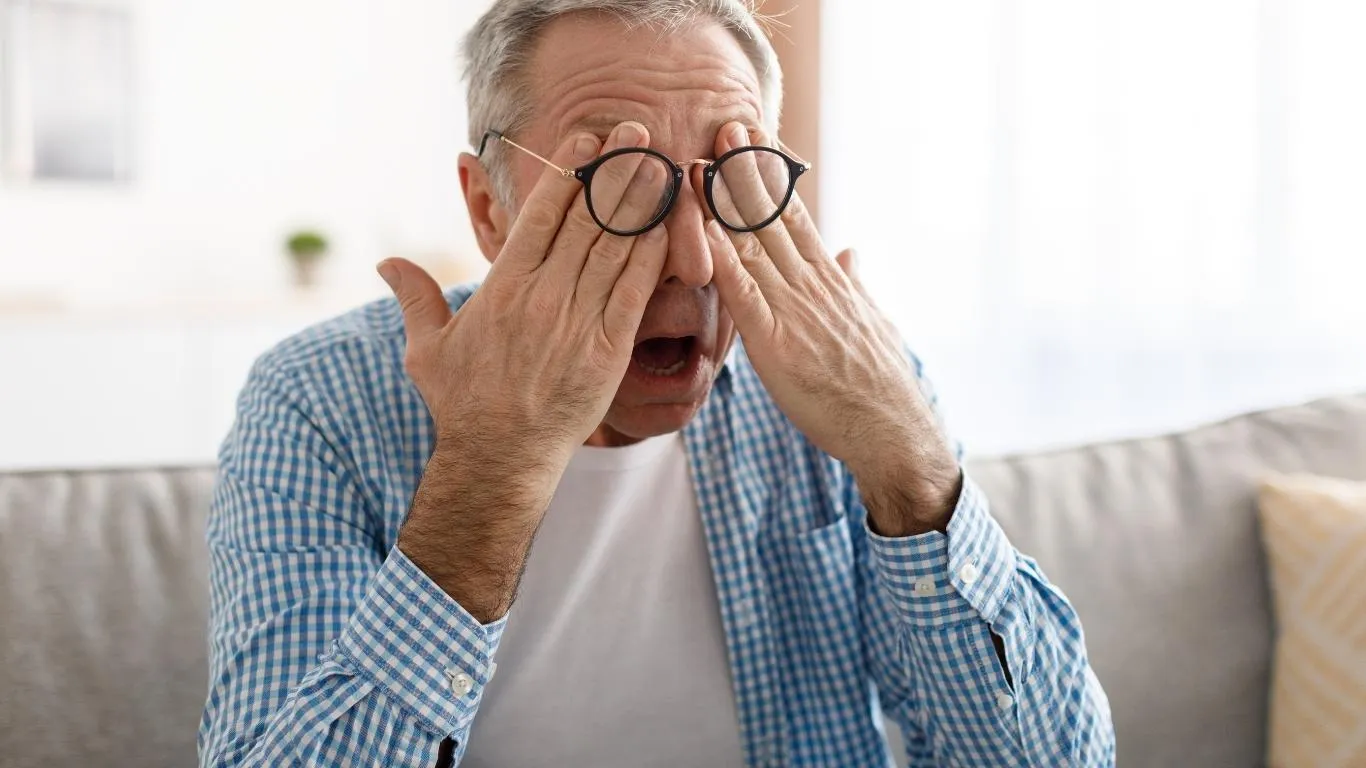
Truthfully, floaters with low eyelid pressure are still a bit of an under-discussed duo. Most eye doctors focus on the internal causes — aging, trauma, diabetes — but subtle mechanical issues like eyelid tone can influence how floaters affect your daily life.
If you’re navigating this strange combo, make time to explore our deeper guide on common floater causes to see where your experience fits in. And for a solid overview of how floaters work from the ground up, the main article at what causes eye floaters lays out the essentials in plain English.
For an external expert view, NCBI offers clinical insights into floaters and posterior vitreous detachment, if you’re up for a deep dive into medical research.
Meanwhile, I’ll be over here blinking consciously, drinking water like it’s my job, and not stressing too hard when I see a speck float by. Life’s too short — even if floaters like to hang around longer than we want them to.

Camellia Wulansari is a dedicated Medical Assistant at a local clinic and a passionate health writer at Healthusias.com. With years of hands-on experience in patient care and a deep interest in preventive medicine, she bridges the gap between clinical knowledge and accessible health information. Camellia specializes in writing about digestive health, chronic conditions like GERD and hypertension, respiratory issues, and autoimmune diseases, aiming to empower readers with practical, easy-to-understand insights. When she’s not assisting patients or writing, you’ll find her enjoying quiet mornings with coffee and a medical journal in hand—or jamming to her favorite metal band, Lamb of God.