When Floaters With No Other Vision Symptoms Are a Red Flag
It started with just one. A tiny speck that floated across my vision like dust on a sunbeam. I blinked, rubbed my eyes, even tilted my head — but it didn’t go away. It wasn’t pain. It wasn’t blurry vision. Just a strange, stubborn little dot that drifted around when I looked at the sky or a white screen. Turns out, I was dealing with eye floaters — and nothing else. No flashes, no redness, no visual loss. Just floaters. And if you’re reading this, I’m guessing you’ve been wondering the same thing I did: Is it something I should worry about if floaters are the only symptom?
What Exactly Are Floaters — and Why Do They Show Up Solo?
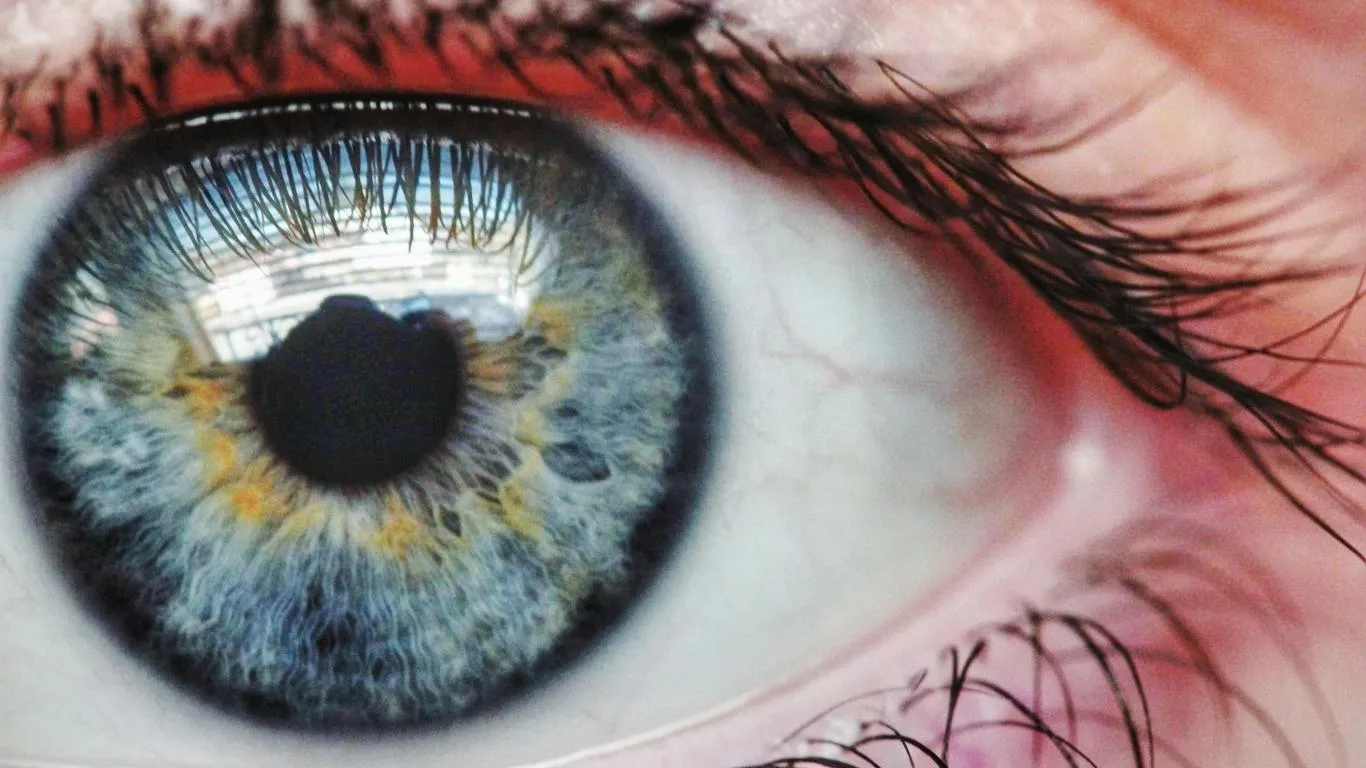
Floaters are those odd little shapes — often described as cobwebs, strings, or dark specks — that drift around in your field of vision. They’re not on your eye surface; they’re actually tiny clumps of collagen inside your vitreous — the jelly-like substance that fills the middle of your eyeball.
Now, floaters can absolutely be part of something bigger. Retinal detachment, inflammation, hemorrhage — yeah, all scary-sounding stuff. But here’s the thing most people don’t realize: floaters can absolutely exist on their own. And quite commonly, they do.
Why Only Floaters and No Other Symptoms?
In many cases, floaters are caused by the natural aging process of the eye — a change called posterior vitreous detachment (PVD). As the vitreous shrinks, it pulls away from the retina and leaves behind some debris — and that’s what you’re seeing floating around.
- It’s gradual. PVD happens slowly, and often without drama.
- No pain, no vision loss. Just new floaters that stick around like that one annoying song in your head.
- Middle-aged or older? You’re in the prime floater demographic. Floaters increase with age — here’s a great read on that from Healthusias: eye floaters and aging.
Are Solo Floaters Ever a Red Flag?
If you’ve only noticed floaters and nothing else — no light flashes, no curtain-like shadows, no blurry spots — chances are, it’s not an emergency. But I’ve learned it’s still worth paying attention to how many and how fast they appeared.
Here’s When You Should Definitely Talk to an Eye Doctor:
- You suddenly see a shower of new floaters, all at once
- You notice peripheral vision loss or a dark curtain over your view
- You start seeing light flashes — like camera flashes or lightning streaks
Any of those could mean retinal tear or detachment — and that is a vision emergency. You can read more about it here.
What’s It Like Living With Only Floaters?
I’ll be honest: I got used to mine. At first, they were annoying. Especially on bright days or when I was working on my laptop. But I also noticed that my brain kind of stopped focusing on them after a while. That’s because the brain is pretty good at tuning out non-essential information (like the hum of your fridge).
Quick Tips That Helped Me Deal With My Solo Floaters:
- Switch to darker backgrounds when reading or working — white makes them stand out
- Wear sunglasses outdoors — floaters are brutal in sunlight
- Don’t stare at them — easier said than done, but it helps
In fact, I even picked up some advice from this great post on post-floater management that applies even when there’s no infection involved.
Can Floaters Stay Forever?
Yup, they can. Mine have been hanging around for over a year. But they’ve also faded a bit — or my brain just stopped caring. According to American Academy of Ophthalmology, floaters caused by aging or vitreous changes typically don’t require treatment unless they’re impacting vision quality.
And if they’re really bothering you? Options exist — from laser vitreolysis to vitrectomy. Both have pros and cons, and not every doctor recommends jumping straight into them. Here’s a breakdown of treatment choices from Healthusias: eye floater treatments.
What About Natural Solutions?
I went down the rabbit hole on this, too. Eye exercises, herbal supplements, hydration tricks. I found a lot of interesting insight in this article on natural floater management. Let’s just say — manage your expectations. Some tips help, some are more placebo than practical. But if you’re not ready for lasers or surgery, it’s worth exploring.
For a deeper understanding of floaters — causes, symptoms, and what can actually be done — check out this complete guide on Healthusias.
Also worth your time is this article that dives into the everyday and not-so-everyday causes of floaters — especially if you’re curious what might’ve triggered yours in the first place.
When Floaters Linger — Should You Push for Treatment?

Let’s say your floaters have been sticking around for months — maybe even years — with no other vision issues. No flashes. No pain. Still, they’re driving you a little nuts. That’s when most people hit that crossroads: “Should I just live with it, or is it time to do something about these floaters?”
I remember my own tipping point — it was trying to read a book outside and feeling like I had bugs swimming in my vision. I wasn’t imagining it. The floaters were getting more frequent and more obvious. So, I finally asked my eye doctor: “What are my actual options here?”
Here’s What the Doctor Told Me:
- Observation — “You’ll get used to them.” Yes, that’s really the default answer.
- Vitrectomy — Surgery to remove the vitreous gel (and the floaters), but risky for mild cases.
- Laser Vitreolysis — Zaps larger floaters with laser pulses. Not always offered. Not always effective.
Honestly, unless floaters are severely blocking vision, most specialists will steer you toward the wait-it-out method. If that’s frustrating to hear, you’re not alone. It helped me to explore options in more depth here, where each treatment is broken down with pros and cons.
What Really Makes Floaters Worse — Even If Your Eyes Are Healthy?
One of the strangest things about solo floaters is how they change with your environment and lifestyle. I noticed mine were worse after a long night, after staring at screens too long, or when I was even slightly dehydrated. Turns out, there’s science behind that.
Common Triggers That Intensify Eye Floaters:
- Bright light or staring at the sky
- Lack of sleep
- Eye strain from screens — yes, seriously
- Dehydration (even mild)
- Stress — which tightens your focus on them even more
If you’re nodding along right now, I highly recommend this read on screen-time floaters and how daily habits affect what you see. It made me rethink my entire work setup.
Floaters may also increase during certain hormonal changes — like menopause or pregnancy — even without other eye symptoms. This guide dives into why floaters and hormones have a complicated relationship.
Can Nutrition or Lifestyle Changes Make a Difference?
This is the part I got obsessed with — could changing my diet, hydration, or sleep improve floaters naturally? There’s no miracle cure (trust me, I tried everything from eye yoga to random eye drops), but a few consistent changes did help:
- Staying hydrated — less dryness, better vitreous clarity
- Magnesium & lutein-rich foods — see foods for vision support
- Cutting screen glare — changed my work monitor angle and added a blue-light filter
- Stress reduction — meditation, walks, and no phone an hour before bed
Also, this post on stress-induced floater relief made me realize how much my anxiety was actually making them more noticeable, even when nothing new was happening inside my eyes.
The Mental Toll Nobody Talks About
No one warns you how mentally exhausting it is to have something swimming around in your field of vision all day. Especially when you’re trying to convince yourself it’s not dangerous. There were days I felt like I couldn’t focus, couldn’t relax. And that’s not uncommon. A surprisingly high number of floater sufferers experience anxiety, irritability, or even depression related to floaters — even when their vision is technically “fine.”
This piece on the mental health side of floaters helped me feel less alone, and more importantly, more proactive about handling the emotional side.
When You Should Stop Ignoring Floaters — Even If They Seem Harmless
While floaters alone can be harmless, I always tell friends this: If something changes, don’t wait. Sudden increases, light flashes, weird shadows? Get checked — even if it’s just to get peace of mind. This guide walks through subtle signs that your floaters may not be solo anymore.
And if you’re looking to stay ahead of floater risks from aging or eye strain, bookmark this detailed breakdown: common causes of floaters.
Still wondering how all this ties together with your eye’s structure and long-term health? The main article on eye floaters gives you a full overview from a medical perspective, not just personal stories.

Camellia Wulansari is a dedicated Medical Assistant at a local clinic and a passionate health writer at Healthusias.com. With years of hands-on experience in patient care and a deep interest in preventive medicine, she bridges the gap between clinical knowledge and accessible health information. Camellia specializes in writing about digestive health, chronic conditions like GERD and hypertension, respiratory issues, and autoimmune diseases, aiming to empower readers with practical, easy-to-understand insights. When she’s not assisting patients or writing, you’ll find her enjoying quiet mornings with coffee and a medical journal in hand—or jamming to her favorite metal band, Lamb of God.