Why Floaters With No Signs In Retinal Scan Still Matter
When I first noticed those faint shadowy specks floating across my vision, I brushed it off. You know, like when you stare too long at the sun or blink too hard. But then they kept showing up—on bright backgrounds, during walks, even mid-conversation. I finally scheduled a full eye exam. After all the imaging and retinal scans, my ophthalmologist leaned back and said, “Everything looks completely normal.” Wait—what? Then what are these floaters doing in my vision if nothing’s wrong?
Understanding Eye Floaters Without Retinal Scan Abnormalities
This situation is more common than most realize. You can experience floaters—those drifting threads, cobwebs, or transparent spots—yet have zero signs of retinal damage or disease on a retinal scan. It’s both relieving and frustrating. Relieving because nothing serious is going on. Frustrating because, well, the floaters are still there and no one seems to be alarmed by them.
What’s Actually Happening in the Eye?
Most floaters are a result of changes in the vitreous, the clear gel that fills the back of your eye. Over time, it can start to liquefy and clump, casting shadows on your retina. That’s what you’re seeing—not something *on* your eye, but *inside* it.
Even when the retina looks clean and intact on imaging, posterior vitreous detachment (PVD) could be the culprit. And here’s the kicker—it often doesn’t show up on a standard retinal scan, especially in early or subtle stages.
Why Don’t They Show Up on Retinal Imaging?
Standard retinal scans are built to pick up signs of retinal tears, macular degeneration, or other visible pathology. But floaters? They’re typically mobile, translucent, and float in the anterior part of the vitreous—out of range for most high-definition scans. It’s like trying to photograph fog with a wide-angle lens—just doesn’t capture the detail.
Symptoms That Feel Real, Even When Results Say “Normal”
- Sudden appearance of floating spots or squiggly lines
- Shadow-like blobs that drift with eye movement
- Increased visibility against white backgrounds
- Floaters that seem to move faster or slower depending on your gaze
If any of these describe what you’re experiencing, you’re not alone. I’ve been there—second-guessing whether I was imagining things. Some people even report seeing floaters more clearly at certain times of day or in specific lighting. Others feel they’re getting worse after screen time or poor sleep. You’re not making it up, and your experience is valid—even if imaging doesn’t “prove” it.
It’s Not Just Age
Sure, age is a big factor. But so is stress, dehydration, and other less obvious issues. According to research on dehydration’s impact on floaters, low hydration can exacerbate symptoms, yet again, nothing shows on scans. Frustrating, right?
When Is It Safe—and When Should You Push for More?

Your eye doctor isn’t brushing you off if they say things look fine—it just means that from a retinal health perspective, there’s no sign of tears, holes, or bleeding. But it’s totally fair to push for answers if your floaters are new, worsening, or impacting daily function.
- Keep a floaters log—note time of day, appearance, and environment
- Ask for Optical Coherence Tomography (OCT) if not already done
- Request a dilated exam if only basic imaging was performed
If your doctor finds no issues but you still feel uneasy, get a second opinion. A trained retina specialist may spot something a general optometrist might miss. This is especially important if your floaters appear without any other symptoms, which can make things tricky to diagnose.
My Personal Take
For me, keeping a diary of floater behavior helped me feel in control. I also discovered certain lighting conditions—like soft yellow light instead of harsh white—made them less noticeable. I even asked my doc if my seasonal allergies could be connected, and turns out, inflammation can play a subtle role.
Common Misconceptions About “Clear Scans”
- If scans show nothing, then nothing is wrong – Not true. You can still have functional vision disturbances.
- Only older adults get floaters – Actually, floaters are common even in young, healthy people.
- All floaters are harmless – While many are benign, new or increasing floaters should still be evaluated.
Want to learn more about the causes that don’t show on a surface-level scan? This article dives into causes ranging from aging to trauma. And for a more complete overview of symptoms, what to watch out for, and when to act, don’t miss this in-depth guide: What Are Eye Floaters?
Also, if you suspect something more systemic, like floaters worsening with thyroid disease or diabetic eye changes, always raise that with your specialist. They can cross-reference symptoms that general scans can miss.
Hidden Causes of Floaters That Don’t Show on Scans
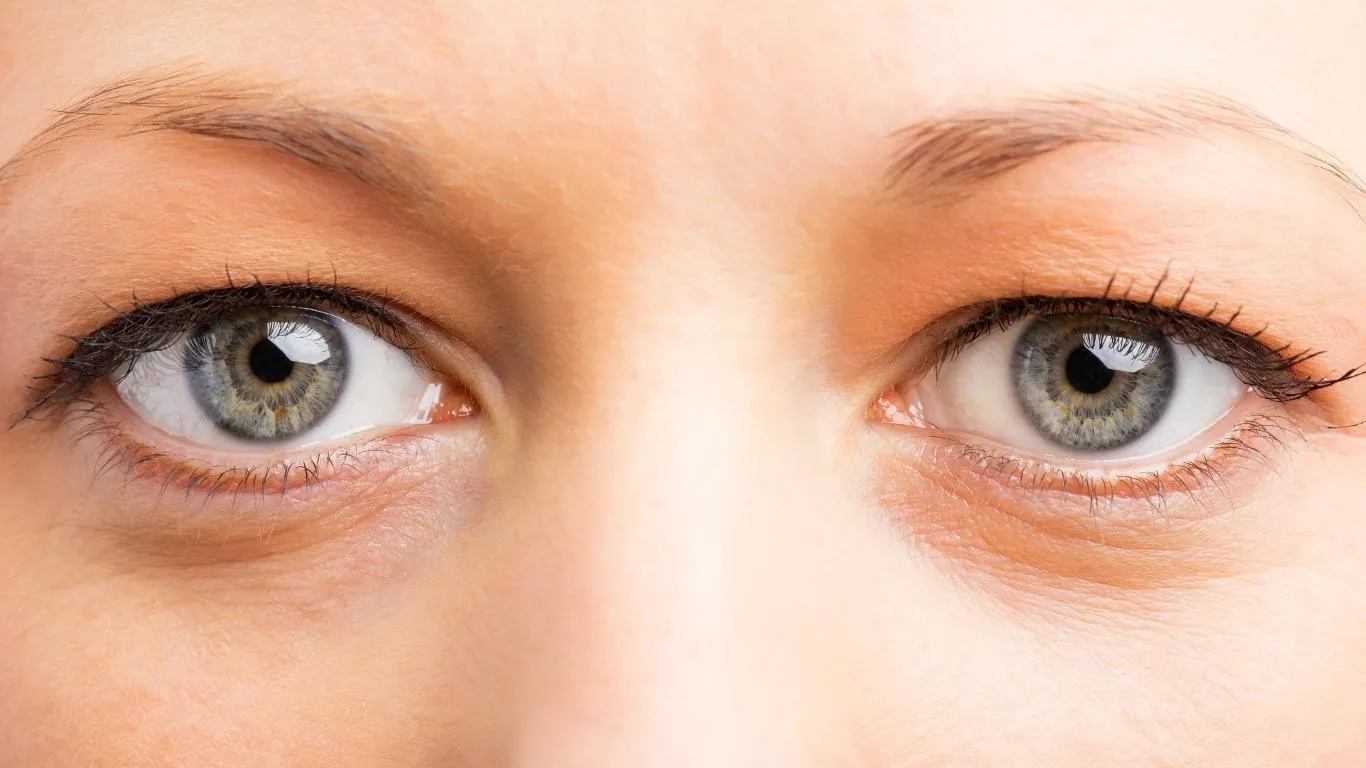
Here’s the thing—retinal scans are amazing, but they’re not omniscient. There are a dozen lesser-known causes of floaters that just don’t light up on your imaging results. I learned this the hard way when I kept pushing for answers. Turns out, floaters can be triggered by everything from hormonal shifts to autoimmune flares, even when your retina looks pristine.
Some Under-the-Radar Triggers Include:
- Postural pressure changes – Believe it or not, poor posture can intensify floater perception, especially during long work sessions.
- Dehydration and electrolyte imbalances
- Collagen degeneration in the vitreous – Often related to age or hereditary connective tissue issues.
- Hormonal fluctuations – Particularly common during pregnancy, perimenopause, or stress-induced cortisol spikes.
- Visual fatigue – From extended screen use or binge-watching.
And here’s a fun twist—some people report floaters get worse after things like altitude changes, scuba diving, or even sneezing fits. Seriously. You can’t make this stuff up. I once had a spike in floaters after a long-haul flight from Jakarta to Amsterdam, and sure enough, others had experienced the same.
What You Can Do When You’re Told “Everything’s Fine”
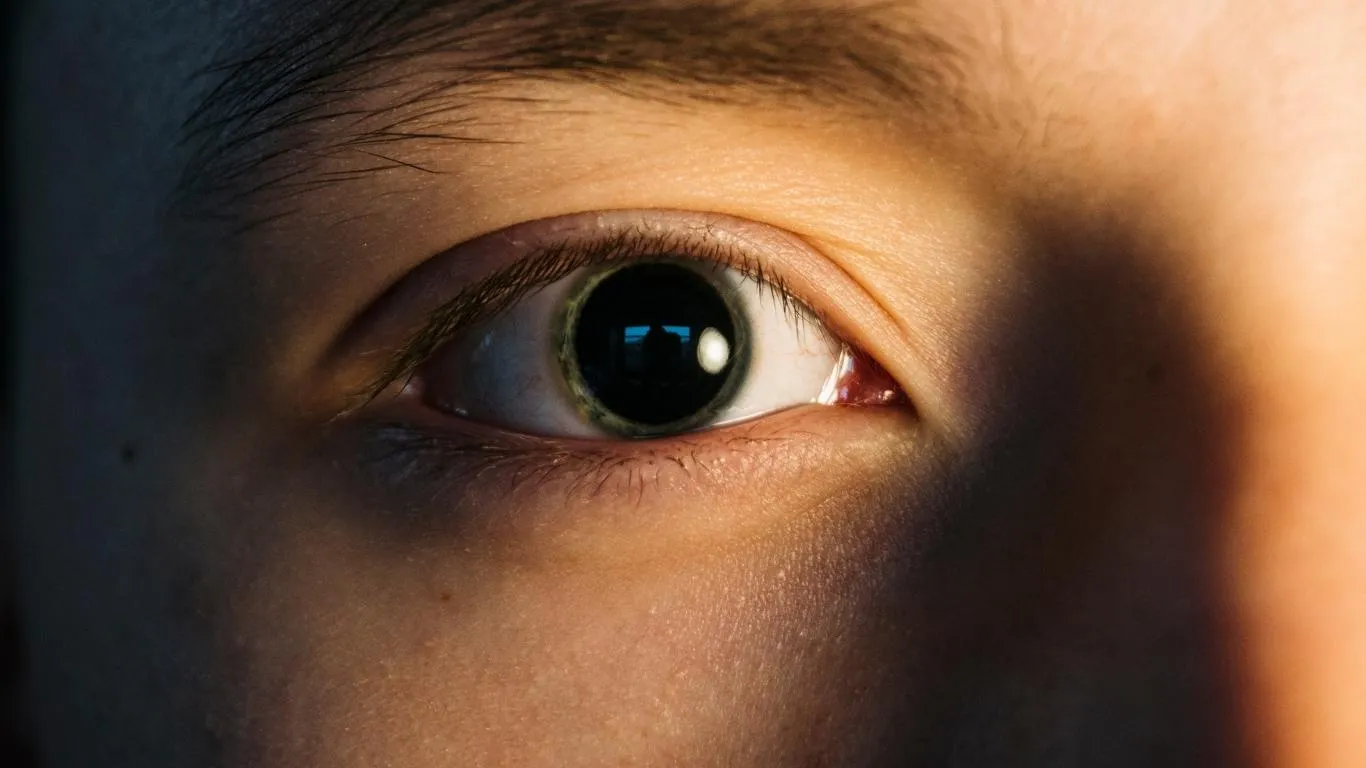
Okay, so the scan’s clean. But your floaters are real. What next? While most ophthalmologists will recommend observation for benign floaters, that doesn’t mean you’re stuck in silent suffering. You’ve got options—some natural, some clinical.
Try These Evidence-Backed Strategies
- Increase hydration – Start simple. Aim for steady water intake throughout the day. Dehydration makes vitreous changes worse.
- Reduce screen glare – I switched to blue-light filtering glasses and noticed fewer floaters at night.
- Eye movement exercises – Controlled side-to-side eye motions may help break floater clusters and move them out of central vision.
- Optimize nutrition – Boost your intake of lutein, zeaxanthin, and omega-3s. Here are some solid food suggestions.
Some folks swear by supplements aimed at vitreous clarity. Personally, I was skeptical, but after a few weeks of a magnesium-rich regimen and collagen support, I did notice a slight improvement. Whether that was placebo or legit, I’ll never know—but it’s worth exploring with your provider.
When to Re-Evaluate Your “Normal” Diagnosis
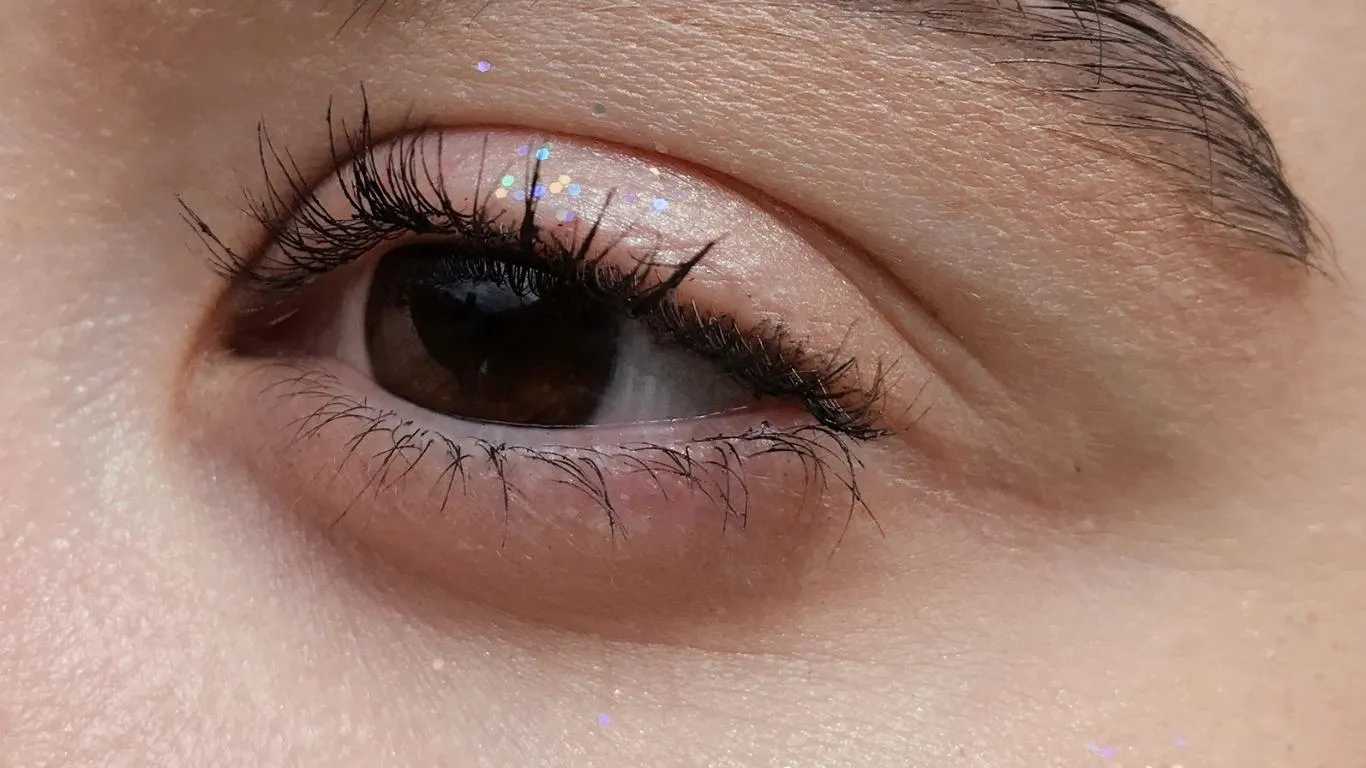
Here’s the tricky part: floaters can start as benign and later evolve into a symptom of something more. That’s why it’s essential to trust your instincts. If anything changes—shape, frequency, new light flashes, or you start losing peripheral vision—call your doc immediately.
In fact, a sudden burst of floaters can be an early red flag for retinal tears or detachment. This isn’t to scare you, but to reinforce that “normal” today doesn’t mean “ignore it forever.”
Red Flags to Watch Out For:
- Sudden increase in floater volume
- Light flashes, even if subtle
- Dark curtain or shadow moving across your field of vision
- Floaters paired with eye pain or redness
Also, if your floaters come with systemic issues like autoimmune disease, diabetes, or thyroid imbalance, it’s worth seeing a specialist even if initial scans say everything’s fine. This article on autoimmune-related floaters is worth a look if that’s part of your medical picture.
Reframing the Experience

One thing that helped me was reframing my mindset. Instead of fighting the floaters, I learned to accept them—like visual freckles. I adjusted lighting, minimized harsh contrasts, and focused more on calming routines that reduced their prominence. Stress and eye tension made them worse. Meditation, gentle yoga, even just walking away from my screen once an hour—it made a huge difference.
If you’re someone struggling to feel validated, you’re not imagining things. There are entire communities of people navigating eye floaters despite perfect exams. Keep asking questions. You deserve answers—or at least, comfort and clarity.
For more on the full spectrum of floater causes, medical evaluation options, and treatments from laser to vitrectomy, check out our comprehensive guide here: Eye Floater Treatments. And for a complete understanding of floaters from root causes to lifestyle triggers, don’t miss our essential resource: What Are Eye Floaters?

Camellia Wulansari is a dedicated Medical Assistant at a local clinic and a passionate health writer at Healthusias.com. With years of hands-on experience in patient care and a deep interest in preventive medicine, she bridges the gap between clinical knowledge and accessible health information. Camellia specializes in writing about digestive health, chronic conditions like GERD and hypertension, respiratory issues, and autoimmune diseases, aiming to empower readers with practical, easy-to-understand insights. When she’s not assisting patients or writing, you’ll find her enjoying quiet mornings with coffee and a medical journal in hand—or jamming to her favorite metal band, Lamb of God.