Why Floaters Worsen After Caffeine Withdrawal and How to Fix It
So, here’s the thing—about six months ago, I made a decision to cut back on caffeine. I had been relying on 3–4 cups of coffee a day to stay energized through work and family life, but my sleep was getting worse, my anxiety was spiking, and something weird started happening… I noticed my eye floaters—those annoying drifting specks and squiggles—seemed to go wild right when I was weaning off caffeine. At first, I thought it was a coincidence. But after doing some serious digging, turns out, I’m far from alone.
Can Caffeine Withdrawal Actually Make Eye Floaters Worse?
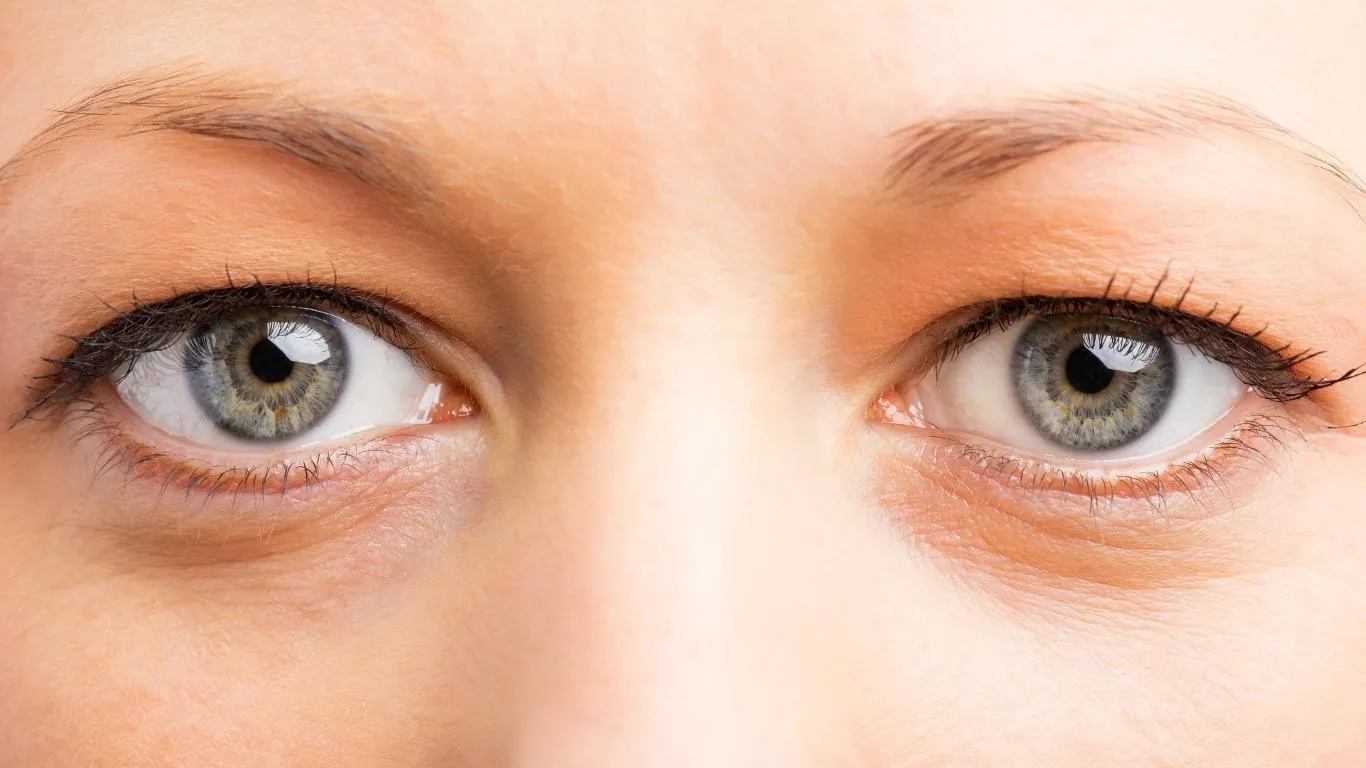
Let’s clear something up right away—caffeine withdrawal itself doesn’t directly cause new floaters, but it can absolutely intensify your perception of existing ones. And if your body’s reacting in weird ways while you detox, your vision can start throwing curveballs at you.
Why Vision Feels Funky When You Quit Caffeine
Caffeine is a vasoconstrictor, meaning it tightens your blood vessels. When you stop consuming it abruptly, blood vessels dilate, affecting circulation throughout your body—including your eyes. This sudden change can sometimes mess with the way light enters your eye and how floaters are perceived.
Here’s what I personally experienced during that first caffeine-free week:
- Floaters appearing darker and more pronounced
- Light sensitivity (especially in bright rooms)
- Intermittent blurry vision and eye pressure
Some studies suggest that vasodilation from caffeine withdrawal may alter intraocular pressure temporarily, especially in sensitive individuals or those with a history of eye strain, migraines, or even mild dehydration.
The Link Between Hydration and Floaters Post-Caffeine
Let’s be real—when you cut caffeine, you’re probably also unintentionally lowering your fluid intake. No more coffee means one less source of water in your daily routine, and if you’re not compensating by drinking more water, your body might get a little cranky.
Dehydration is one of the most commonly ignored floaters triggers. I found that even mild dehydration made my floaters more obvious—especially against white screens or bright skies.
Check out how dehydration impacts floaters for a deeper dive into the connection.
Symptoms to Watch During Caffeine Withdrawal
- Sudden increase in floater visibility
- Visual “flickers” or light sensitivity
- Temporary tension headaches affecting eye muscles
What made things click for me was reading this piece on caffeine’s double-edged role. While caffeine may constrict blood vessels and temporarily reduce floater perception, withdrawing from it does the opposite—leading to intensified visual disturbances in some people.
Stress, Eye Strain, and Sleep Deprivation: The Caffeine-Free Trifecta
Let’s talk about the triple threat here. When I ditched caffeine, not only did I deal with foggy mornings, but my sleep was inconsistent, my screen time increased to stay alert, and the eye strain followed. And yes, my floaters got worse—visibly worse.
Why This Matters
When your body is adjusting to a caffeine-free state, stress hormones like cortisol can spike. Combine that with poor sleep and long hours staring at screens, and it’s basically a recipe for floater flare-ups. Even the habit of using your phone in the dark can make things worse.
It helped me a ton to be aware of how many subtle habits were adding fuel to the fire. I wasn’t giving my eyes time to recover from fatigue—and that made caffeine withdrawal even harder.
Is There a Safe Way to Cut Caffeine Without Worsening Floaters?
Here’s what I wish I knew earlier—quitting cold turkey isn’t the best move if you already deal with floaters. A slow, mindful reduction worked better for me the second time I tried. I started by replacing my second cup with herbal tea, then my first. It wasn’t perfect, but my floaters didn’t spike like they did before.
Tips That Helped Me
- Stay hydrated. Make water your best friend—especially in the morning.
- Use warm compresses. I noticed less tension around the eyes when I did this daily.
- Reduce screen time when possible. Or at least follow the 20-20-20 rule.
- Support your eyes with proper nutrition. Omega-3s, lutein, and hydration all matter.
It’s also smart to know when to take your floaters seriously. If you’re seeing a sudden burst, flashes, or a curtain-like shadow, definitely read this warning guide on floaters before retinal tears. Your vision isn’t something to play with.
If you’re trying to understand more about how floaters show up during lifestyle changes, the in-depth article on common causes of floaters is worth the time. And for a full-picture overview, check out this complete floaters guide.
How Long Do Floaters Stay Worse After Caffeine Withdrawal?
This is the million-dollar question, right? From what I went through—and what I’ve heard from others—floaters don’t usually become permanent from caffeine withdrawal. But they can definitely hang around longer than you’d expect, especially if you jump off caffeine cold and your body’s in recovery mode.
In my case, the intensity of floaters eased after about three weeks. But if your sleep, hydration, and stress levels are all over the place, it might take a bit longer. Some people even report floaters fluctuating based on daily habits and lighting conditions. And if you already have high myopia or eye strain, you might be more sensitive during the transition.
What’s “Normal” During Recovery?
- Floaters more noticeable in the morning or under bright light
- Random eye fatigue (even without screen time)
- Improved floater perception after meals or hydration
If symptoms stay intense past 4–6 weeks, it’s smart to get an eye exam—just to be sure nothing else is going on. Especially if they’re paired with headaches or flashes. I learned the hard way that ignoring it can delay treatment for other underlying conditions.
Supplements That Might Help (But Won’t Work Overnight)
I’m not usually big on supplements, but during my caffeine detox, I gave in and did some experimenting. While nothing erased floaters completely, a few things helped reduce the intensity—and even supported better focus.
What Actually Helped Me
- Omega-3 fatty acids: I used a high-quality fish oil. Within two weeks, my eye dryness went down.
- Magnesium: Helped with eye twitching and tension headaches that made floaters worse.
- Lutein + Zeaxanthin: These antioxidants are known for supporting retina health. I added them from a trusted brand and felt a bit of a difference after a month.
This resource on supplements that actually help floaters helped me cut through the marketing fluff and choose the right stuff. I’d skip anything that promises instant floater removal. It doesn’t exist—trust me.
Daily Visual Hygiene During Caffeine Recovery
Here’s a trick I wish I started earlier—visual hygiene. It’s not just for screen junkies or folks with dry eye. If you’re withdrawing from caffeine and dealing with foggy focus and floaters, your eyes need as much TLC as the rest of your body.
What Actually Works Daily
- Use the 20-20-20 rule: Every 20 minutes, look 20 feet away for 20 seconds. Seriously, just do it.
- Wear blue light filtering glasses: Especially if floaters feel worse in the evenings.
- Dim your screens at night: And stop using your phone in pitch black. Here’s why that matters: Floaters from using phone in dark.
I also got into a habit of massaging my temples and doing gentle blinking exercises. Sounds silly—but reducing eye tension actually made floaters less noticeable, especially when my caffeine headache was in full swing.
When Floaters Signal Something Bigger
Alright, we have to get real for a second. Not all floaters are harmless. If you experience floaters that look like cobwebs, showers of dots, or come with flashes, that’s not from caffeine withdrawal. That could be a sign of a retinal tear or something else that needs fast attention.
Also, if floaters only affect one eye, or appear after surgery like LASIK or cataracts, that’s worth checking too. You want to rule out vitreous detachment, infection, or pressure-related changes.
Supporting Long-Term Vision Post-Caffeine
Eventually, your body will adjust to the caffeine-free life. Mine did, and honestly, it’s been worth it. My energy is more stable, my focus is cleaner, and I don’t get random visual disturbances as often anymore.
Here’s what helped me stay consistent:
- Prioritize hydration — I set reminders to drink water every hour during detox.
- Cut down on screen glare — Especially during midday and before bed.
- Eat eye-friendly foods — Leafy greens, salmon, and nuts now show up daily on my plate.
- Track floaters in a journal — It helped me correlate changes with sleep, stress, or meals.
Honestly, most of my insights came from reading and experimenting. This detailed breakdown on natural floater management helped me avoid falling into the supplement trap and stay focused on daily habits.
If you’re someone who’s been frustrated by floaters flaring up during caffeine withdrawal, know this—you’re not imagining it. The differences between floaters and more serious eye issues are subtle, but worth understanding.
And if you’re just beginning to learn about this condition, take a moment to read through the full picture at this comprehensive floater guide.

Camellia Wulansari is a dedicated Medical Assistant at a local clinic and a passionate health writer at Healthusias.com. With years of hands-on experience in patient care and a deep interest in preventive medicine, she bridges the gap between clinical knowledge and accessible health information. Camellia specializes in writing about digestive health, chronic conditions like GERD and hypertension, respiratory issues, and autoimmune diseases, aiming to empower readers with practical, easy-to-understand insights. When she’s not assisting patients or writing, you’ll find her enjoying quiet mornings with coffee and a medical journal in hand—or jamming to her favorite metal band, Lamb of God.